
The last Caravaggio
'The Martyrdom of Saint Ursula' was finished in May 1610, two months before the painter's death, and hangs here with barely a crowd in front of it.
Armando Mancini — CC BY-SA 2.0 · Bocassina — CC BY-SA 4.0 · Argo Navis — CC BY-SA 4.0 · Sailko — CC BY 3.0
The last painting Caravaggio finished, two months before he died, hangs today in a former banking hall on a crowded shopping street. 'The Martyrdom of Saint Ursula', painted in May 1610, is not a picture to glance at and move on from: the light has nearly gone out of it, the arrow has just entered the saint's chest, and the painter put his own face among the heads crowding in behind her. There is rarely a scrum in front of it. You can stand there for fifteen minutes without anyone shoving past — which on its own justifies the ticket. The building is half the story. This is the Banco di Napoli headquarters, designed by Marcello Piacentini and inaugurated in 1940: grey Billiemi stone and a band of travertine, a monumental staircase, a triple-height banking hall lit from a skylight overhead that feels less like a museum than a temple raised to money. Michele De Lucchi reworked the interior and it opened as a museum in May 2022. One practical warning: plenty of older guidebooks and phone maps still send you to Palazzo Zevallos Stigliano a few doors along, which was only the previous home, up to 2022. The address now is Via Toledo 177. Behind the Caravaggio sit roughly 145 works of southern Italian art from the seventeenth century to the twentieth: Artemisia Gentileschi and Luca Giordano, the nineteenth-century Bay of Naples views of the Posillipo school, and the bronzes of Vincenzo Gemito with their sharp, entirely alive Neapolitan faces. Upstairs, the Caputi collection of Attic and Magna Graecia pottery is on public display for the first time, alongside loans from the national archaeological museum. Most visitors skip that floor. They are wrong to. The museum is small, air-conditioned and easy to digest: an hour to ninety minutes covers it properly, and it makes an excellent refuge from August heat or January rain. It opens Tuesday to Sunday and closes on Mondays — until 19:00 Tuesday to Friday, until 20:00 at weekends, with last admission an hour before closing. The full ticket is around €8, free for under-26s and reduced to €4 for over-65s, which means a family with teenagers may only pay for two. Advance booking is not normally needed, though the museum suggests buying online to save time. Toledo metro station is a few minutes away on foot, but Via Toledo itself is one of the busiest streets in the city and a working ground for pickpockets, so keep your bag in front of you. Cafés and restaurants surround the museum, though halal options are thicker on the ground near Garibaldi station.
'The Martyrdom of Saint Ursula' was finished in May 1610, two months before the painter's death, and hangs here with barely a crowd in front of it.
Piacentini's palace — grey stone, monumental staircase, a triple-height banking hall under its skylight — is worth walking through even if you never look at a painting.
The Caputi collection of Greek pottery is on public view for the first time — the quietest corner of the museum and the most surprising.
Via Toledo 177, Naples
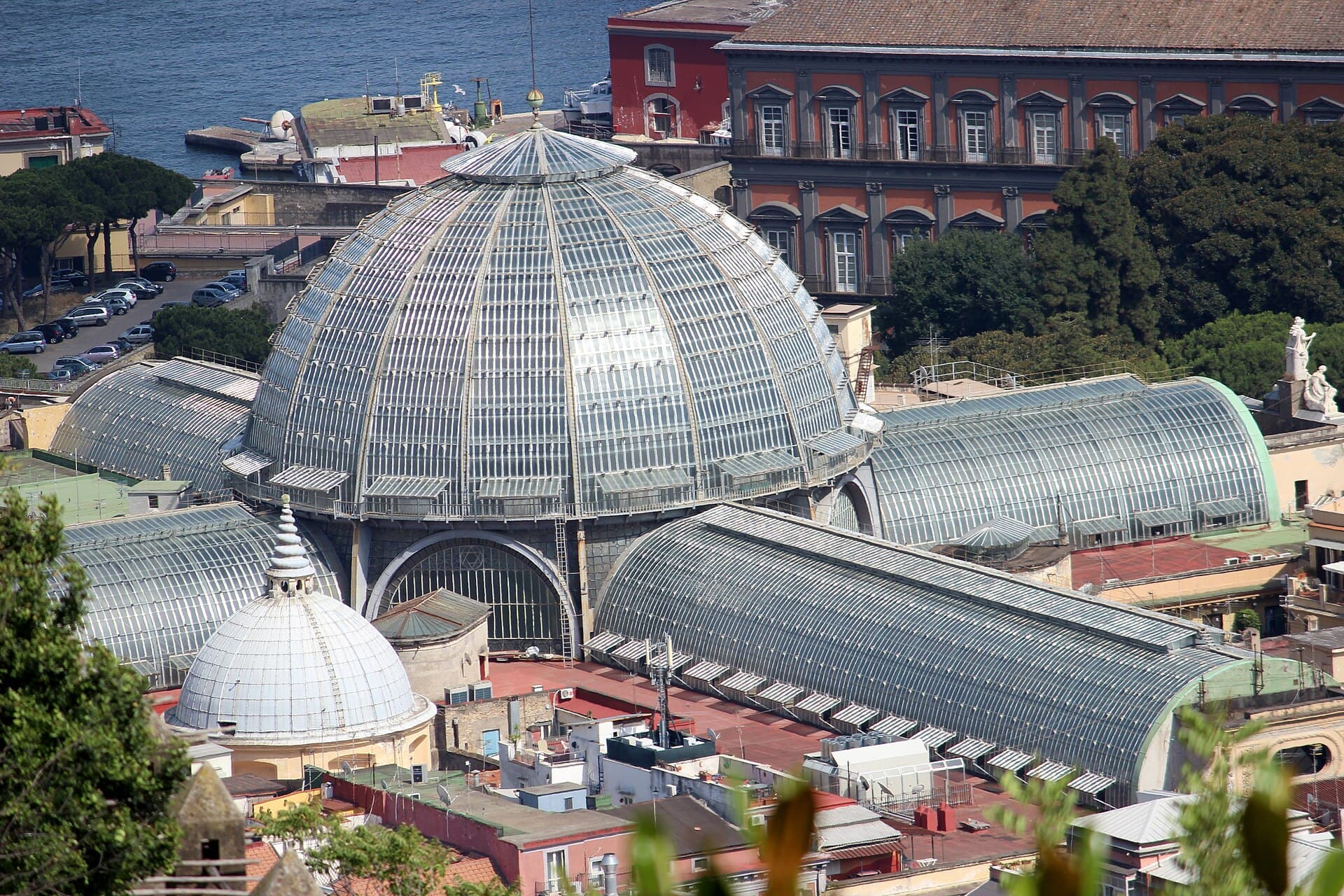 Galleria Umberto IThe Galleria Umberto is Naples's answer to Milan's famous arcade — built right a2 minutes walk4.5
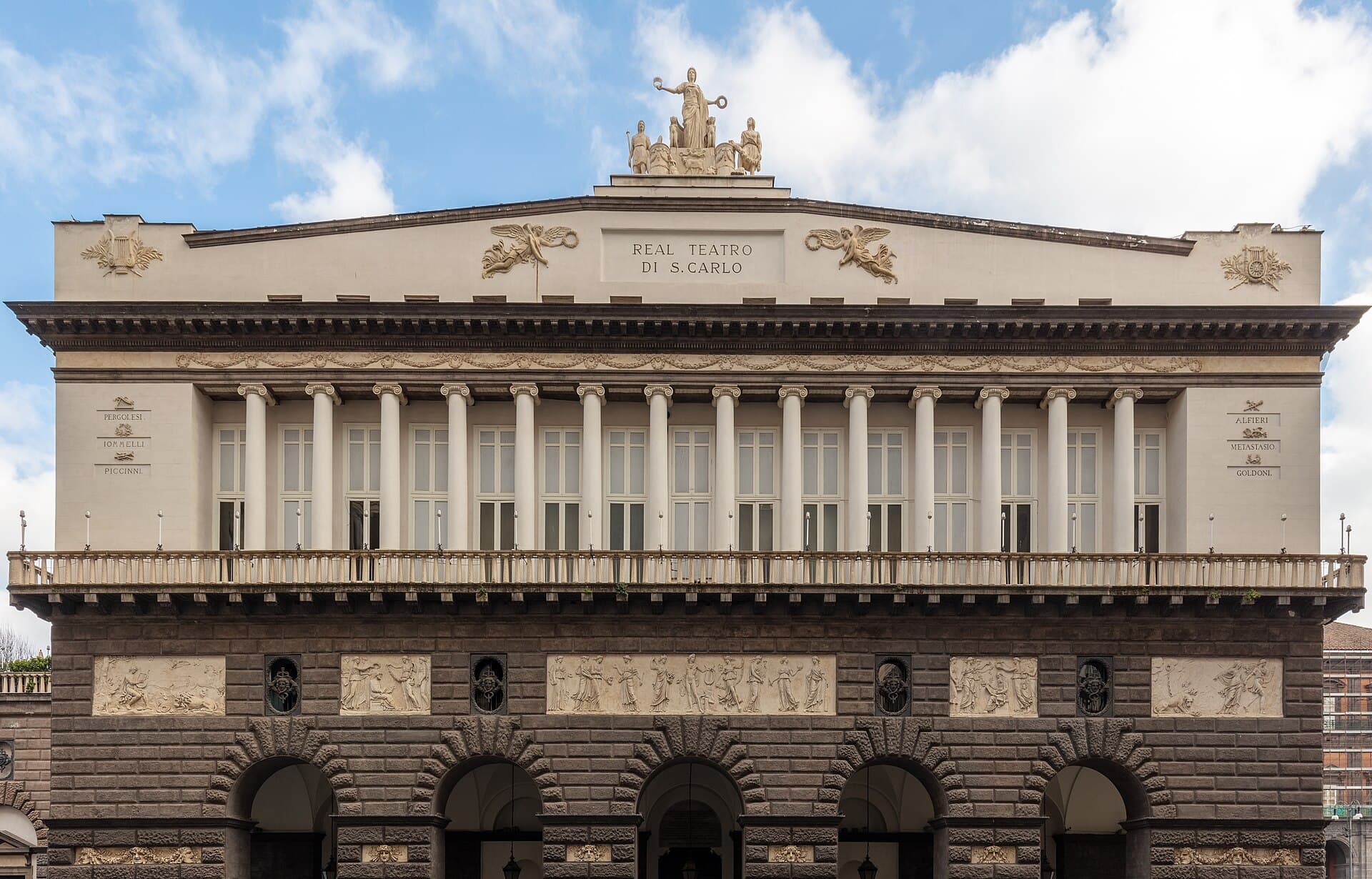 Teatro di San CarloThe San Carlo is the world's oldest working opera house: opened in 1737 — forty 3 minutes walk4.7
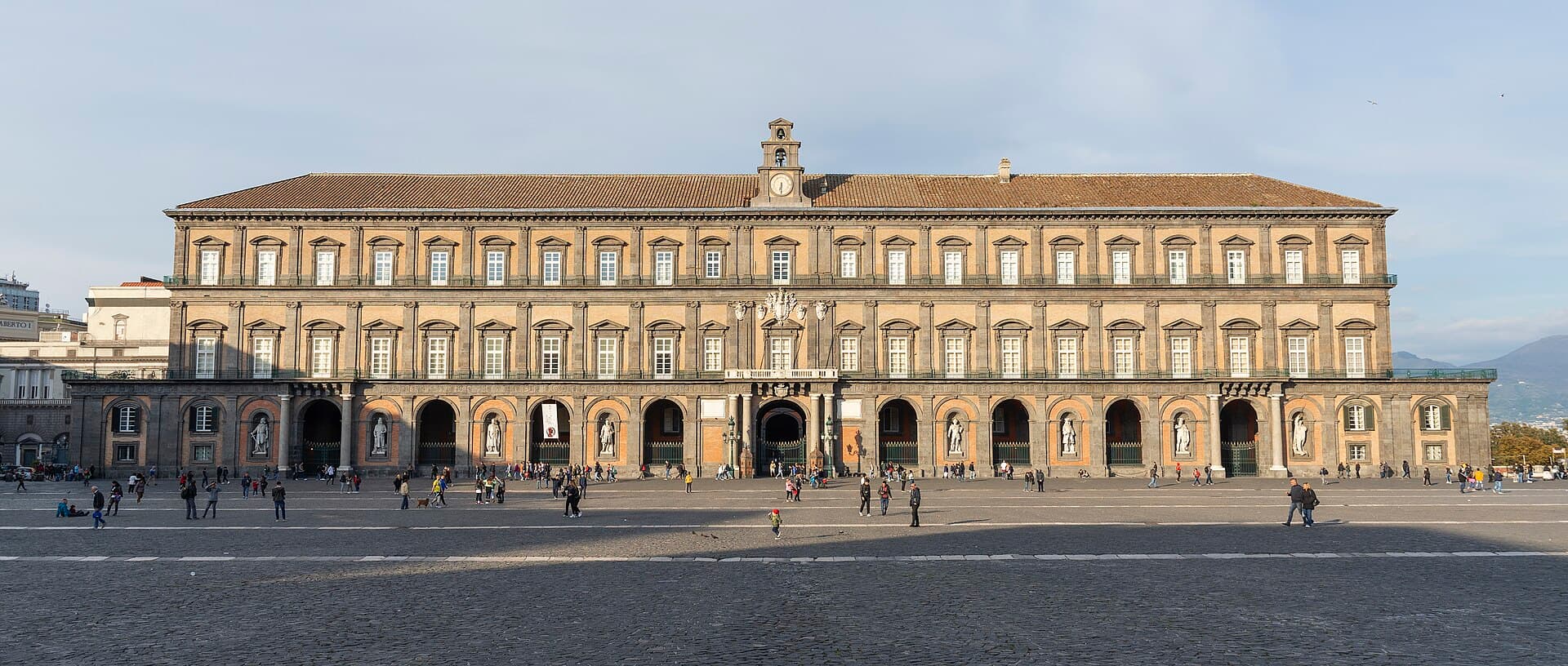 Royal Palace of NaplesThe Royal Palace commands Piazza del Plebiscito and witnessed three centuries of5 minutes walk4.5
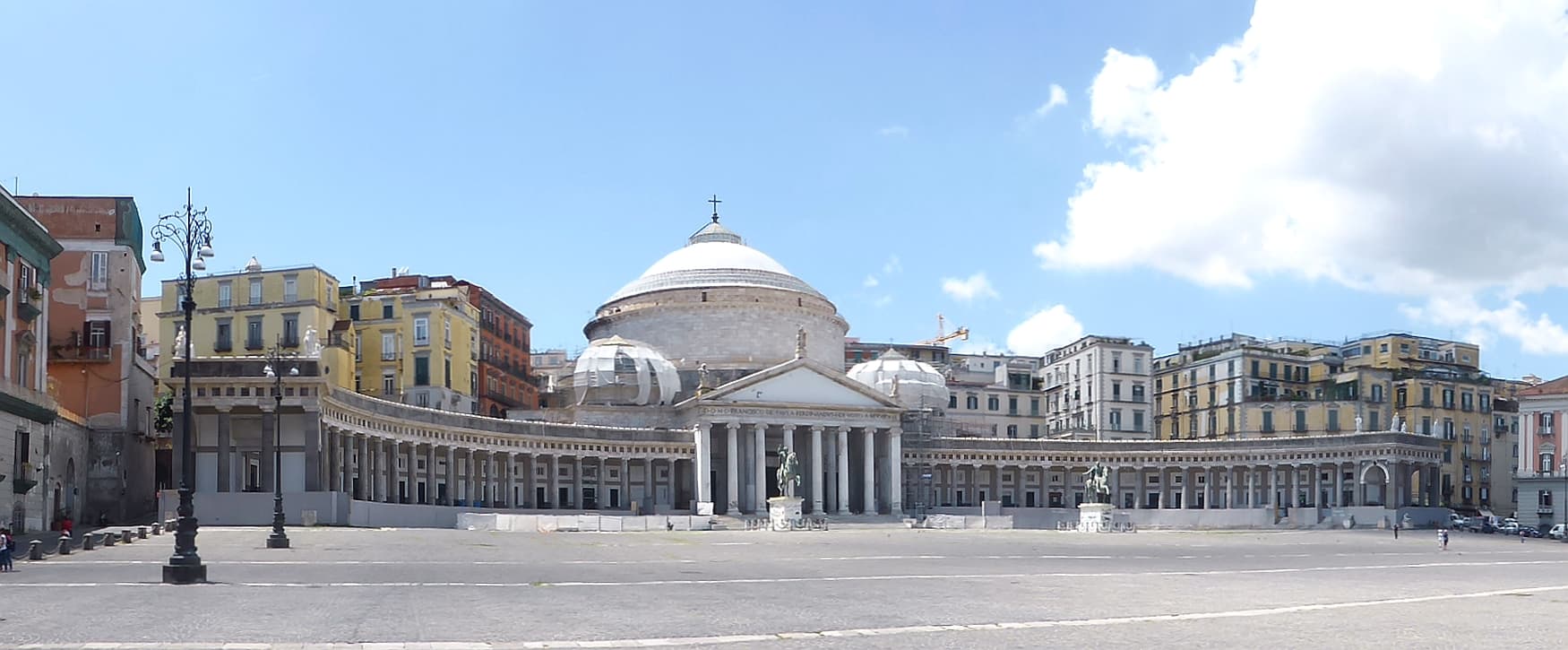 Piazza del PlebiscitoThe Plebiscito is Naples's great square and one of Italy's largest: an open ston5 minutes walk4.6
 Castel Nuovo (Maschio Angioino)Castel Nuovo — the "New Castle", now seven centuries old — is Naples's sea gate 6 minutes walk4.3
If your time in Naples is tight and you only have one Caravaggio slot, spend it at Pio Monte della Misericordia: the 'Seven Works of Mercy' is the greater painting and still hangs in the church it was painted for. But if you have room, come here too. 'Ursula' is the last thing the man painted, and this is the closest, quietest and most comfortable of the three, at the cost of about an hour.
Worth it in a practical sense rather than an entertaining one. There are no interactive screens or children's activities, but the museum is small, air-conditioned and free of punishing stairs, and the visit ends before anyone gets bored. Under-26s enter free, so cutting the tour short costs nothing. The Greek pottery upstairs will lose them quickly; the odd, expressive faces of the Gemito bronzes usually do not.