A quarantine made a resort
Lord Brougham was stranded in Cannes in 1834, built a villa and changed the town.
Public domain · Public domain · Public domain · Public domain
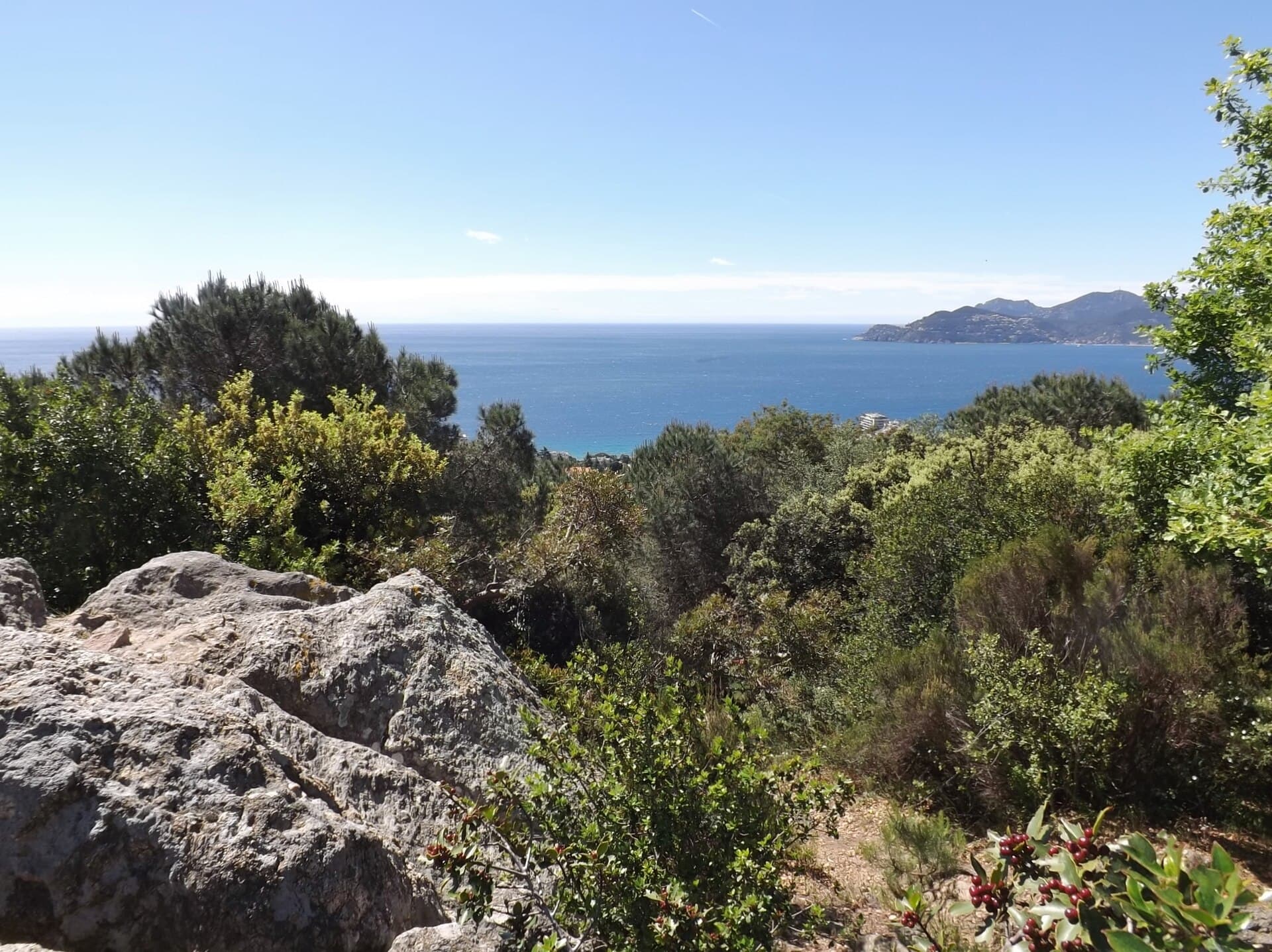
A nineteenth-century château on the Croix des Gardes hill west of Cannes, within a large wooded park overlooking the bay, and among the first grand villas built in the town. The hill's story is the story of Cannes itself. In the 1830s the British Lord Brougham stopped at Cannes because a quarantine barred him from entering Italy, liked the place, built a villa and returned every winter. Other British aristocrats followed, and within decades these hills filled with villas and the fishing village became an international winter resort. The park today is a wide public space with walking paths among pines and mimosa, and views over Cannes, the Lérins islands and the sea. The mimosa flowers yellow in winter and is one of the region's seasonal sights. Practical points: the park and paths are free and open. The château itself is private property and cannot be visited — do not approach its buildings. Access is easiest by car, or by bus then a climb.
Lord Brougham was stranded in Cannes in 1834, built a villa and changed the town.
Cannes, the Lérins islands and the sea from the hill paths.
Open woodland for walking, free, away from the crowded seafront.
Croix des Gardes hill, west Cannes
No. The building is private property with no tours. The surrounding park is public, open and free, and is what you actually come for — the paths and the view. Stay on the public paths and do not approach the private buildings.
Winter and early spring when the mimosa flowers yellow, a season this area is specifically known for. Summer is hot and the paths are partly exposed. Autumn is also good, with mild temperatures and fewer people.