
February mimosa
The slopes turn entirely yellow in flower — the best season to walk here.
Florian Pépellin — CC BY-SA 3.0 · Kazimierz Mendlik — CC BY-SA 3.0 · Kazimierz Mendlik — CC BY-SA 3.0 · Kazimierz Mendlik — CC BY-SA 3.0
A wooded hill west of Cannes overlooking the town and the sea, a nature reserve and a free walking area. This is the other Cannes: no Croisette, no festival, no yachts, but pine and mimosa woods, dirt paths and silence. The irony is that this area is the origin of modern Cannes — in the nineteenth century the English and Russians built their villas on these slopes, and they are who turned a fishing village into a resort. The view from the top takes in the bay of Cannes, the Lérins islands and the Cap d'Antibes, and on clear days the Alps rising over the sea to the east. In February the mimosa flowers yellow and covers the whole slope, and that is the best period to walk here. The paths are signed and vary in difficulty, some climbing steeply. There are no facilities to speak of: take water and proper shoes. Free and always open, it is the best free thing to do in Cannes.
The slopes turn entirely yellow in flower — the best season to walk here.
Nineteenth-century villas on these slopes turned a fishing village into a resort.
The view takes in the Lérins islands, Cap d'Antibes and the Alps on clear days.
West of Cannes, above the sea
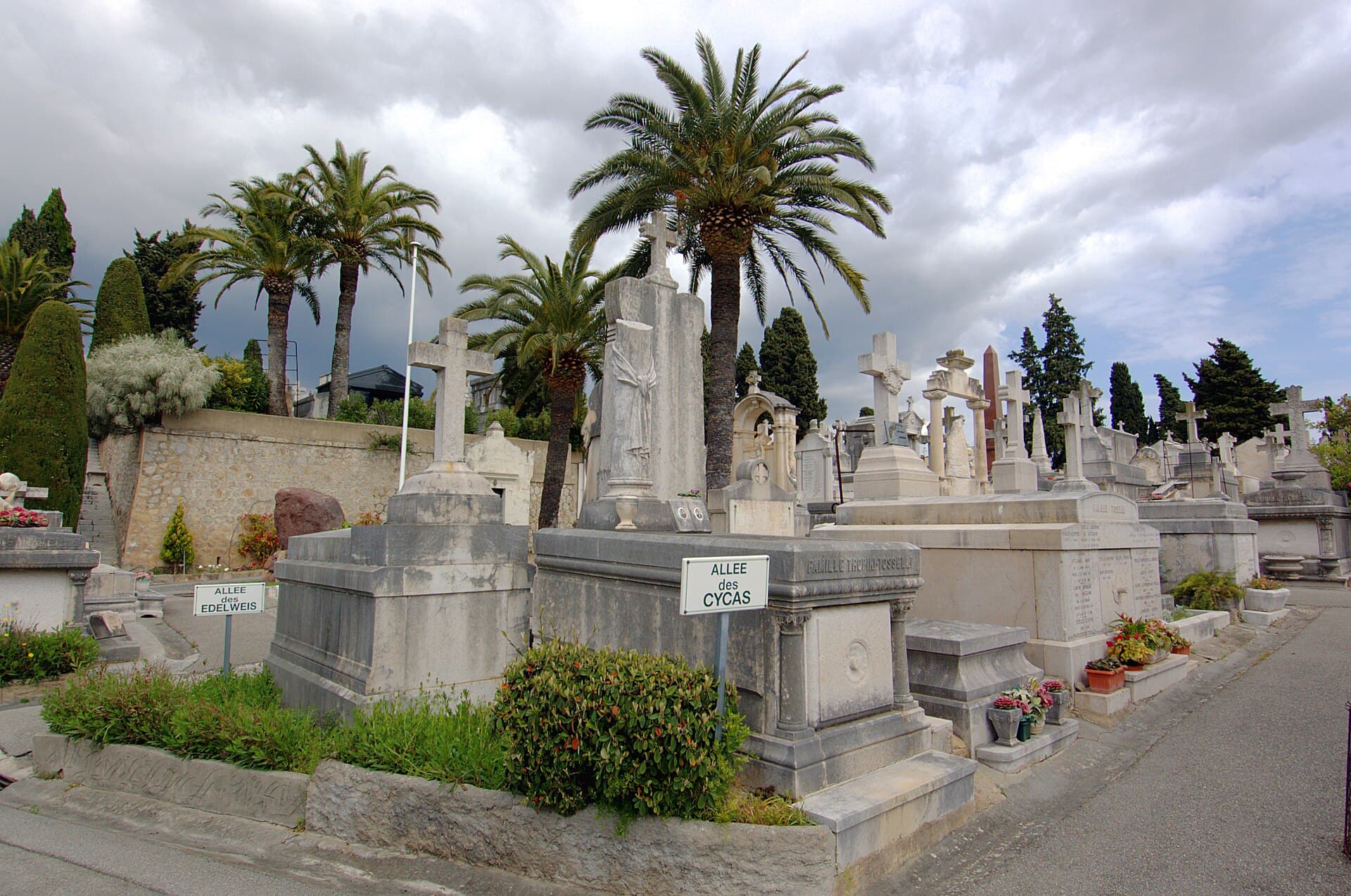 Grand Jas CemeteryThe Grand Jas cemetery is not a conventional sight, but it is one of the quietes5 minutes walk4.6
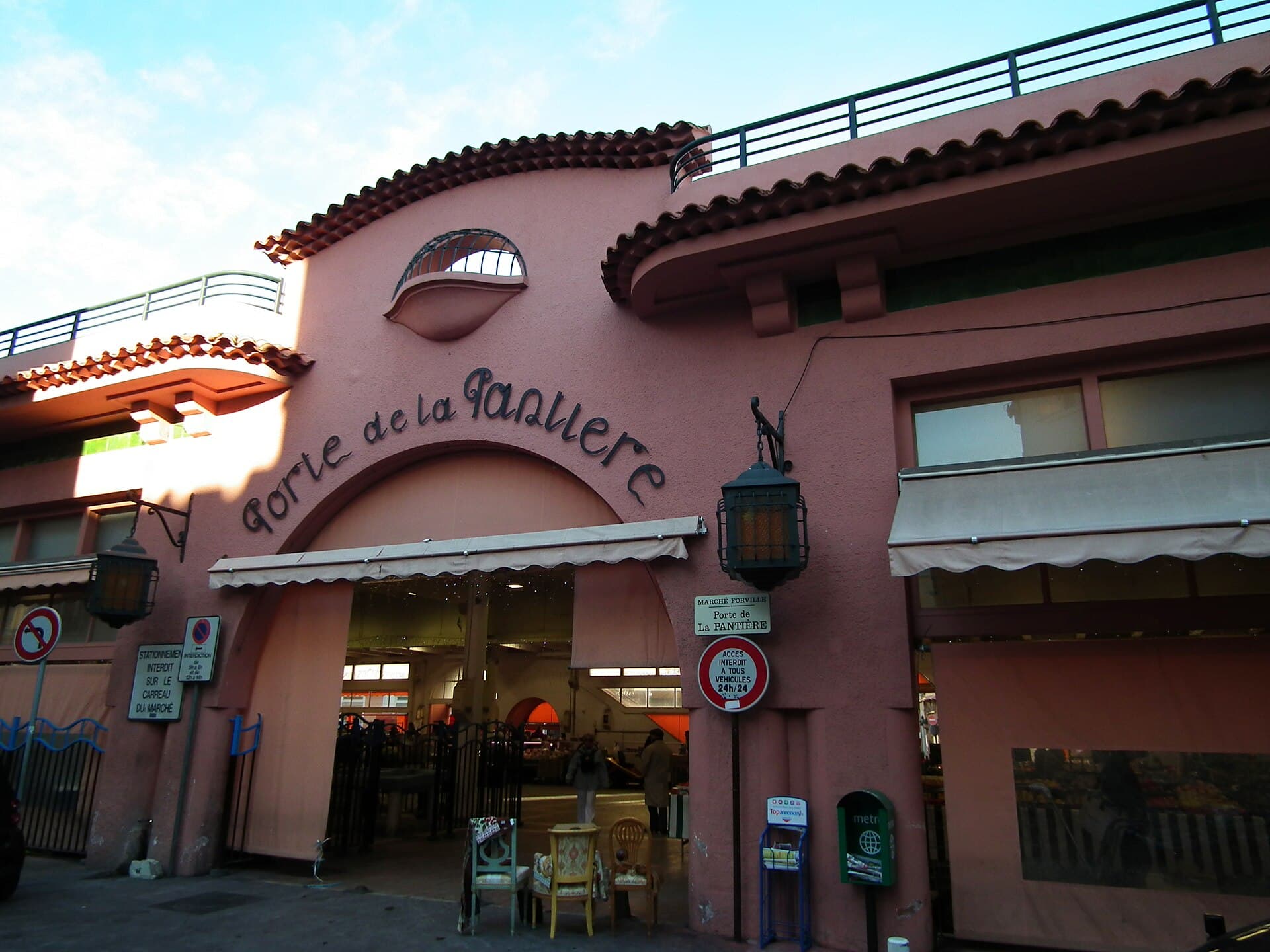 Marché ForvilleThe Marché Forville is Cannes's real kitchen and its most honest place: a covere14 minutes walk4.5
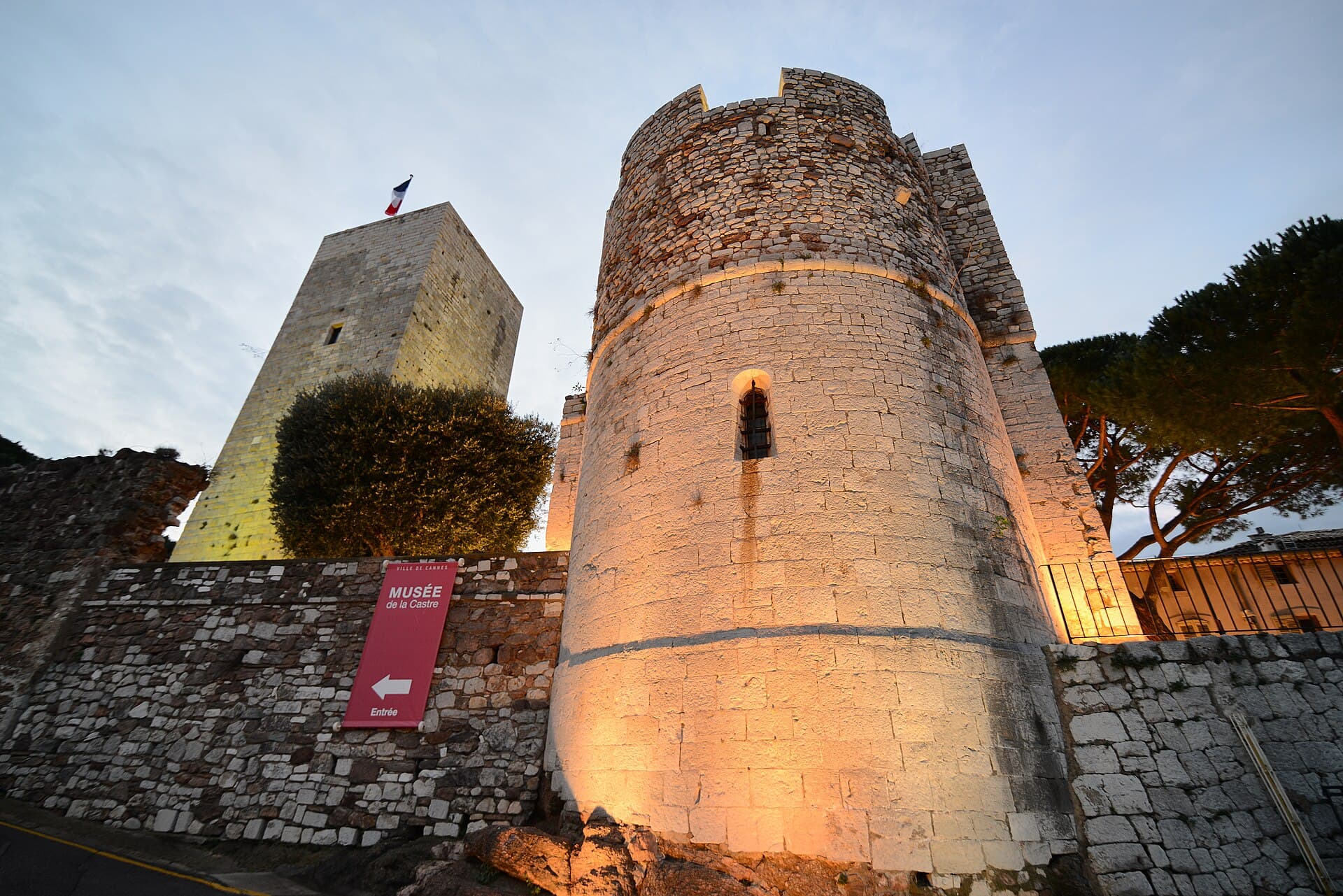 Musée des Explorations du MondeAbove the old Suquet quarter — the original Cannes before the stars — stands the14 minutes walk4.3
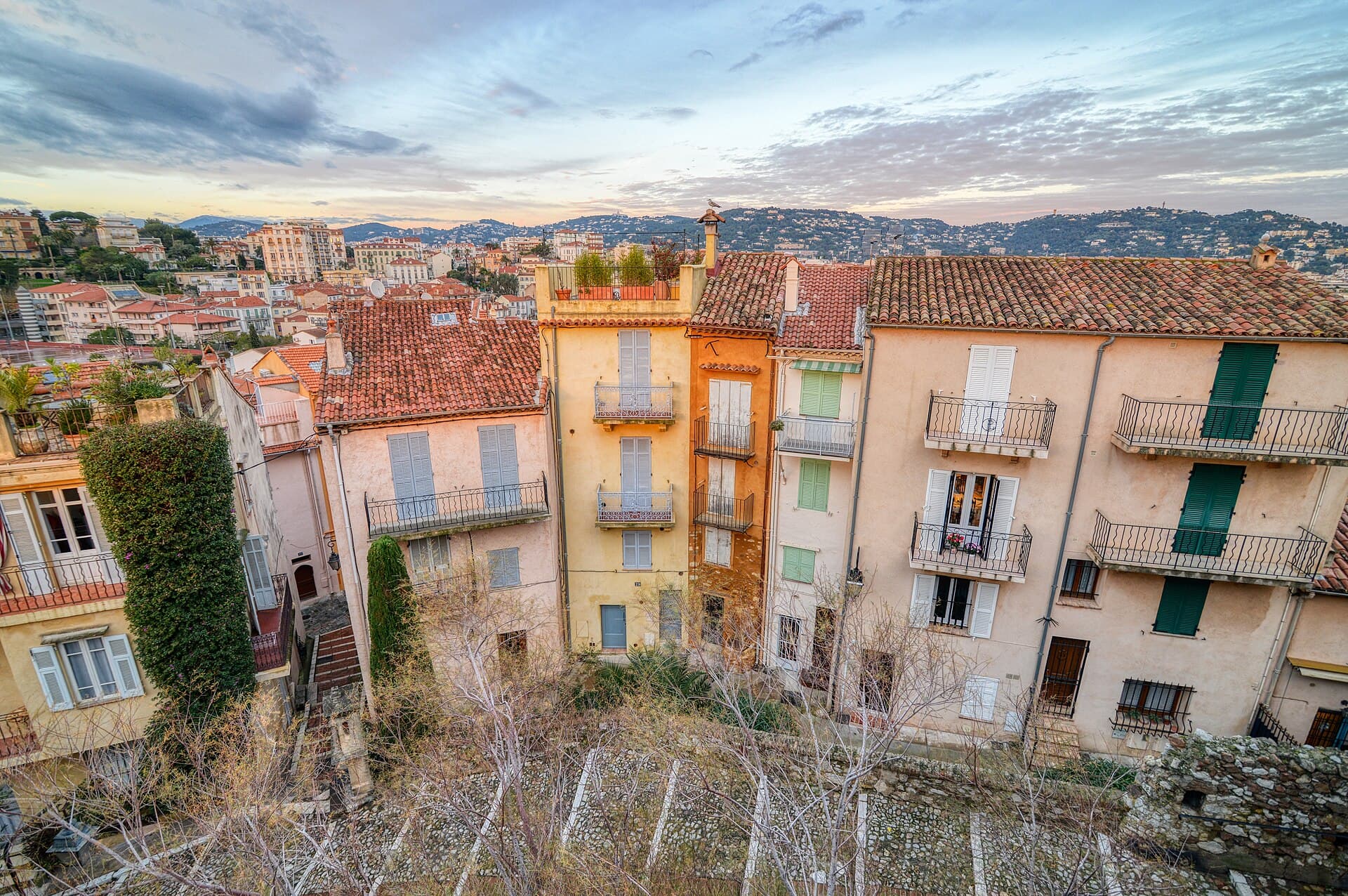 Le Suquet Old QuarterLe Suquet is the hill Cannes was born on: the only old quarter left from the tow15 minutes walk4.9
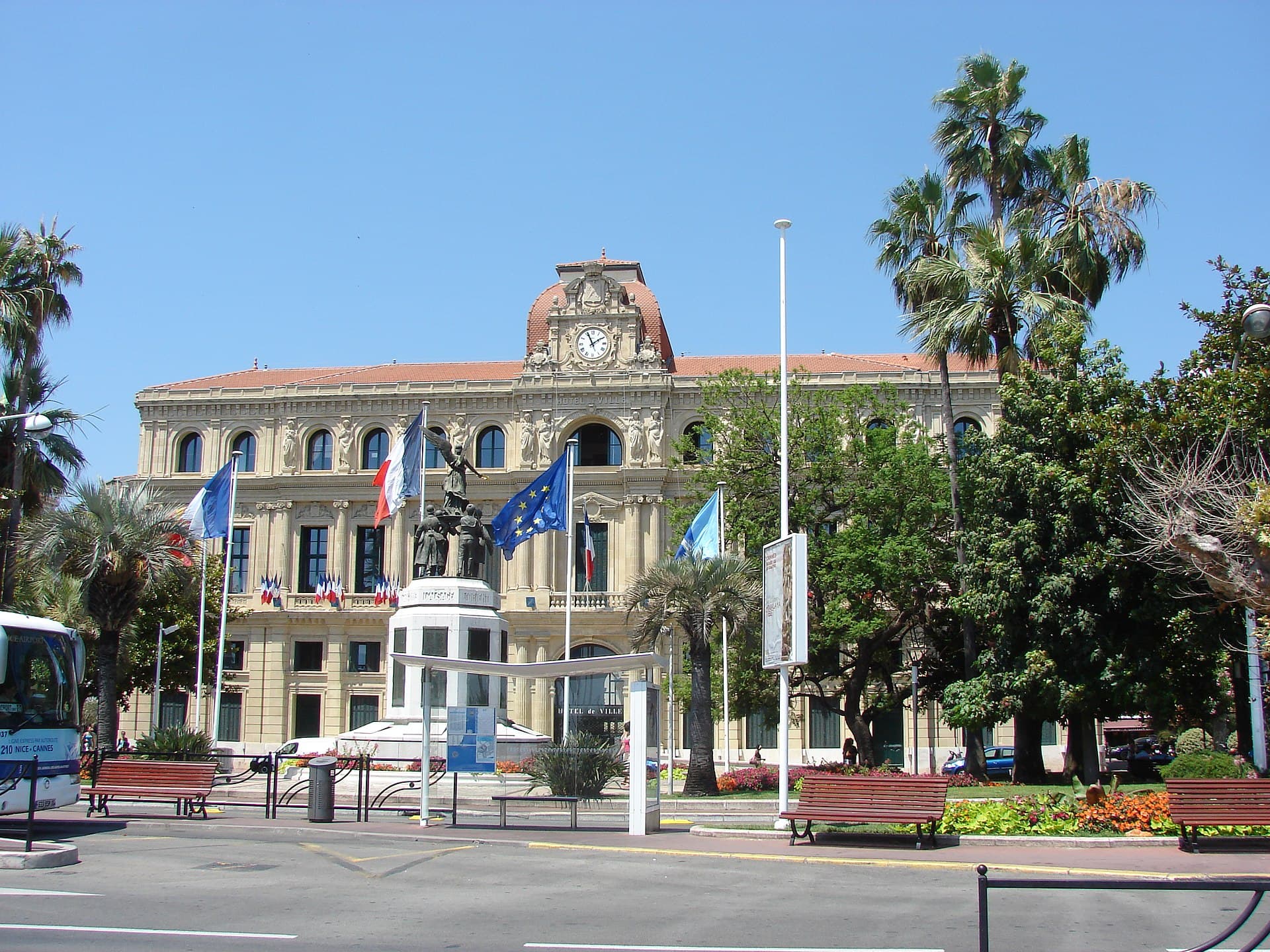 Cannes City HallCannes's city hall on the old port frontage, dating from the end of the nineteen15 minutes walk3.5
Some paths yes and some no. There are shorter, relatively made-up paths near the entrances and steeper rough ones needing fitness. Choose by your children's ages, and take enough water, as parts of the slopes are exposed to the sun.
The Croisette and the seafront walk are free, and climbing Le Suquet — the old town above the harbour — gives an excellent view over the bay with no car needed. The Lérins islands are reached by boat from the port and are the best day trip from Cannes.