
The Russian tombs
Orthodox domes among the cypresses above the bay.
ACOR Cannes — CC BY-SA 3.0 · Seauton — CC BY 4.0 · Seauton, 14 April 2026 — CC BY 4.0 · ManoSolo13241324 — CC BY-SA 4.0
The Grand Jas cemetery is not a conventional sight, but it is one of the quietest places in Cannes and one of the most revealing about its history: a terraced burial ground on a hillside since 1866, planted with cypress, pine and palm, its terraces climbing to a view over the bay. Its story is Cannes's own: when the town became the winter resort of the European aristocracy in the nineteenth century, many came **ill with tuberculosis**, seeking warm air — and those who died were buried here. So the cemetery is full of grand **English, Russian and Scandinavian** tombs with European names and titles, some under Orthodox domes — the trace of an entire community that lived and died far from home. It also holds the grave of the French writer **Prosper Mérimée** — author of *Carmen*, on which Bizet built his opera — who died in Cannes in 1870. A silent, shaded place for walking and reading headstones, ten minutes from the Croisette's noise — and not for every visitor.
Orthodox domes among the cypresses above the bay.
The author of Carmen, who died in Cannes in 1870.
Chemin du Grand Jas, 06400 Cannes
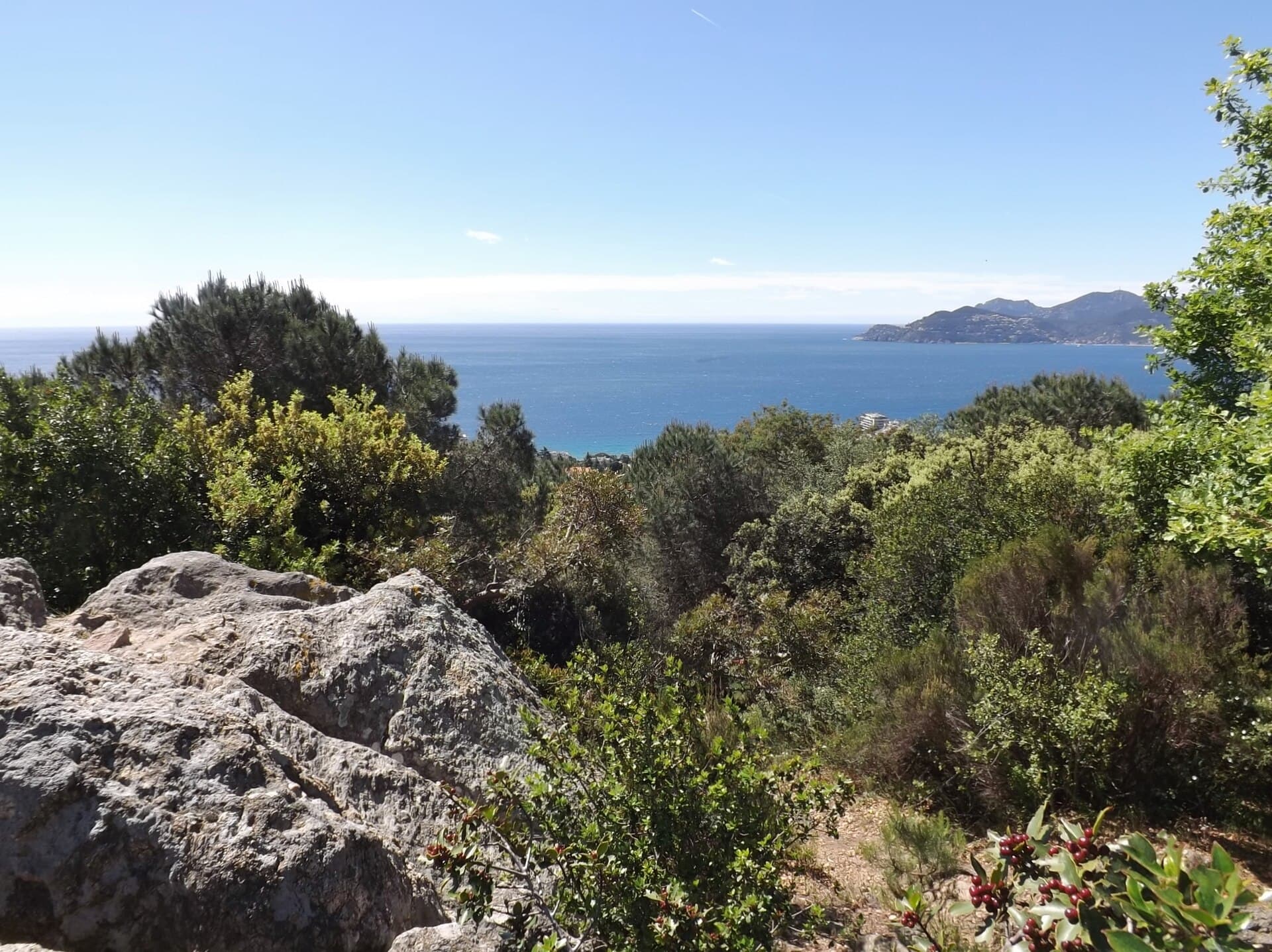 Croix des GardesA wooded hill west of Cannes overlooking the town and the sea, a nature reserve 5 minutes walk4.8
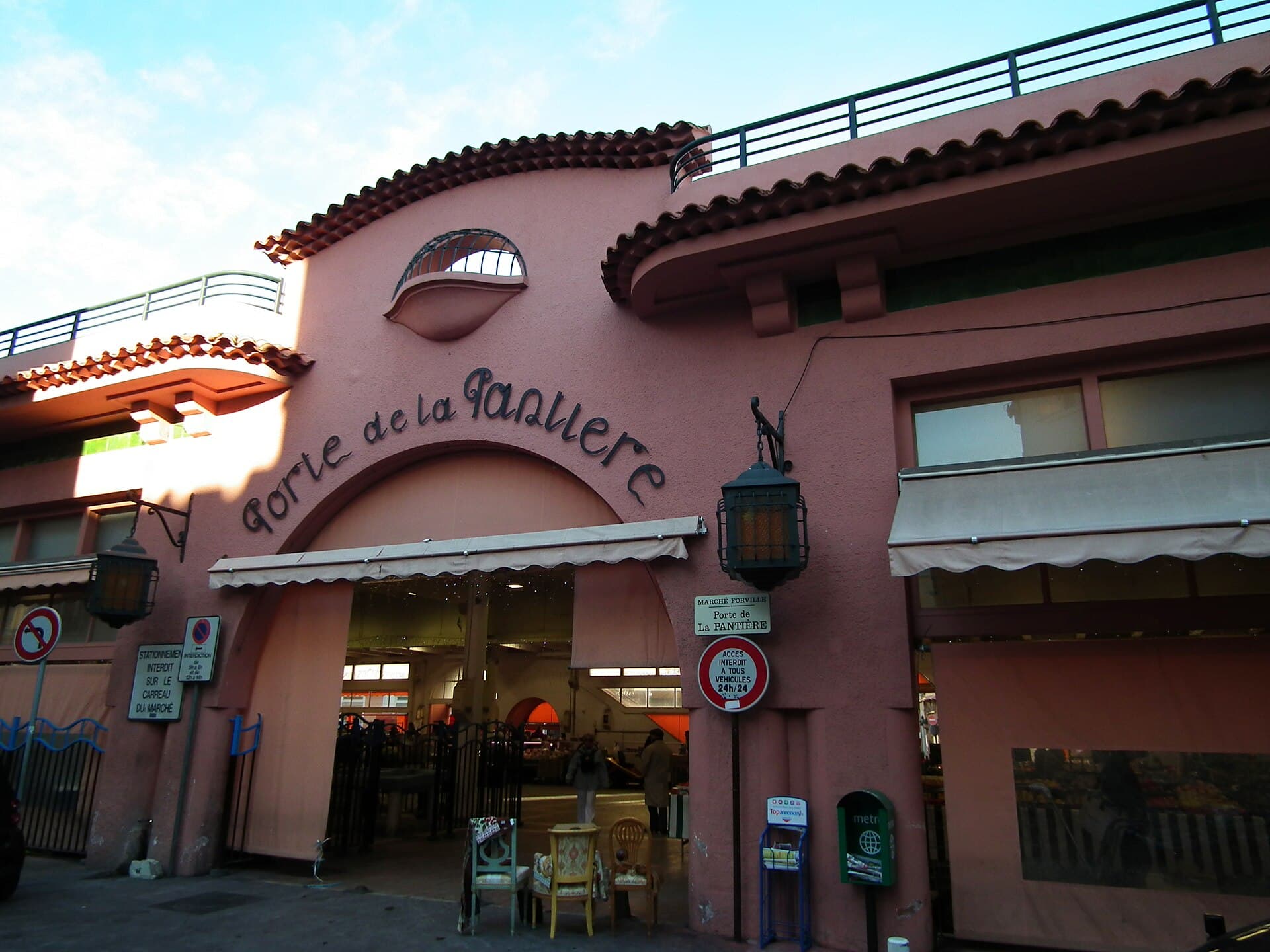 Marché ForvilleThe Marché Forville is Cannes's real kitchen and its most honest place: a covere12 minutes walk4.5
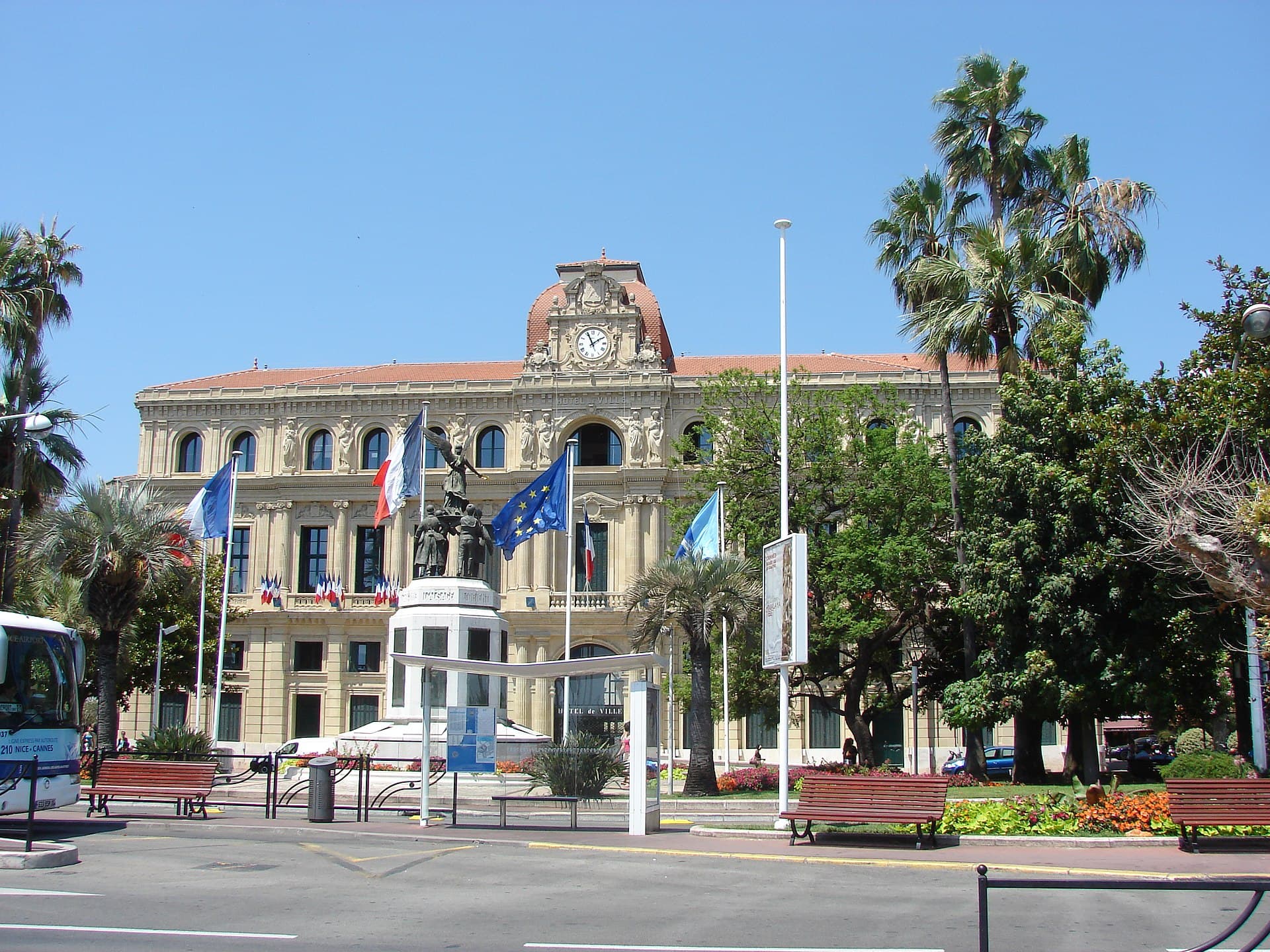 Cannes City HallCannes's city hall on the old port frontage, dating from the end of the nineteen13 minutes walk3.5
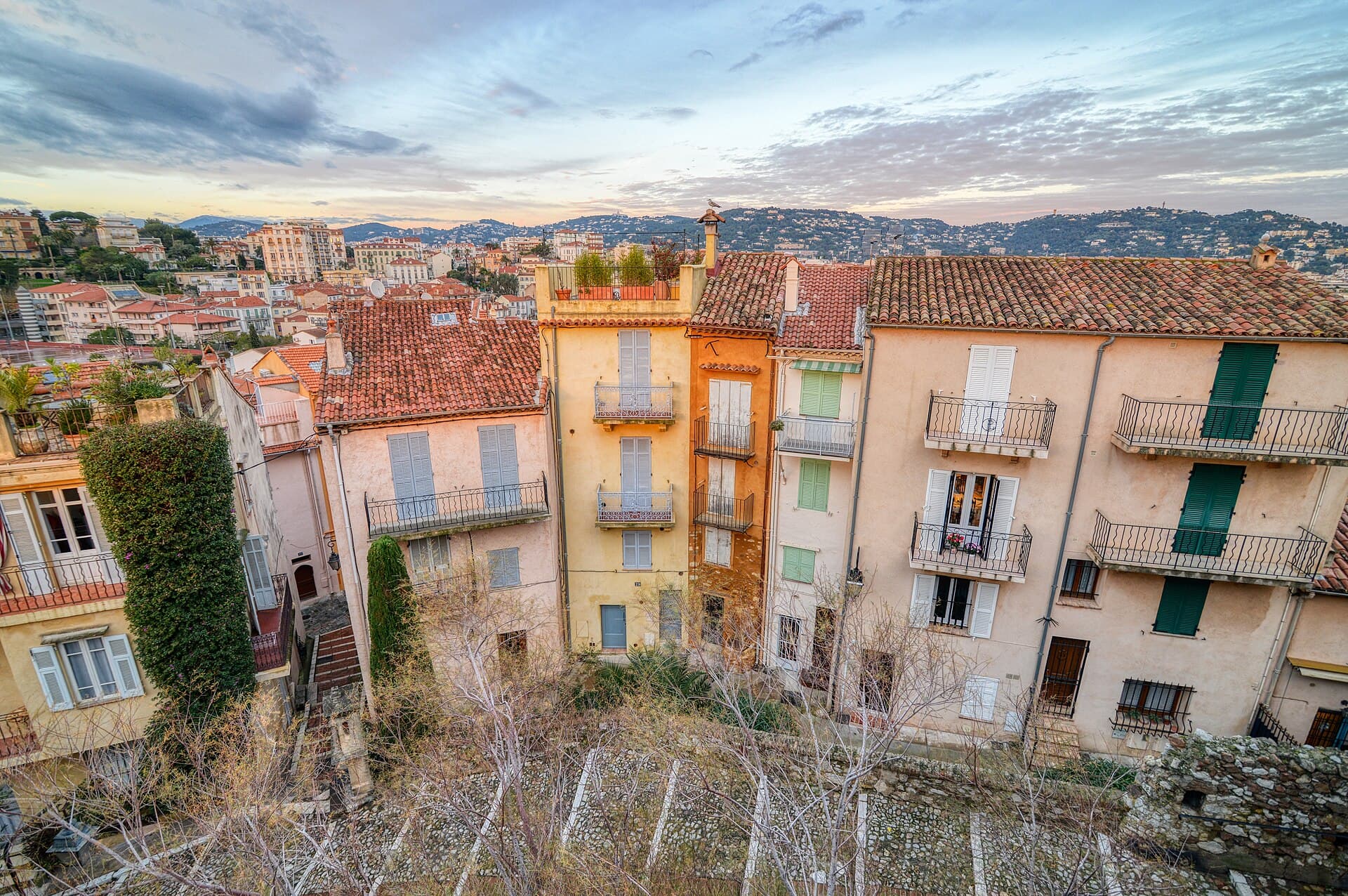 Le Suquet Old QuarterLe Suquet is the hill Cannes was born on: the only old quarter left from the tow14 minutes walk4.9
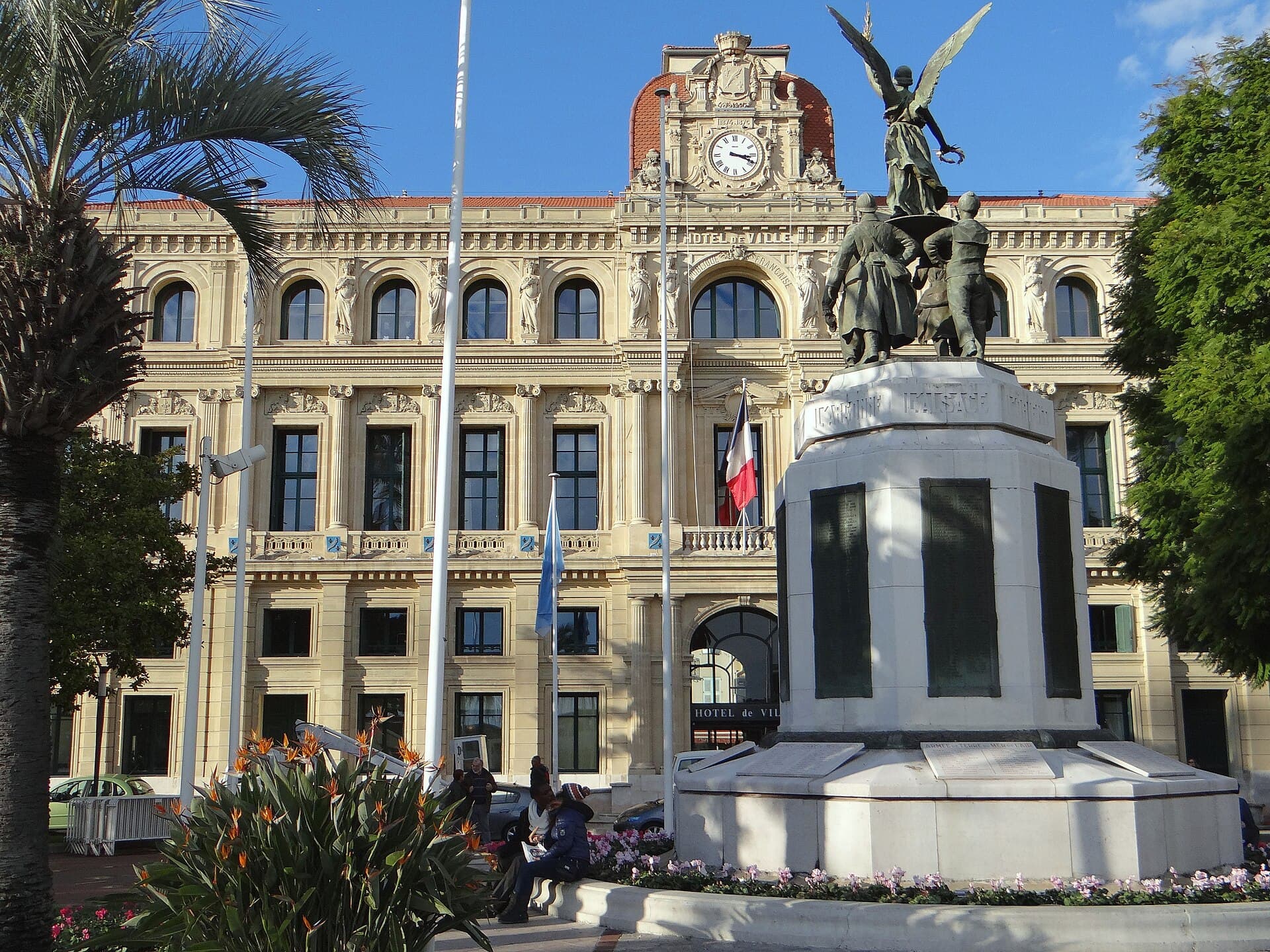 Cannes War MemorialA memorial to the men of Cannes killed in the First World War, near the old port14 minutes walk4.8
Because in the nineteenth century the Riviera was **a medical prescription**: doctors sent tuberculosis patients from England, Russia and northern Europe to the warm Mediterranean winter in search of a cure. Thousands came with their families and built the villas and the churches — and those who were not cured were buried here. The cemetery is the clearest witness to that era: names, titles and languages from half of Europe on a single hillside above the sea.