
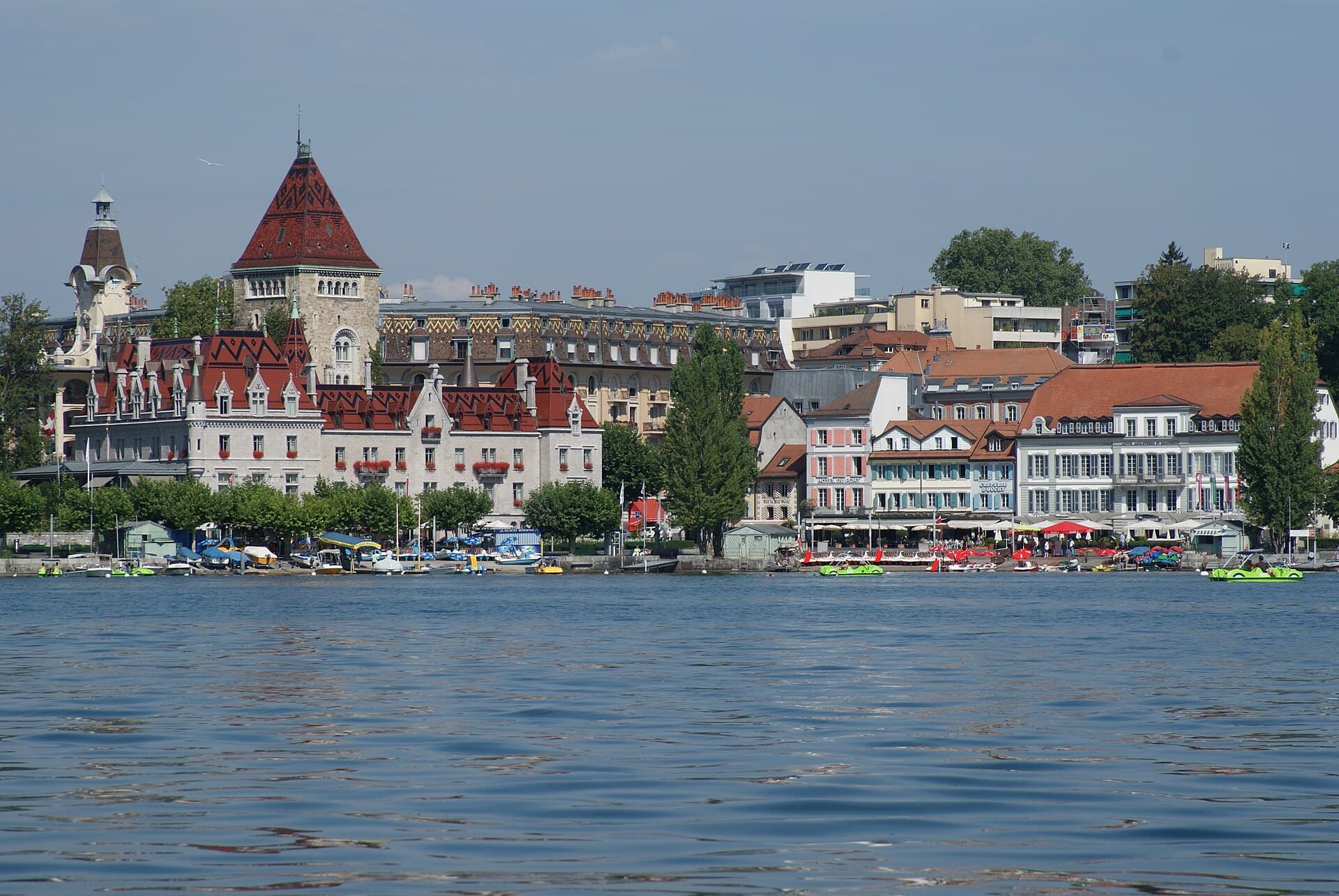
The medieval tower
The remnant of the bishops' twelfth-century fortress.
Norbert Aepli, Switzerland (User:Noebu) — CC BY 3.0 · Guilhem Vellut from Annecy, France — CC BY 2.0 · Guilhem Vellut from Annecy, France — CC BY 2.0 · Guilhem Vellut from Annecy, France — CC BY 2.0
The Château d'Ouchy is a stone building with a square tower standing directly on the lakeshore at the Ouchy quay, and it looks like a medieval castle — the truth is layered: **the tower alone** is original, twelfth-century, the remnant of the fortress of the bishops of Lausanne that guarded the harbour. The building around it was rebuilt in 1893 in neo-Gothic style to become a **hotel**. And a hotel it remains — not a museum, and not a monument you tour inside. But its position and façade make it one of the most photographed buildings in Lausanne, standing at the centre of the Ouchy scene: the quay, the steamboats, the promenade and the palms around it. It carries historical weight too: the **Treaty of Ouchy** was signed in this building in 1912, ending the Italo-Ottoman war and handing Libya to Italy — a pivotal moment in the modern history of the Arab world. Pause a few minutes for the photograph and the commemorative plaque as you walk the quay.
The remnant of the bishops' twelfth-century fortress.
Where Libya passed to Italy after the Ottoman war.
Place du Port 2, 1006 Lausanne
 Ouchy and the LakefrontOuchy is the quarter on the shore of Lake Geneva below Lausanne, the city's wate1 minute walk4.9
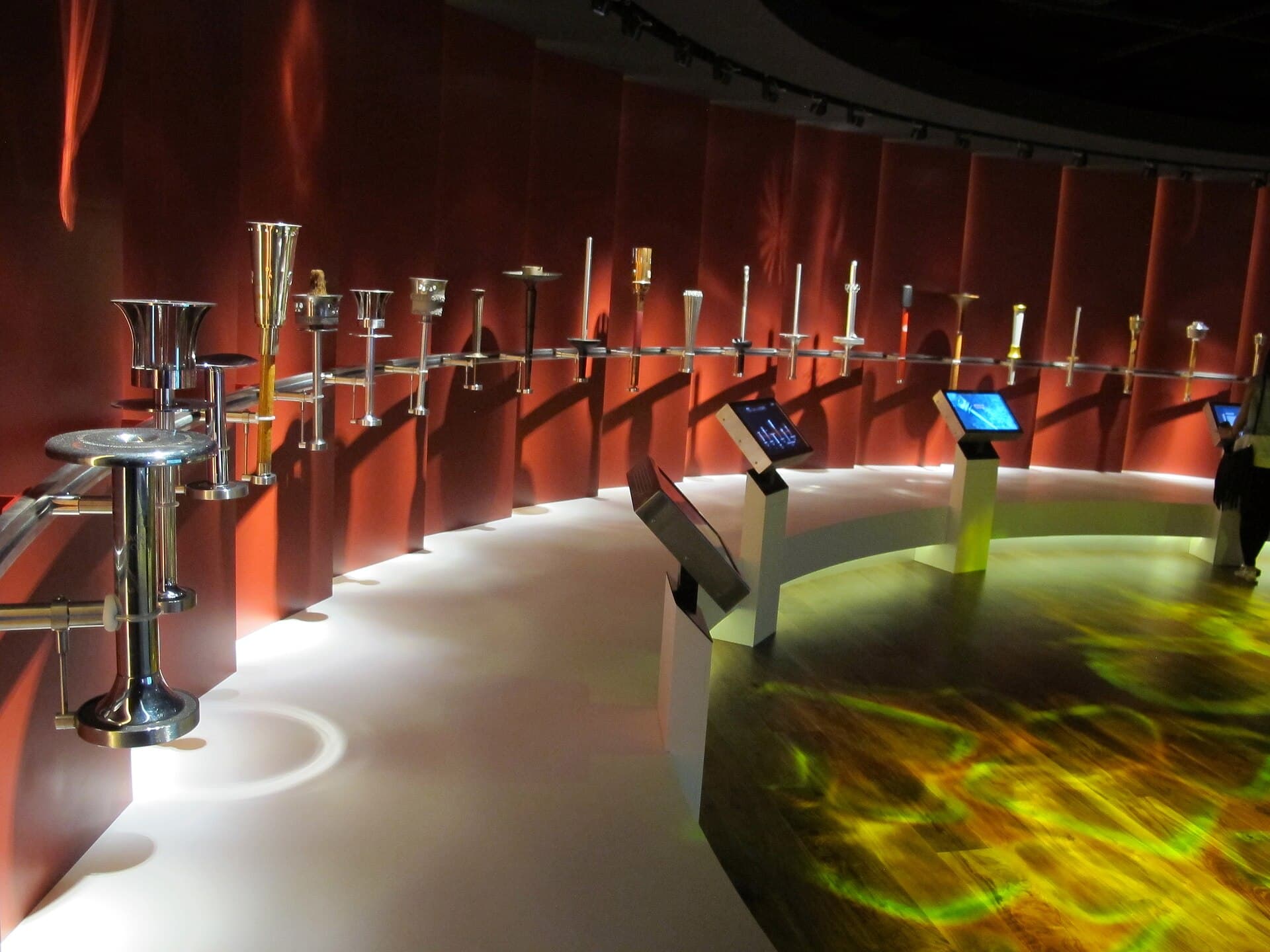 The Olympic MuseumThe Olympic Museum is the official museum of the Olympic movement, standing in a7 minutes walk4.5
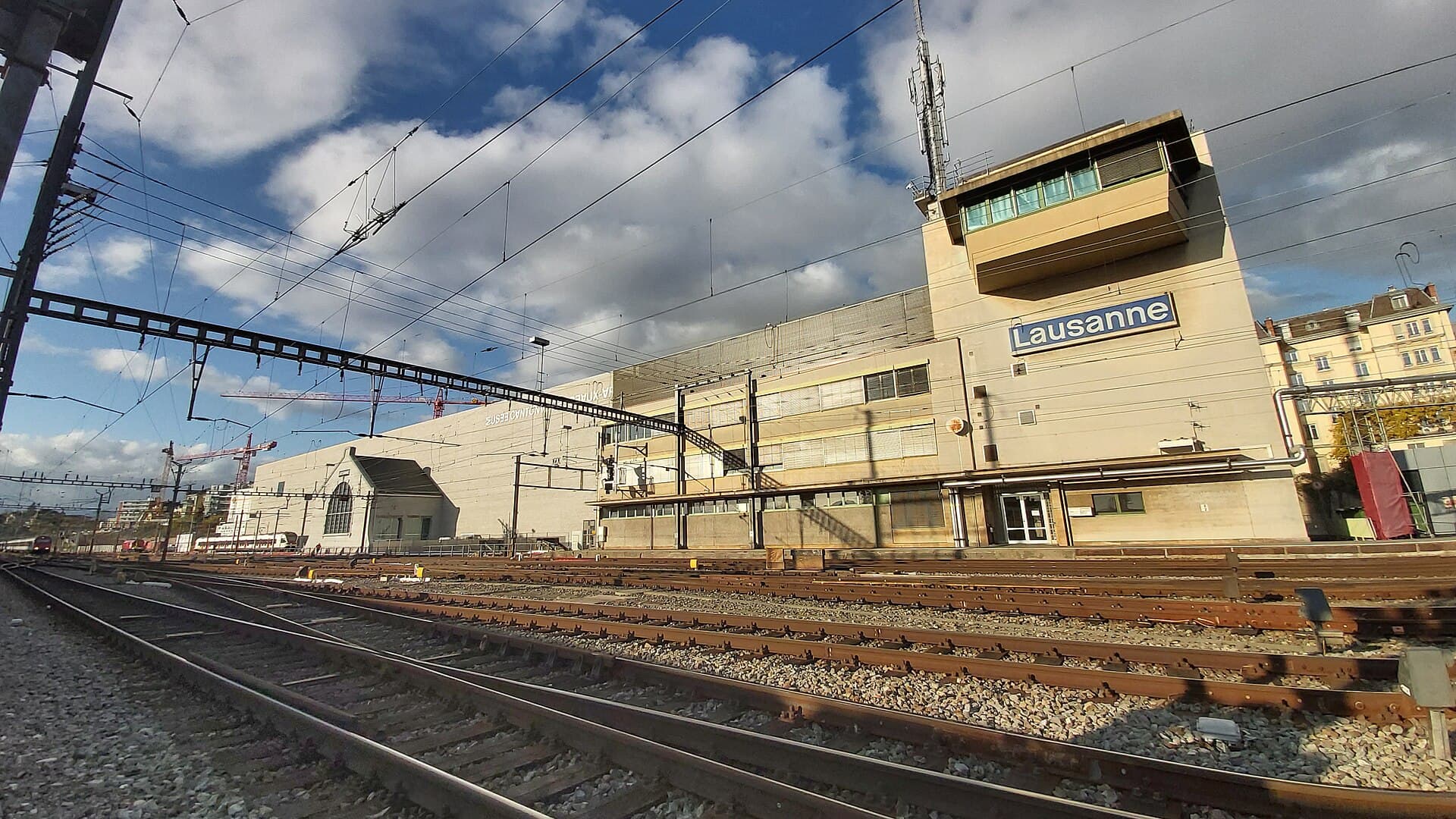 Plateforme 10 (the Arts District)Plateforme 10 is Lausanne's new arts district and the most significant recent cu16 minutes walk4.4
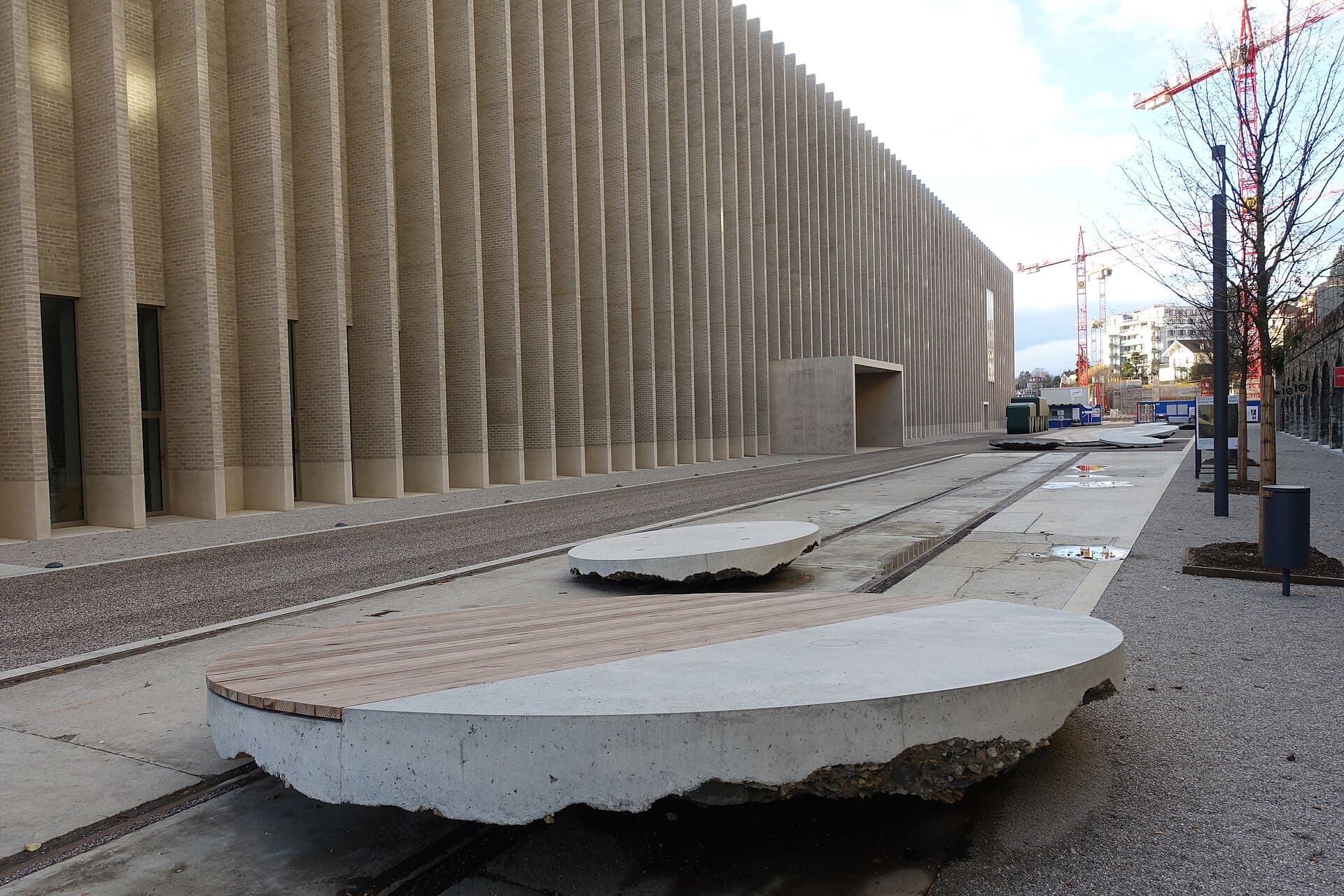 Cantonal Museum of Fine Arts (MCBA)The Cantonal Museum of Fine Arts (MCBA) is the principal art museum of Lausanne 16 minutes walk4.6
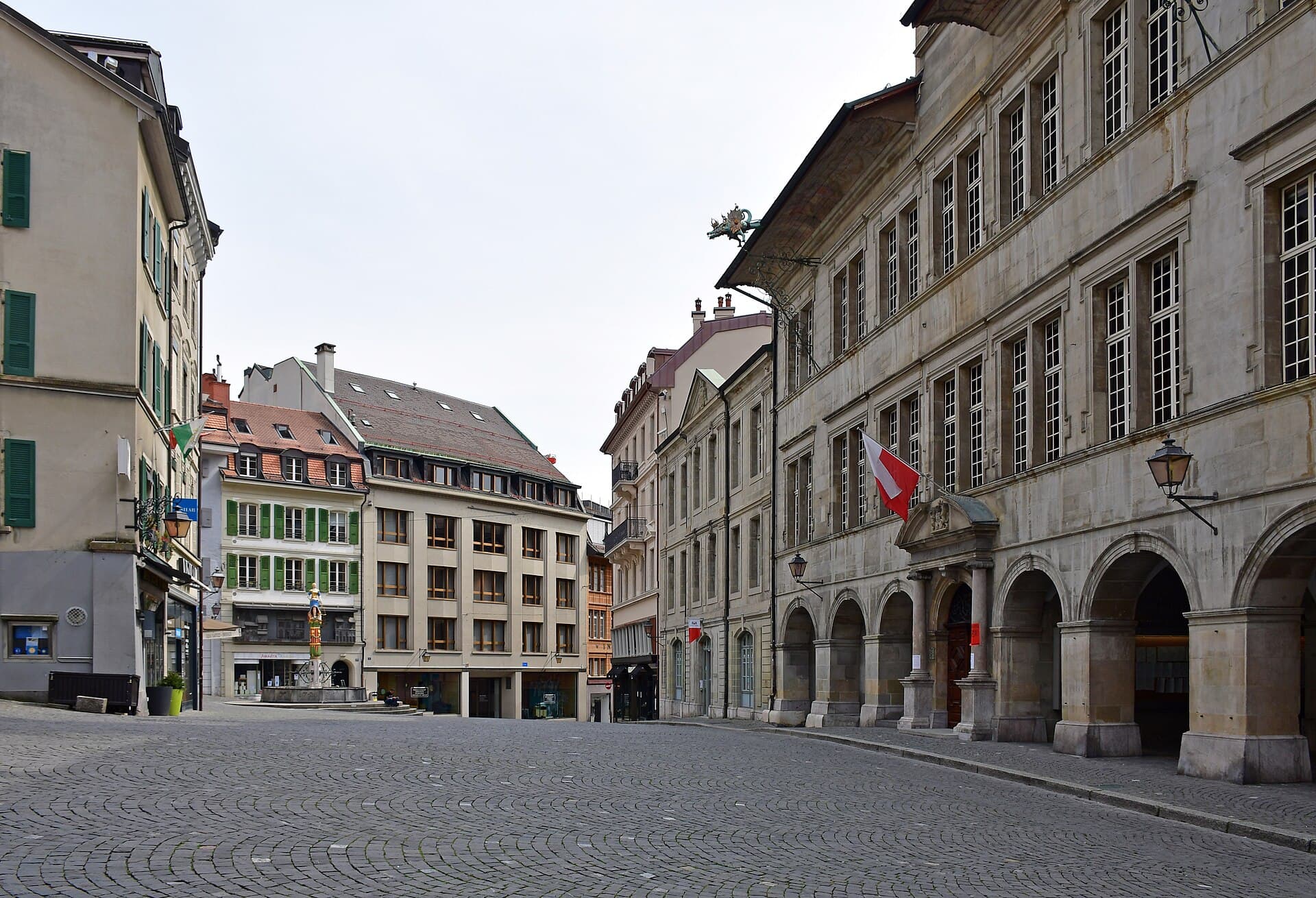 Place de la Palud and the Old TownThe Place de la Palud is Lausanne's oldest square and the heart of its old town:19 minutes walk4.5
Signed here in 1912 between the Ottoman Empire and Italy, it ended their war and saw the Ottomans effectively cede **Tripolitania and Cyrenaica** — that is, Libya — to Italy, beginning the Italian colonial period that lasted until the Second World War. An Arab visitor therefore stands before this building with a different feeling from the ordinary tourist, who sees a handsome hotel on the lake.