
Félix Vallotton
The largest gathering of the city's most famous painter.
MHM55 — CC BY-SA 4.0 · Gzzz — CC BY-SA 4.0 · Gzzz — CC BY-SA 4.0 · Paradise Chronicle — CC BY-SA 4.0
The Cantonal Museum of Fine Arts (MCBA) is the principal art museum of Lausanne and the canton of Vaud, and in 2019 it moved from its cramped rooms in the Palais de Rumine into a **new building designed for it** in the Plateforme 10 district — a long grey-brick block with a huge arched window, built by the Barcelona studio **Barozzi Veiga** — the Italian Fabrizio Barozzi and the Spanish Alberto Veiga — on the footprint of the old railway sheds. The collection holds some ten thousand works from the eighteenth century to the present, with a strong Swiss heart: **Félix Vallotton** (a son of Lausanne and a leading painter of the Nabis) in the largest collection of his work, Charles Gleyre, and pieces by Cézanne, Degas, Rodin and Giacometti, alongside contemporary Swiss art. The building itself is half the pleasure: high halls under natural overhead light and generous space that lets the work breathe — the opposite of the old palace's crush. With Photo Elysée and mudac in the same district on a combined ticket.
The largest gathering of the city's most famous painter.
Overhead natural light and space that lets work breathe.
Place de la Gare 16, 1003 Lausanne
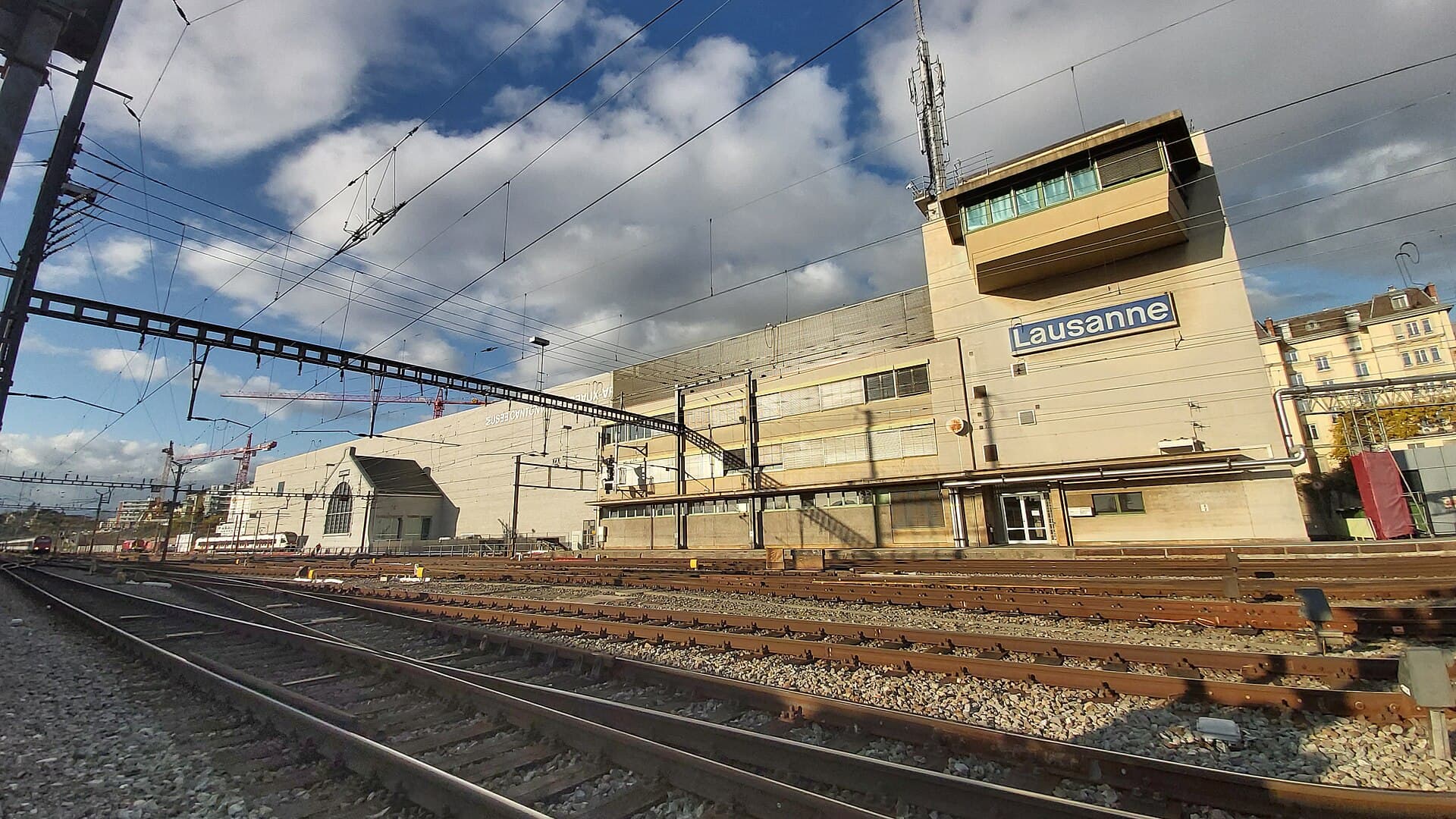 Plateforme 10 (the Arts District)Plateforme 10 is Lausanne's new arts district and the most significant recent cu1 minute walk4.4
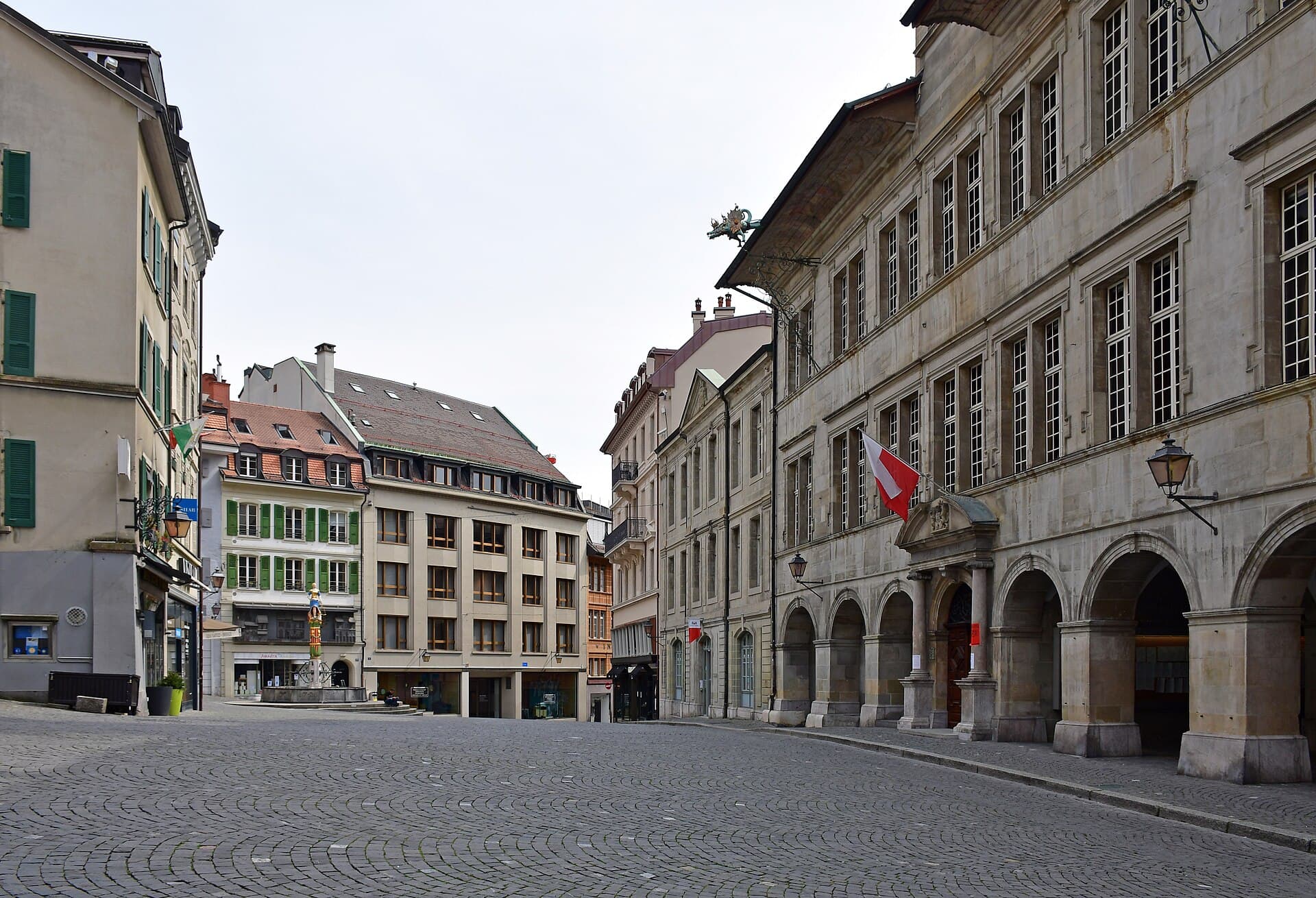 Place de la Palud and the Old TownThe Place de la Palud is Lausanne's oldest square and the heart of its old town:7 minutes walk4.5
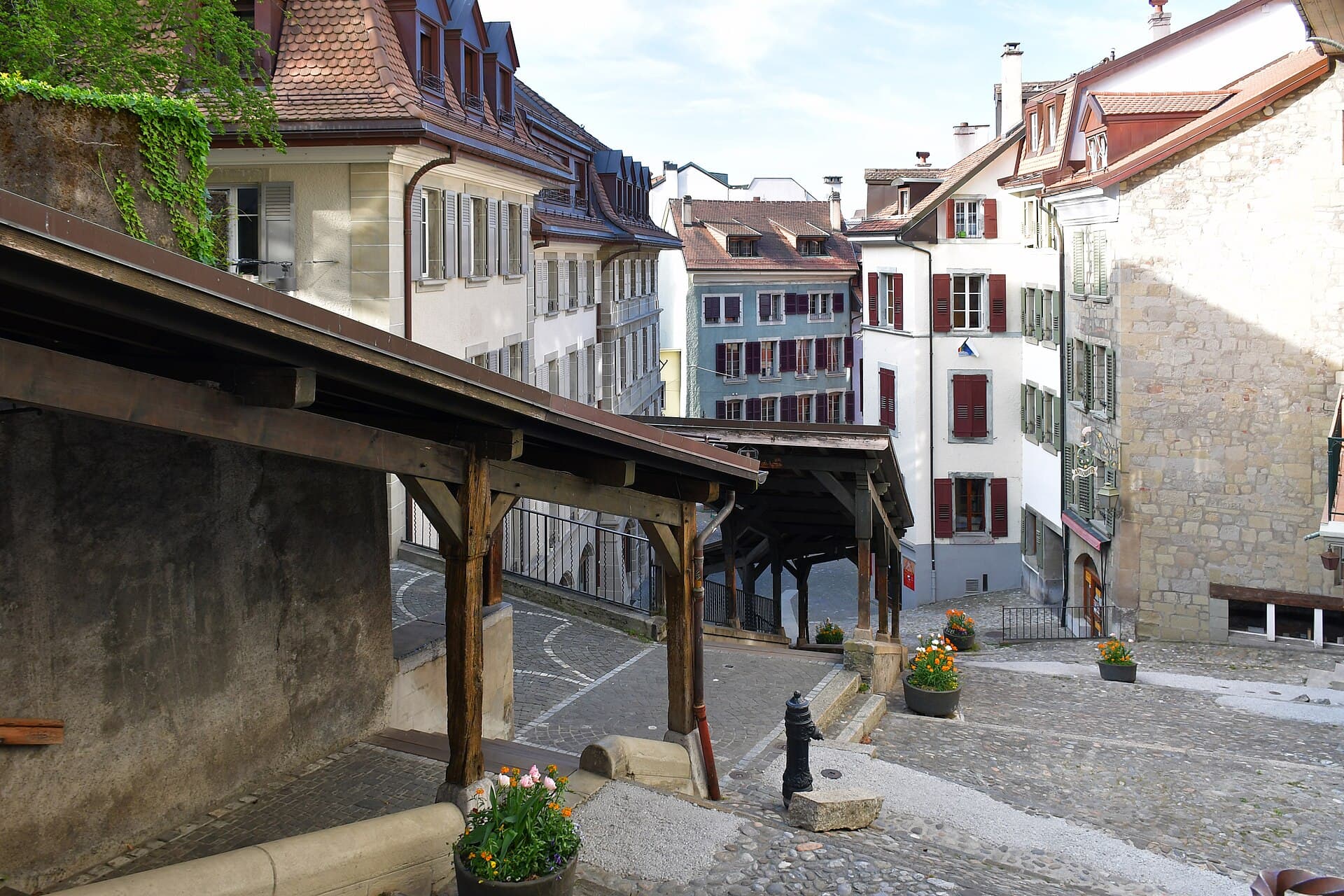 Escaliers du MarchéThe Escaliers du Marché are the covered wooden stairs linking the Place de la Pa10 minutes walk
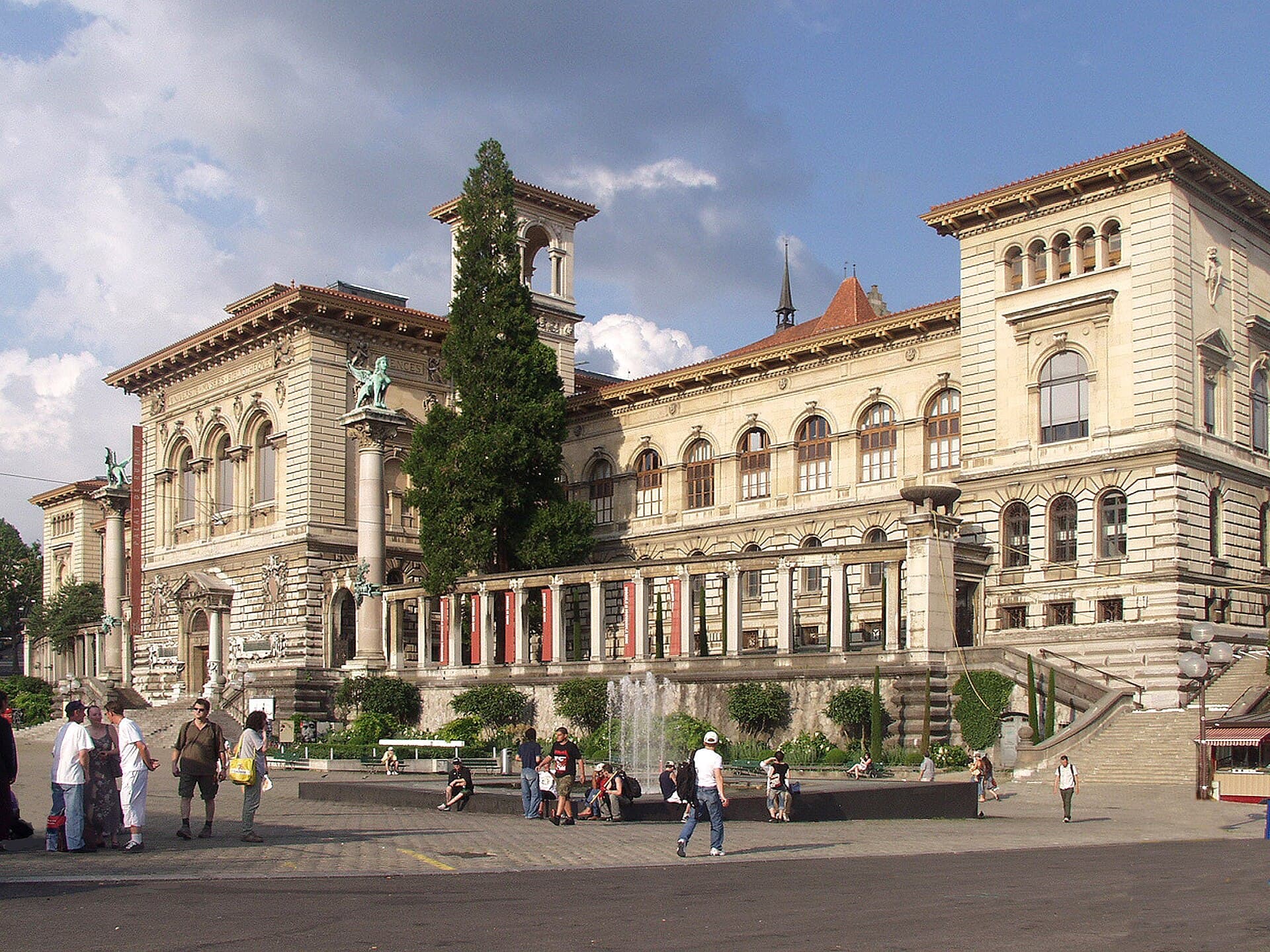 Palais de RumineThe Palais de Rumine is a vast neo-Florentine Renaissance building dominating th11 minutes walk4.7
 Lausanne CathedralThe Cathedral of Notre-Dame in Lausanne is **Switzerland's most important Gothic12 minutes walk4.7
A Swiss painter and printmaker born in Lausanne (1865) who moved to Paris and became a leading member of the Nabis alongside Bonnard and Vuillard. He is known for his stark black-and-white woodcuts of high contrast, and for cool, tense interior paintings that portray the French bourgeoisie with silent irony. His style is distinctive and easy to recognise, and this museum holds the largest collection of it in the world.