
The torches
A torch from every Olympic Games since 1936.
Sailko — CC BY-SA 4.0 · Ank Kumar — CC BY-SA 4.0 · Ank Kumar — CC BY-SA 4.0 · Ank Kumar — CC BY-SA 4.0
The Olympic Museum is the official museum of the Olympic movement, standing in a terraced park that slopes down to Lake Geneva in the Ouchy quarter — and it is the reason Lausanne is called **the Olympic Capital**: Baron Pierre de Coubertin moved the International Olympic Committee's headquarters here in 1915, fleeing the First World War for Swiss neutrality, and it has stayed ever since. The display runs over three floors from the Games' origins in ancient Greece to the present: the **Olympic flame** with replicas of every Games' torch, medals, kit and athletes' equipment, screens showing sport's most famous moments, and objects worn by figures the world recognises. An interactive section lets you measure your own speed and balance against the champions'. The outdoor park is **entirely free**, full of sculpture, with a short running track and a superb view over the lake to the French mountains — many Lausannois come for the park without entering the museum at all. For families and sports lovers: the city's most important museum by a distance.
A torch from every Olympic Games since 1936.
Shoes, kit and equipment from famous sporting moments.
Sculpture and a view over Léman to the Savoy Alps.
Quai d'Ouchy 1, 1006 Lausanne
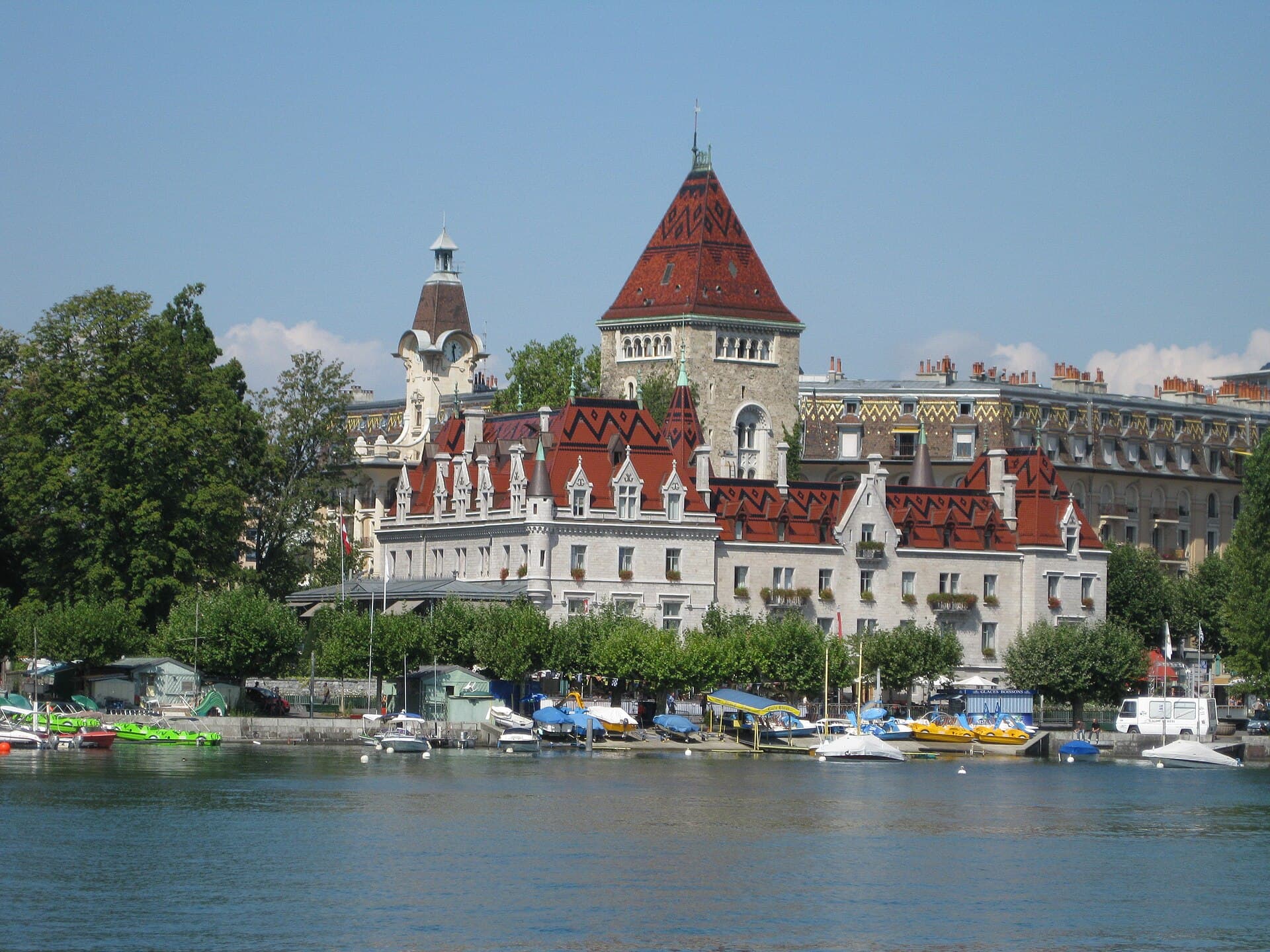 Château d'OuchyThe Château d'Ouchy is a stone building with a square tower standing directly on7 minutes walk4.4
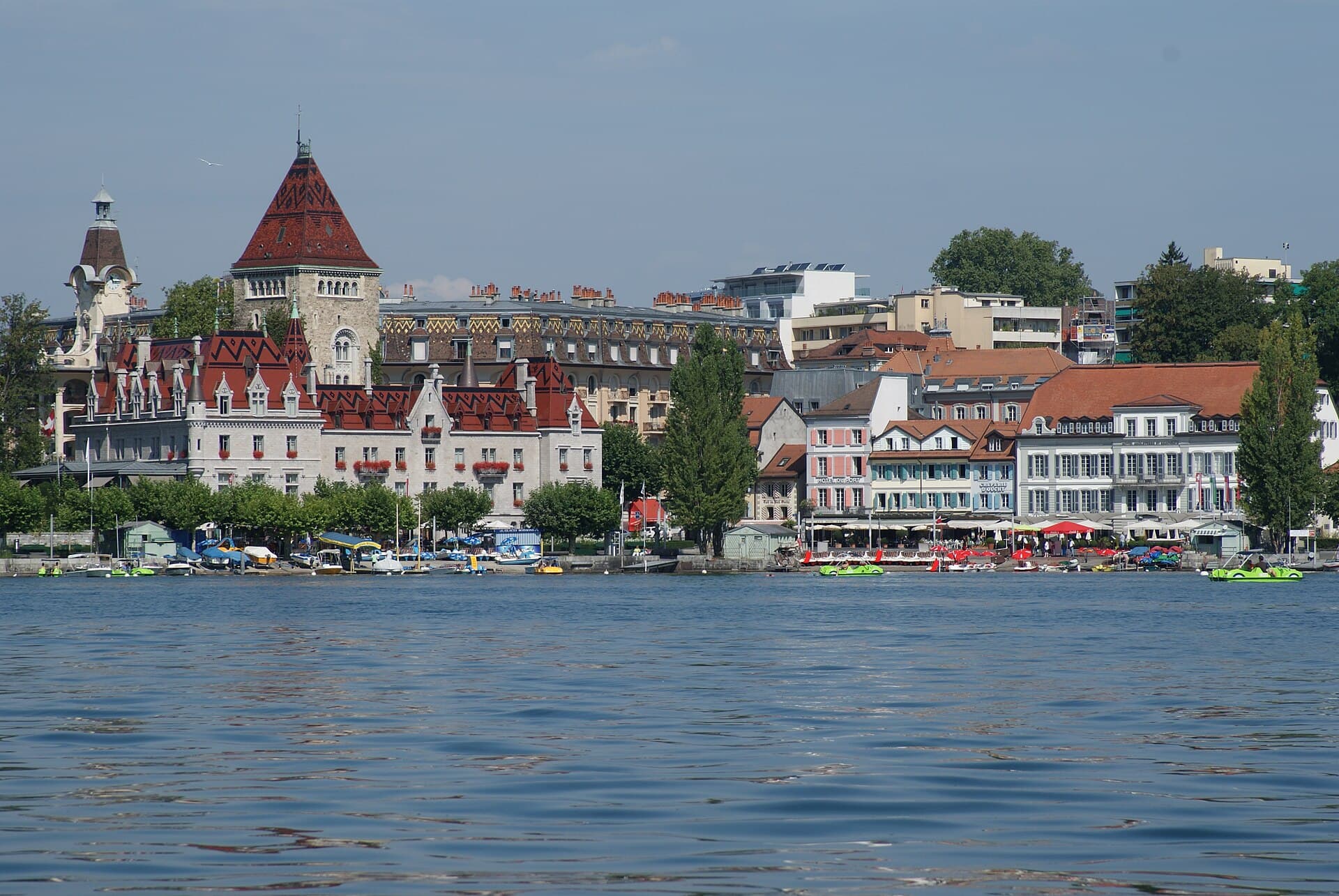 Ouchy and the LakefrontOuchy is the quarter on the shore of Lake Geneva below Lausanne, the city's wate7 minutes walk4.9
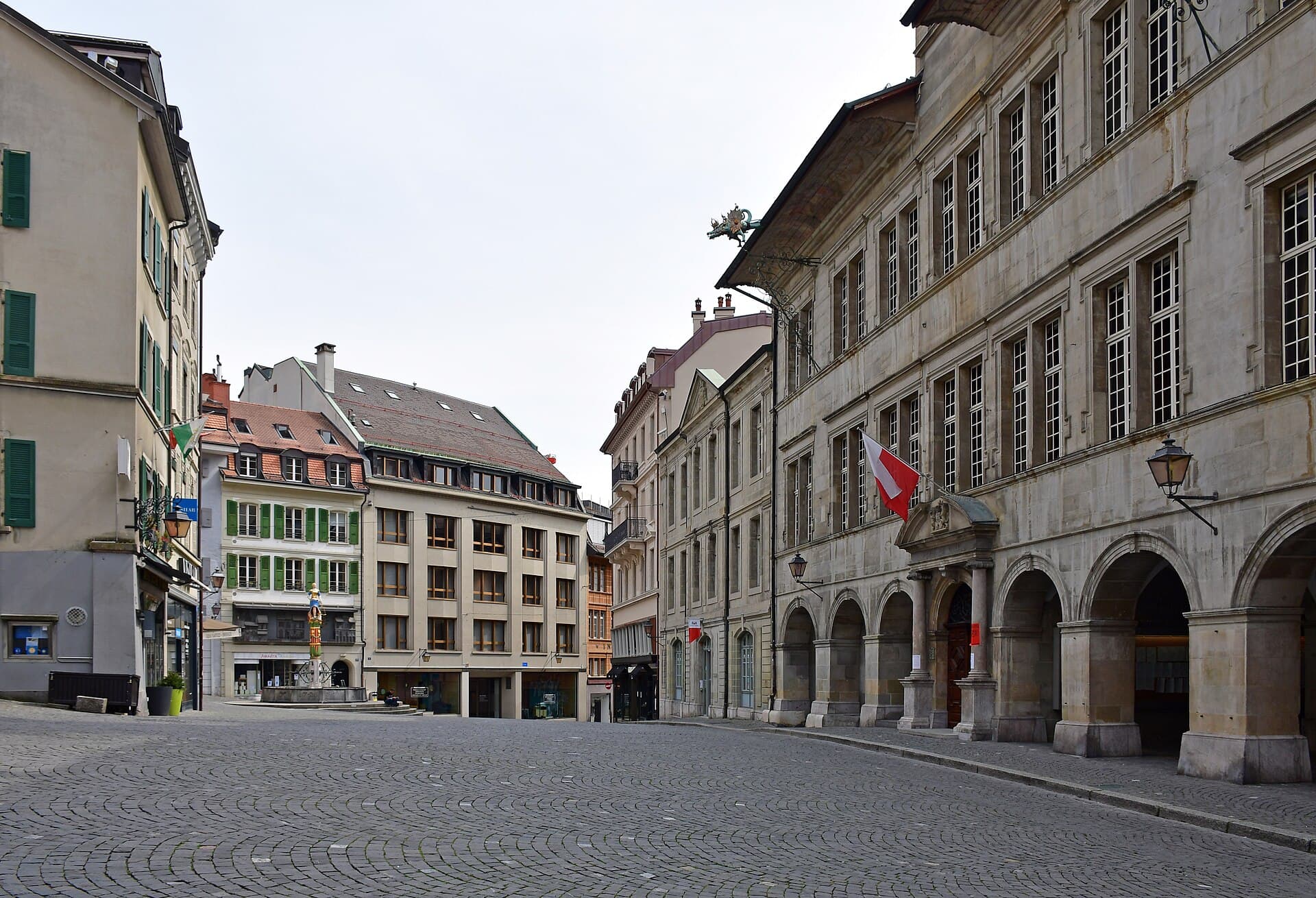 Place de la Palud and the Old TownThe Place de la Palud is Lausanne's oldest square and the heart of its old town:15 minutes walk4.5
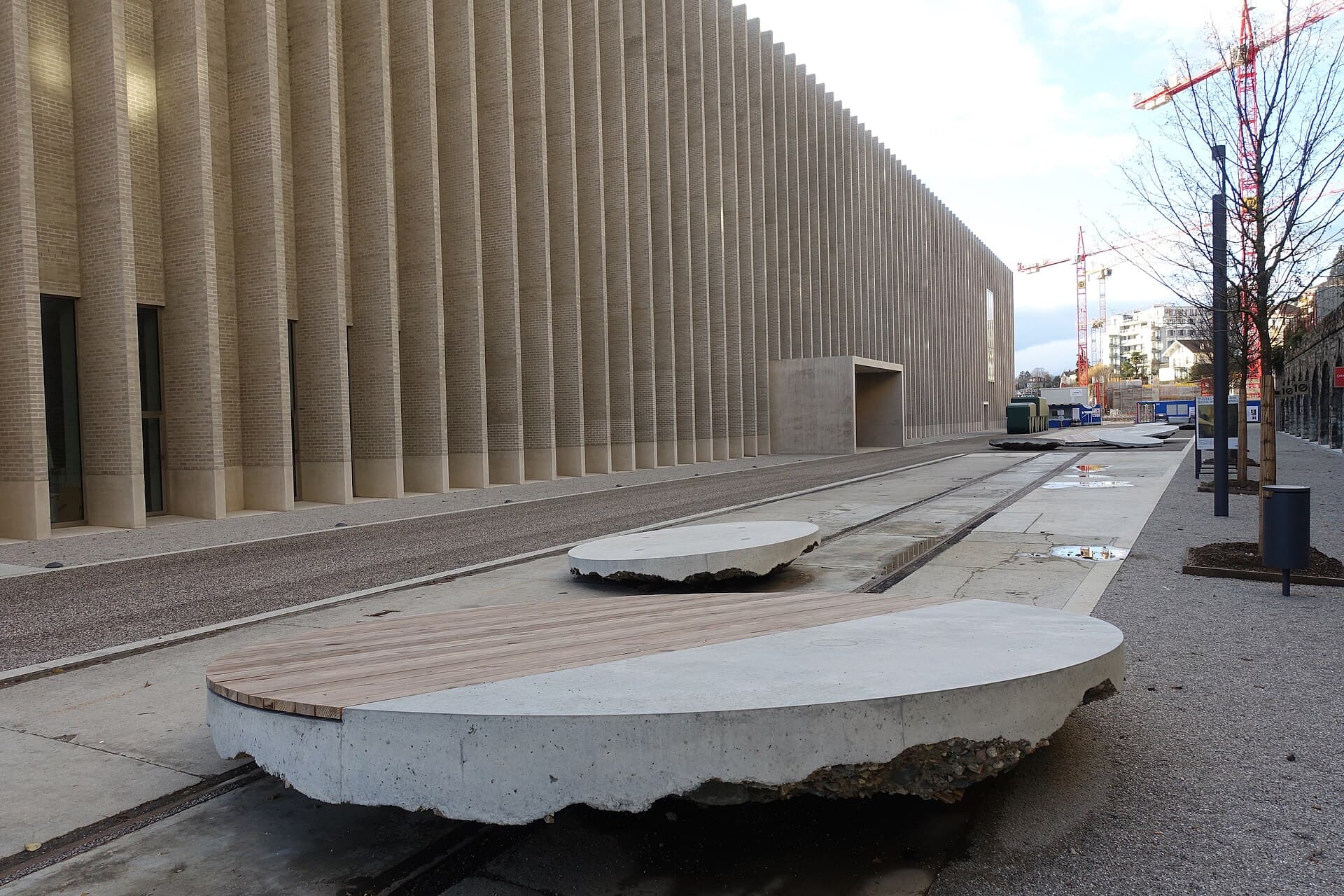 Cantonal Museum of Fine Arts (MCBA)The Cantonal Museum of Fine Arts (MCBA) is the principal art museum of Lausanne 15 minutes walk4.6
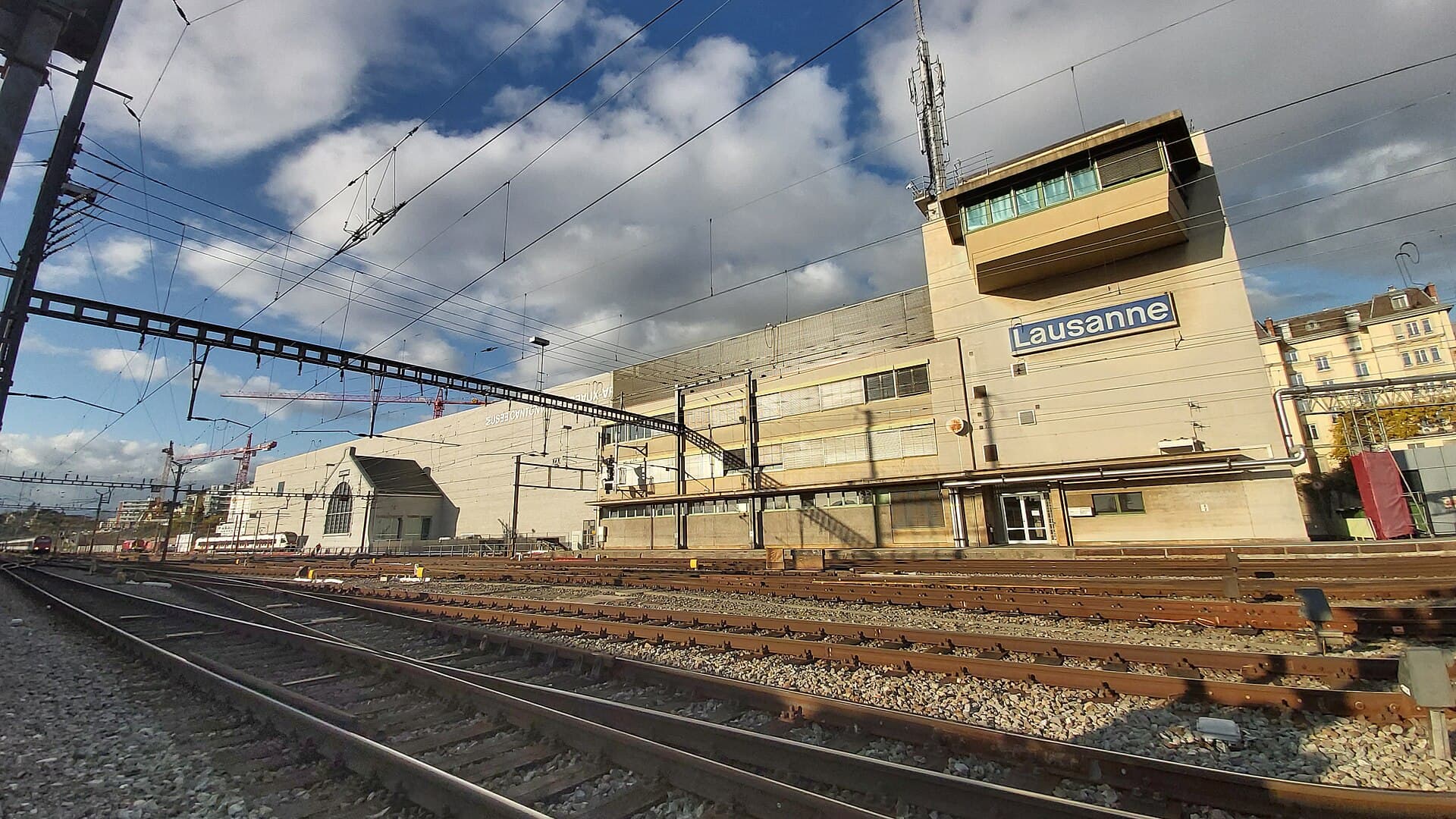 Plateforme 10 (the Arts District)Plateforme 10 is Lausanne's new arts district and the most significant recent cu15 minutes walk4.4
For families interested in sport: yes — the display is visual and interactive rather than text-heavy, children measure their speed and try the challenges, and two hours pass quickly. For a visitor with no interest in sport at all it may not justify the price, and the free park with its sculpture and view gives you the essence at no cost. Swiss prices are high generally — a Lausanne visitor card or family tickets help.
Because the International Olympic Committee has been based here since 1915, when Coubertin moved it during the First World War seeking Swiss neutrality, and it stayed. Today the city hosts the IOC, the Court of Arbitration for Sport and some fifty international sports federations and organisations — so it is effectively the administrative capital of world sport, not merely a city with a museum.