
The stone tower
Nine metres from the 7th century.
Zsinj — CC BY-SA 4.0 · by Junho Jung at Flickr from South Korea — CC BY-SA 3.0 · Basile Morin — CC BY-SA 4.0 · Photographer: Mosbatho — CC BY 4.0
A small stone tower from the seventh century, counted as the oldest surviving astronomical observatory in Asia and possibly in the world. It was built in the reign of Queen Seondeok, the first queen to rule Silla, and its name means «star-gazing tower». It has been a National Treasure since 1962 and is part of the Gyeongju Historic Areas on UNESCO's list. It stands 9.17 metres high, its body a cylinder curving gently like a bottle, set on a square base and topped with a square frame. Halfway up is a square window that was once reached by ladder. Tradition holds that it has about 365 stones, one for each day of the year, and that its 27 courses stand for Queen Seondeok as the 27th ruler of Silla; scholars treat all such readings with caution. The tower cannot be entered; you see it from close by in an open, grassy field. Depending on the season, the field around it is planted with cosmos or tulips, and the tower is lit at night. The visit is free and short, so combine it with Daereungwon to the west and Wolji Pond to the east, all on one walking route.
Nine metres from the 7th century.
Cosmos or tulips by season.
Between the tombs and the pond.
Inwang-dong, central Gyeongju, between Daereungwon and Wolji Pond
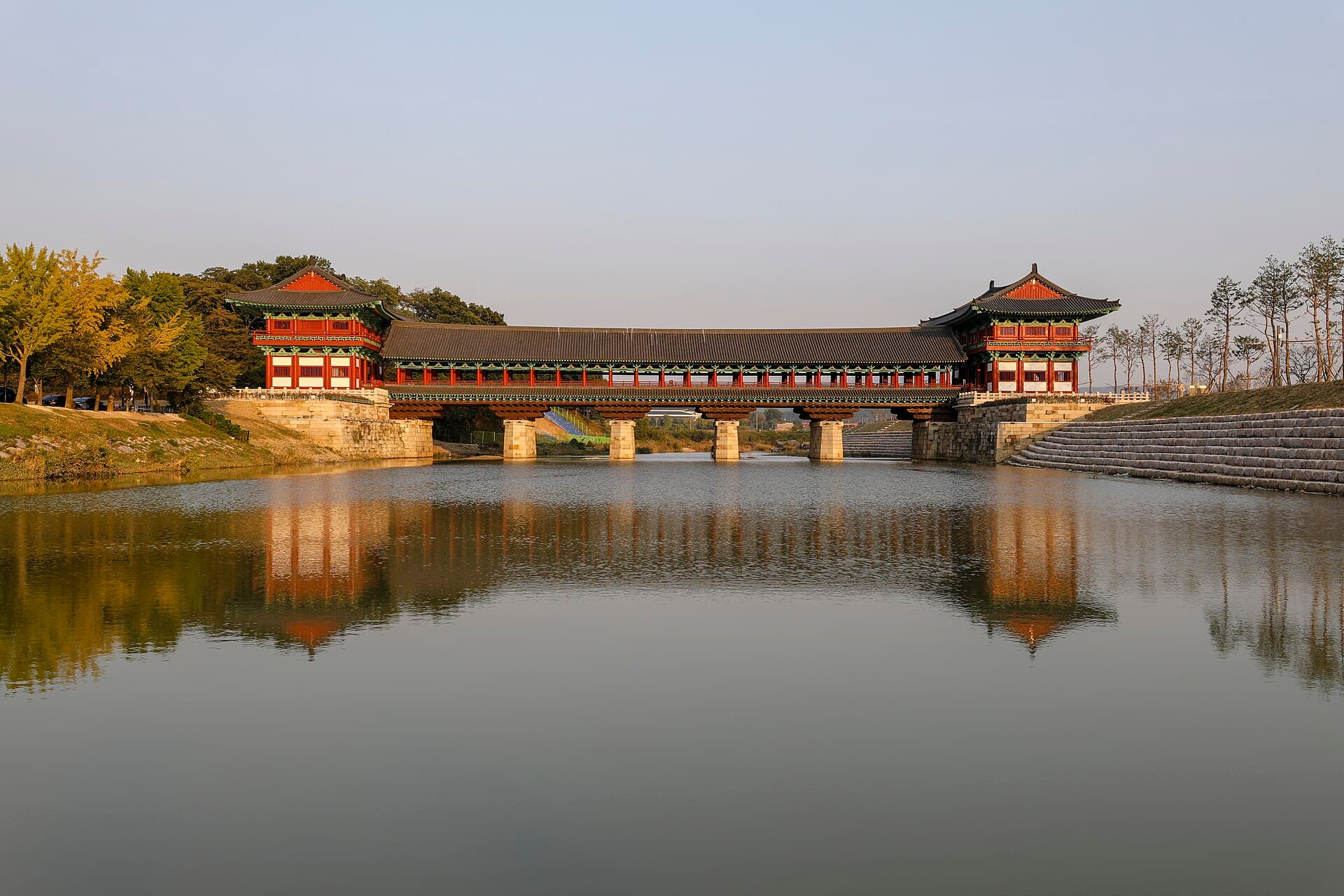 Woljeonggyo Bridge and Gyochon VillageA covered wooden bridge with colourful tiled roofs and tall gate towers at each 8 minutes walk4.5
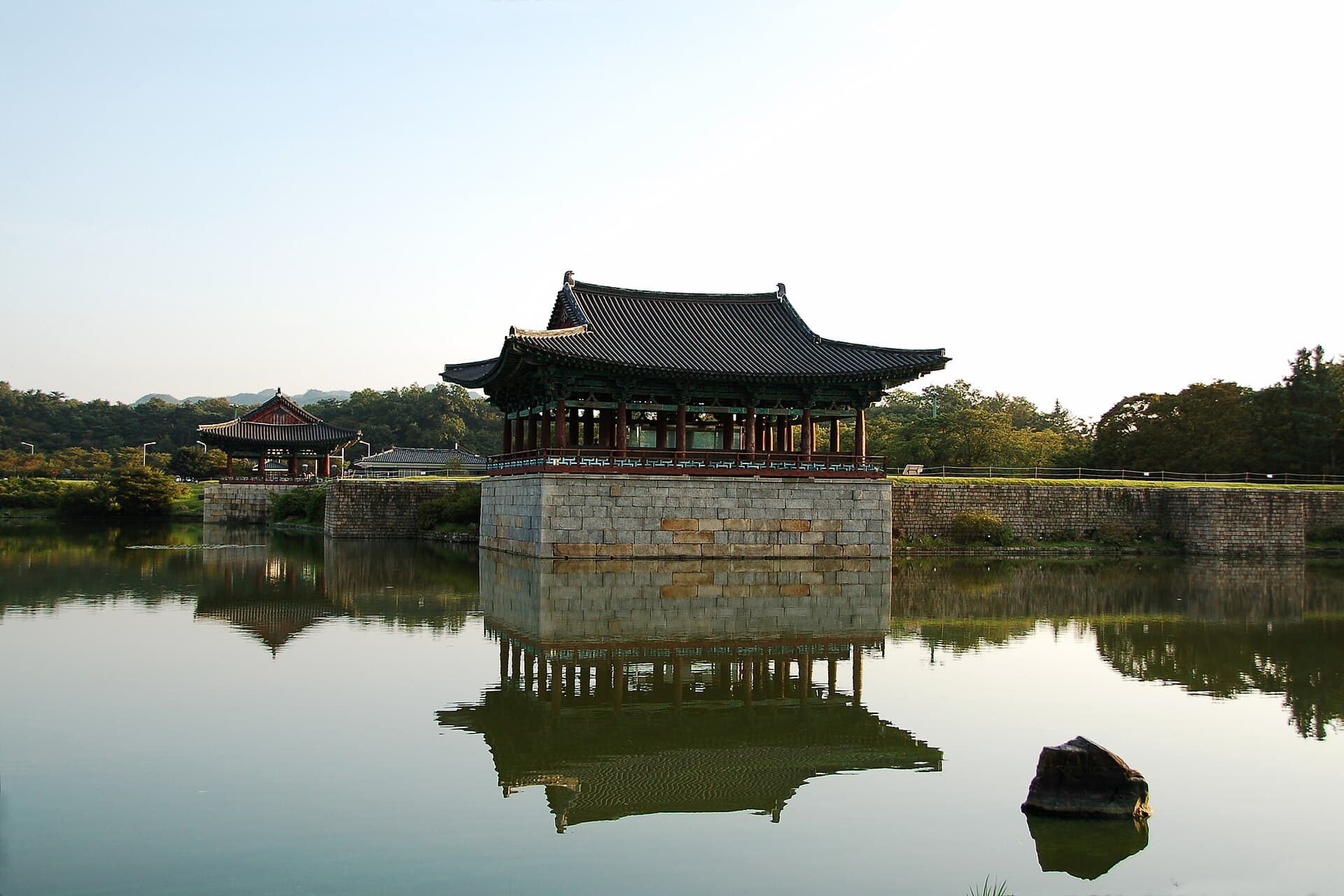 Donggung Palace and Wolji PondThe remains of the Silla crown prince's palace and its artificial pond, built on9 minutes walk4.6
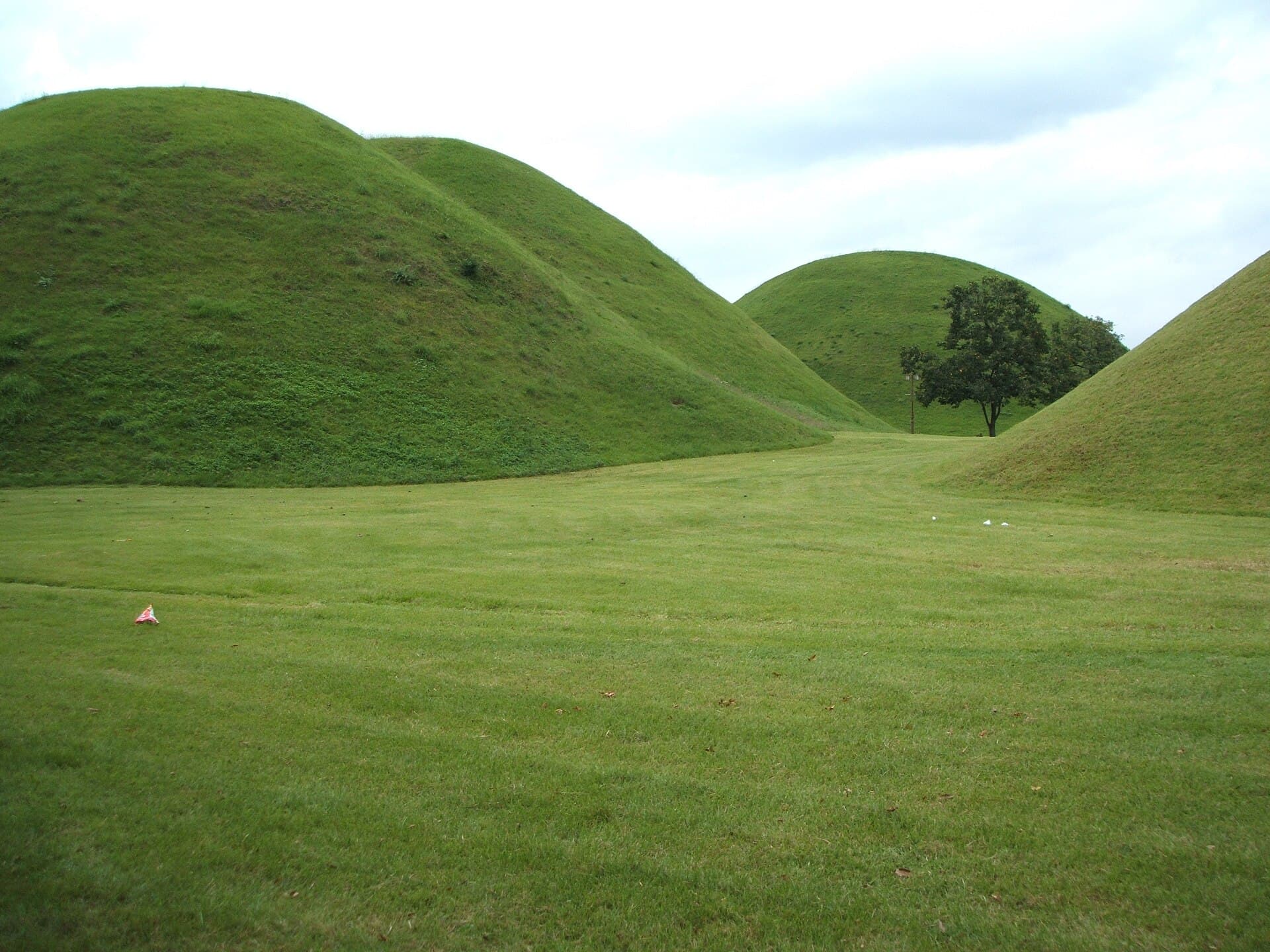 Daereungwon Tomb ComplexA park in the heart of Gyeongju holding 23 round, grassy mounds: the tombs of th10 minutes walk4.4
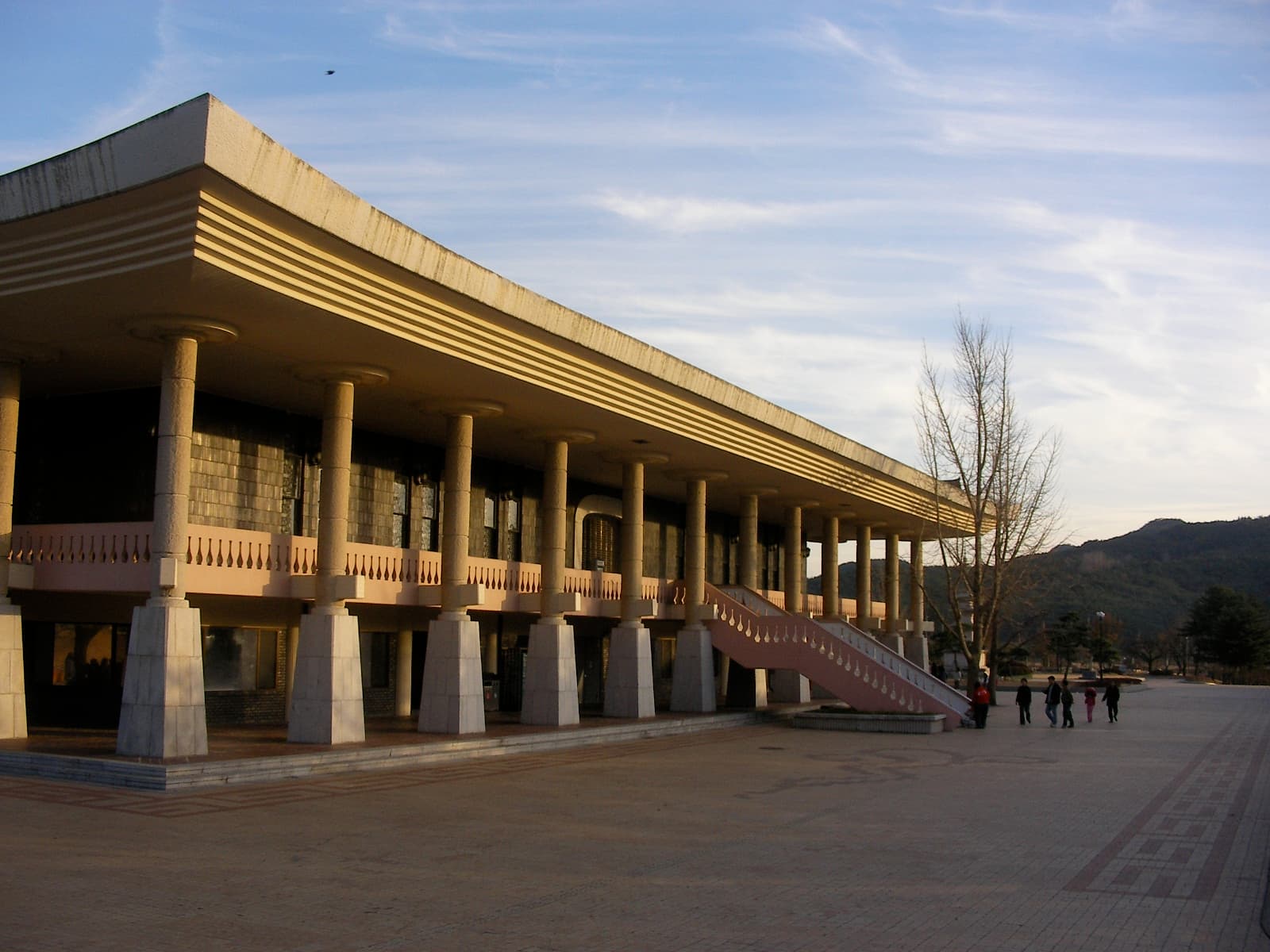 Gyeongju National MuseumThe museum devoted to the Silla kingdom, which made Gyeongju its capital for nea12 minutes walk4.5
No, it is seen from outside only, from close by. The visit is free and always open.