
The night reflection
Lit pavilions on the water.
riNux from Taipei, Taiwan — CC BY-SA 2.0 · Korea Heritage Service — CC BY-SA 4.0 · Ronnie Dayo — CC BY-SA 4.0 · lumoplank — CC0
The remains of the Silla crown prince's palace and its artificial pond, built on the orders of King Munmu in 674 and used for court banquets and the reception of guests. The pond is roughly oval, about two hundred metres long, with three small islands, and its edges wind so that the whole of the water is never visible from any one point, which makes it seem larger than it is. After the fall of Silla the site was neglected for centuries and known as Anapji, the pond of geese and ducks. When it was drained for excavation in the 1970s, thousands of objects came out of it: vessels, ornaments, pieces of furniture, and a fourteen-sided wooden die inscribed with forfeits for a drinking game. Three of the palace pavilions were then rebuilt on the western edge. The place is best known for its night view, when the wooden pavilions are lit and reflected whole in the still water. That is why most visitors come after sunset, and it gets very busy at weekends. The walk around the pond takes about half an hour. Arrive shortly before sunset to watch the light change, then stay until the lights are fully on.
Lit pavilions on the water.
Rebuilt on the edge.
Never all in view at once.
Inwang-dong, central Gyeongju, east of Cheomseongdae
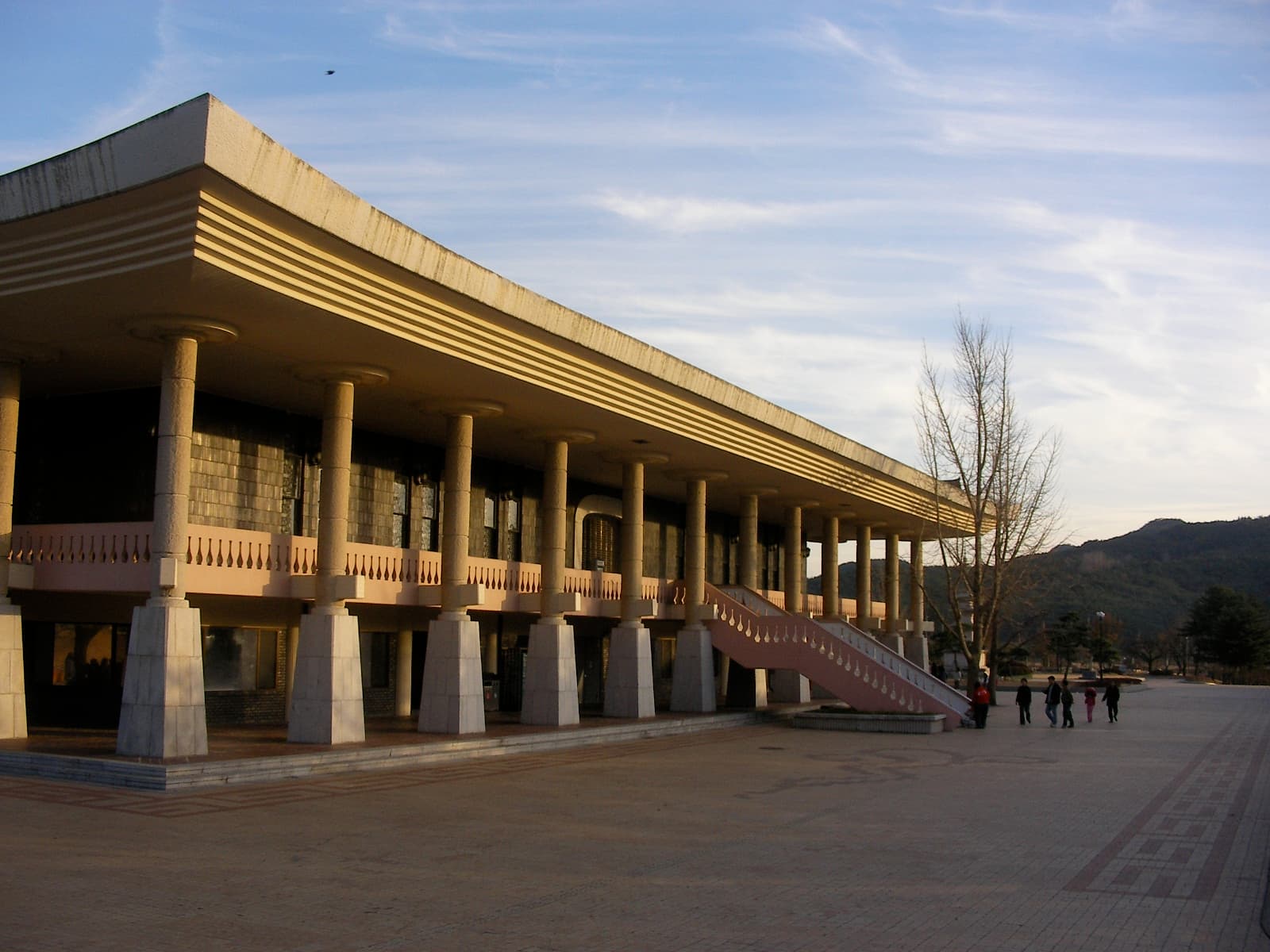 Gyeongju National MuseumThe museum devoted to the Silla kingdom, which made Gyeongju its capital for nea8 minutes walk4.5
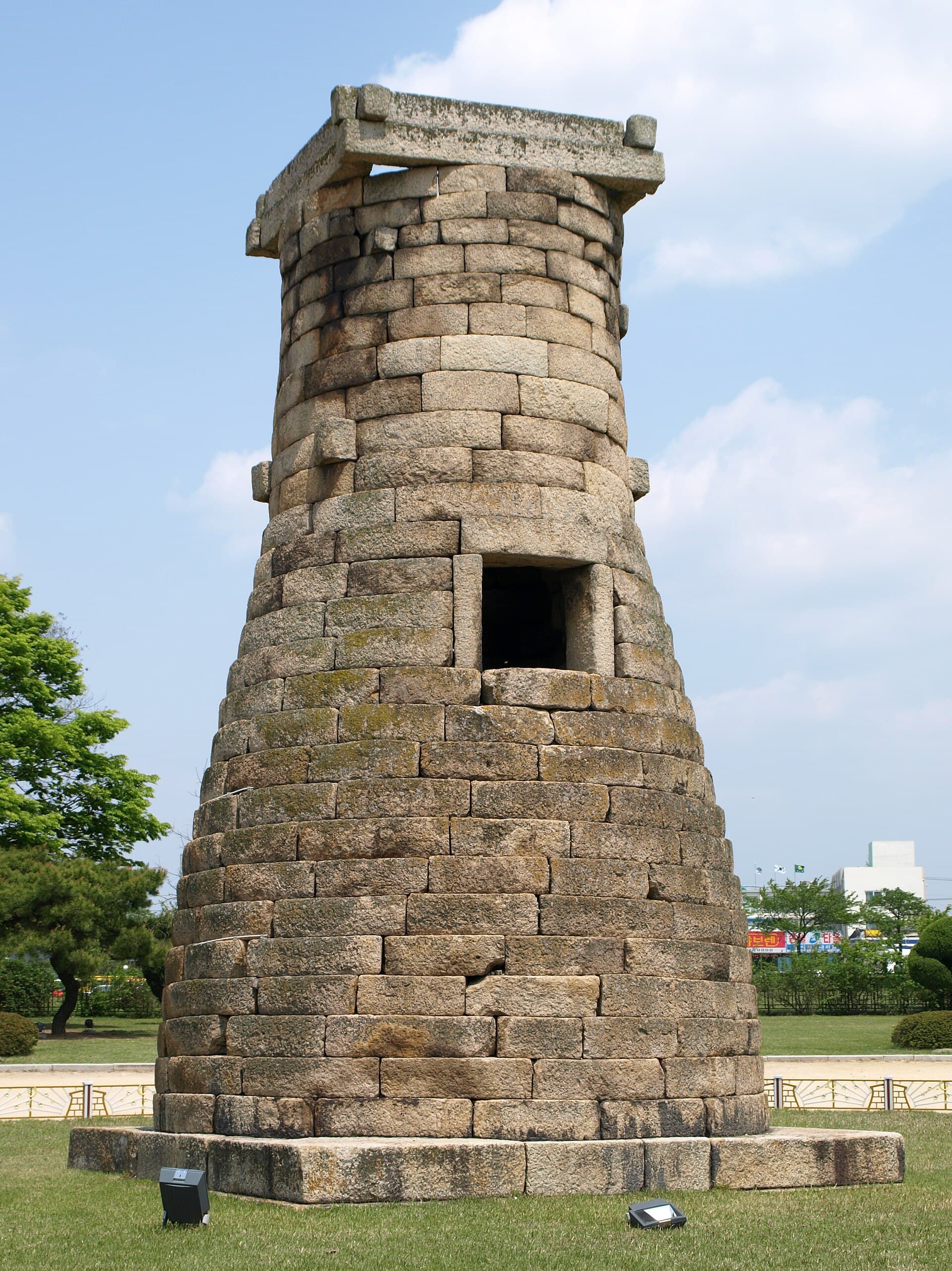 Cheomseongdae ObservatoryA small stone tower from the seventh century, counted as the oldest surviving as9 minutes walk4.4
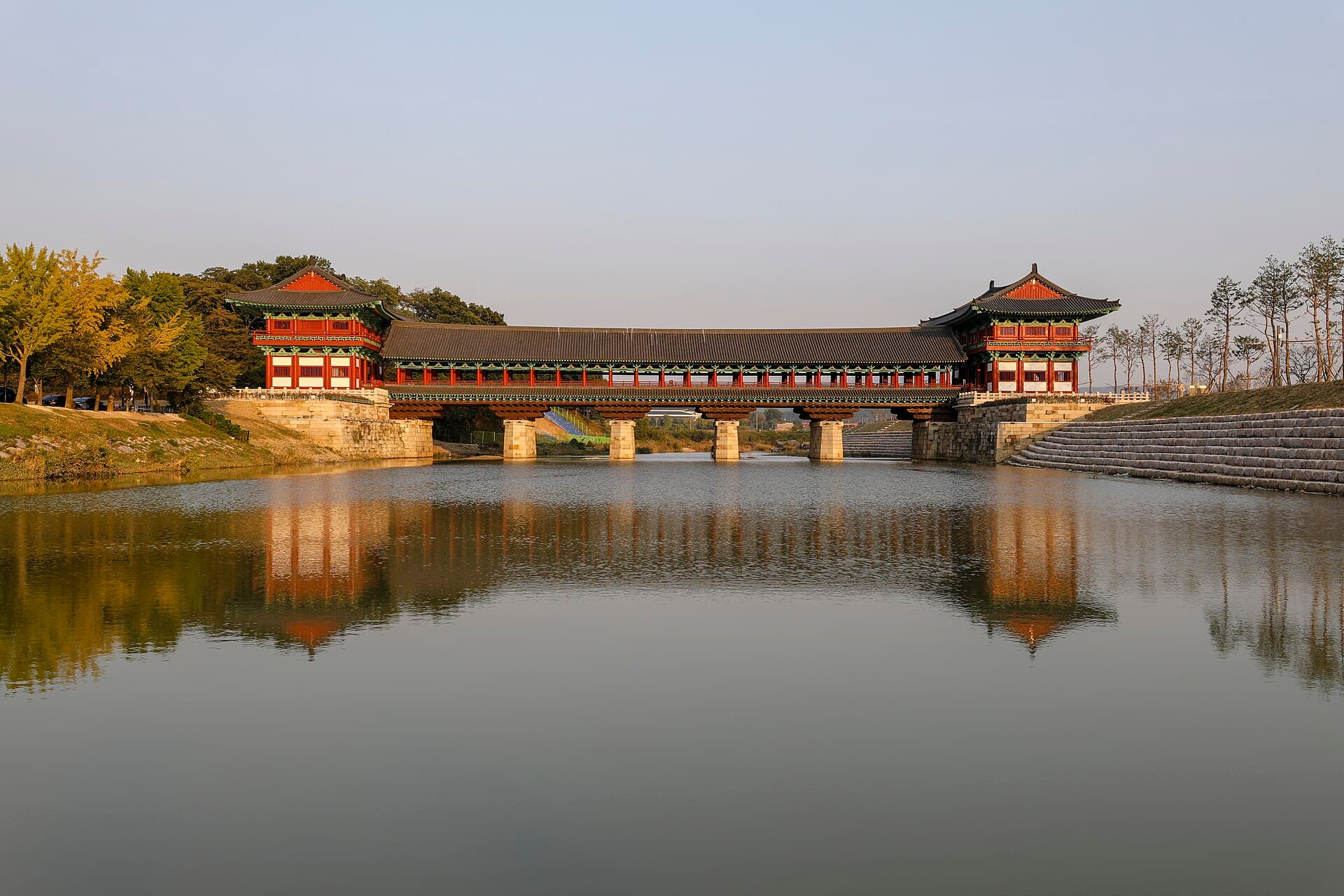 Woljeonggyo Bridge and Gyochon VillageA covered wooden bridge with colourful tiled roofs and tall gate towers at each 12 minutes walk4.5
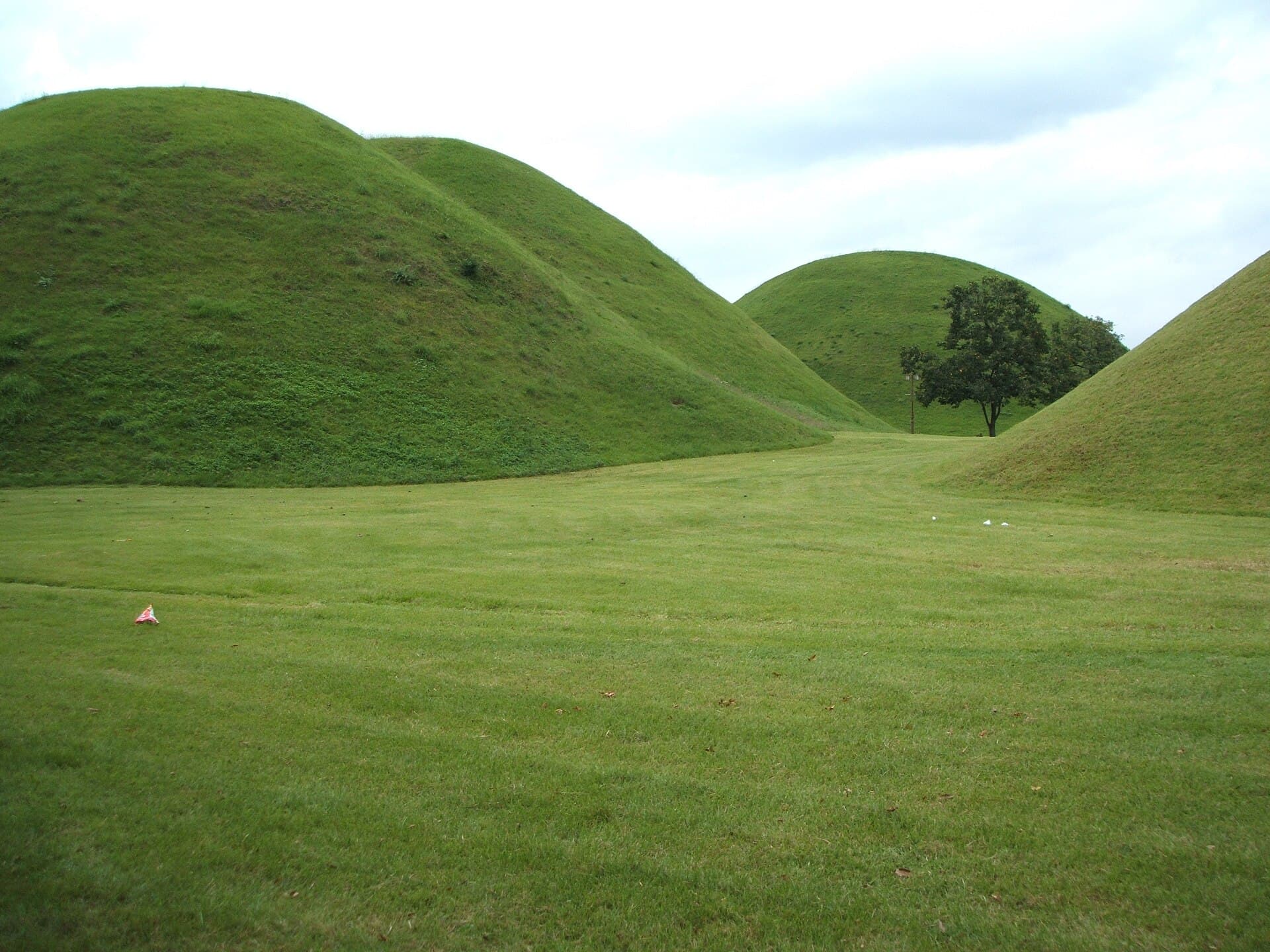 Daereungwon Tomb ComplexA park in the heart of Gyeongju holding 23 round, grassy mounds: the tombs of th18 minutes walk4.4
After sunset, when the pavilions are lit and reflected in the water. It is open until 22:00, last entry 21:30, and busy at weekends.