
The interlacing arches
They cross above slender columns in a way ordinary Italian cloisters do not show.
MentNFG — CC BY-SA 4.0 · Berthold Werner — CC BY-SA 3.0 · MentNFG — CC BY-SA 4.0 · Витольд Муратов — CC BY-SA 3.0
A fourteenth-century cloister in central Sorrento, among the loveliest small courtyards on the Amalfi coast and the least expensive: entry is free. What marks it out are the interlacing arches on two of its sides, built in a manner descending from Arab-Sicilian traditions that entered southern Italy through Islamic Sicily. The arches cross above slender columns in a way you do not see in ordinary Italian cloisters. The courtyard is covered in climbing plants and shrubs and is surprisingly quiet, even though Sorrento outside it is among the busiest towns on the coast. That contrast is the reason to go in. The space is used for classical concerts in summer and very often for weddings, so you may find it closed or set up for an event. The visit is short, twenty to forty minutes, added to a walk through the centre.
They cross above slender columns in a way ordinary Italian cloisters do not show.
Sorrento outside is among the busiest towns on the coast; inside is nearly silent.
Twenty to forty minutes with no ticket — an easy addition to a walk in the centre.
Via San Francesco, central Sorrento
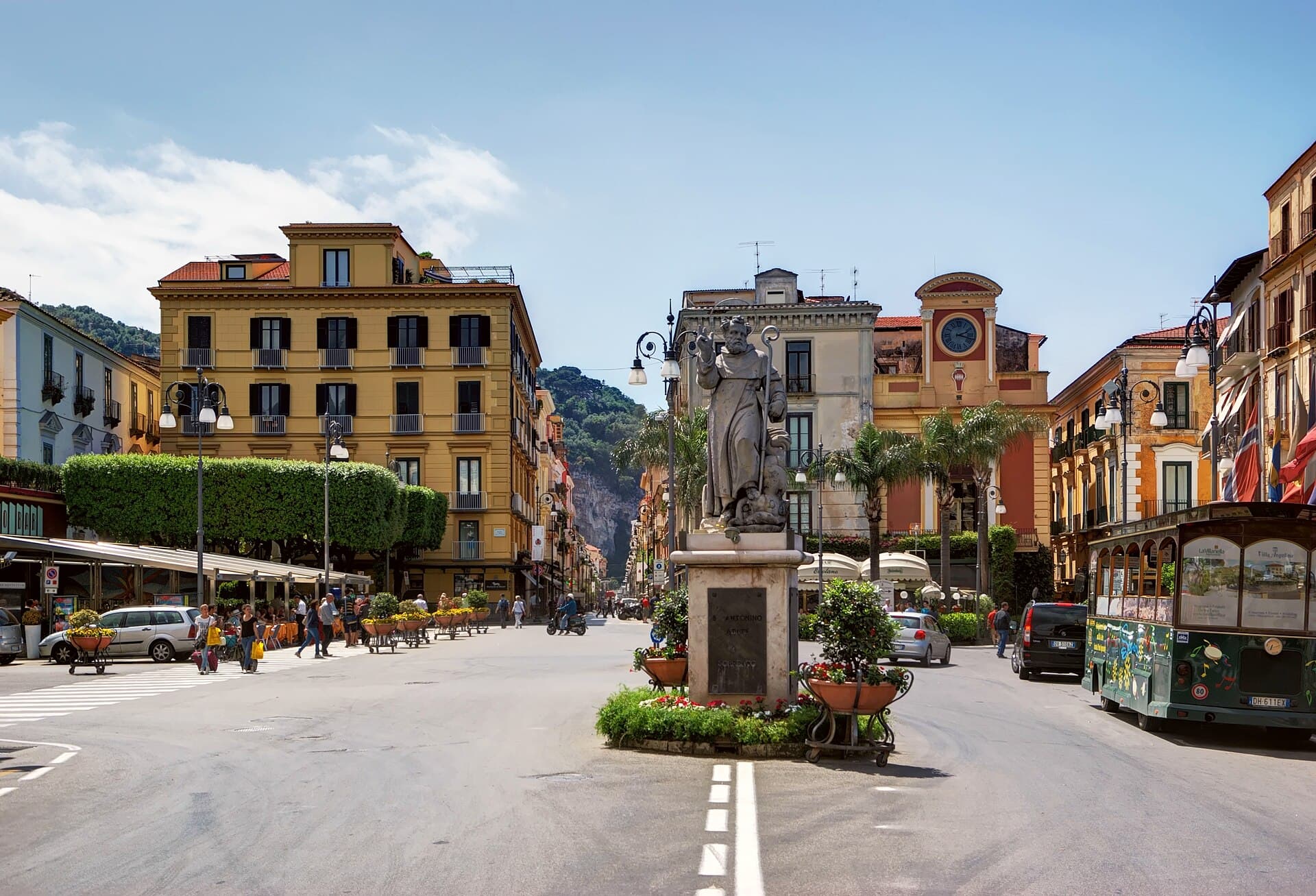 Piazza TassoThe coffee tables of Piazza Tasso stand on a buried ravine. When Sorrento laid o4 minutes walk4.4
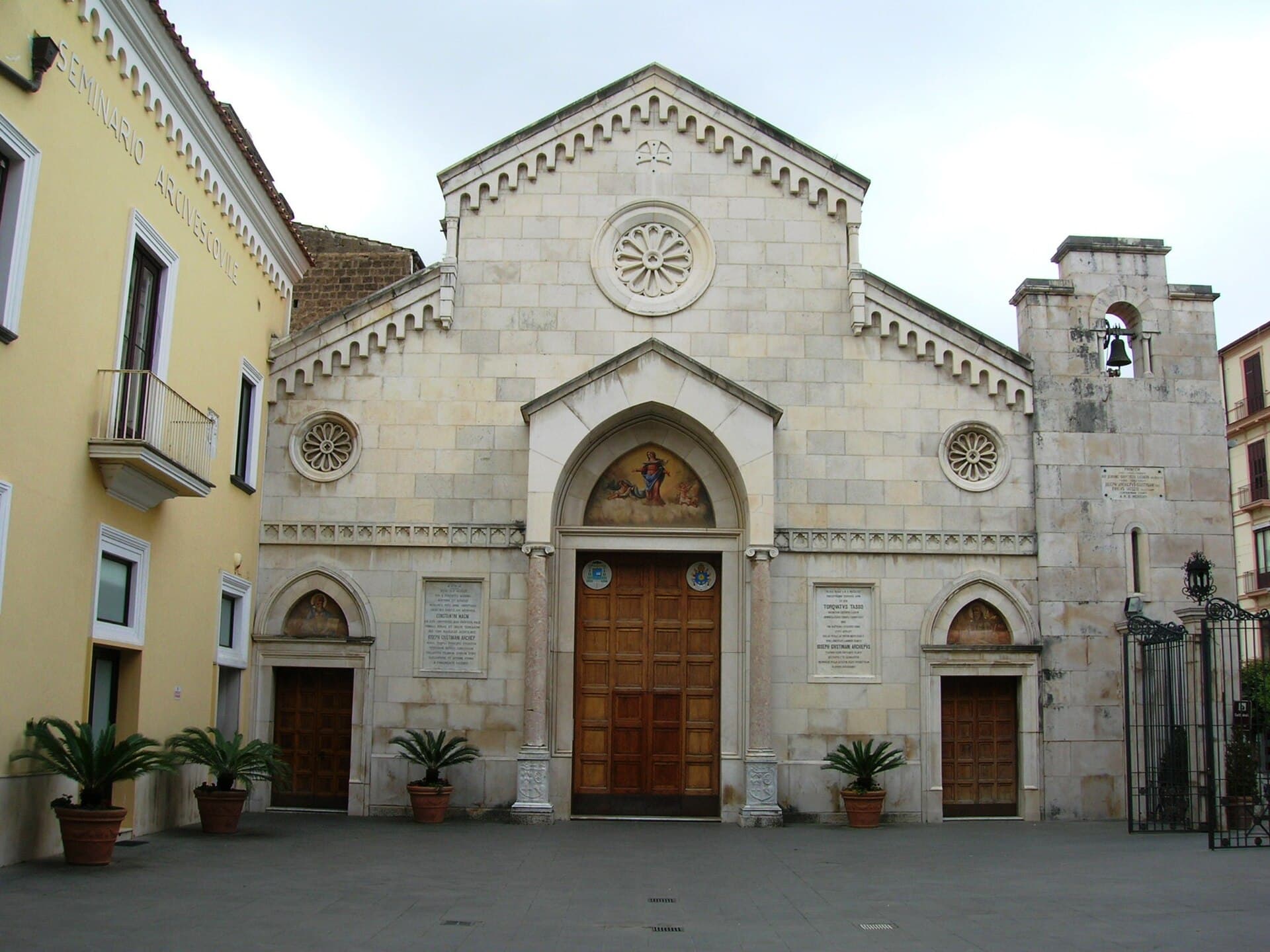 Sorrento CathedralSorrento's cathedral on its main street is the house of the craft that made the 4 minutes walk4.7
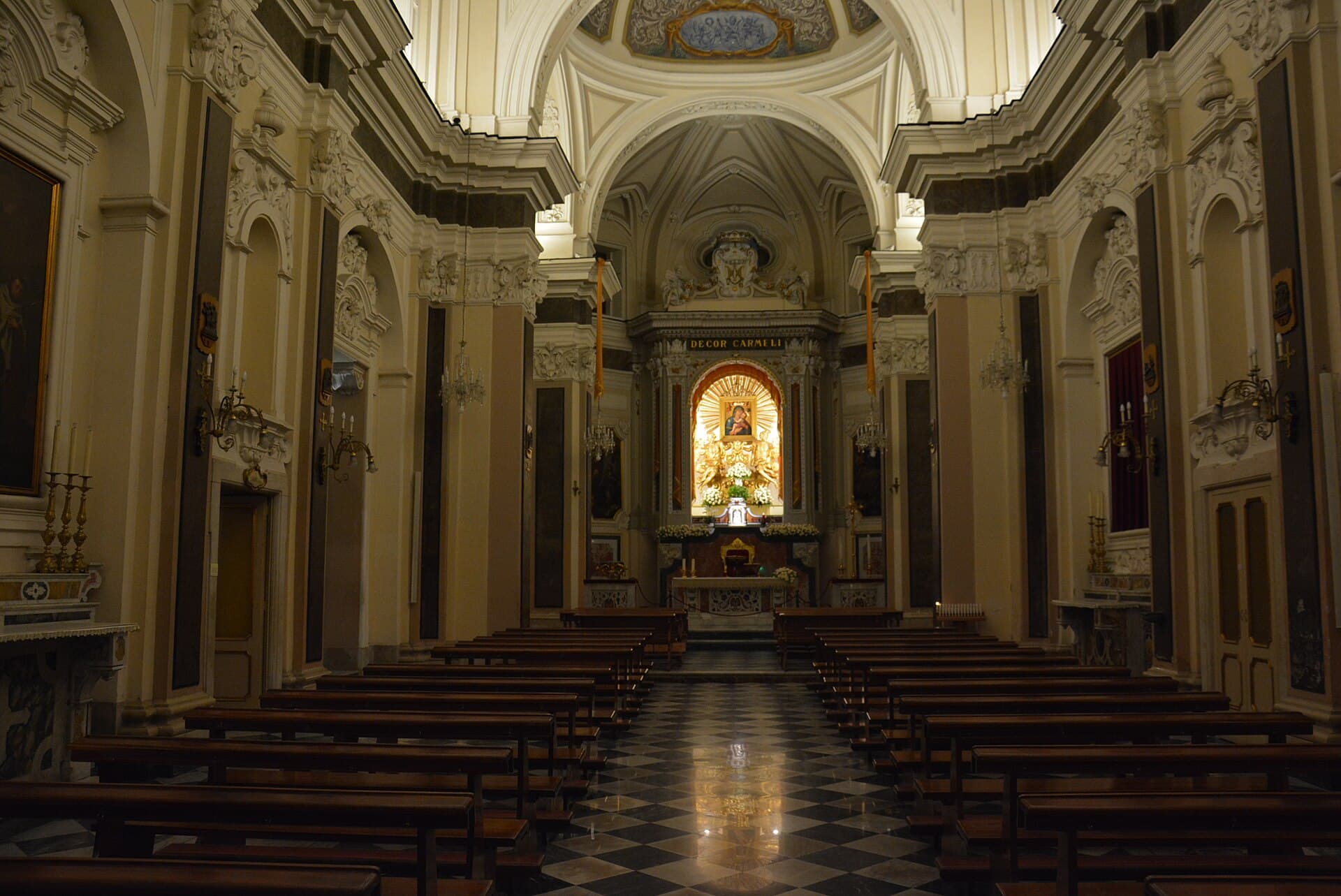 Santuario della Madonna del CarmineA church on Piazza Tasso, the main square of Sorrento, in the very centre of the4 minutes walk4.6
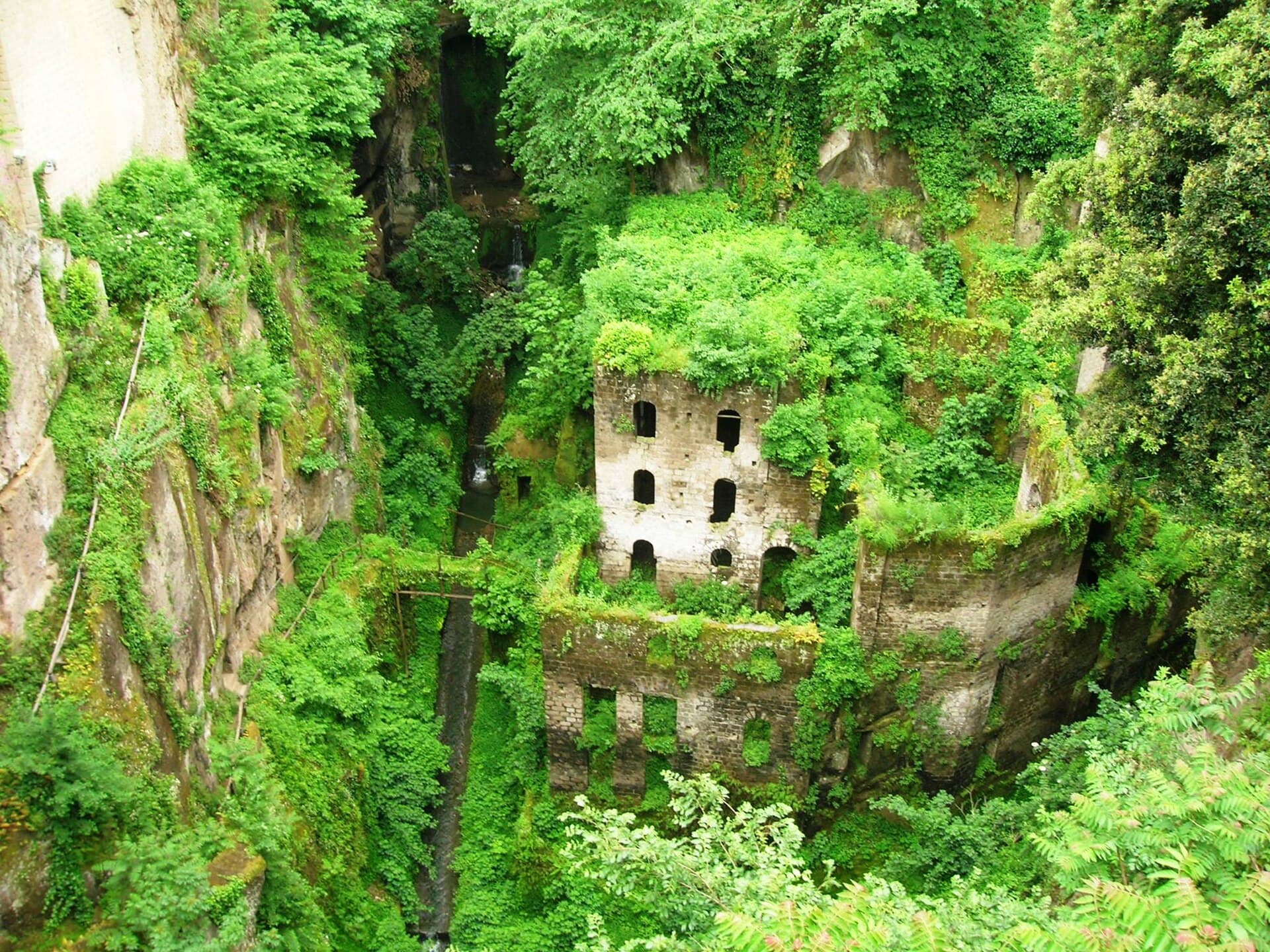 Valley of the MillsA minute's walk from Piazza Tasso the pavement stops at an iron railing and the 5 minutes walk4.4
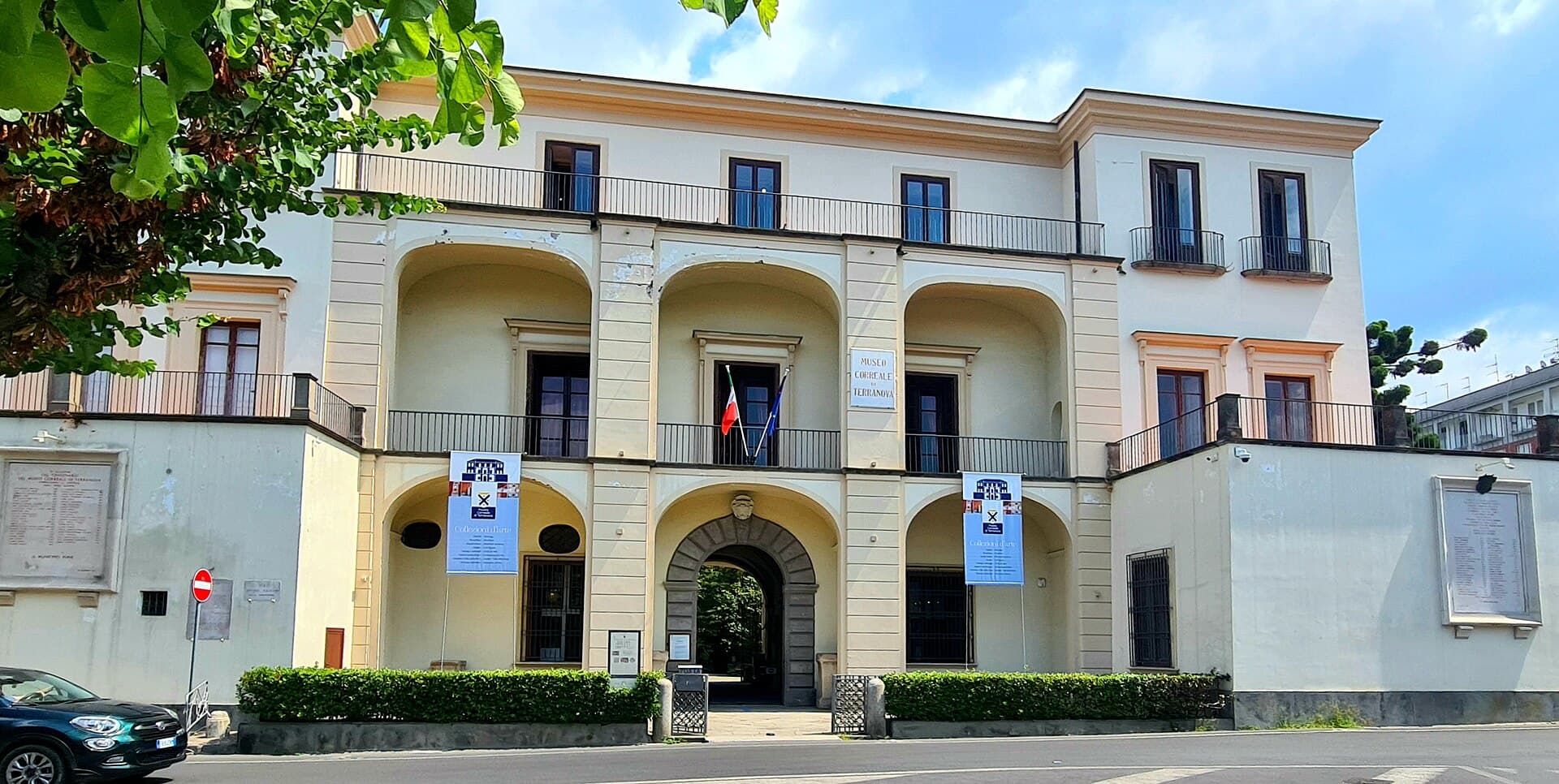 Museo Correale di TerranovaThe Correale is "Italy's most beautiful provincial museum" by its old and earned9 minutes walk4.5
They are a manner that passed into southern Italy through Sicily, ruled by Muslims for two centuries, and then persisted in later Norman and Italian building. Seeing it in a fourteenth-century Christian cloister is a good example of how architectural technique moved across the Mediterranean.
Central Sorrento around it: the municipal park overlooking the bay is nearly adjacent, and Via San Cesareo and the old lanes are minutes away. The three make a comfortable morning before the town fills.