
A ravine in the middle of town
A deep volcanic cleft that opens without warning a few steps from Sorrento's busiest square.
Mentnafunangann — CC BY-SA 3.0 · Fondo Antiguo de la Biblioteca de la Universidad de Sevilla from Sevilla, España — CC BY 2.0 · Karl Julius Beloch (1854–1929) — Public domain · Jacob Philipp Hackert — Public domain
A minute's walk from Piazza Tasso the pavement stops at an iron railing and the ground simply falls away into a green-filled ravine. At the bottom stands an abandoned stone flour mill so completely eaten by ferns and ivy that it now reads as a hill of vegetation with windows in it. What makes the sight strange is where it happens: cafes, scooters and lemon shops above, and a silent humid forest a few dozen metres below. The cleft is older than everything around it, opened in the tuff left by an eruption of the Campi Flegrei thirty-five to forty thousand years ago and then cut deeper by two streams, the Casarlano and the Sant'Antonino, running off the hills. A mill ground the town's wheat down there for centuries, with a sawmill and a public wash-house beside it. Then in 1866 Piazza Tasso was laid out and the valley's mouth to the sea was sealed; the air stopped moving, humidity climbed past what flour or millers could tolerate, work dwindled — some accounts blame a failing water supply as much as the damp — and the place was left for good in the 1940s. What you are looking at is close to a century of damp working unsupervised. Be honest with your itinerary: this is a look over a railing, not a visit. Five minutes, ten if you shoot it from two angles. The floor of the gorge is private property and closed to the public, and more than one plan to open it up has stalled — most notoriously the restoration begun by the owner in 2019, which stripped part of the vegetation, drew formal complaints from environmental groups and was stopped in March 2020 when prosecutors placed the site under seizure; the owner was acquitted and the seizure lifted in 2024, and still nothing has opened. There is no path, no entrance and no ticket, and anyone selling you a tour down into the valley is selling something they have no right to sell. Practically: it is free and available at any hour because it is a public street, but the depth swallows light fast, so daylight is essential and the gorge looks best in late afternoon or under cloud, when the contrast softens and you see shades of green instead of a black hole. The walk from Piazza Tasso is flat with no steps, so pushchairs and wheelchairs can usually reach the nearest railing despite uneven paving, and small children should be held — the drop below the rail is sheer. Fold it into the walk between Piazza Tasso and Sorrento Cathedral rather than giving it a line of its own in the day.
A deep volcanic cleft that opens without warning a few steps from Sorrento's busiest square.
A stone mill abandoned since the 1940s and buried in green by the trapped damp of the gorge.
Worth a free stop as you pass, not worth a slot in your schedule.
Via Fuorimura, beside Piazza Tasso, Sorrento
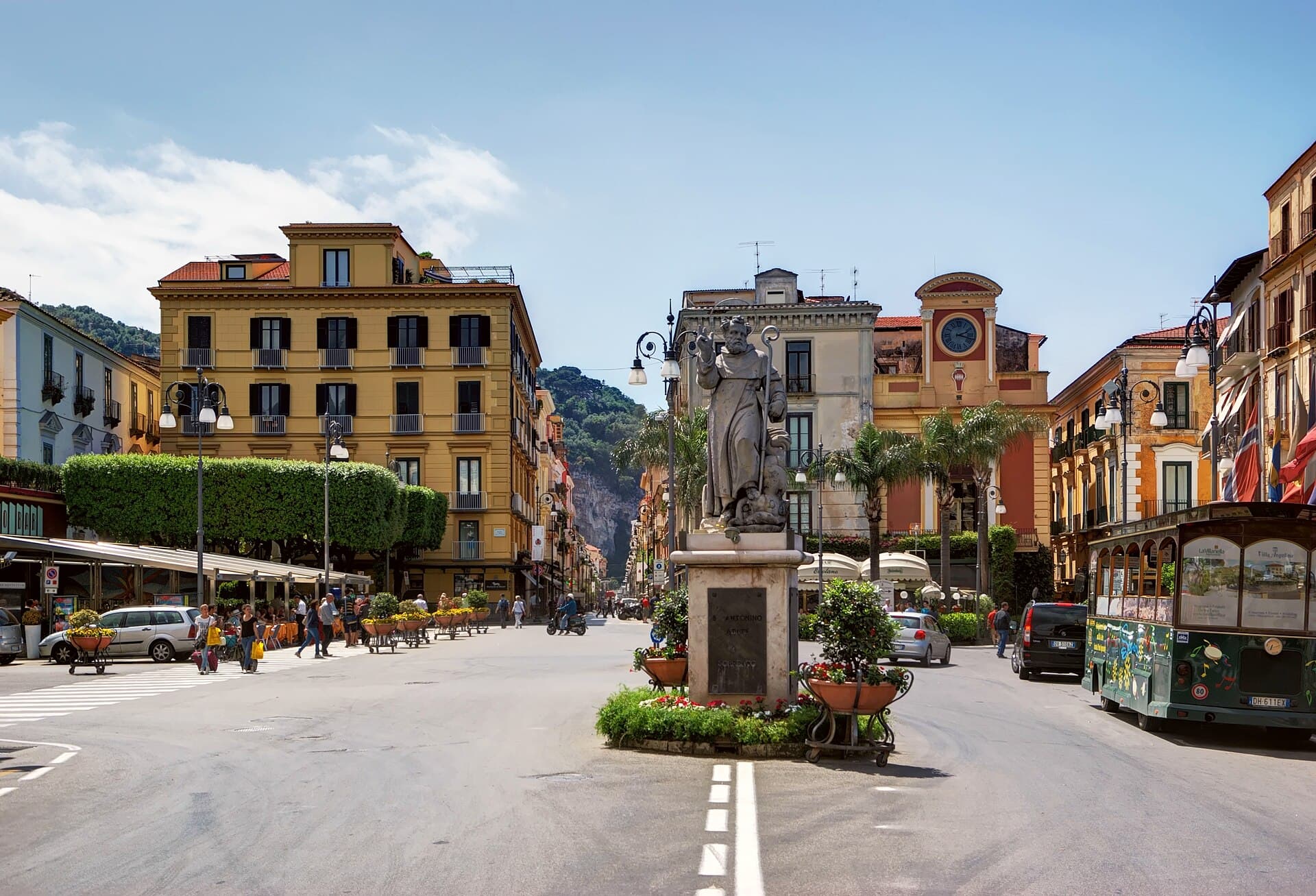 Piazza TassoThe coffee tables of Piazza Tasso stand on a buried ravine. When Sorrento laid o2 minutes walk4.4
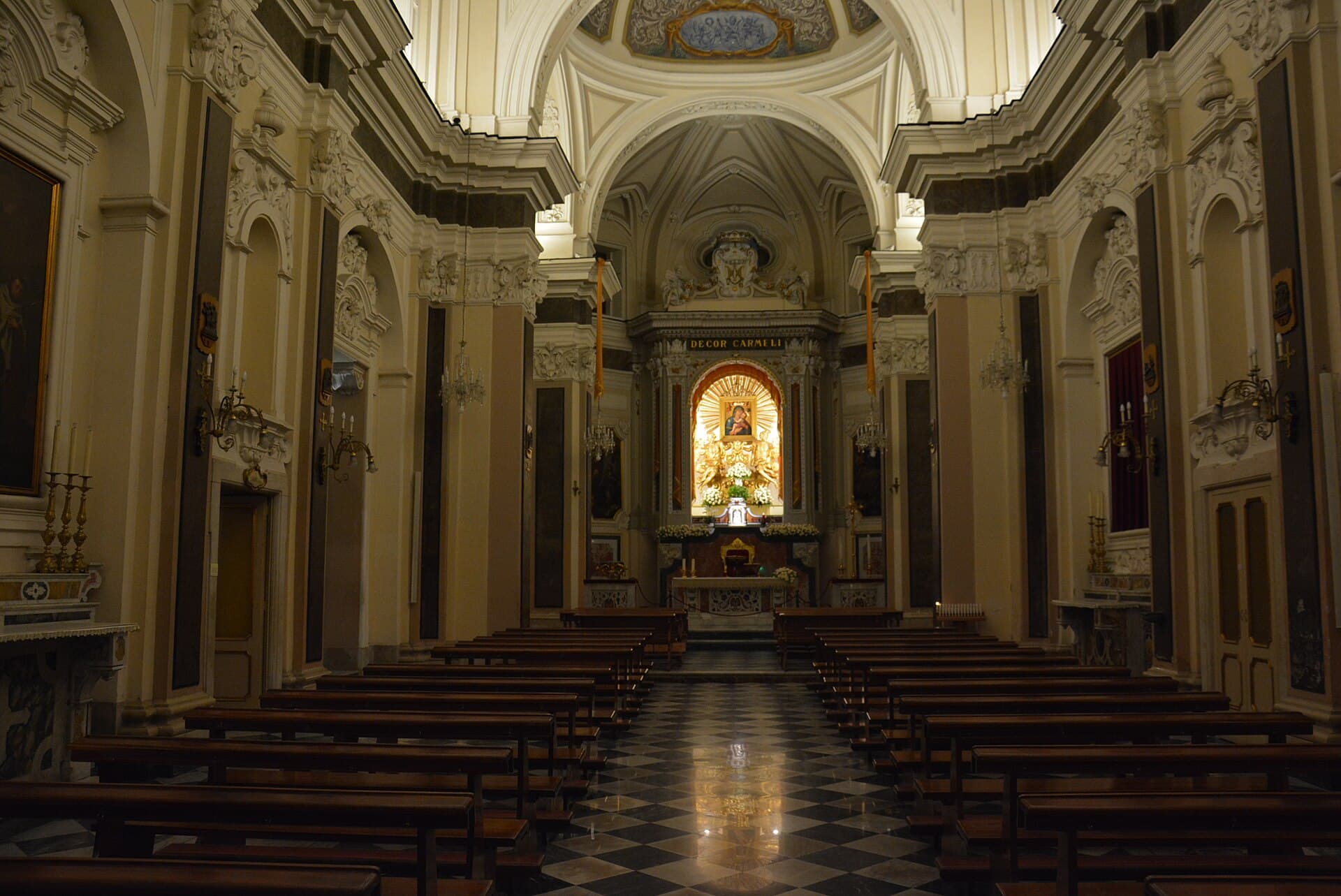 Santuario della Madonna del CarmineA church on Piazza Tasso, the main square of Sorrento, in the very centre of the2 minutes walk4.6
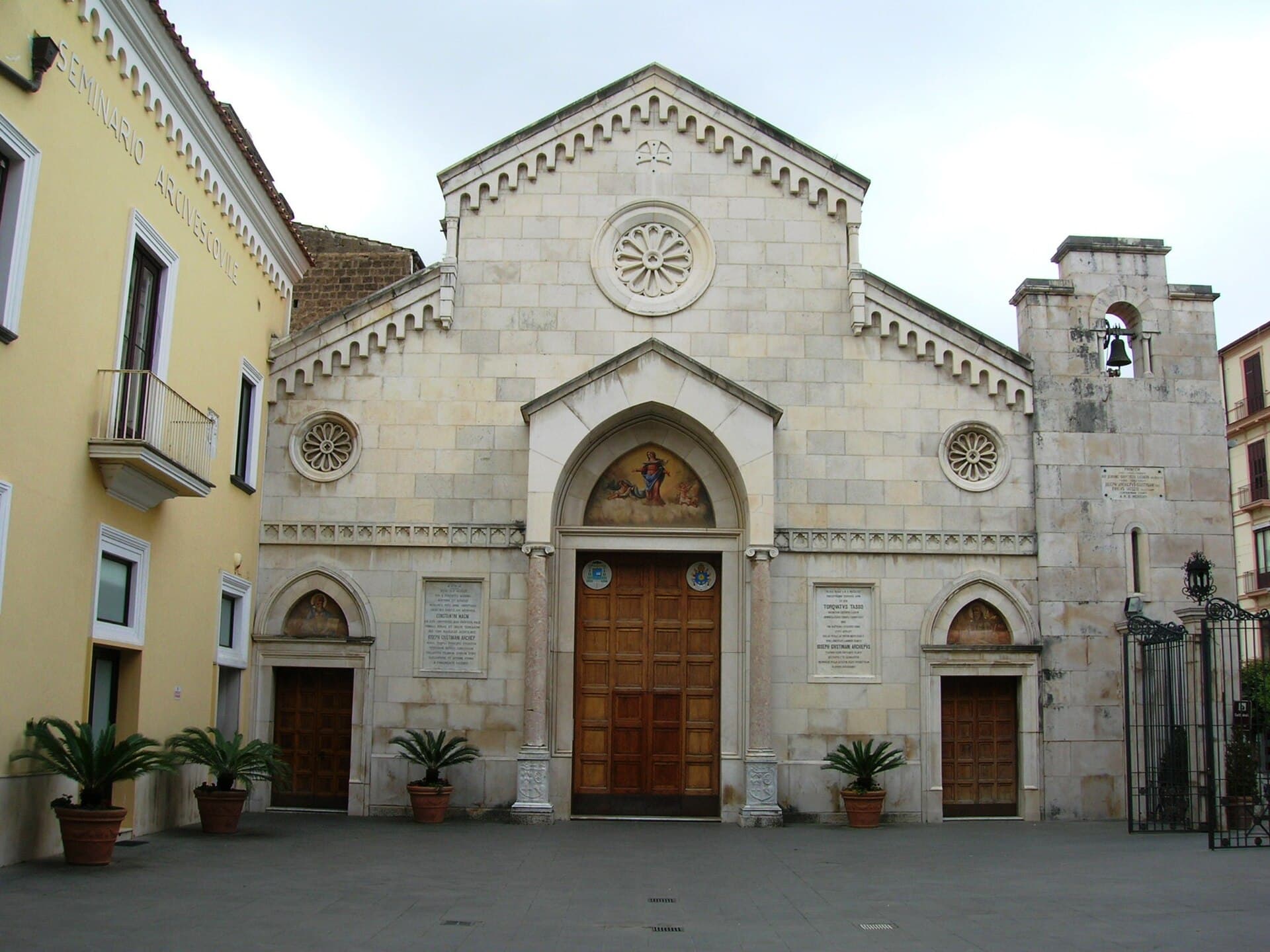 Sorrento CathedralSorrento's cathedral on its main street is the house of the craft that made the 4 minutes walk4.7
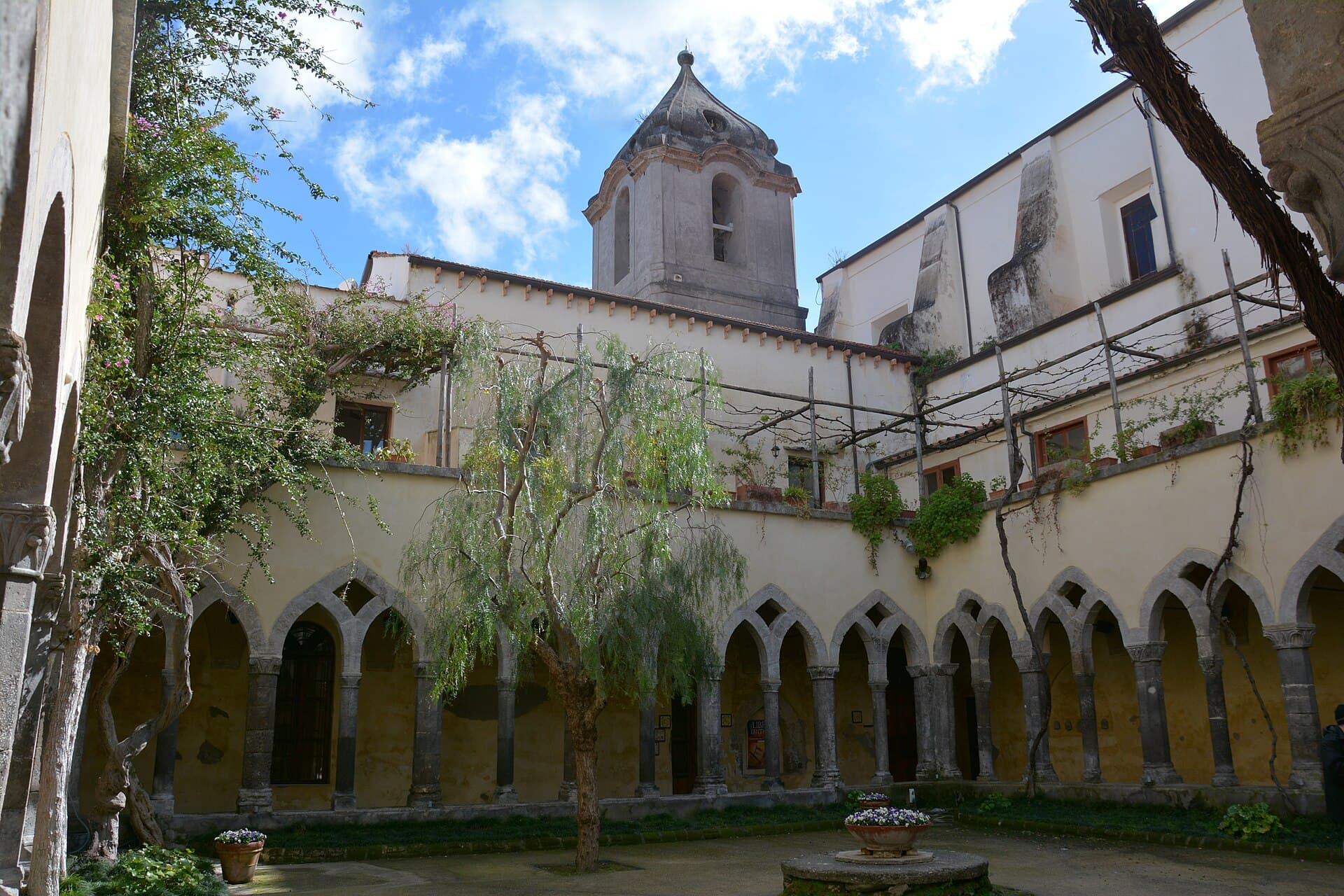 Cloister of San FrancescoA fourteenth-century cloister in central Sorrento, among the loveliest small cou5 minutes walk4.5
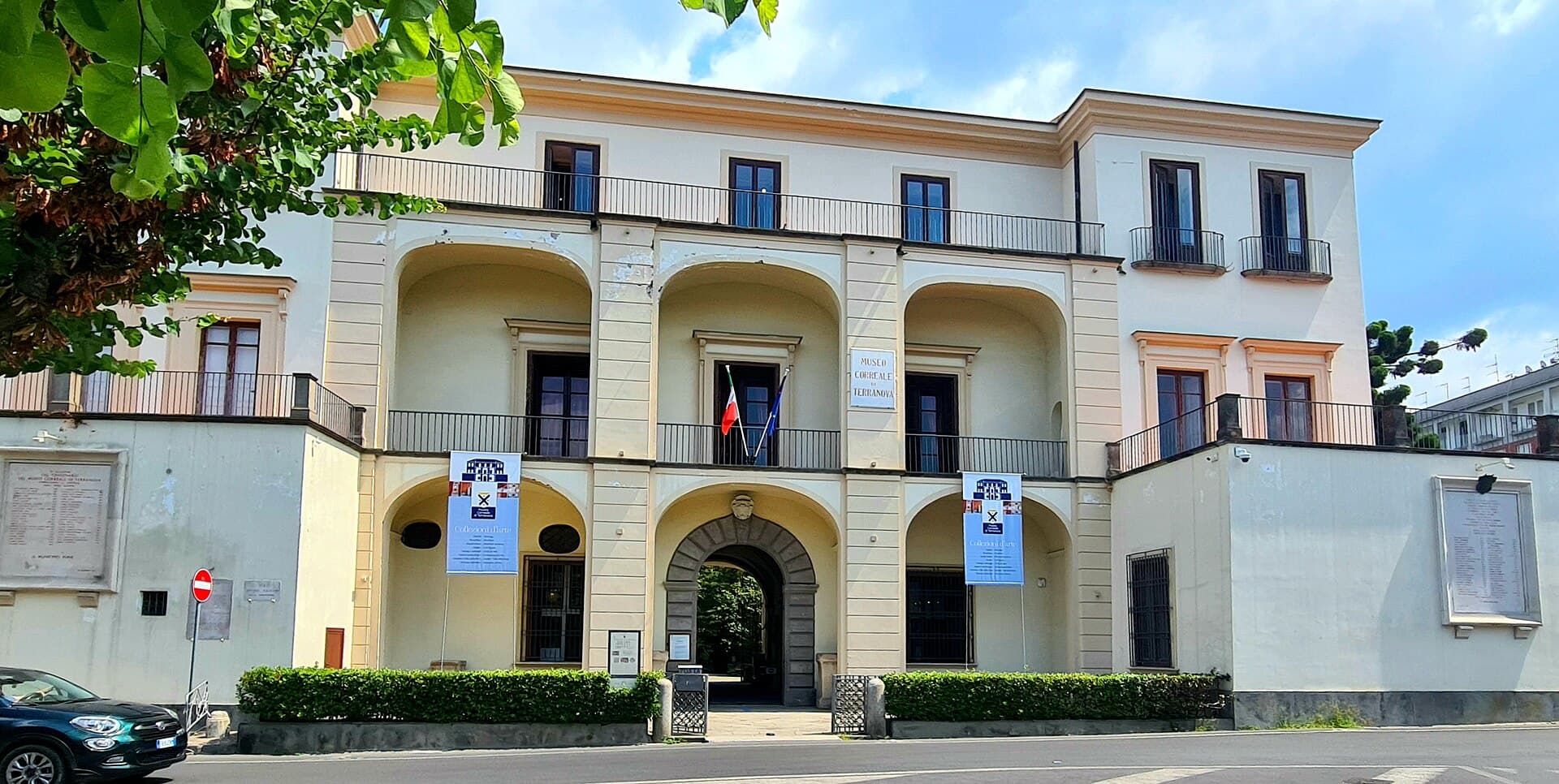 Museo Correale di TerranovaThe Correale is "Italy's most beautiful provincial museum" by its old and earned7 minutes walk4.5
No. The floor is private property and closed to visitors on safety and conservation grounds, and there is no official entrance or stairway. Restoration works started by the owner in 2019 drew formal complaints from environmental groups and were stopped in March 2020 when prosecutors seized the site; the owner was acquitted and the seizure lifted in 2024, but the valley floor has still not opened to the public. You view it from the railing only, and any offer of a tour inside the valley is not legitimate.
Late afternoon, or any overcast day. At midday the sun drops straight in and leaves half the gorge black and half of it blown out, while after sunset the depth goes dark and no lighting can be counted on. Late daylight gives you the gradations of green and the stonework at the same time.