
Absalon's foundations
Curved walls of 1167, the oldest structure in the city.
Christian Bickel — CC BY-SA 2.0 de · Christian Bickel — CC BY-SA 2.0 de · Praeceptor — CC BY-SA 3.0 · Praeceptor — CC BY-SA 3.0
Beneath the floor of the palace that today holds the **Danish parliament** is an excavated cellar containing the foundations of the buildings that stood on the same spot eight hundred years ago. The point is that this small island is **the origin of Copenhagen** itself. In 1167 Bishop **Absalon** built a castle on the shore to protect a small fishing village from Wendish raids, and the city grew around it. Absalon's castle was demolished and **Copenhagen Castle** built in its place; then a first palace that burned in 1794, a second that burned in 1884, and the present one, open since 1928. Four earlier buildings on one spot beneath the present palace, two of them ended by fire. What you see is stone footings, curved walls, and the remains of a **well** and a **medieval drain**, exposed under a glass floor in low light. The interpretation separates the layers one above another. Note: **the ruins are a separate ticket** from the royal reception rooms, the stables and the palace tower.
Curved walls of 1167, the oldest structure in the city.
You walk over the layers and see them beneath your feet.
Medieval remains exposed under low light.
Christiansborg Palace, Prins Jørgens Gård, Copenhagen
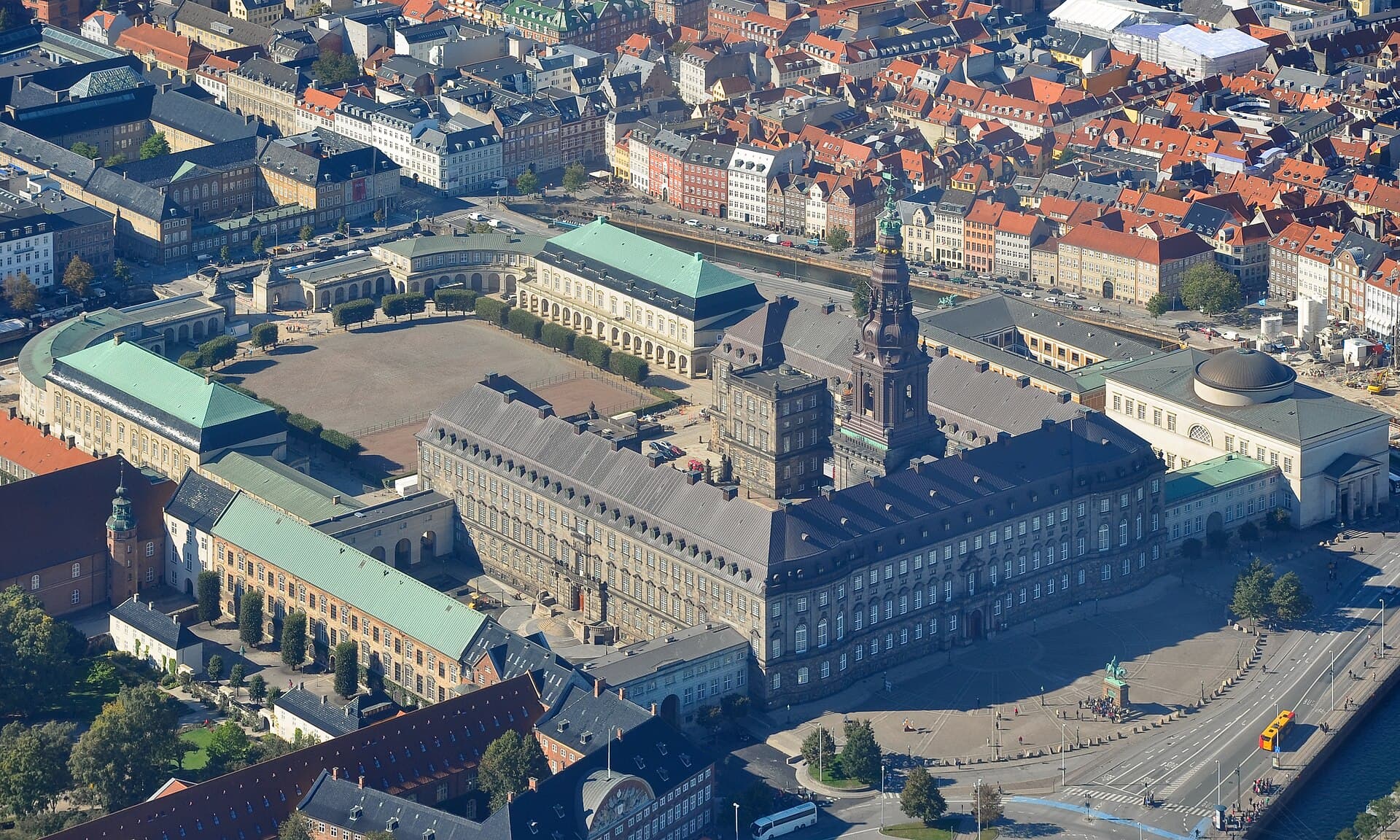 Christiansborg PalaceChristiansborg is the only building in the world housing all three branches of p1 minute walk4.7
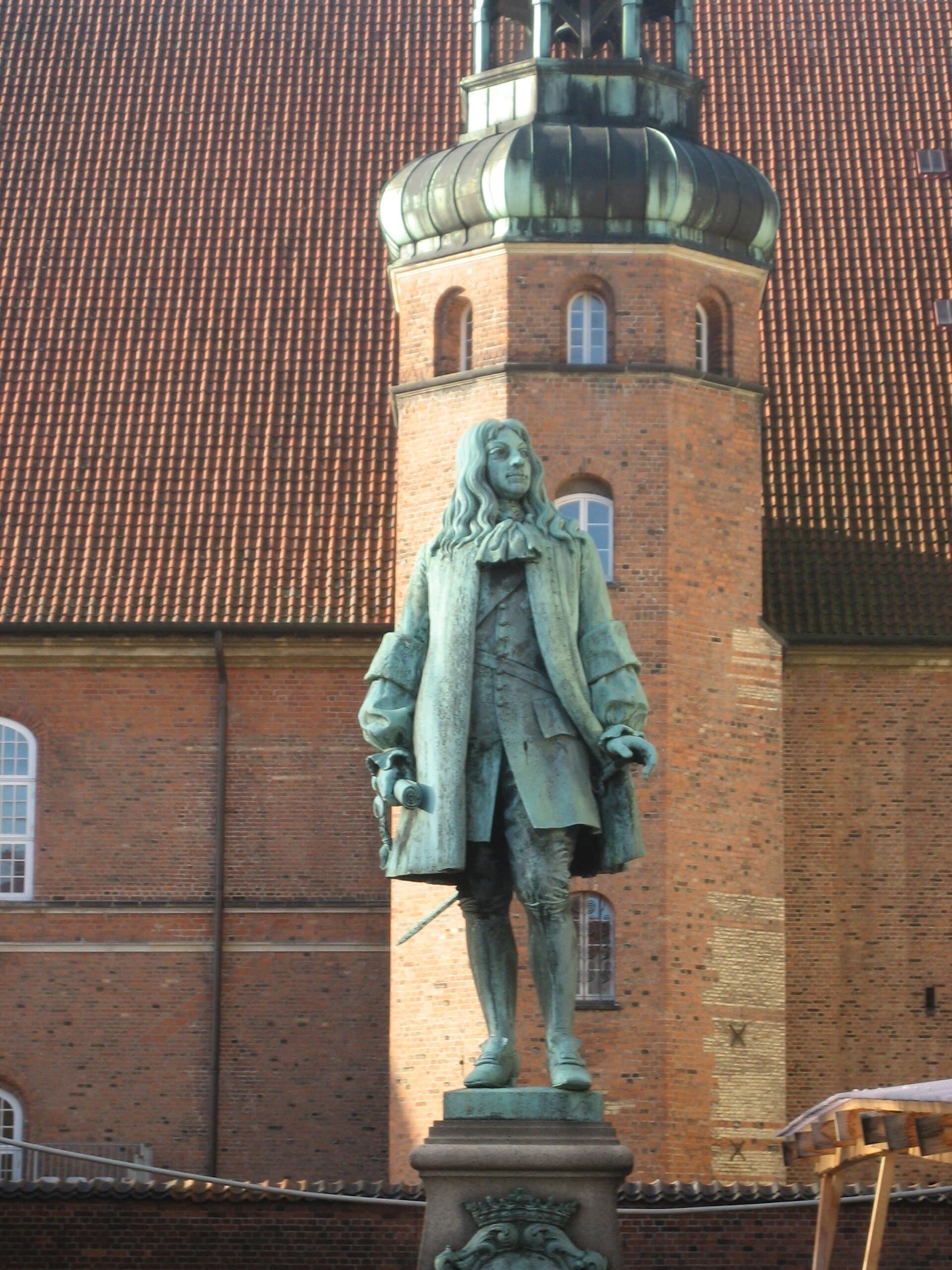 The Royal Library GardenAn enclosed courtyard between the Royal Library and parliament buildings in the 3 minutes walk4.8
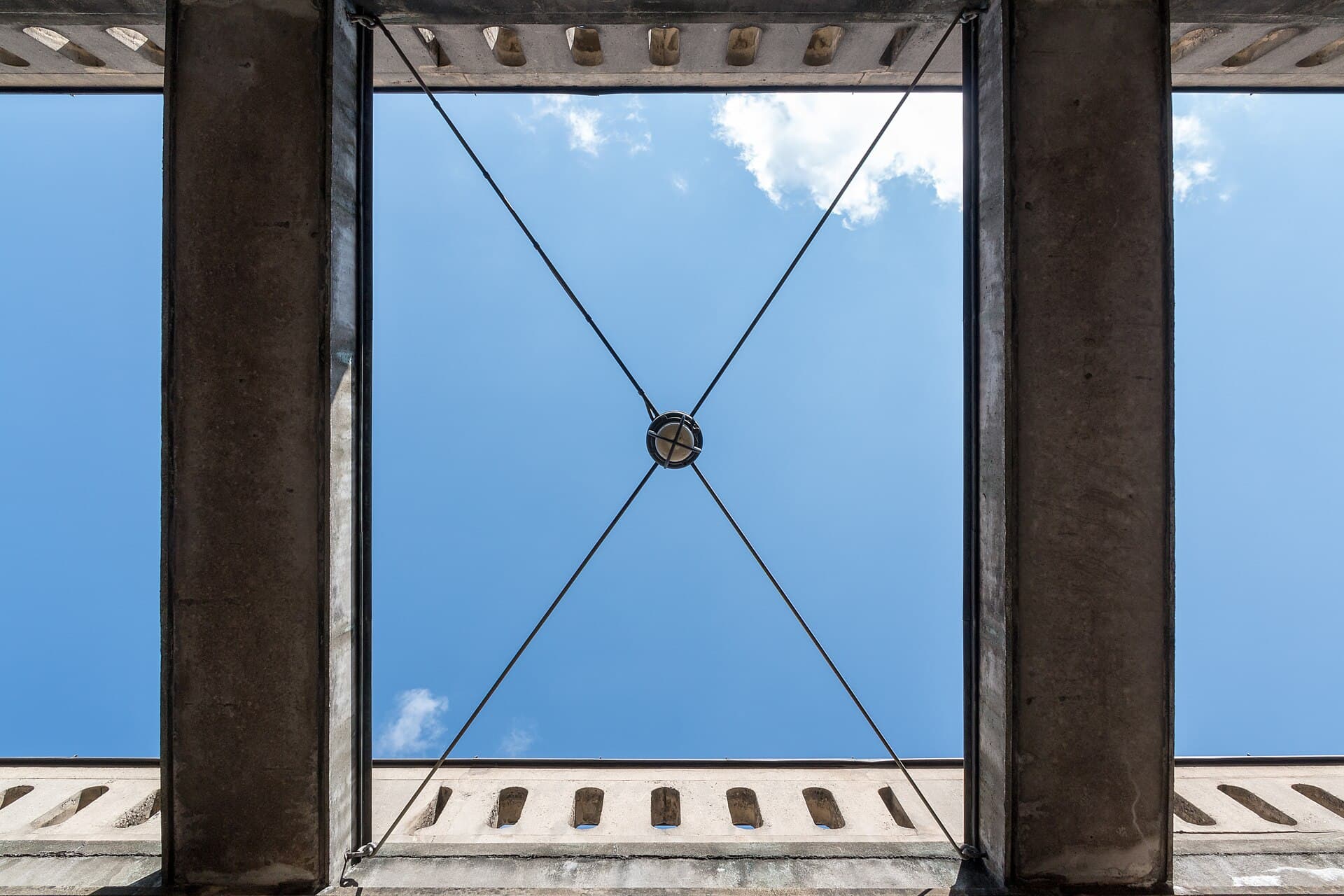 The National Museum of DenmarkThe National Museum is the true Viking vault: in the rococo Prince's Palace (1745 minutes walk4.6
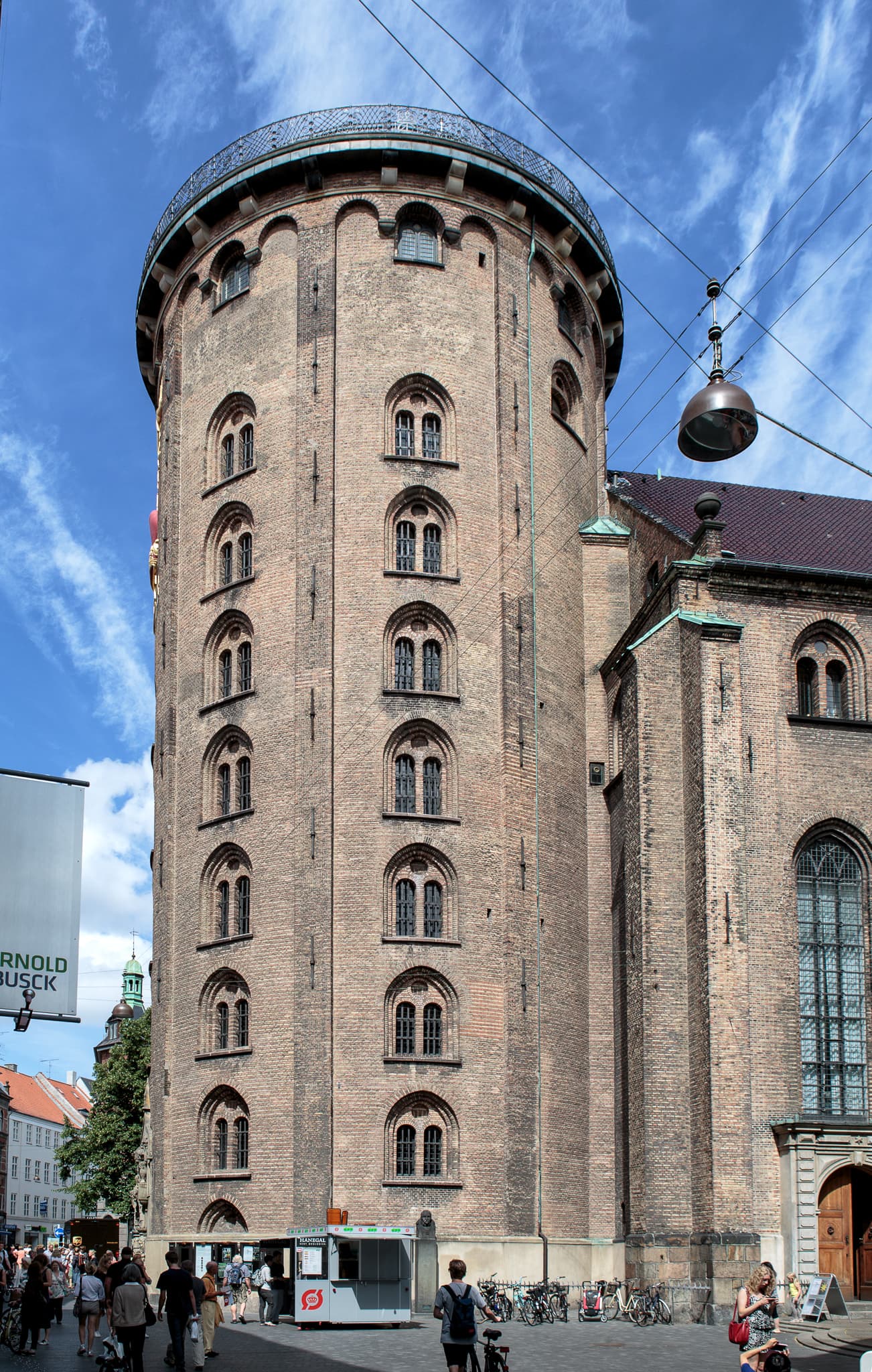 The Round TowerThe Round Tower is Europe's oldest working astronomical observatory (1642) — bui8 minutes walk4.6
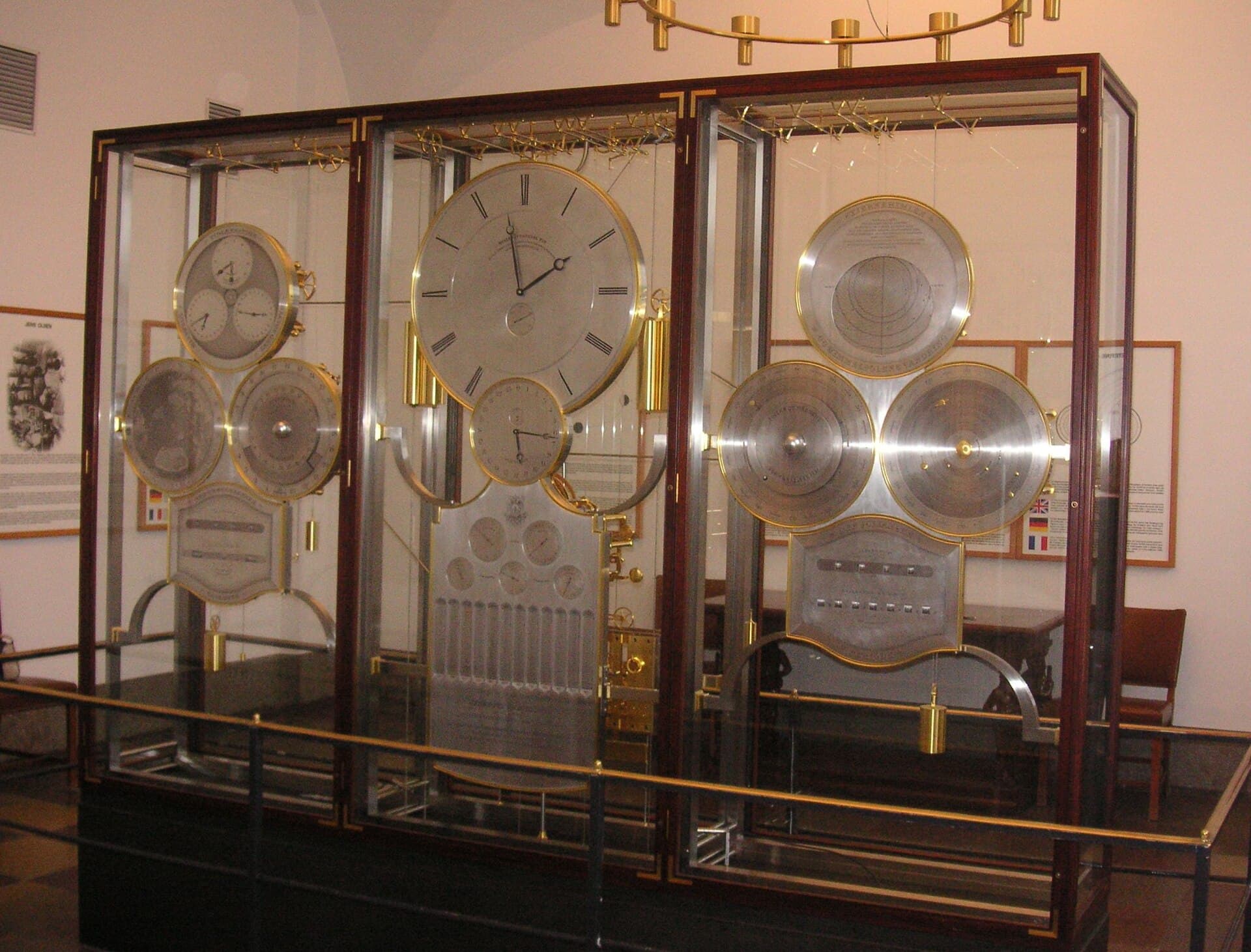 Jens Olsen's World ClockIn a small glazed room inside **Copenhagen City Hall** stands one of the most co8 minutes walk4.7
The palace is split into separate tickets, and the best of them is not the dearest. **The tower is free** — sometimes with a timed booking — and is the highest point in central Copenhagen, with a restaurant at the top; start there. **The royal reception rooms** are the grandest, and hold a modern tapestry cycle telling Danish history in an unexpected style. **The ruins** are the deepest historically. **The royal stables** appeal to children. If you want more than one section the combined ticket is clearly better value. Note that **parliament actually sits in the building**, so parts close on session days.