
The 25,753-year gear
Made to turn once in the lifetime of civilisation.
No machine-readable author provided. Alphalphi~commonswiki assumed (based on copyright claims). — Public domain · Jorge Láscar from Melbourne, Australia — CC BY 2.0 · Jorge Láscar from Melbourne, Australia — CC BY 2.0 · Spencerconnor — CC BY-SA 4.0
In a small glazed room inside **Copenhagen City Hall** stands one of the most complex mechanical devices anyone has built. Its maker, **Jens Olsen**, was a locksmith who taught himself astronomy. He began the calculations in 1924 and spent twenty years on them, started manufacture in 1943, and died in 1945 **without seeing his clock run**. It was finished after his death and started in 1955. It has **12 movements** and about **14,000 parts**, and it shows far more than the time: the Gregorian and Julian calendars, the moveable dates of Easter, sunrise and sunset over Copenhagen, planetary positions, and a rotating star map. Its slowest gear completes one full turn **once every 25,753 years** — the period of the Earth's axial precession. That wheel was made to go round once in the lifetime of civilisation itself. Note: the room is small and the visit is short by nature — twenty minutes is enough.
Made to turn once in the lifetime of civilisation.
Showing the sky over Copenhagen at that moment.
It shows the Gregorian, the Julian, and the moveable dates of Easter.
Copenhagen City Hall, Rådhuspladsen 1
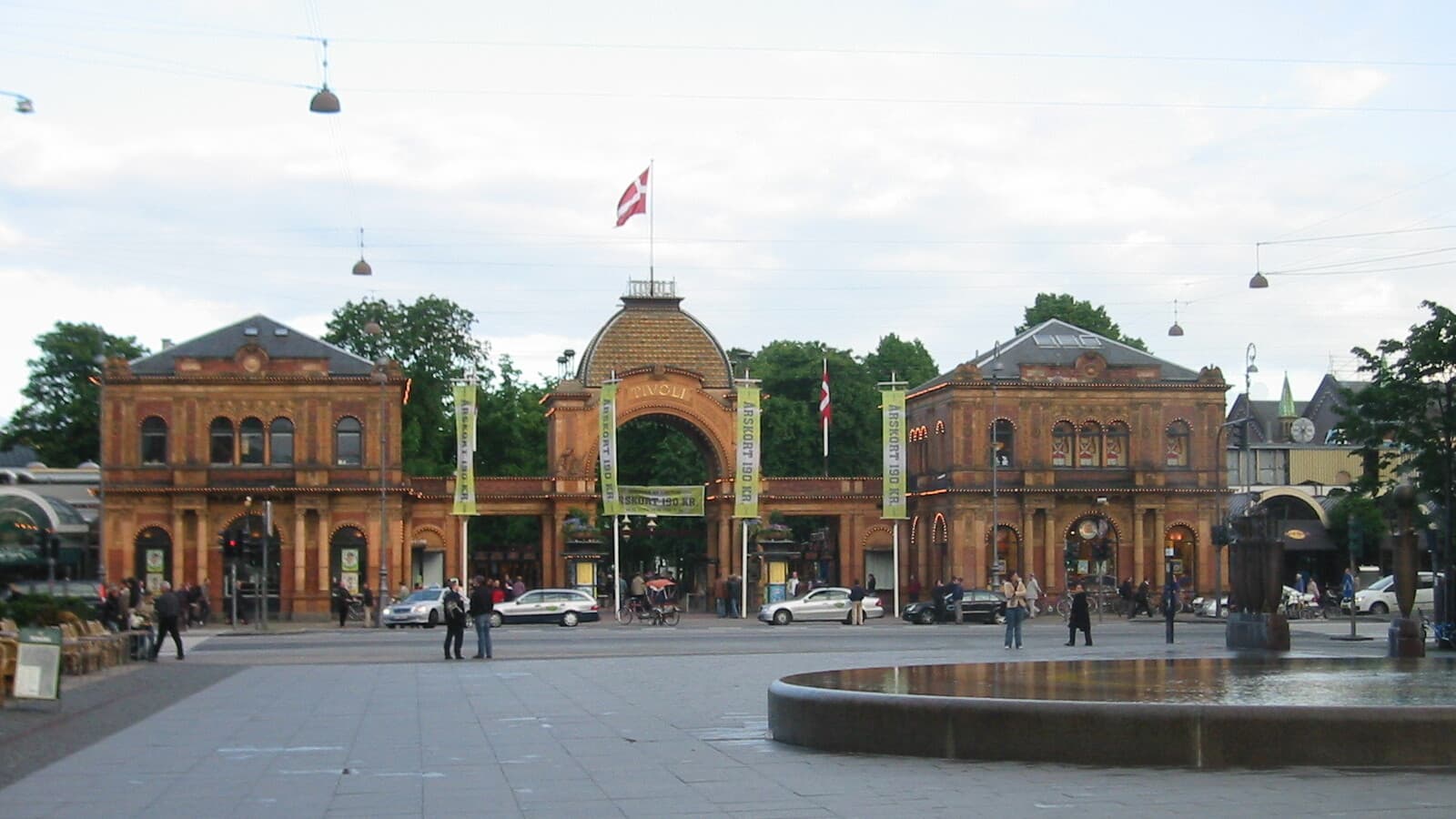 Tivoli GardensTivoli is the world's second-oldest operating amusement park (1843) and the firs3 minutes walk4.6
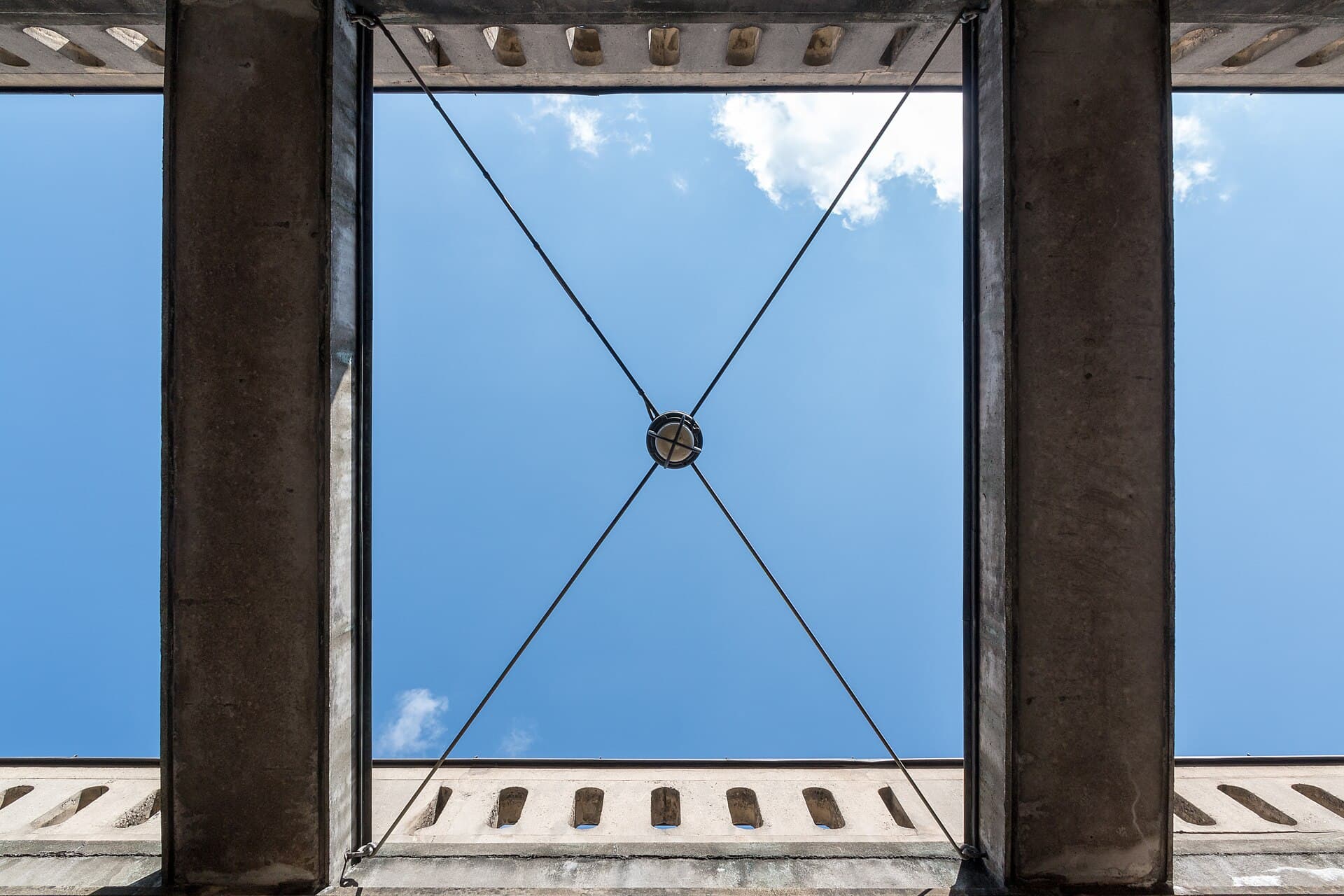 The National Museum of DenmarkThe National Museum is the true Viking vault: in the rococo Prince's Palace (1744 minutes walk4.6
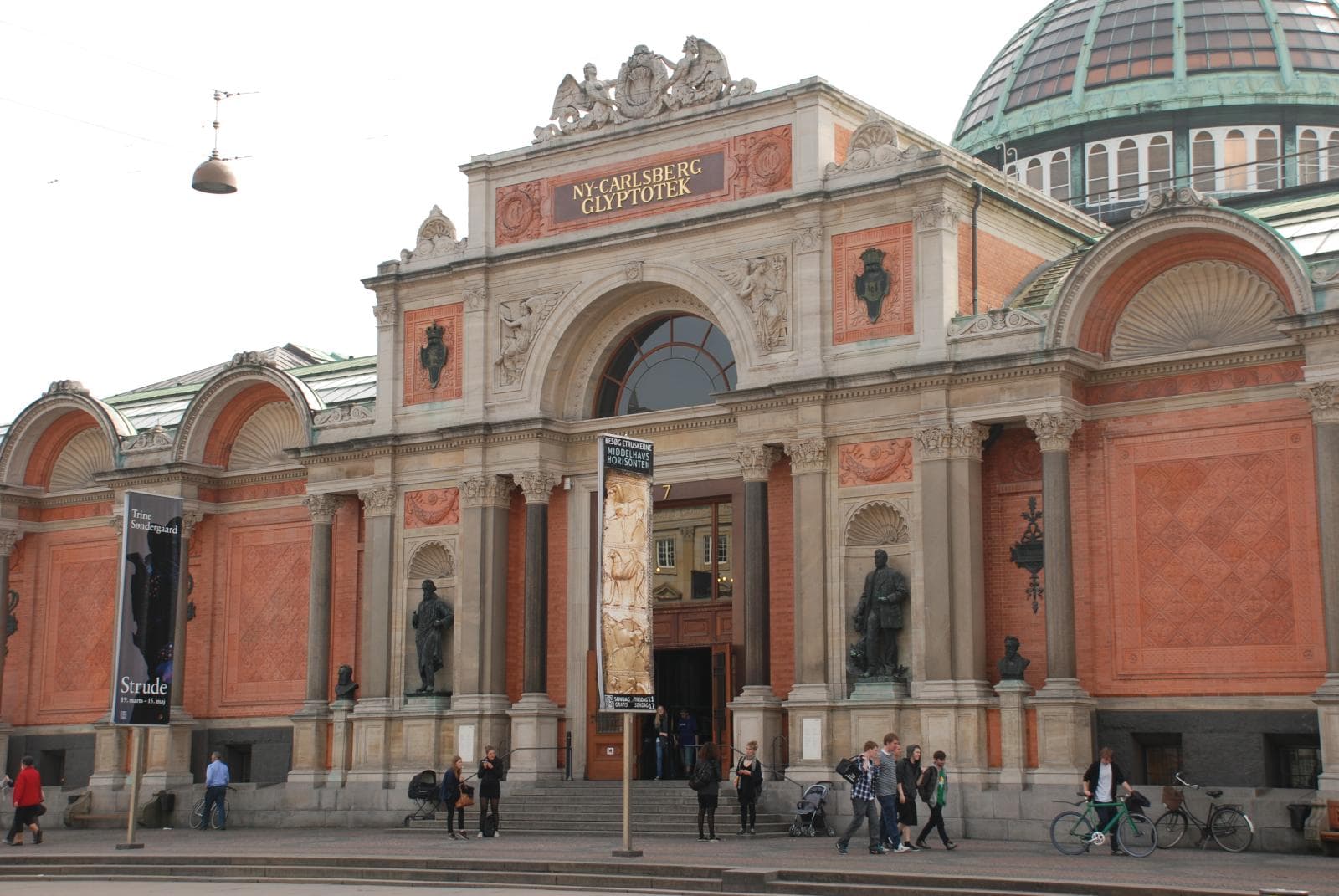 The Ny Carlsberg GlyptotekThe Glyptotek is Copenhagen's most beautiful museum as a building before its col5 minutes walk4.7
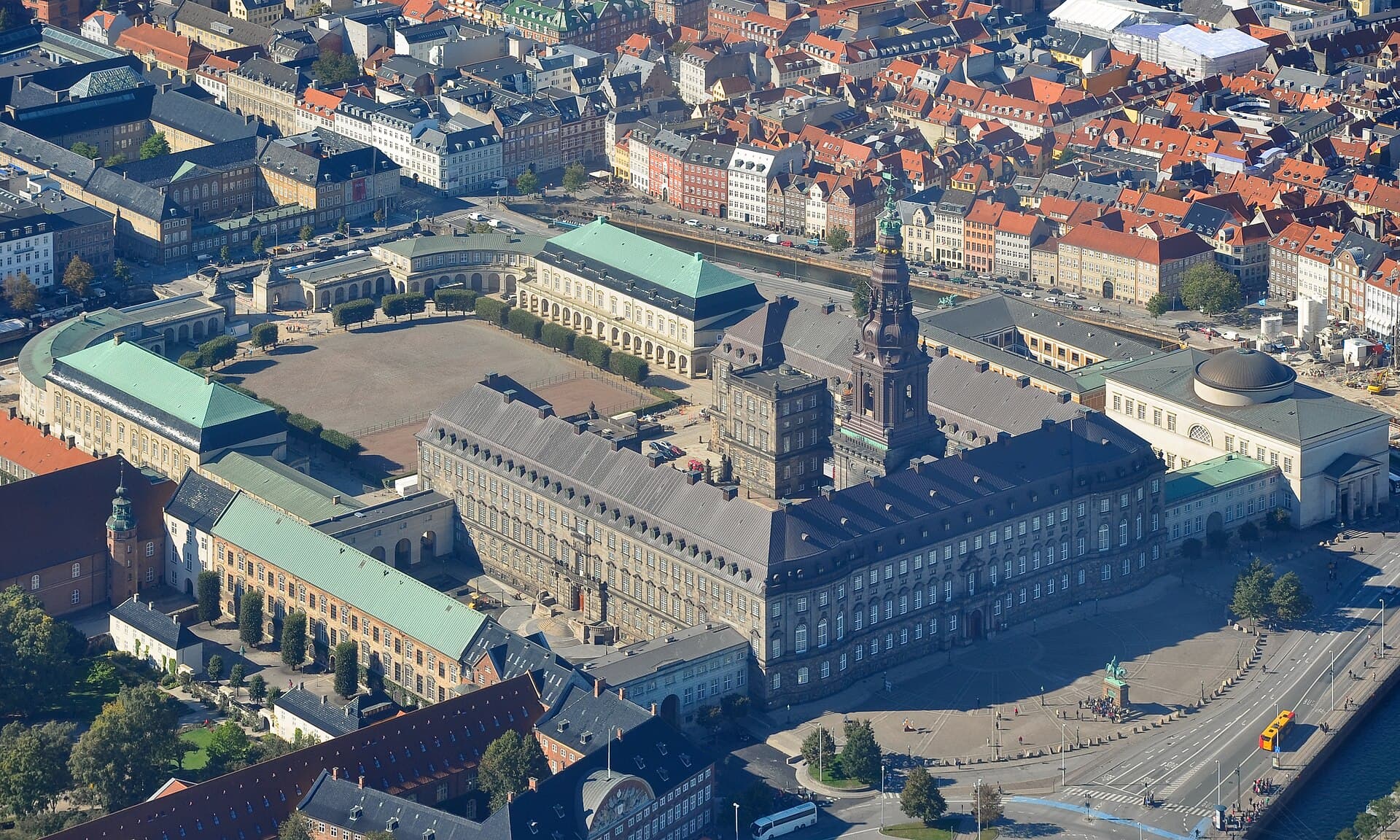 Christiansborg PalaceChristiansborg is the only building in the world housing all three branches of p7 minutes walk4.7
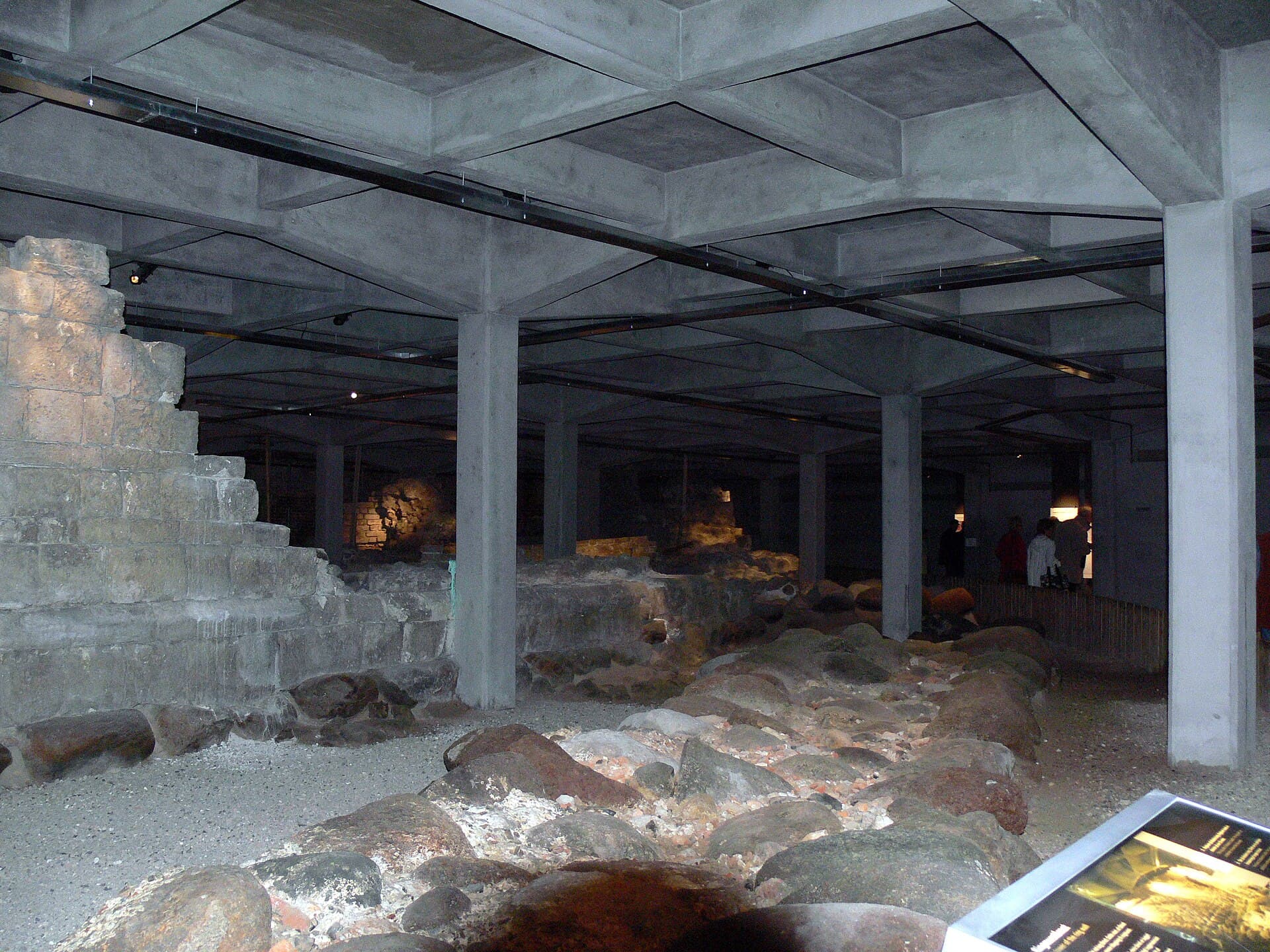 The Ruins under ChristiansborgBeneath the floor of the palace that today holds the **Danish parliament** is an8 minutes walk4.3
Yes. **The great hall is open free** during office hours, and its glass-roofed space is worth entering on its own. The clock is in a side room with a nominal ticket. There is also a paid **guided tour** covering the ceremonial rooms, and a **tower climb** — 300 steps to the top of Denmark's tallest clock tower, at a few set times a week. It is a working government building, so check the board at the entrance: official events close parts of it without notice.