
A faithful rebuild
The 2001 tower recreates the 1887 Ottoman original in andesite, after the 1943 earthquake and an unloved modern stand-in from 1977.
Cobija — CC0 · Cobija — CC BY-SA 4.0 · Cobija — CC BY-SA 4.0 · Elenktra — CC0
The tower standing in Saathane Square today is barely a quarter of a century old, yet the square has carried its name since 1887. That is the whole story in one line: an Ottoman clock tower that was built, condemned, replaced with something modern, and finally rebuilt in its original shape from a different stone. The first tower was raised by a Belgian-born French engineer in stone shipped from Ünye, one of the clock towers Sultan Abdülhamid II ordered to mark the tenth year of his reign, and it opened on 9 May 1887 on what was then İskele Meydanı, the quayside square where cargo came off the boats a stone's throw away. The 1943 Ladik earthquake cracked it badly; a municipal commission ruled it unsafe in 1944, it was taken down in August 1948, and its clock was sold to the town of Ladik for 550 lira. A modern-looking replacement went up in 1977 and never won the city over, so in 2000-01 the municipality rebuilt the tower to its Ottoman form in andesite quarried, fittingly, at Ladik: 16.5 metres tall, two metres across, opened on 30 January 2001. Once you know the history, the new stone reads as an apology. To be plain about it, the tower on its own does not justify a journey. You cannot climb it, there is no ticket and no timetable, and a few minutes are enough to circle it and take your photographs. Its real worth is as the natural starting point for a walk through old Samsun: the bazaar lanes fan out from the square, the stone-built Ottoman Taşhan is a couple of minutes away and now houses cafés and small shops, and right beside the square stands the twin-minaret Büyük Cami, the city's largest historic mosque and the obvious place to pray mid-walk. For families the square is flat and pushchair-friendly, and the surrounding market lanes are busy but safe and reasonably shaded, which counts for something in August's humid Black Sea heat. Come early in the morning or in the late afternoon when the cafés around the han fill up; spring and early autumn bring mild weather and thinner crowds than the summer peak.
The 2001 tower recreates the 1887 Ottoman original in andesite, after the 1943 earthquake and an unloved modern stand-in from 1977.
The market lanes fan out from the square and the Ottoman Taşhan, now full of cafés, is a couple of minutes away.
Samsun's largest historic mosque, with its twin minarets, sits beside the square and is the natural stop for prayer mid-walk.
Saathane Meydanı, İlkadım, Samsun
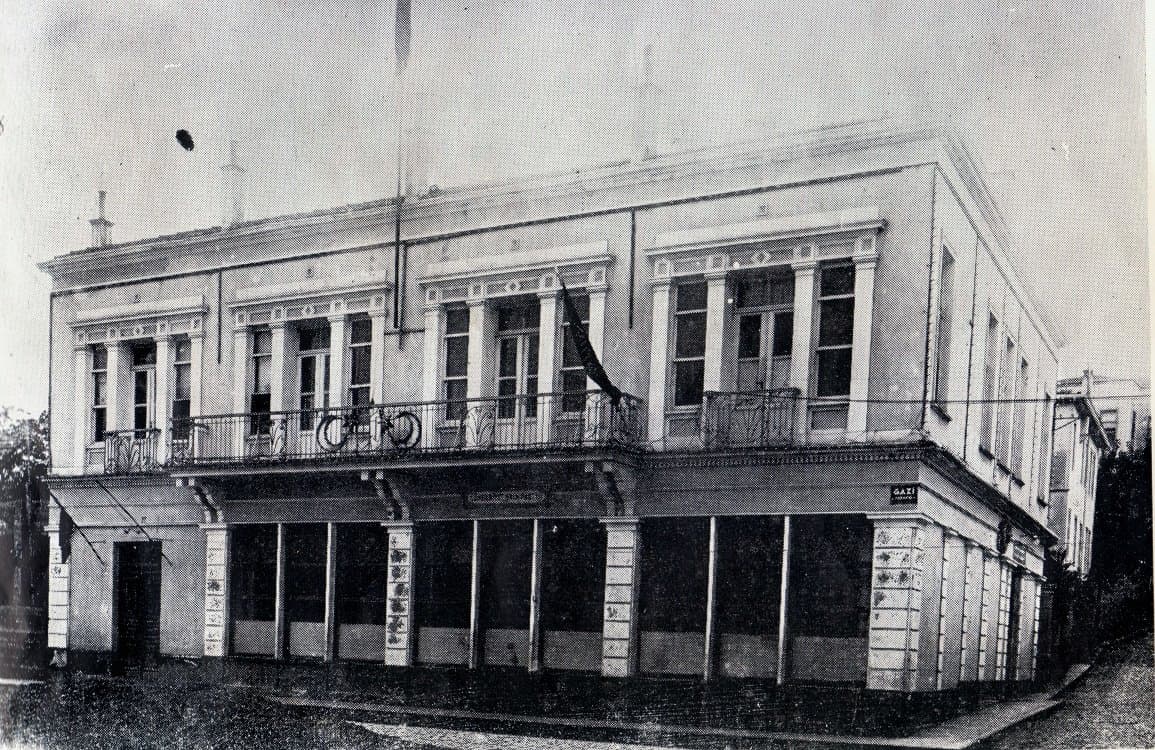 Gazi MuseumThe Turkish Republic was, in a sense, conceived in a modest brick-and-timber hot6 minutes walk
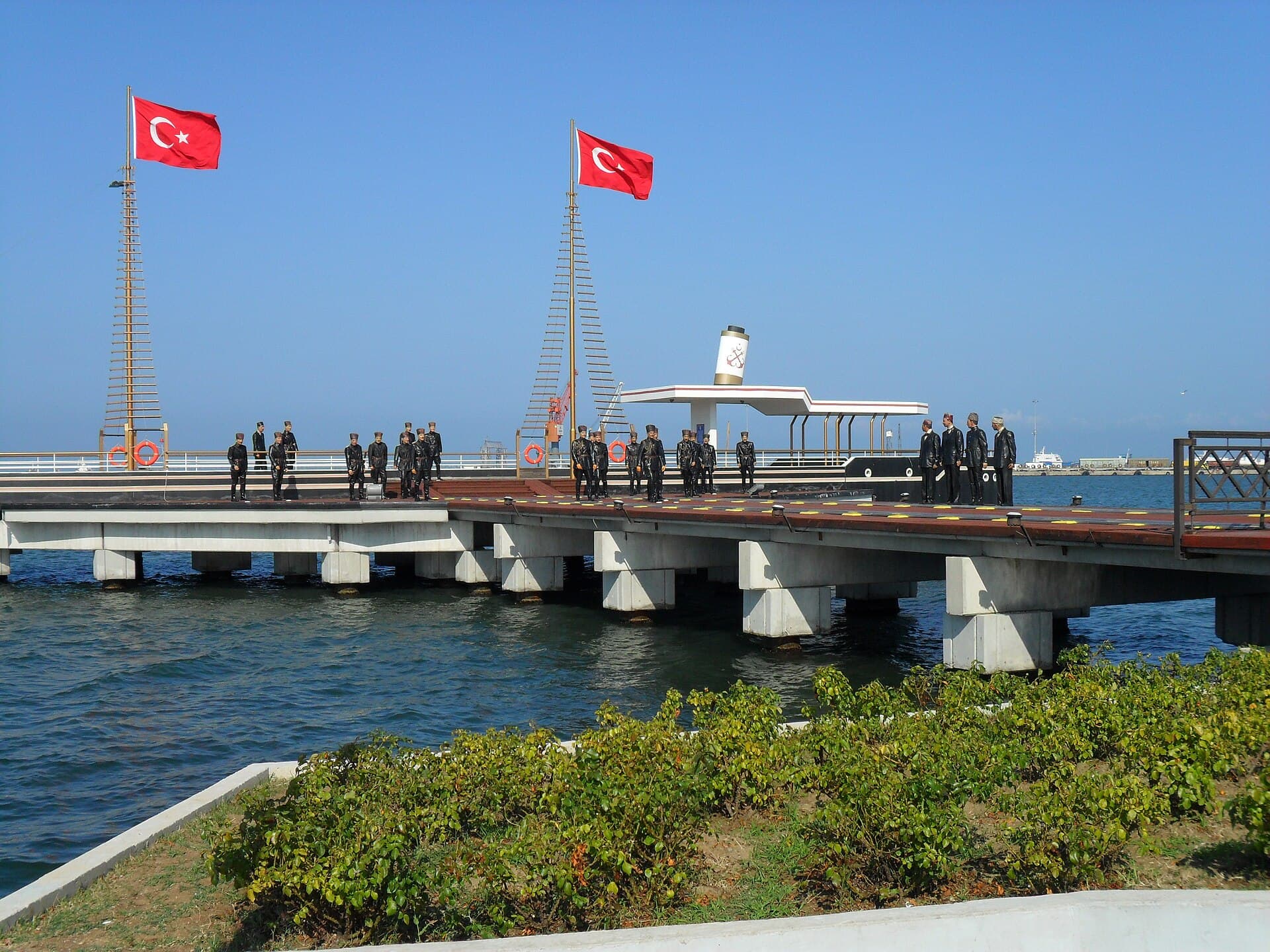 Tobacco PierEvery Turkish schoolchild learns what happened on this exact spot: on the mornin9 minutes walk
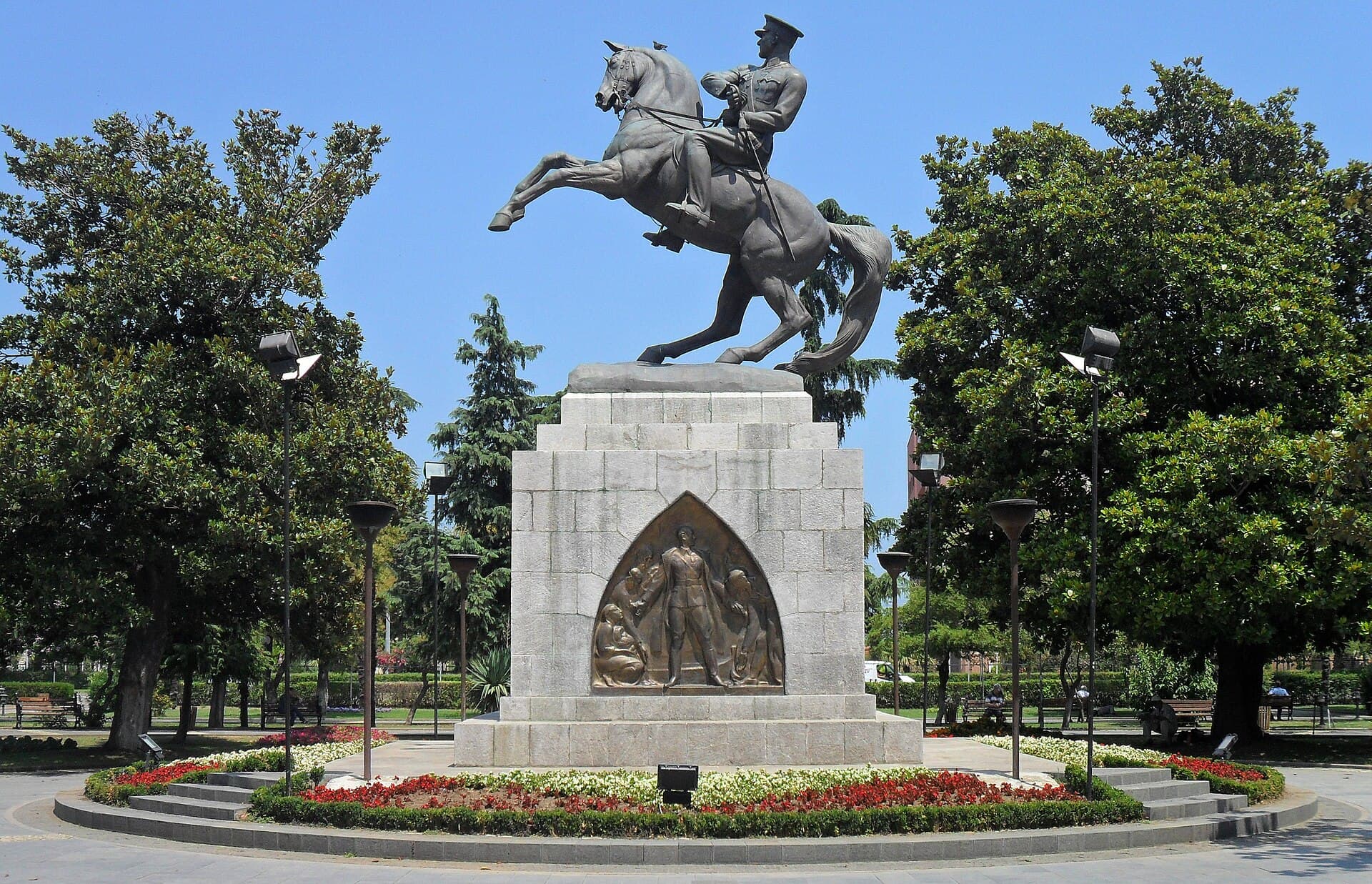 Honour Monument and Atatürk ParkThis bronze horseman was cast in Vienna, shipped from Hamburg to Samsun in thirt9 minutes walk
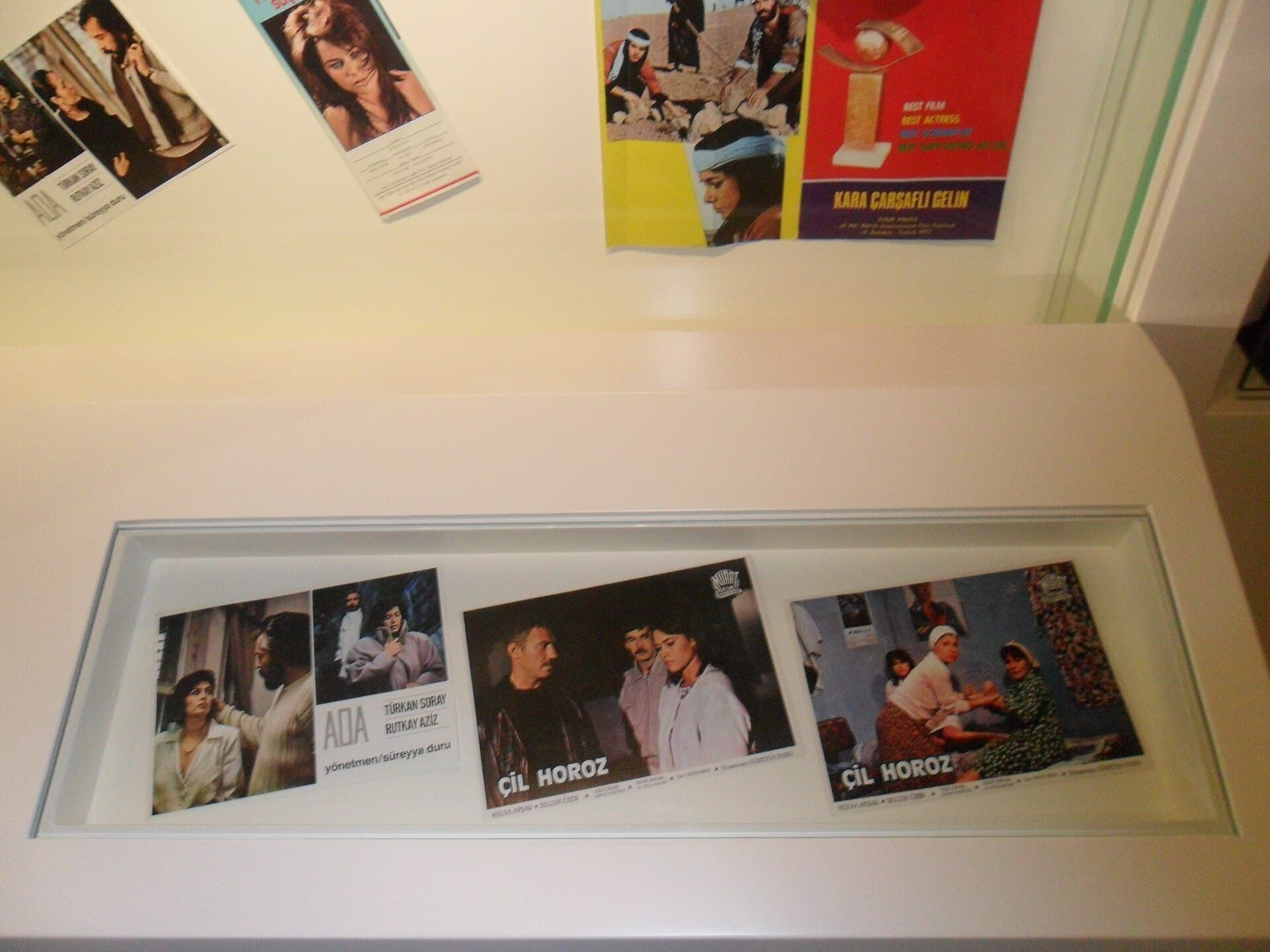 Samsun City MuseumThe railway workers' quarters built in 1928 for the Samsun–Sivas line now hold t14 minutes walk
No. On its own it takes minutes and cannot be climbed. Use it as the starting point of a walk through the old bazaar, Taşhan and Büyük Cami, and the stop becomes a pleasant hour instead of a quick photo.
Yes, the square is flat and the surrounding lanes are paved, if crowded. Avoid midday in July and August; the Black Sea humidity is tiring for small children.