
The bronze horseman
A rearing horse with Atatürk in marshal's uniform, 8.85 metres from ground to crown, cast in Vienna and unveiled on 15 January 1932.
Cobija — CC0 · 𐰇𐱅𐰚𐰤 — CC BY-SA 4.0 · Cobija — CC0 · Cobija — CC0
This bronze horseman was cast in Vienna, shipped from Hamburg to Samsun in thirty-two pieces, went up on its plinth on 29 October 1931 and was formally unveiled on 15 January 1932. The people of Samsun province paid for it, as one of the two inscriptions on the base records, and the sculptor, the Austrian Heinrich Krippel, had already made three Atatürk statues in Turkey before this one. The horse rears on its hind legs; Mustafa Kemal sits above in a marshal's uniform, drawing his sword, facing the sea he arrived from on 19 May 1919 to start the War of Independence from this very shore. That is why the statue became the city's emblem, to the point of being printed on the 100,000-lira banknote in the 1990s. The numbers explain the presence it has: the bronze alone is 4.75 metres, the marble-clad stone plinth another 4.10, so the rider sits 8.85 metres above the heads of anyone in the park. The two reliefs on the sides of the base reward a full circuit: one shows a boat run up on the shore with men carrying ammunition off it during the struggle, the other places Atatürk with arms outstretched between figures representing the Turkish nation. The park itself is small, shaded, free and ungated, and almost all of it is flat paving, fine for pushchairs and older relatives. It sits in the heart of İlkadım between Cumhuriyet Caddesi and Atatürk Boulevard, with the seafront just beyond the boulevard: the Gazi Museum is a few minutes' walk west, the City Museum a few minutes the other way, and the Tobacco Pier with its landing memorial is down on the water. Every 19 May the park is one of the city's official ceremonial stages, which is both the finest time to see it and the most crowded. Set expectations honestly: this is a memorial you stand in front of for ten minutes, take the photograph, read the two inscriptions and move on. It does not justify a dedicated trip, but it earns its place as a stop on a walking loop that strings it together with the Gazi Museum and the pedestrian streets down to the Tobacco Pier, all within a quarter of an hour on foot. In August heat go early or after mid-afternoon; there is shade, but not enough of it at midday.
A rearing horse with Atatürk in marshal's uniform, 8.85 metres from ground to crown, cast in Vienna and unveiled on 15 January 1932.
Two carved panels on the sides of the base: a boat on the shore with men carrying off ammunition, and Atatürk with arms outstretched among figures of the nation.
The statue that appeared on the 100,000-lira banknote, and where the official 19 May ceremony is held every year.
Kale Mahallesi, Cumhuriyet Caddesi, İlkadım, Samsun
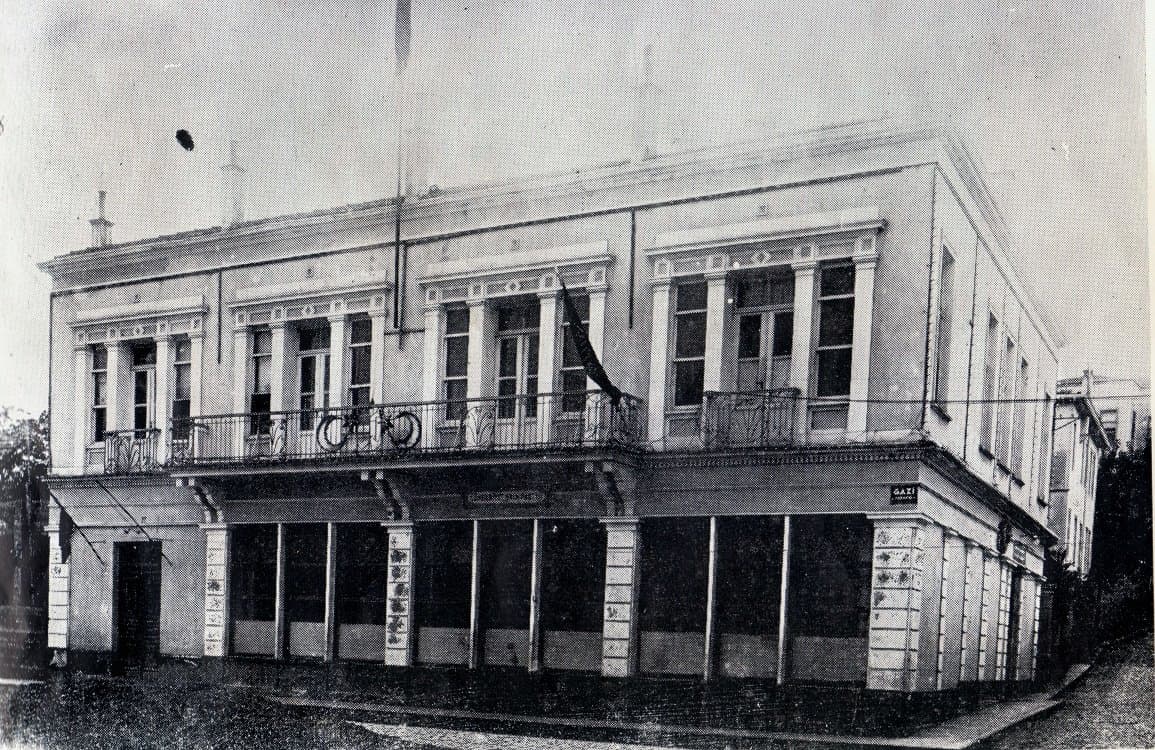 Gazi MuseumThe Turkish Republic was, in a sense, conceived in a modest brick-and-timber hot5 minutes walk
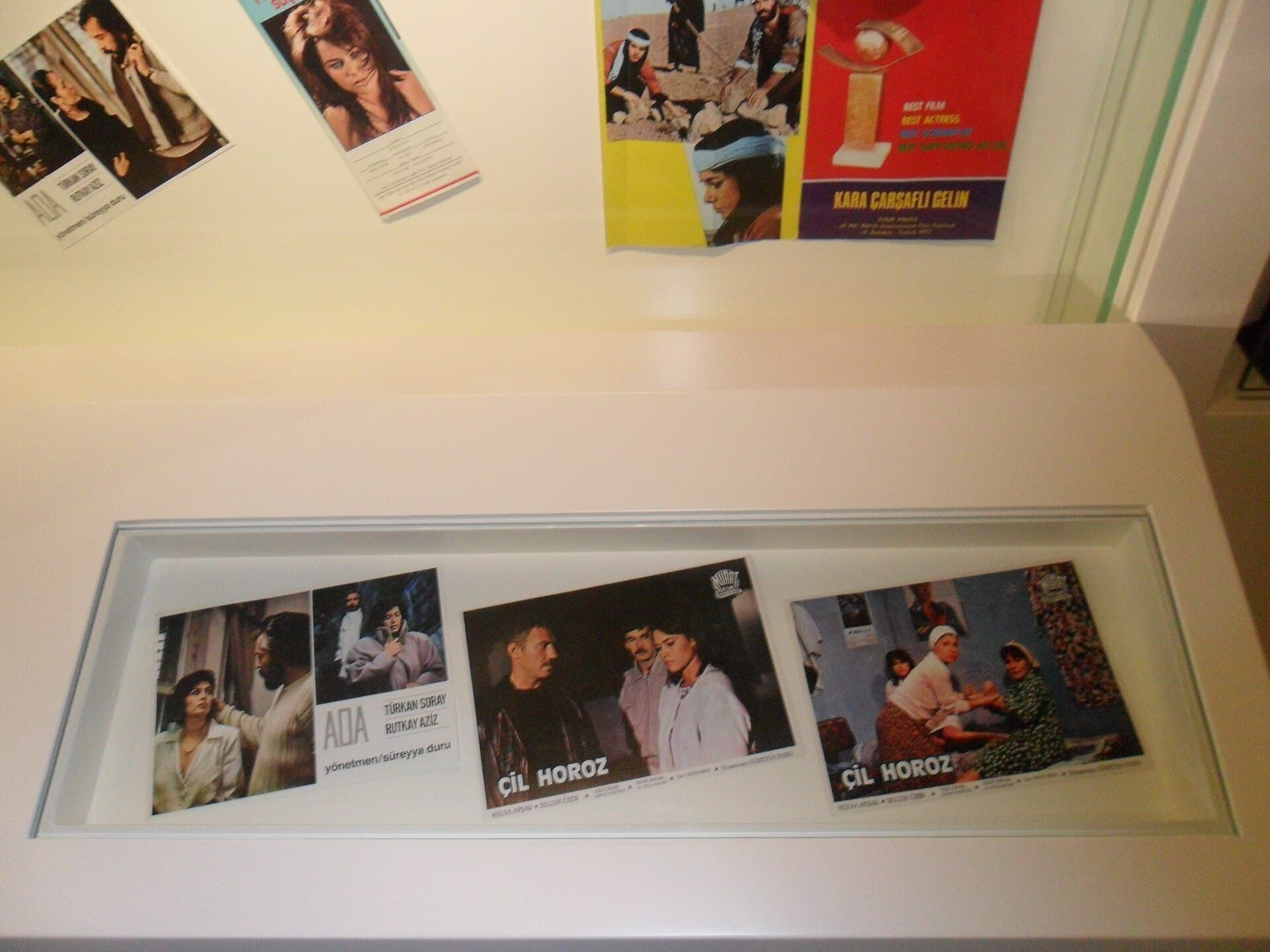 Samsun City MuseumThe railway workers' quarters built in 1928 for the Samsun–Sivas line now hold t5 minutes walk
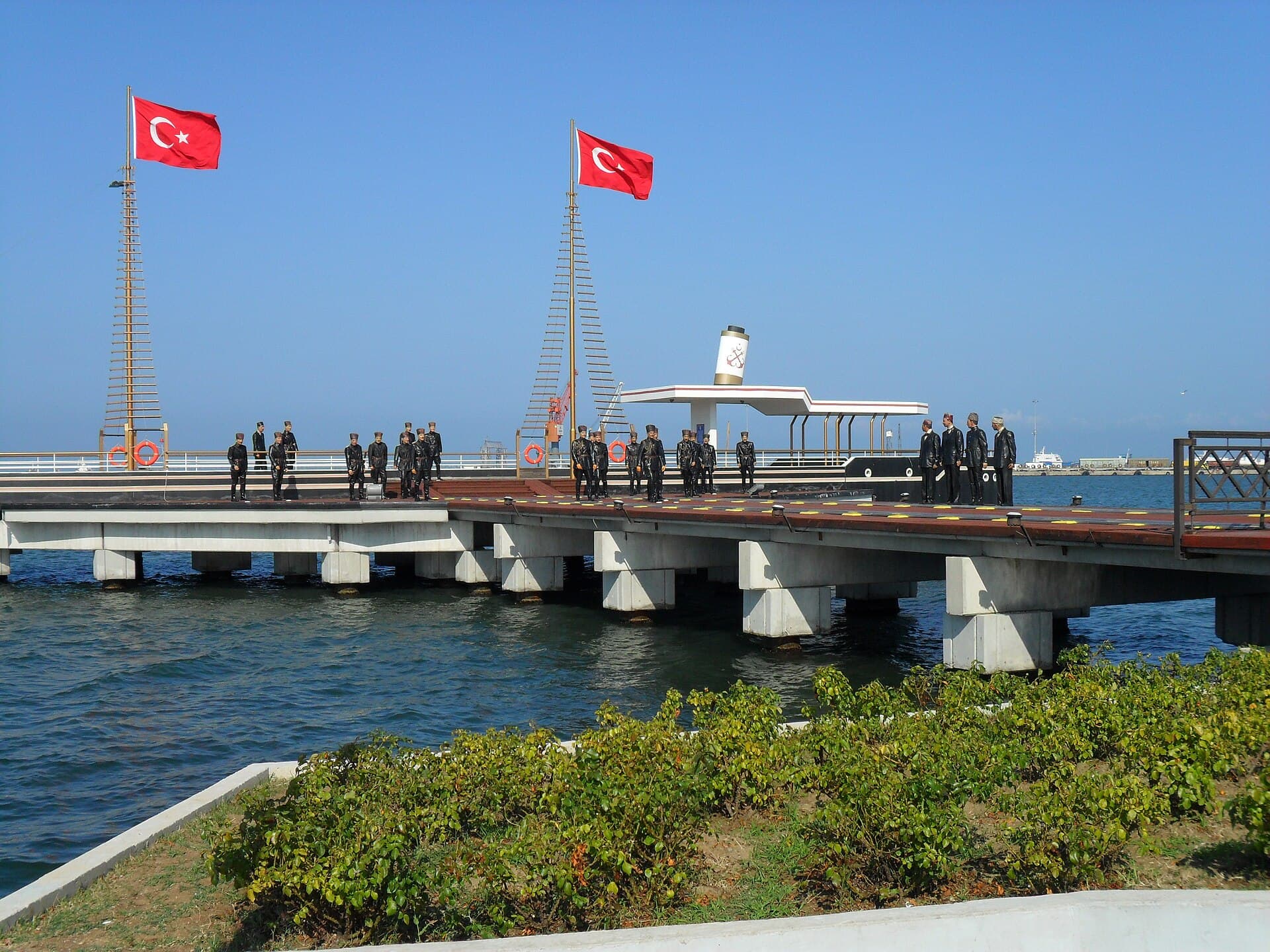 Tobacco PierEvery Turkish schoolchild learns what happened on this exact spot: on the mornin7 minutes walk
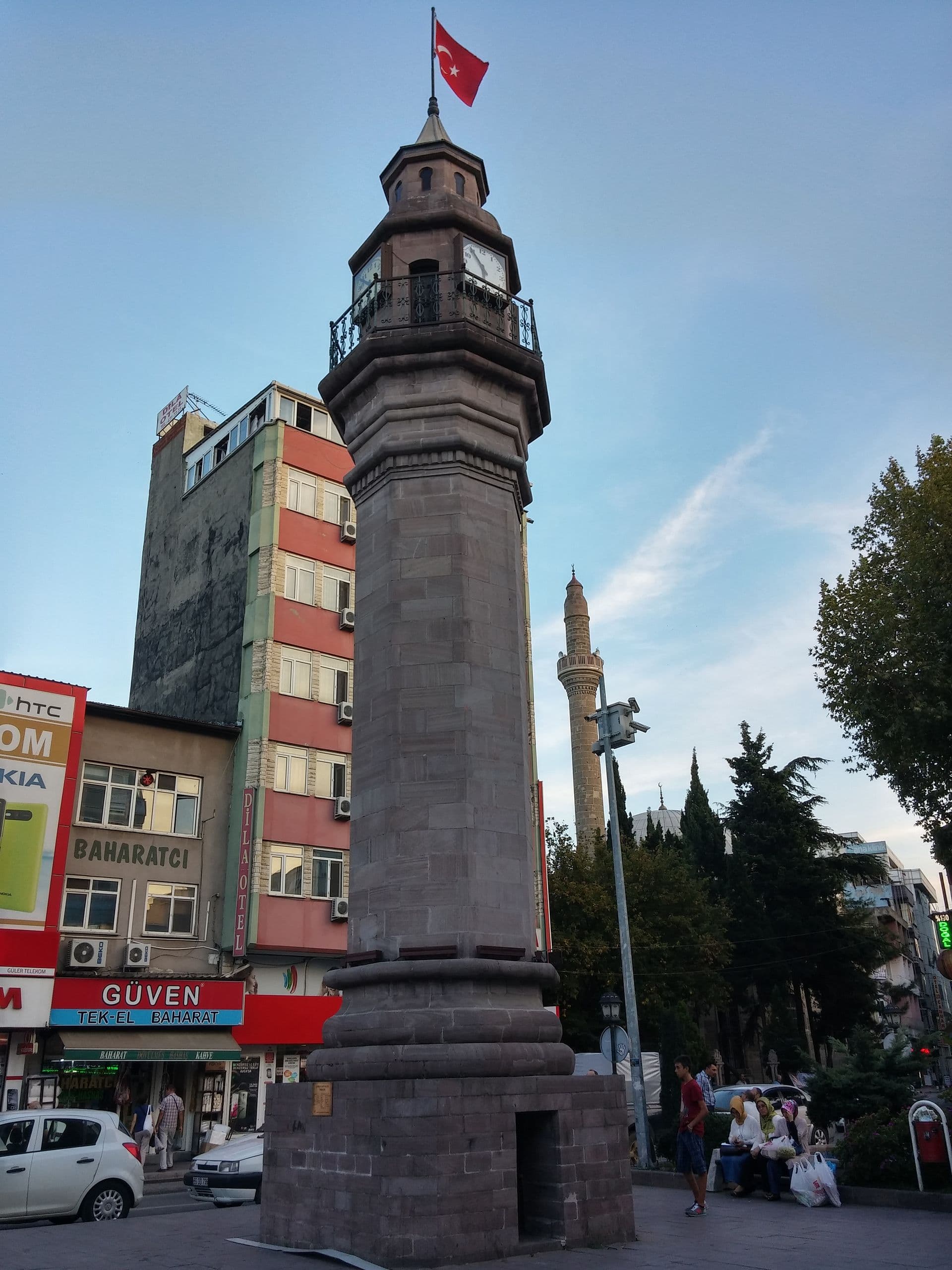 Samsun Clock TowerThe tower standing in Saathane Square today is barely a quarter of a century old9 minutes walk
Pass it on the way. The monument is handsome but it is a ten-minute stop, not an outing; fold it into a walk that starts at the Gazi Museum and ends at the Tobacco Pier and you will have covered the best of central Samsun in a couple of hours.
Yes: flat paving, shade and no stairs to speak of, but it is a small park with no playground; children will get more out of the nearby seafront promenade.