
The room where it all began
The bedroom and study are furnished with period pieces to evoke May 1919, when Mustafa Kemal sent his first telegrams to Anatolia from here.
Unknown authorUnknown author — Public domain · Cobija — CC BY-SA 3.0 · Cobija — CC BY-SA 3.0 · Cobija — CC BY-SA 3.0
The Turkish Republic was, in a sense, conceived in a modest brick-and-timber hotel a few steps from the harbour. When Mustafa Kemal stepped off the steamer Bandırma onto the Samsun quay on the morning of 19 May 1919 he needed nothing more than a room, and he took one at the Mıntıka Palas, built in 1902. He stayed less than a week, from 19 to 25 May, but it was the week in which he sent his first telegrams to the commanders of Anatolia and set the War of Independence in motion, which is why the date is still a national holiday. He came back in September 1924 and the townspeople gave him the building as a gift; he slept here again in 1928 and 1930, and after his death it passed to his sister Makbule, was expropriated by the municipality in 1939 and opened as a museum in the autumn of 1940. What you see now is the product of a restoration that reopened it in November 1998, plus the 2006 transfer of the city's old Atatürk Museum collection: civilian and military belongings, documents and photographs, a model of the Bandırma, and period furniture that reconstructs his bedroom and study. The pieces people remember are the life-size wax figures of Atatürk and the eighteen companions who landed with him, posed in the rooms so convincingly that they can catch you off guard in a doorway. It is small: two floors and a handful of rooms, so thirty to forty-five minutes is plenty, and entry is free with no ticket or booking. This is an early-twentieth-century hotel, so expect a staircase to the upper floor, no lift, and leave the pushchair behind. Children take to the wax figures more than the paperwork, but the whole visit is over before boredom sets in. Treat it as one stop on a single walk: the Honour Monument in Atatürk Park is two minutes away, the Tobacco Pier where Mustafa Kemal actually came ashore is about five minutes towards the sea, and the promenade runs on from there. If your time in Samsun is short and you have children in tow, the full-scale Bandırma ship in Doğu Park is the more spectacular experience; this museum comes after it, not before.
The bedroom and study are furnished with period pieces to evoke May 1919, when Mustafa Kemal sent his first telegrams to Anatolia from here.
Life-size figures of the men who landed with him from the Bandırma, placed through the rooms in a way that keeps catching you out.
A brick hotel of 1902 with timber interior walls, given to Atatürk by the people of Samsun in 1924.
Gazi Caddesi 62, Kale Mahallesi, İlkadım
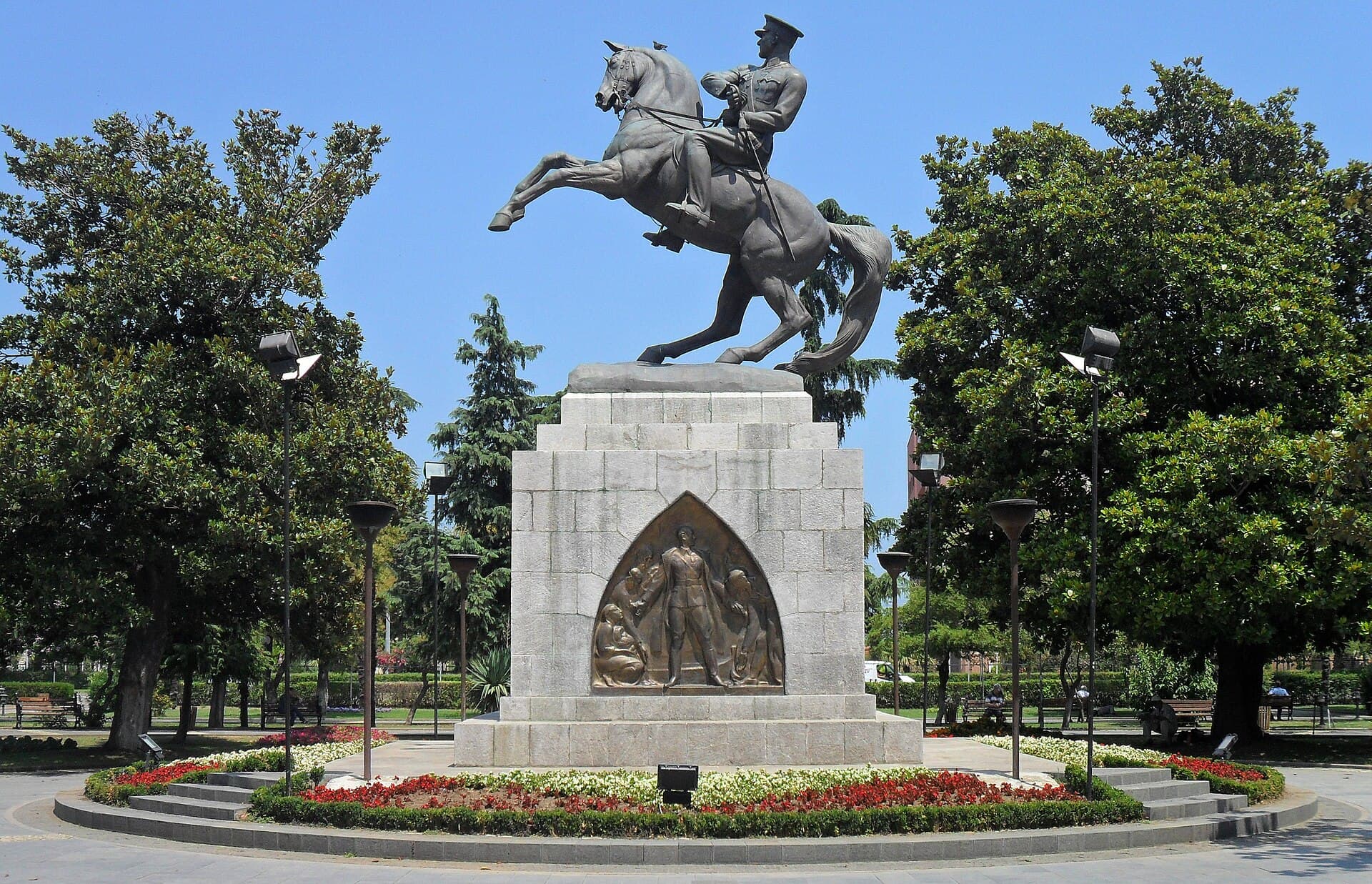 Honour Monument and Atatürk ParkThis bronze horseman was cast in Vienna, shipped from Hamburg to Samsun in thirt5 minutes walk
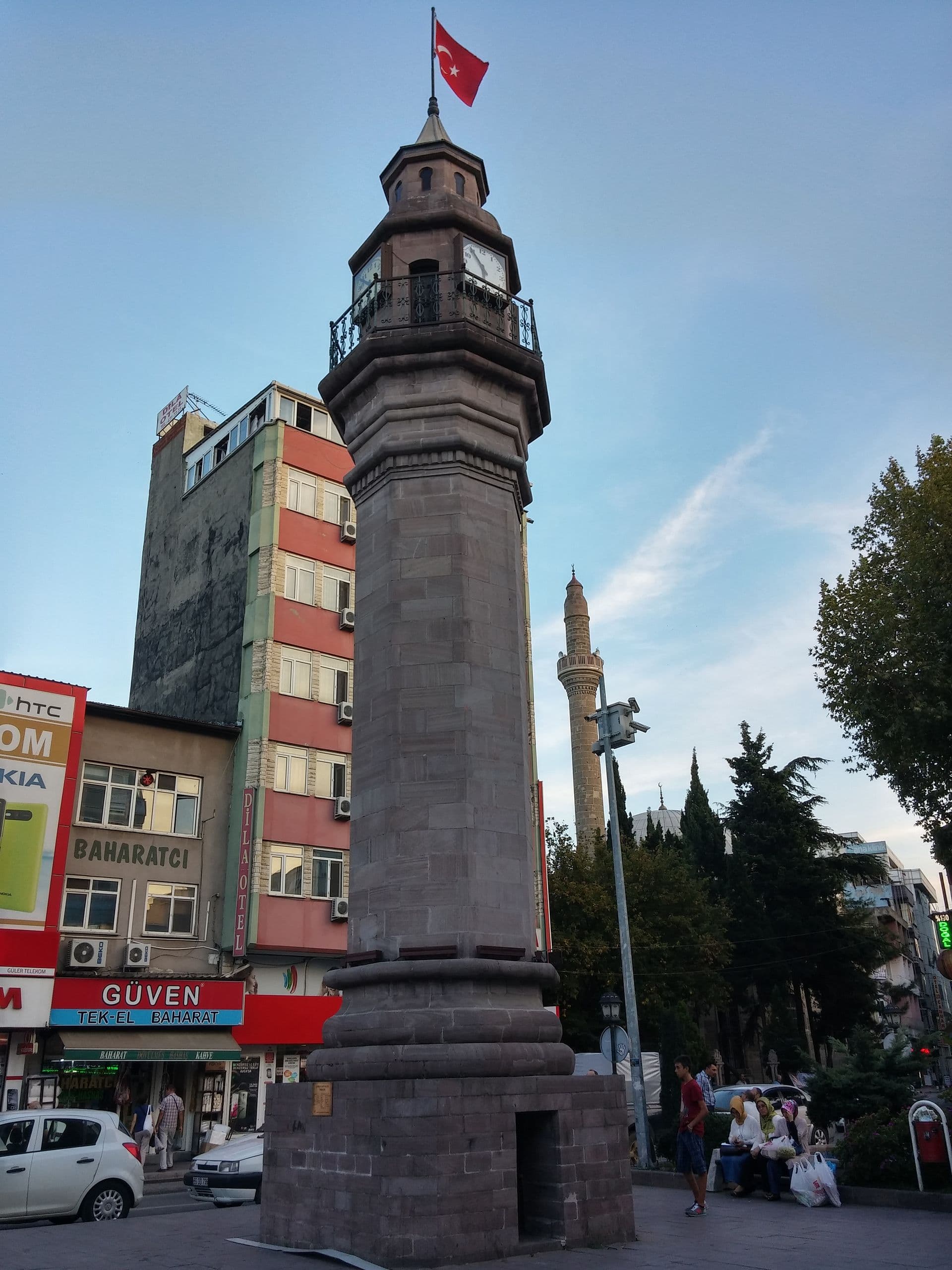 Samsun Clock TowerThe tower standing in Saathane Square today is barely a quarter of a century old6 minutes walk
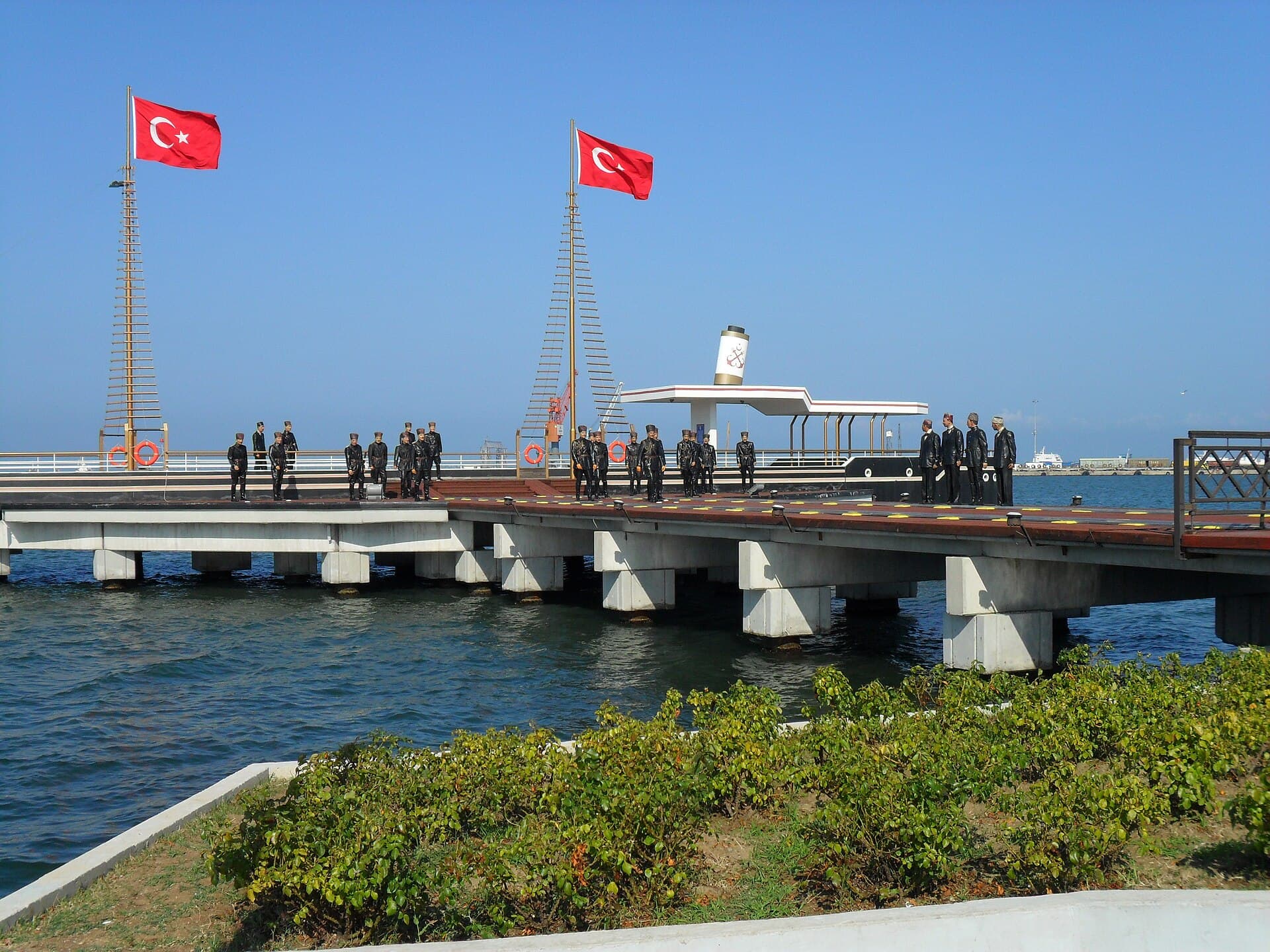 Tobacco PierEvery Turkish schoolchild learns what happened on this exact spot: on the mornin9 minutes walk
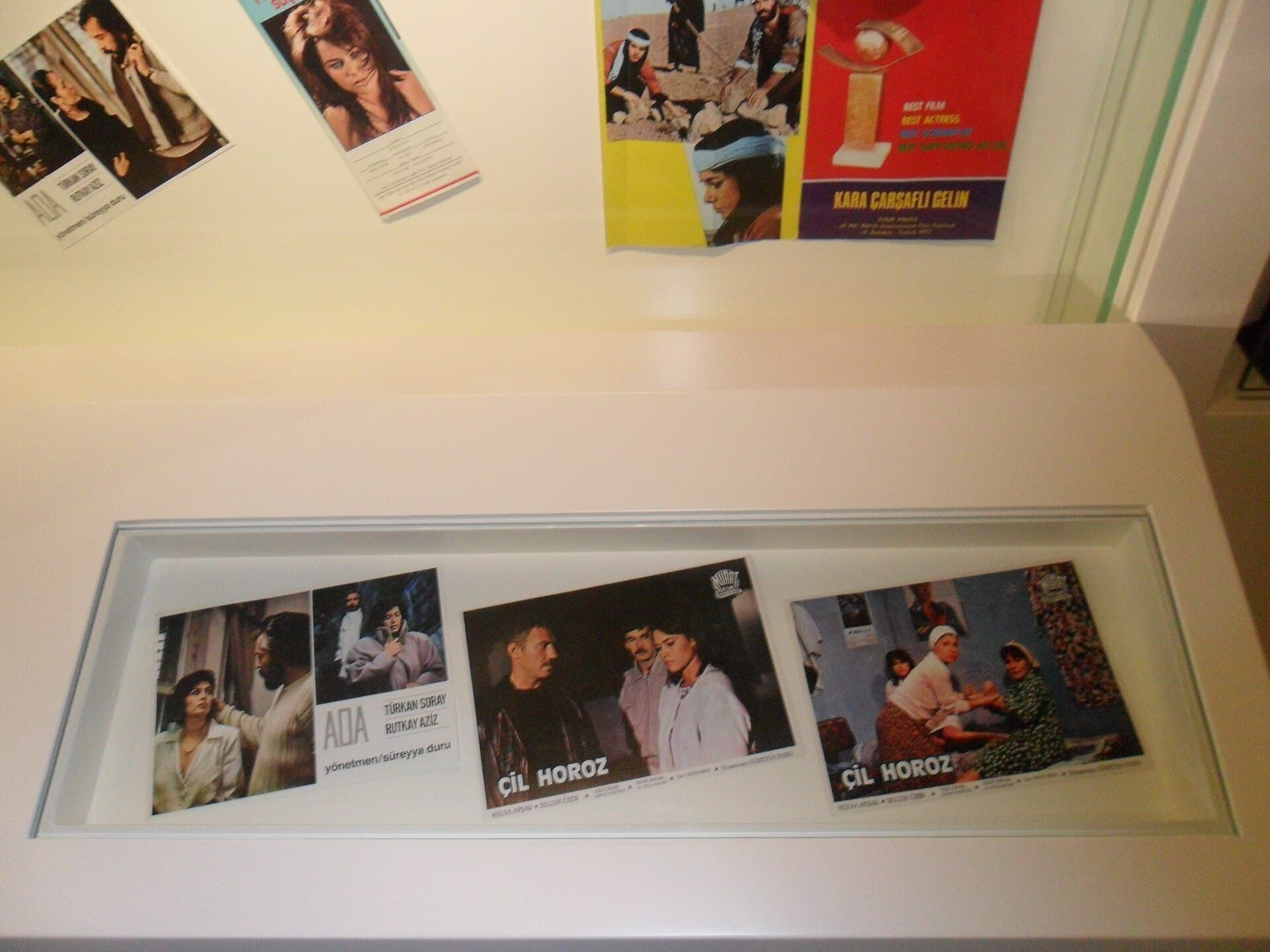 Samsun City MuseumThe railway workers' quarters built in 1928 for the Samsun–Sivas line now hold t10 minutes walk
The Bandırma in Doğu Park: a full-scale ship you climb aboard, set in a large seafront park that suits children. The Gazi Museum is smaller, quieter and more central, and worth half an hour if you are already heading to the Tobacco Pier, but it is not something to make a special trip for on its own.
Yes, as long as you arrive with the one idea that matters: Atatürk launched the War of Independence from these rooms in May 1919. The labels are brief, and the wax figures and furnished rooms tell the story without much reading.