
Two thousand years of trade
Cologne was the Rhine wine trade's centre from Roman times.
Following Hadrian — CC BY-SA 2.0 · Following Hadrian — CC BY-SA 2.0 · Following Hadrian — CC BY-SA 2.0 · Following Hadrian — CC BY-SA 2.0
A small museum on the history of wine in the Rhineland, north of central Cologne. The historical context explains why it exists: viticulture in the Rhine and Moselle regions goes back to the Romans, who brought it north of the Alps in the first century. Cologne — a Roman colony named Colonia Agrippina — was a centre of the river wine trade, and remained so through the Middle Ages when Europe's rivers were the main trade routes. The display includes presses, barrels, vessels, tools, bottles and trade documents, covering two thousand years of an industry that defines the region. Expectations should be set: this is a small specialised museum attached to a working wine business, not a major institution. Hours may be limited and a visit may need arranging in advance. For anyone interested in wine or in the history of farming and trade on the Rhine it is a pleasant addition. For others, Cologne holds far stronger claims: the cathedral, the Romano-Germanic Museum and the Museum Ludwig.
Cologne was the Rhine wine trade's centre from Roman times.
Tools and trade documents explaining how the industry worked across centuries.
A small museum attached to a working business, not a major institution.
North of central Cologne
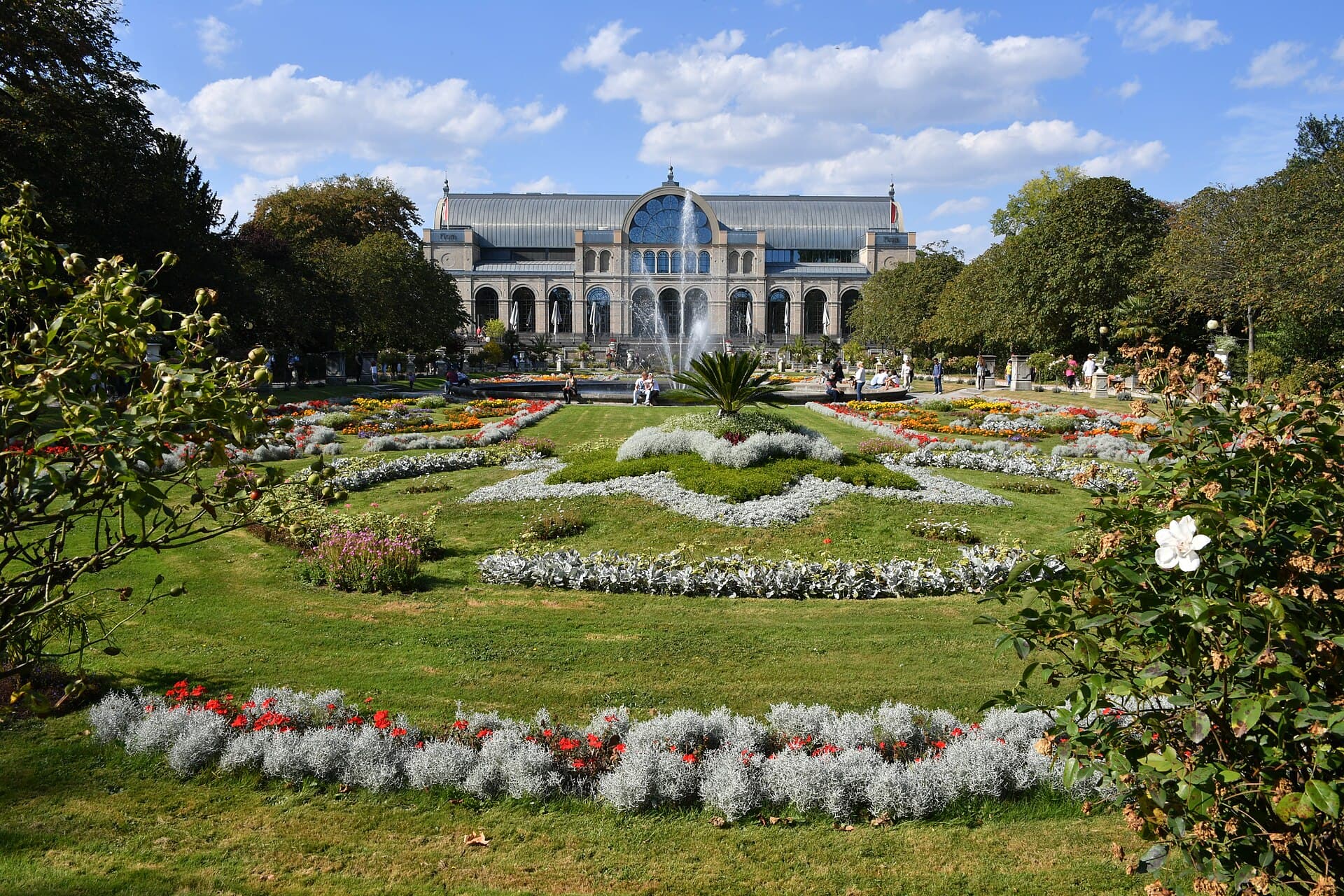 Flora and Botanical GardenThe Flora opened in eighteen sixty-four as a private pleasure garden laid out by5 minutes walk4.6
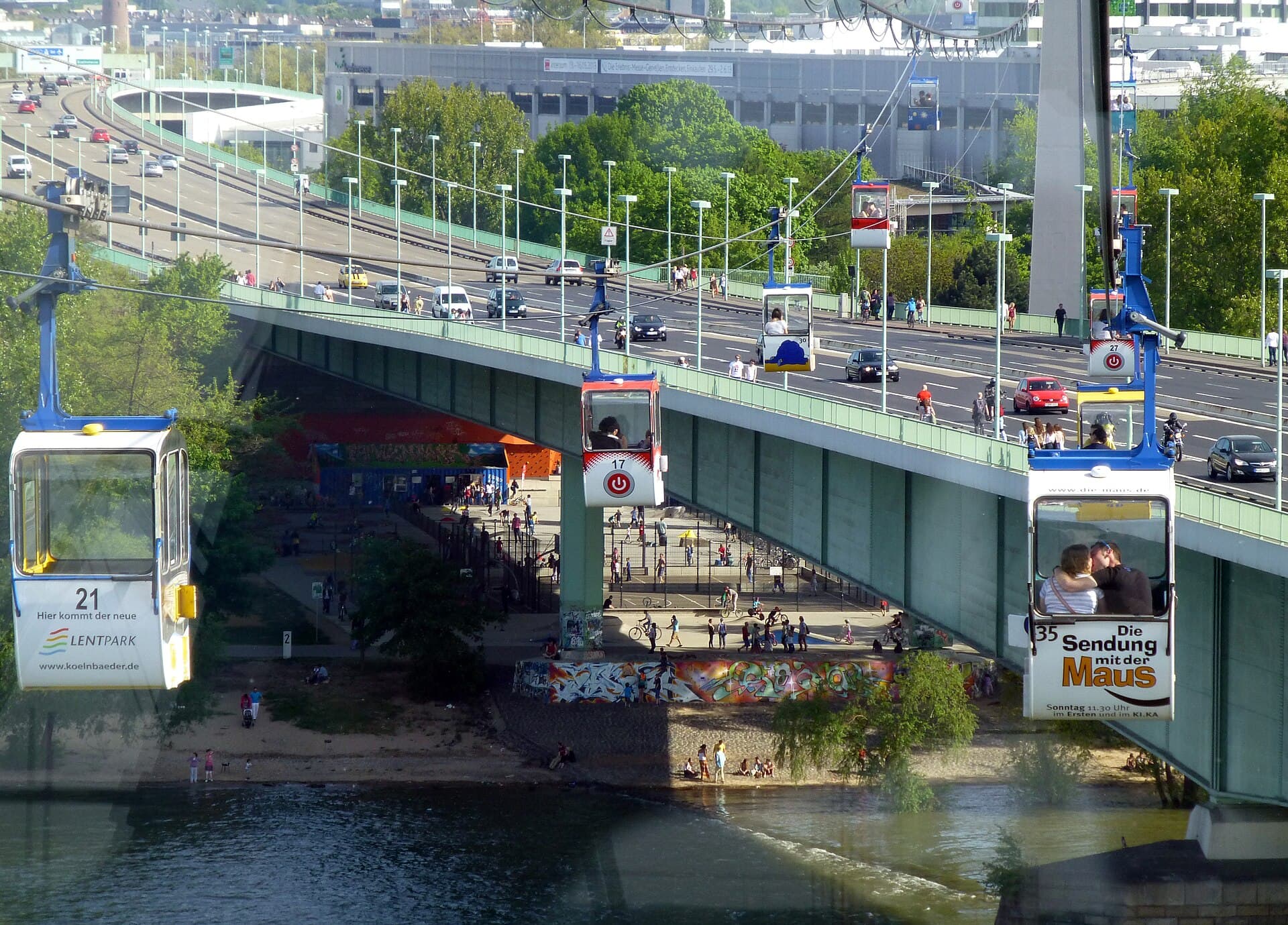 Cologne Cable CarThe cable car opened on the twenty-sixth of April, nineteen fifty-seven, days be7 minutes walk4.1
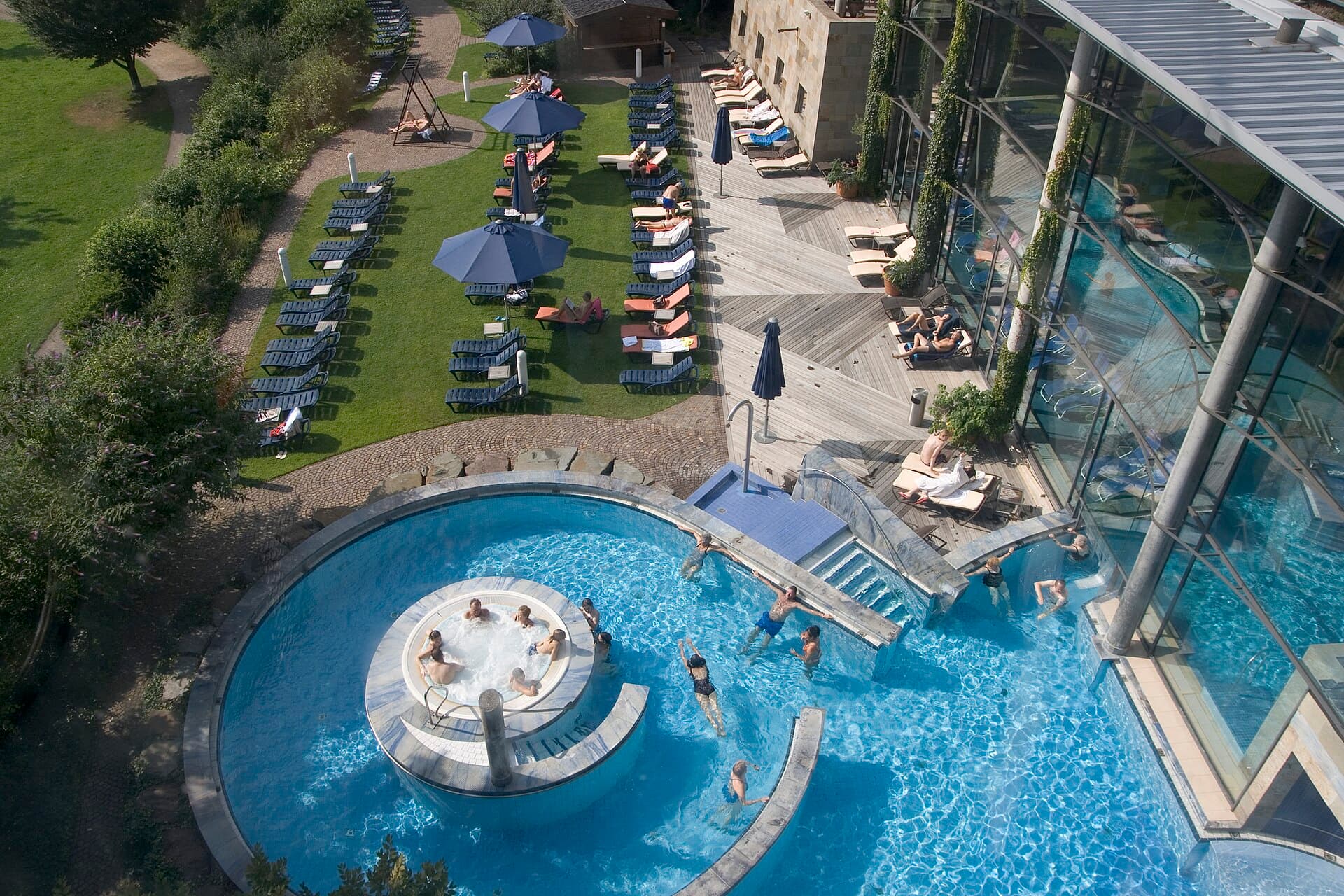 Rheinpark & the Cable CarThe Rheinpark is Cologne's other bank: broad lawns and riverside paths directly 12 minutes walk4.5
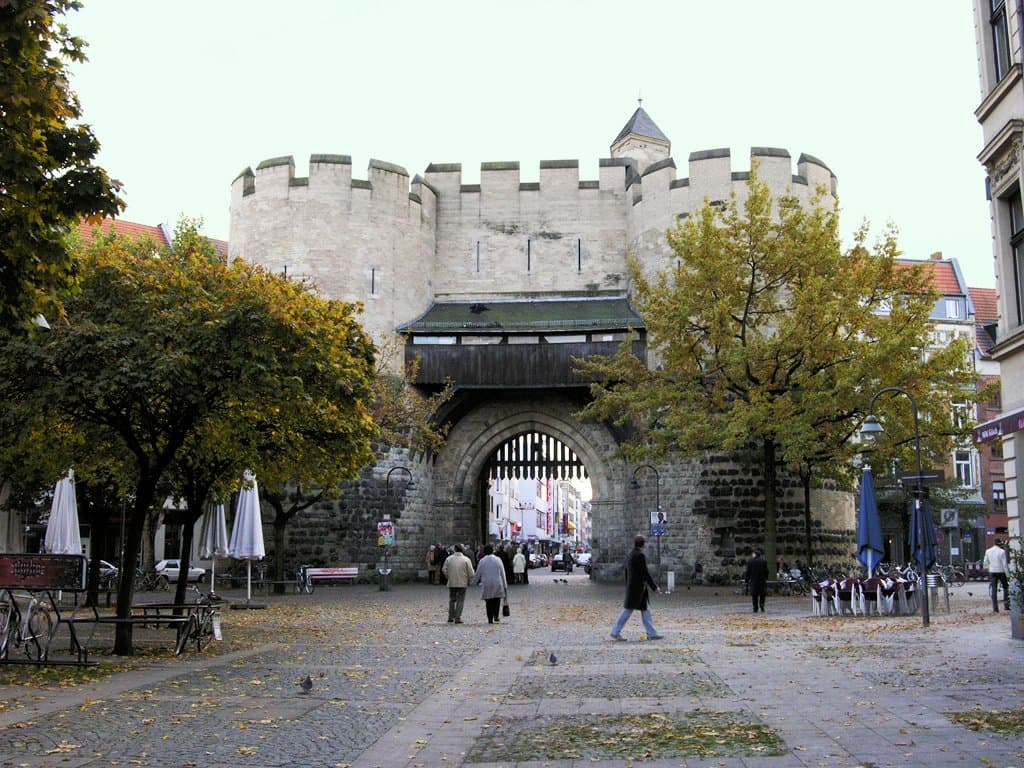 EigelsteintorburgThe Eigelsteintorburg is one of the few surviving gates of Cologne's medieval wa14 minutes walk4.6
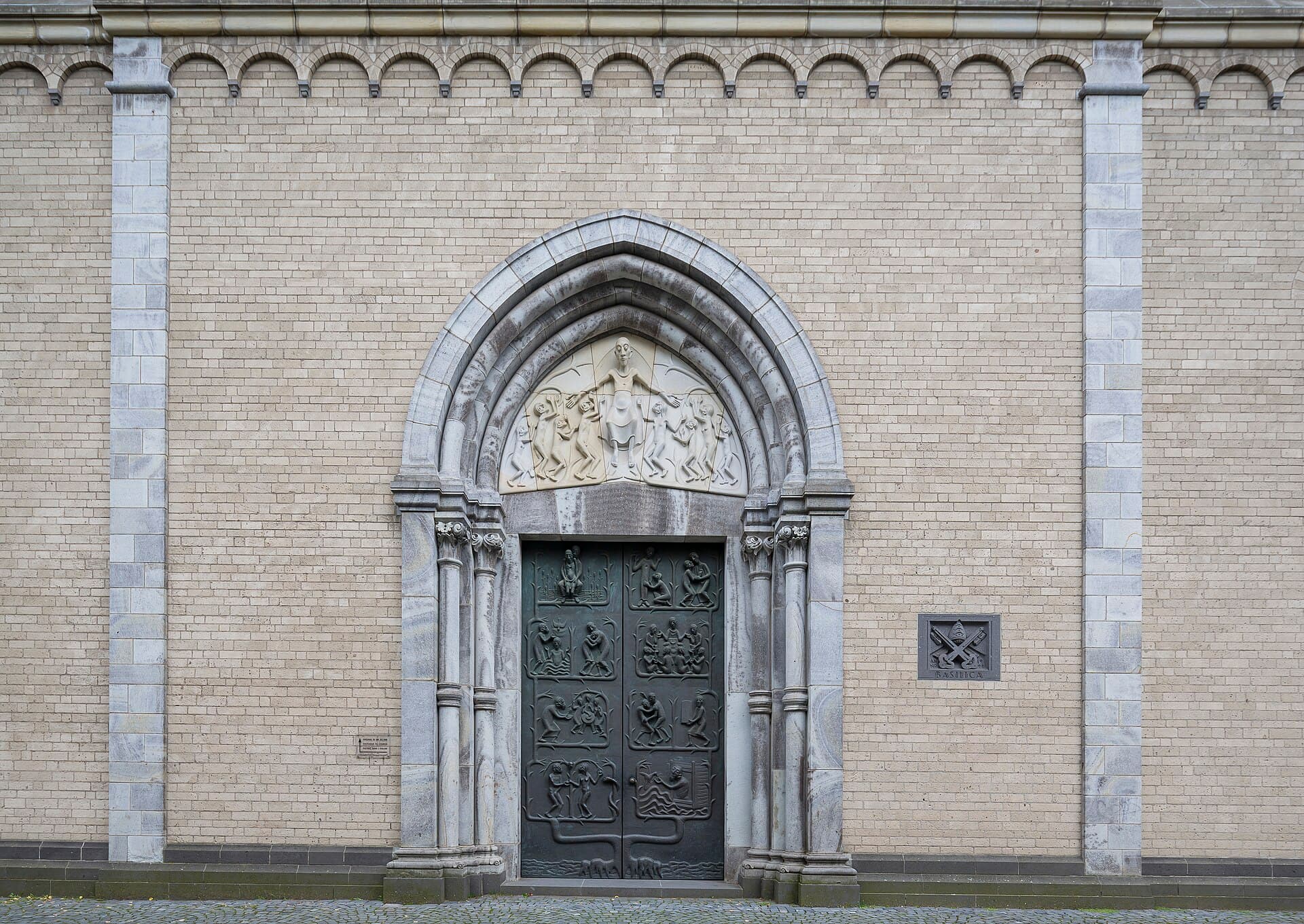 St Kunibert's BasilicaThe youngest of Cologne's twelve Romanesque churches, and that is precisely what14 minutes walk4.6
The Gothic cathedral first, among the greatest in Europe, with a climbable tower; then the Romano-Germanic Museum for its mosaic and antiquities; the Museum Ludwig for modern art with its vast Picasso and Pop Art holdings; and the old town along the river. Those are the priorities of a first visit.
Yes, and the region is internationally known for its white Riesling in particular, grown on steep terraces along the Rhine and Moselle. To experience it in place, the Upper Middle Rhine Valley or the Moselle region is far better than a museum in Cologne — the wine villages there offer tastings in the cellars themselves.