
The Fairy Tale Fountain
Grimm characters ringing a basin.
Gerd Danigel — CC BY 3.0 · azxzcukl55 — CC0 · Angela M. Arnold, Berlin (=44Pinguine))) — CC BY-SA 3.0 · Matti Blume — CC BY-SA 4.0
Volkspark Friedrichshain is Berlin's oldest public park, opened in 1848 at a telling political moment: it was created specifically for the residents of the eastern working-class districts in the year of Europe's revolutions, when other parks were closed royal privilege. The name itself means the people's park. Its hills are not natural: they are two vast mounds of rubble from bombed Berlin, heaped over two enormous concrete anti-aircraft towers that proved impossible to demolish after the war, then covered in earth and planted with trees. The taller rises seventy-eight metres and is known locally as the rubble mountain — you climb it today through dense woodland without any sense of what lies beneath. Its best-known feature is the Fairy Tale Fountain of 1913: a large circular basin ringed by stone figures from the Brothers Grimm — Cinderella, Little Red Riding Hood, Hansel and Gretel. The park also holds an open-air summer theatre, sports pitches and running trails, and it is emphatically a residents' park in the lively Friedrichshain district.
Grimm characters ringing a basin.
78m of Berlin's ruins under forest.
Am Friedrichshain, 10249 Berlin
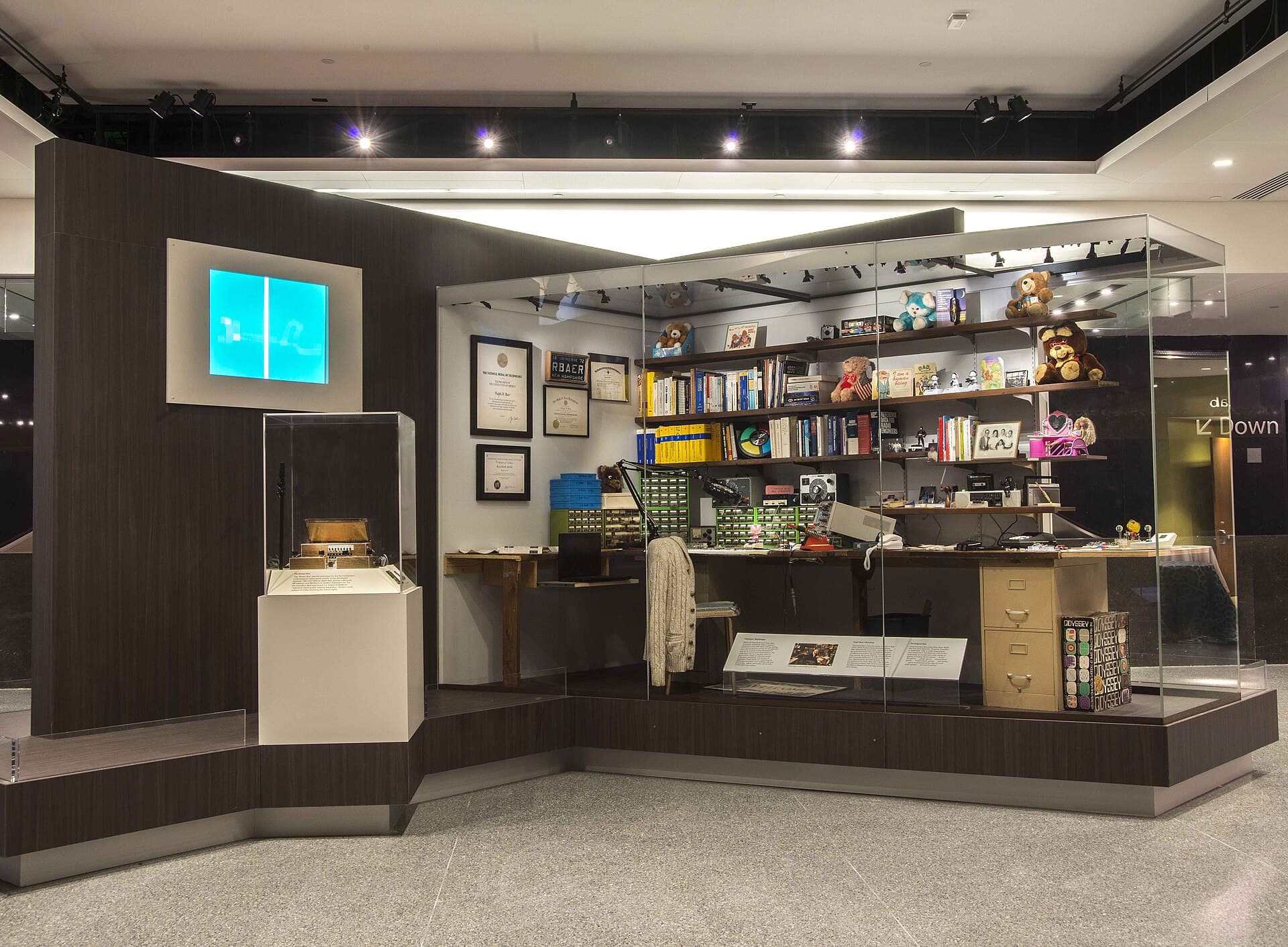 ComputerspielemuseumBerlin's Computer Games Museum was among the first in the world to treat video g15 minutes walk4.6
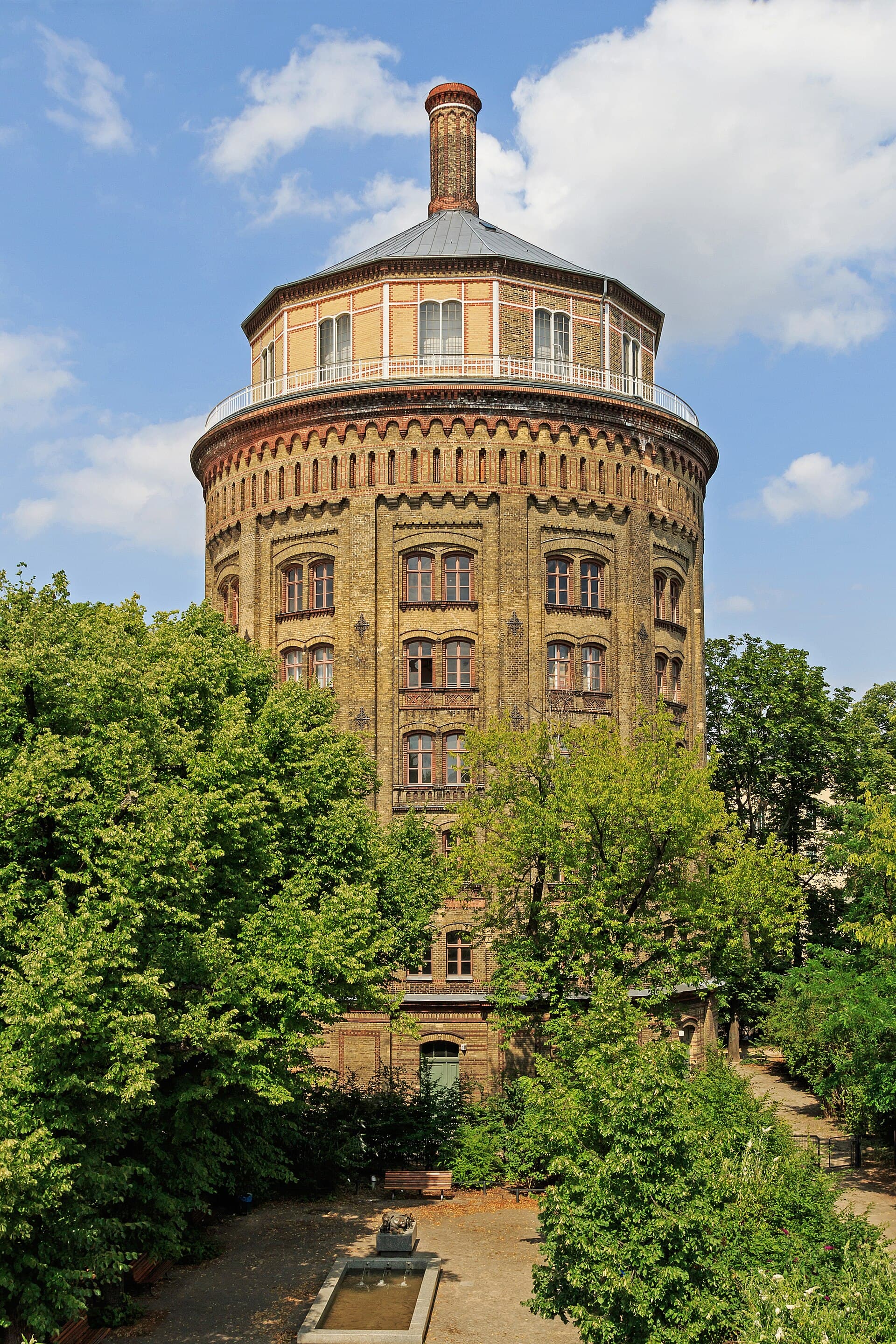 Prenzlauer Berg Water TowerThe Prenzlauer Berg water tower is Berlin's oldest, built in 1877 of red brick o17 minutes walk4.4
 AlexanderplatzAlexanderplatz is a wide square in the eastern part of central Berlin, which Ber19 minutes walk4.2
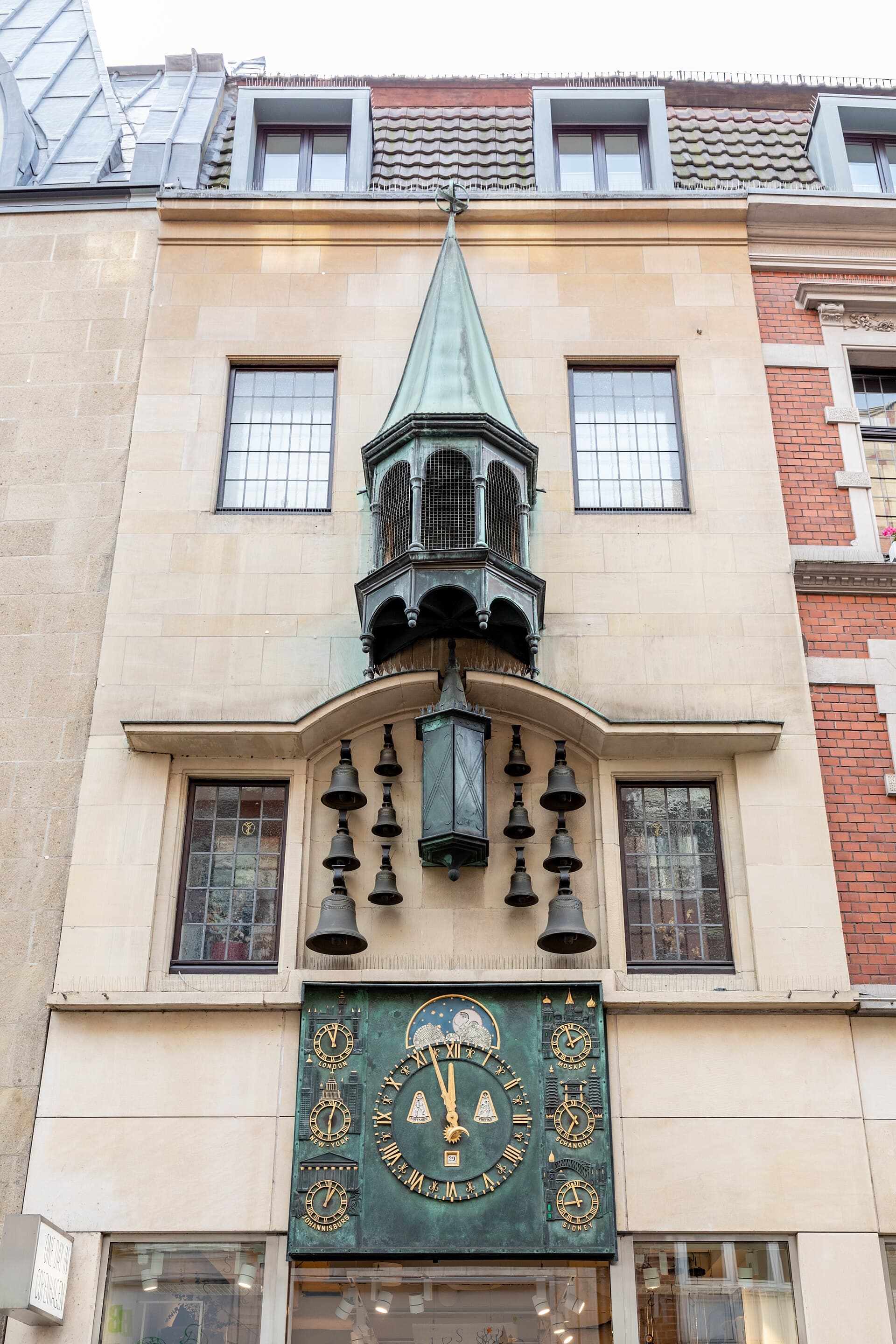 The World ClockThe World Clock on Alexanderplatz is a rotating metal cylinder topped by a simpl19 minutes walk4.5
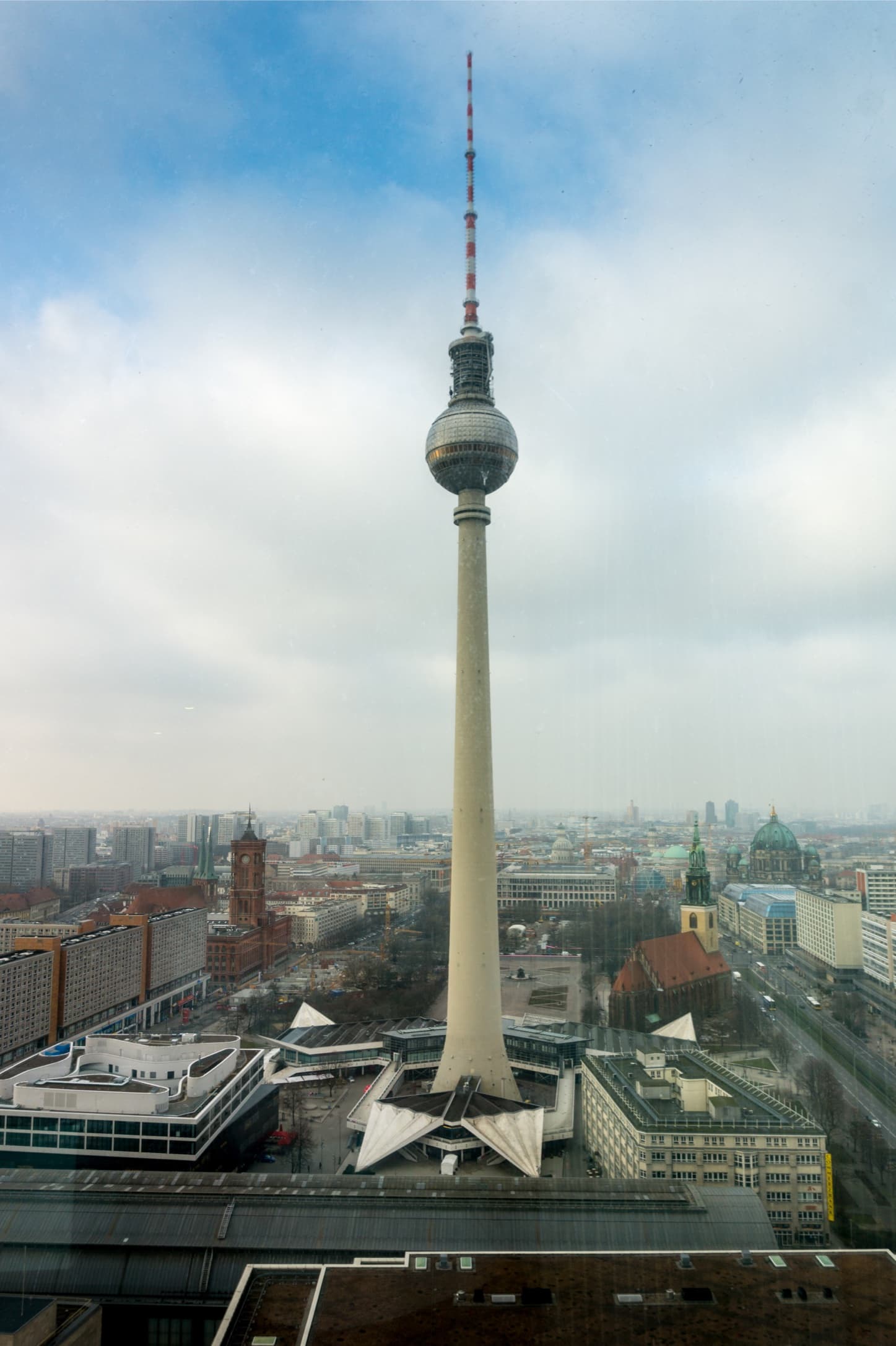 Berlin TV TowerA 368-metre tower at Alexanderplatz, the tallest structure in Germany and a land22 minutes walk4.5
Because they were built of concrete over three metres thick to survive direct bombing, and so also survived post-war attempts to blow them up — each attempt threatened the surrounding housing. The cheaper solution was burial: the rubble of the destroyed city was heaped over them and covered with soil, making hills. The same pattern was repeated in other German cities.