
Acoustics by instinct
A hall that succeeded before acoustic science existed.
yisris — CC BY 2.0 · Jack de Nijs for Anefo / Anefo; Restoration by User:Adam Cuerden — CC0 · Rijksmuseum — CC0 · Joop van Bilsen for Anefo — CC0
The Concertgebouw is Amsterdam's principal concert hall, opened in 1888, and is consistently ranked among the three finest halls in the world acoustically, alongside the Musikverein in Vienna and Symphony Hall in Boston. The curious thing is that those acoustics were not calculated. The architect Adolf van Gendt had no acoustic science — the discipline did not yet exist — so he modelled the hall on the Gewandhaus in Leipzig and succeeded by instinct and luck. When the hall was restored in the 1980s, the engineers were afraid to change anything that might spoil the sound. It is home to the Royal Concertgebouw Orchestra, among the most distinguished in the world. For a visitor there is one important practical advantage: the hall gives free short concerts at lunchtime on Wednesdays through most of the season — you walk in without a ticket and hear music in one of the best rooms on earth. The queue starts early.
A hall that succeeded before acoustic science existed.
Among the world's finest, based here.
Concertgebouwplein 10, 1071 Amsterdam
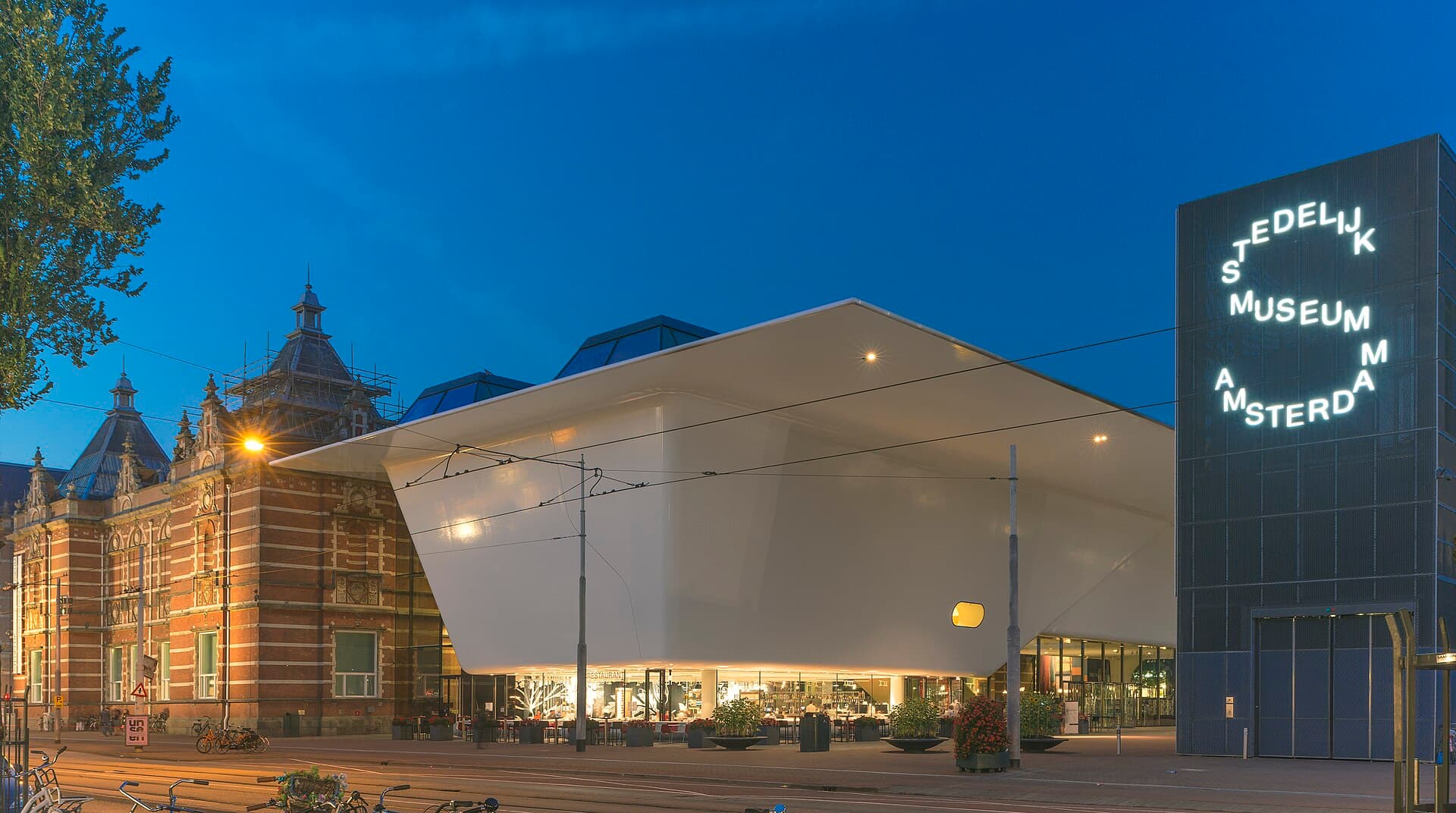 Stedelijk MuseumThe Stedelijk is Amsterdam's museum of modern and contemporary art, the third si2 minutes walk4.3
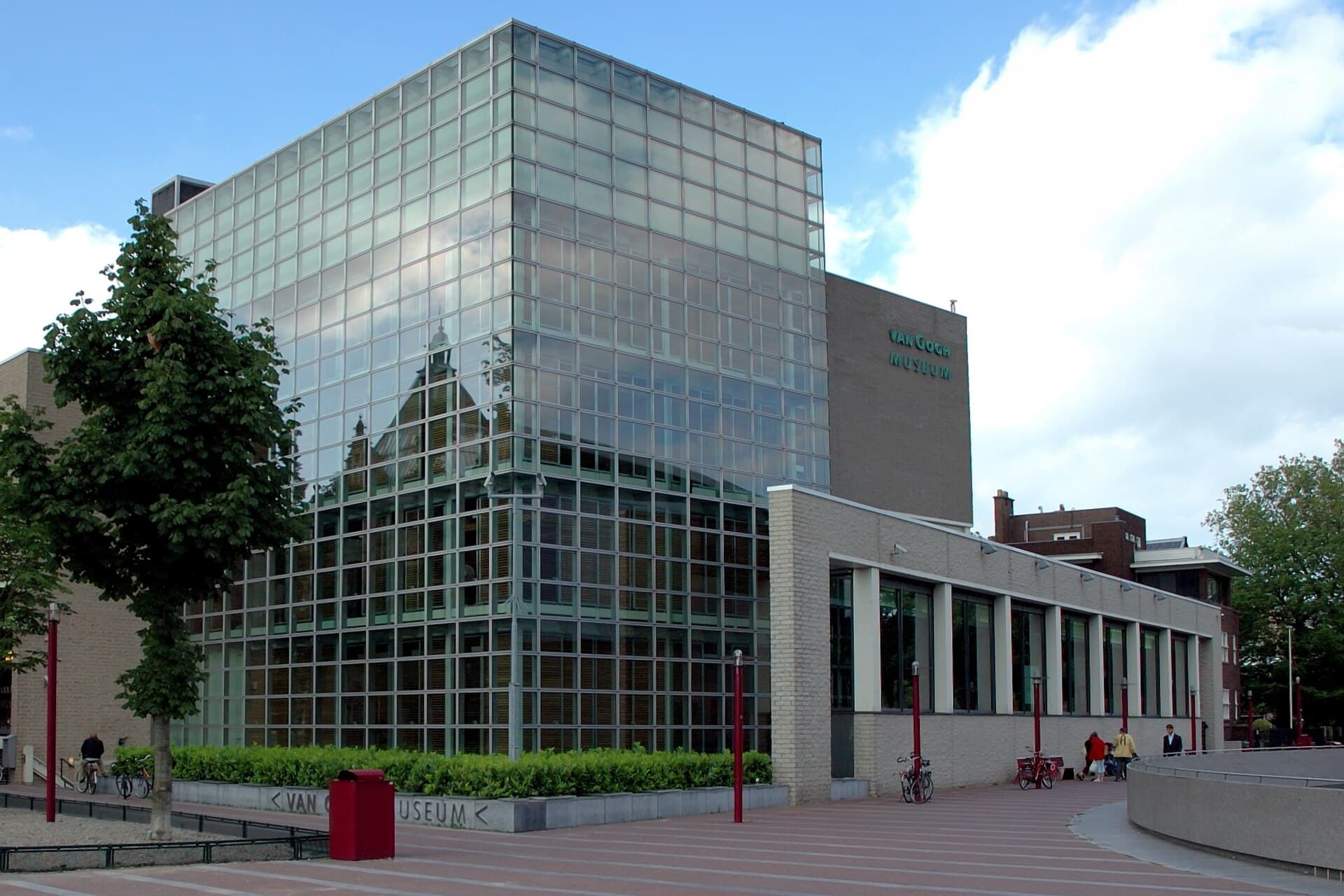 Van Gogh MuseumThe Van Gogh Museum holds the world's largest collection of Vincent van Gogh: ov3 minutes walk4.7
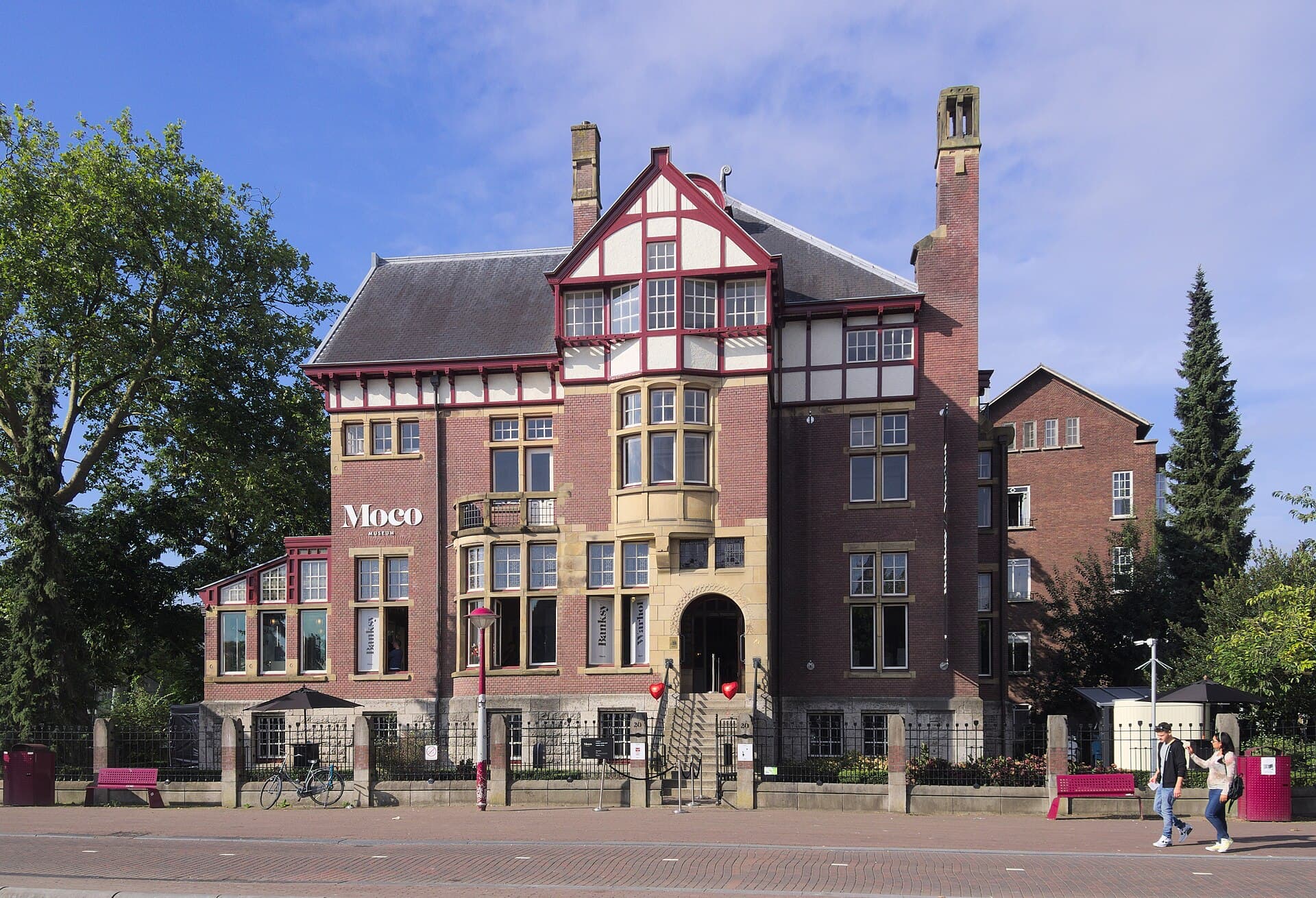 Moco MuseumThe Moco is the Museum Square's young, playful face: an elegant small villa (1904 minutes walk4.4
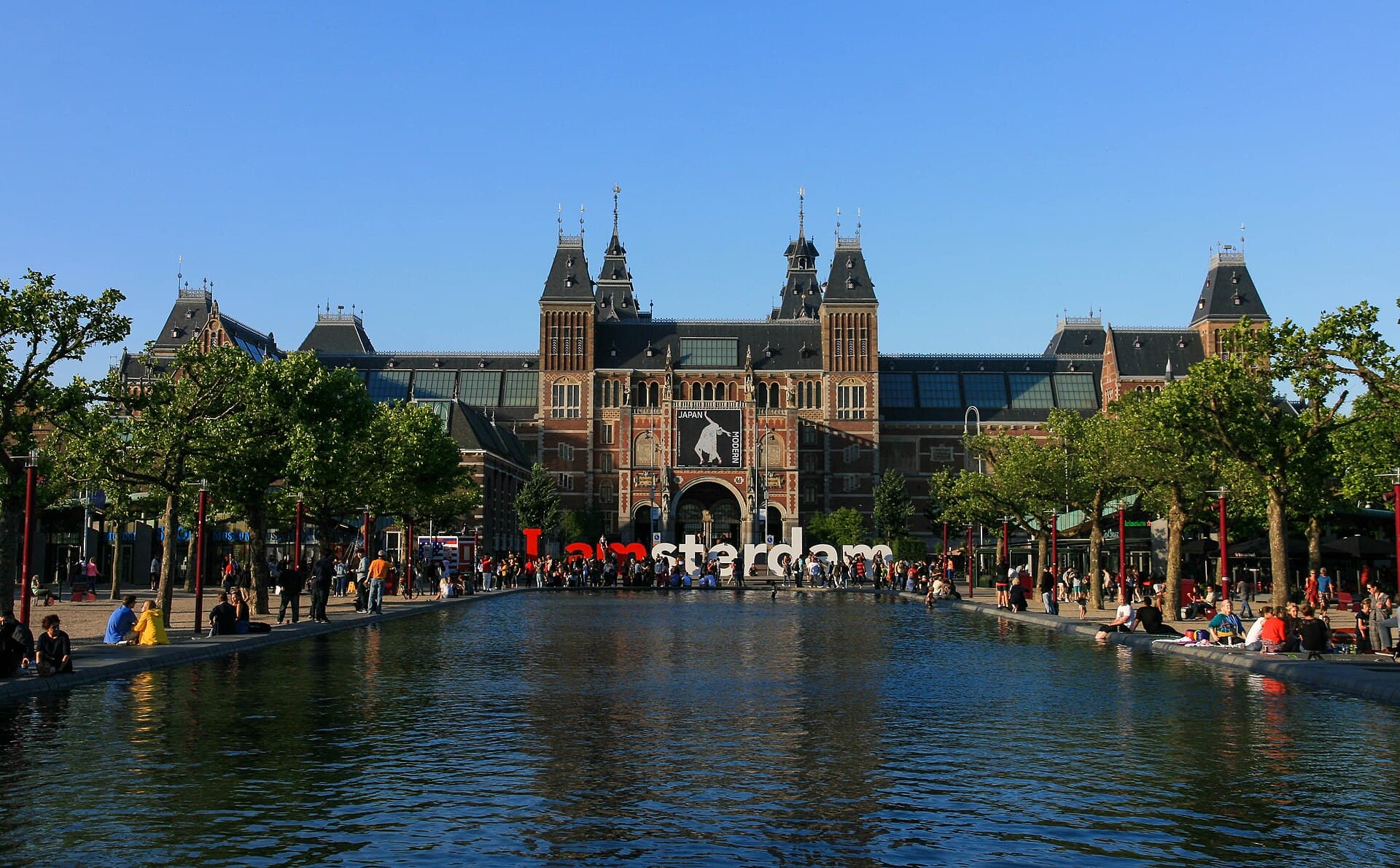 RijksmuseumThe Rijksmuseum is the Dutch national museum and the treasury of the Golden Age:7 minutes walk4.8
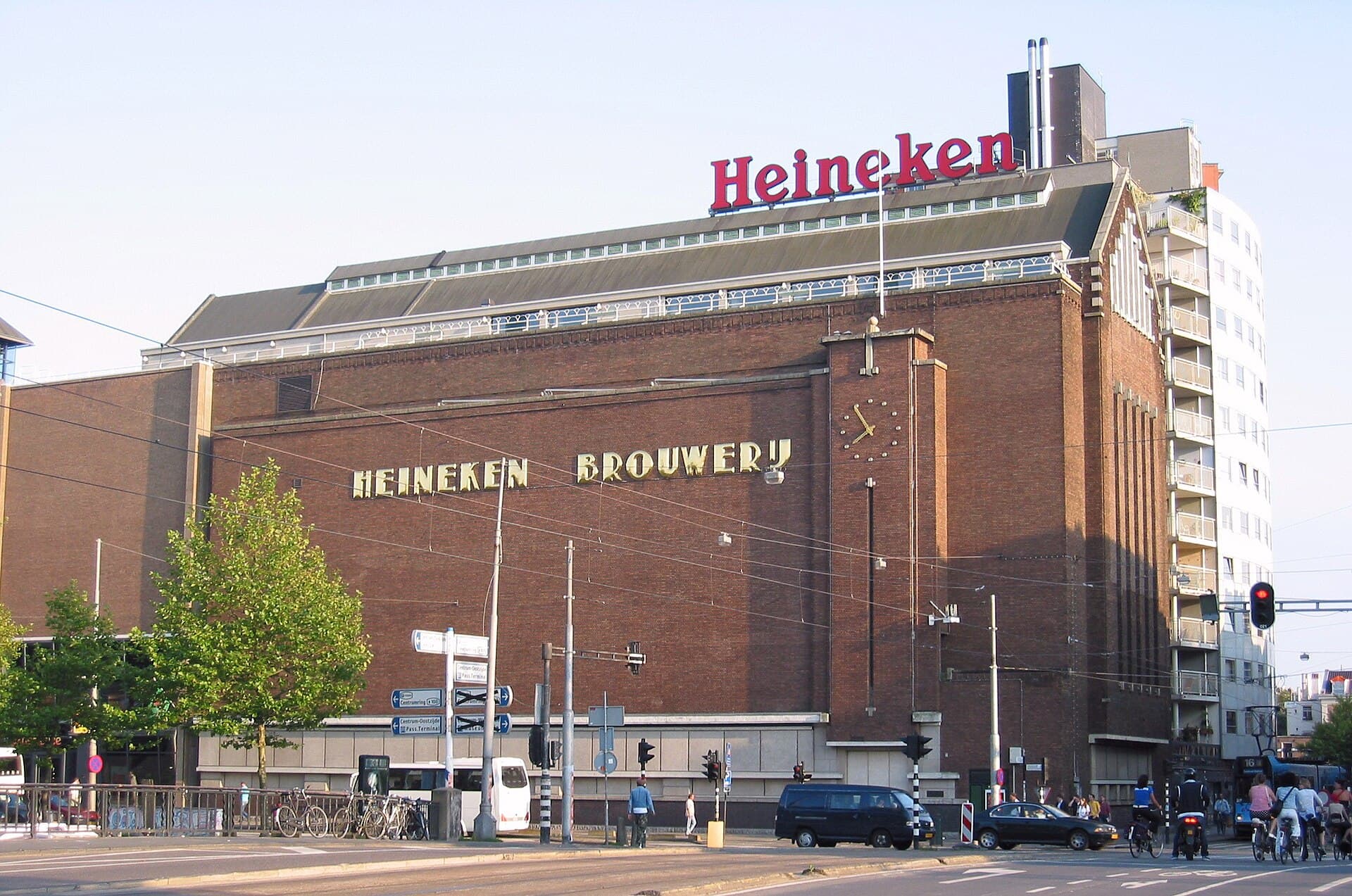 The Old Heineken BreweryHeineken's original brewery building, built in 1867 and closed to production in 10 minutes walk4.1
No tickets and no booking — entry is first come, first served. The concert runs about half an hour and usually starts at midday, with the queue forming about an hour beforehand and sometimes longer. Come early, especially in holidays and high season. The programme is published weekly on the hall's site and covers solo recitals, chamber music and sometimes open orchestral rehearsals. The concerts normally pause over the summer.