
Mondrian and De Stijl
The Dutch abstraction that changed world design.
John Lewis Marshall — CC BY-SA 4.0 · Ank Kumar — CC BY-SA 4.0 · GodeNehler — CC BY-SA 4.0 · GodeNehler — CC BY-SA 4.0
The Stedelijk is Amsterdam's museum of modern and contemporary art, the third side of the Museum Square after the Rijks and Van Gogh: a historic building (1895) with a white modern extension Amsterdammers call "the bathtub" for its odd shape — the building itself a statement of the museum's mission: the new in dialogue with the old. Its collection is among the world's great twentieth-century holdings: the Dutch Mondrian and the De Stijl movement, Matisse, Picasso, Chagall and Kandinsky, Expressionism, Pop Art, and the modern design the Netherlands excelled at — chairs, posters and objects become icons. A collection that perfectly completes its neighbours: the Rijks for the Golden Age, Van Gogh for the transition, the Stedelijk for what came after. For the modern-art lover an unmissable side; for others less pulling than its neighbours, but the building alone rewards a look.
The Dutch abstraction that changed world design.
The white modern extension — bold architecture itself.
Chairs and posters become symbols of Dutch modernism.
Museumplein 10, 1071 Amsterdam
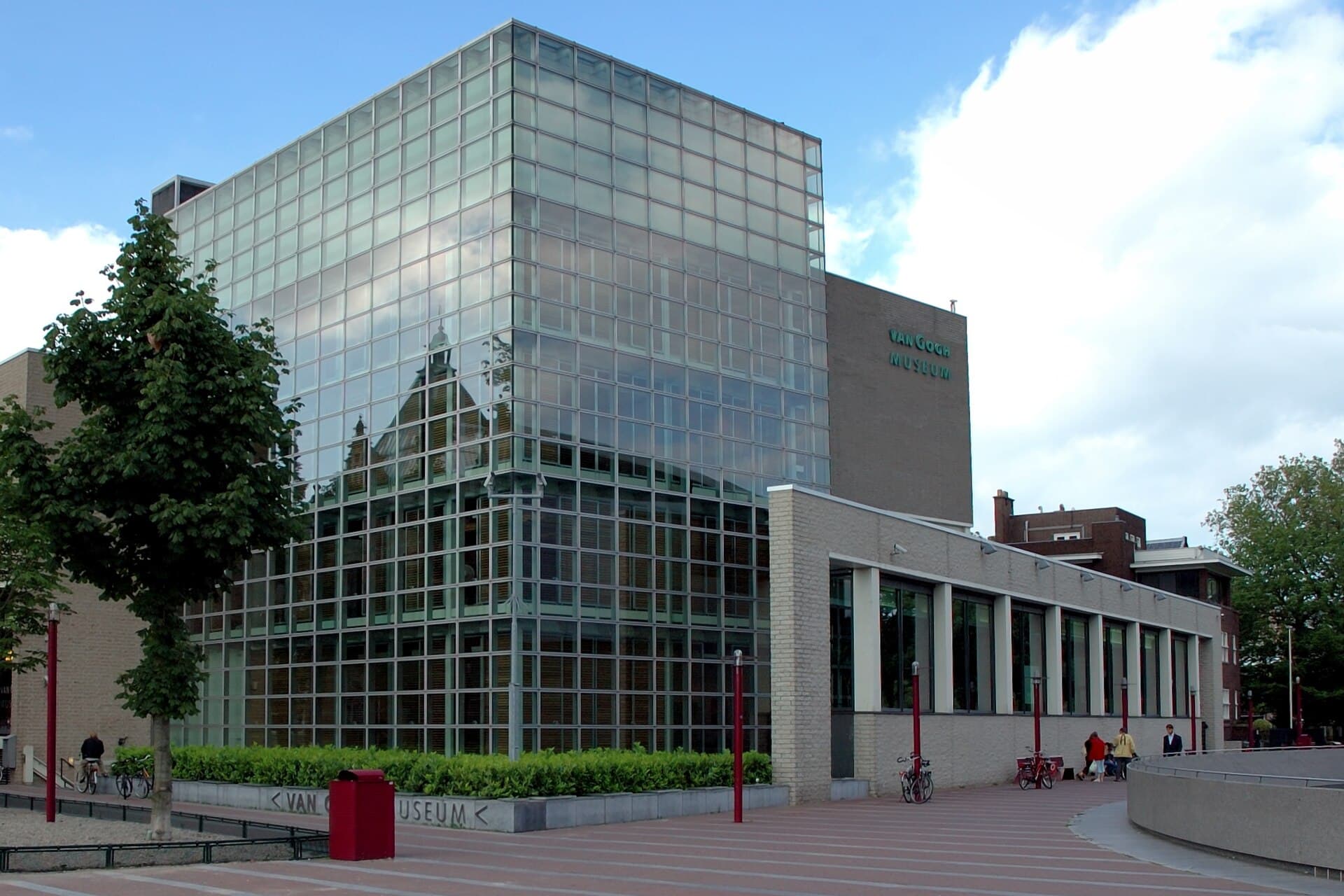 Van Gogh MuseumThe Van Gogh Museum holds the world's largest collection of Vincent van Gogh: ov1 minute walk4.7
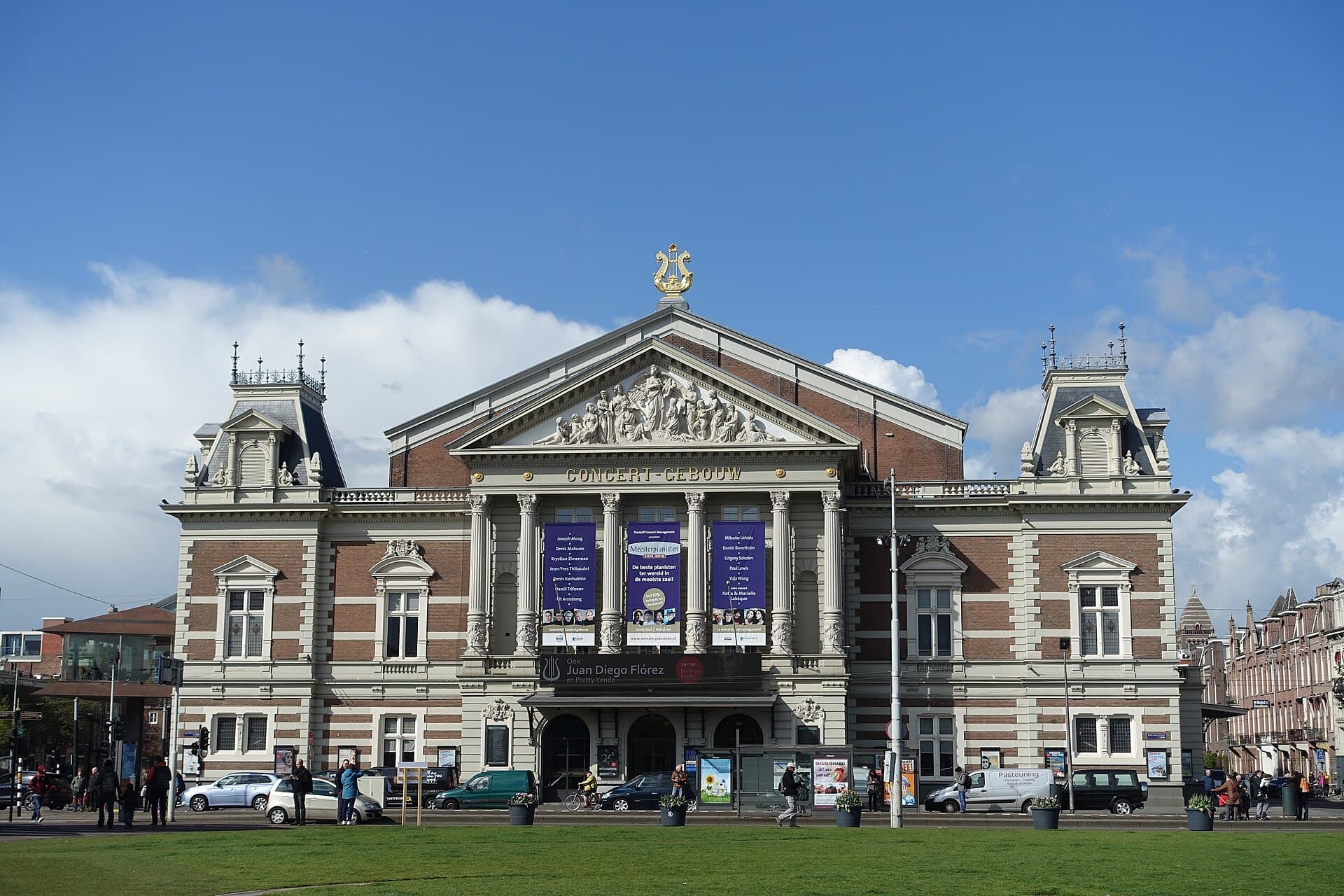 The ConcertgebouwThe Concertgebouw is Amsterdam's principal concert hall, opened in 1888, and is 2 minutes walk4.7
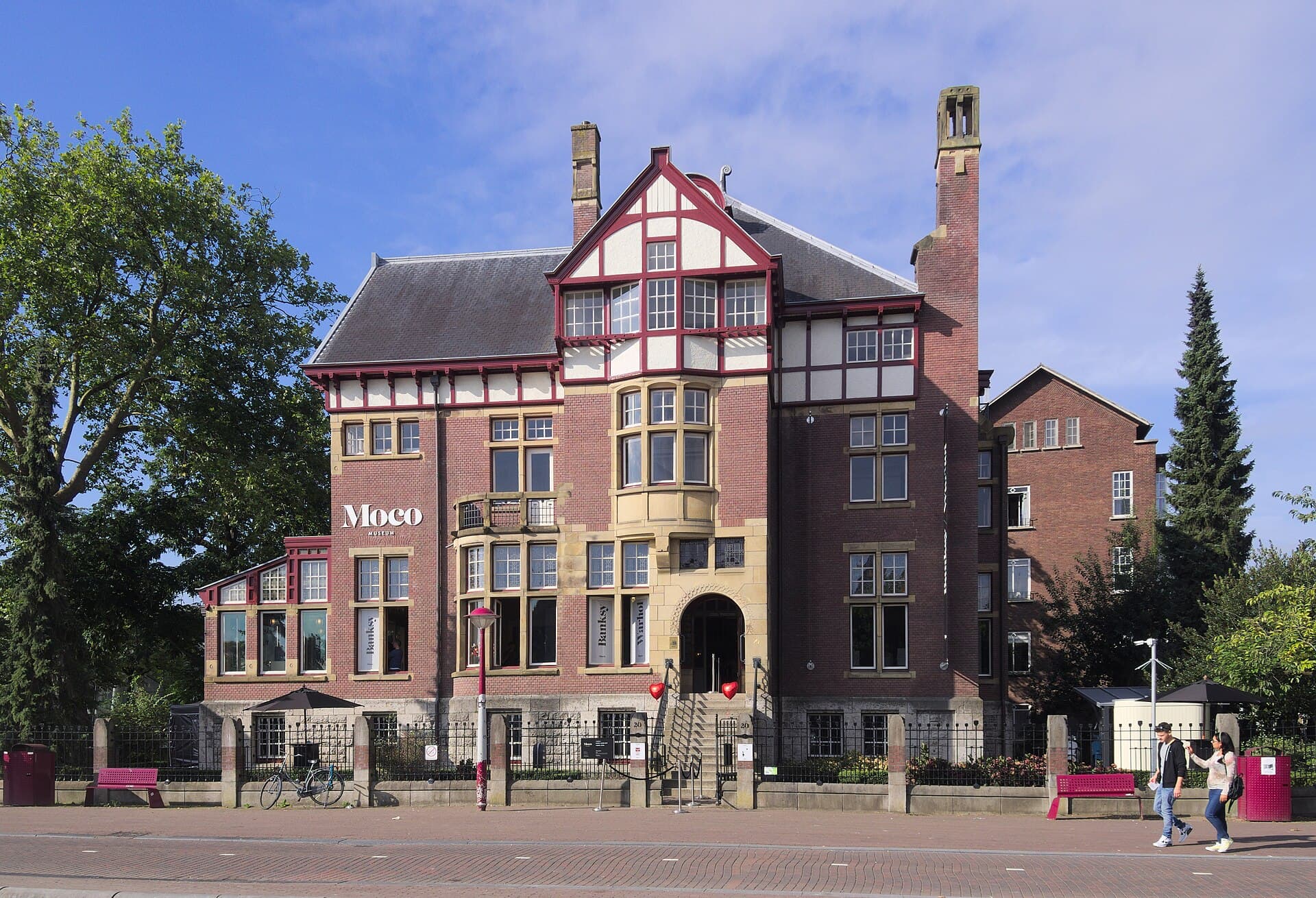 Moco MuseumThe Moco is the Museum Square's young, playful face: an elegant small villa (1902 minutes walk4.4
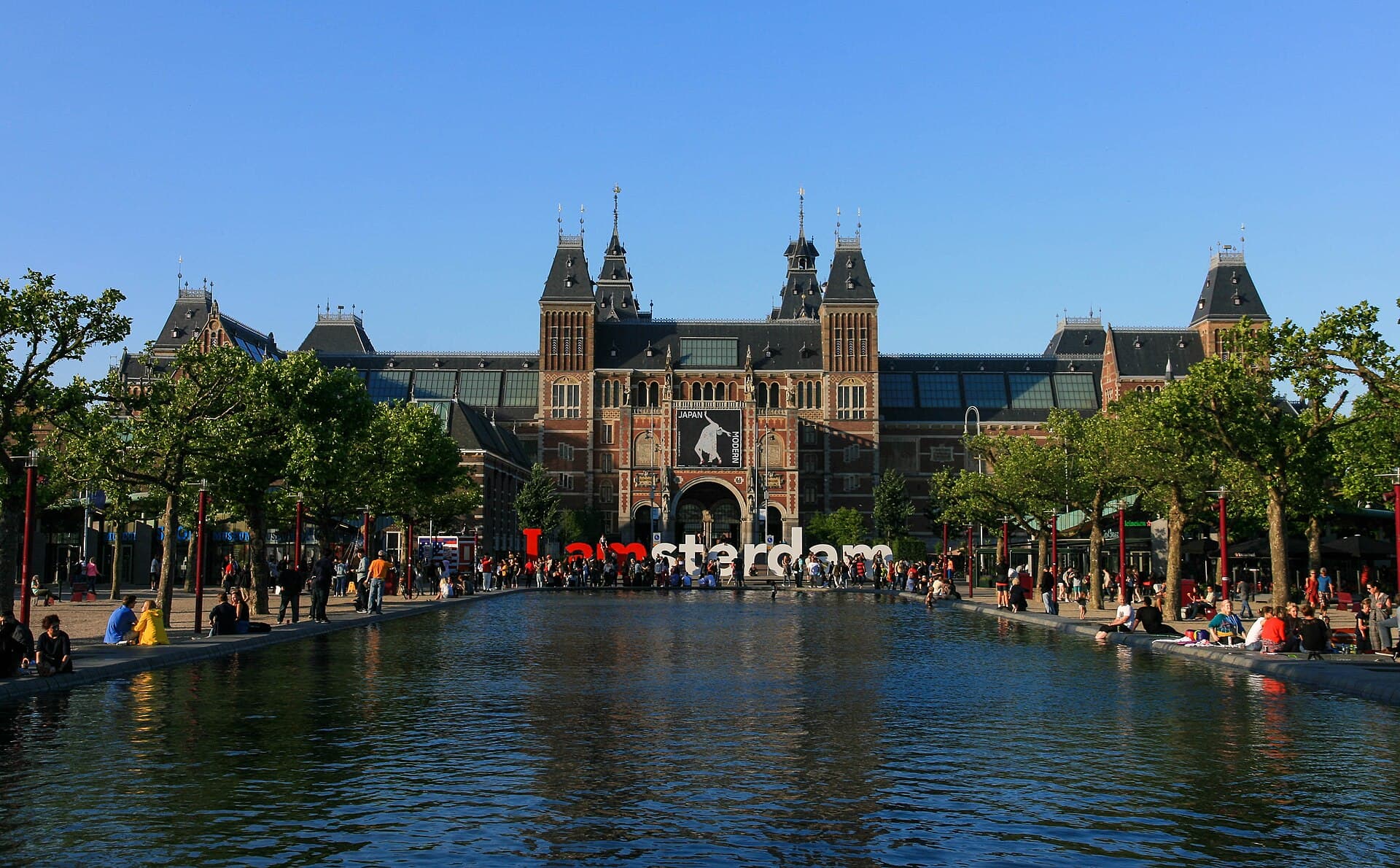 RijksmuseumThe Rijksmuseum is the Dutch national museum and the treasury of the Golden Age:6 minutes walk4.8
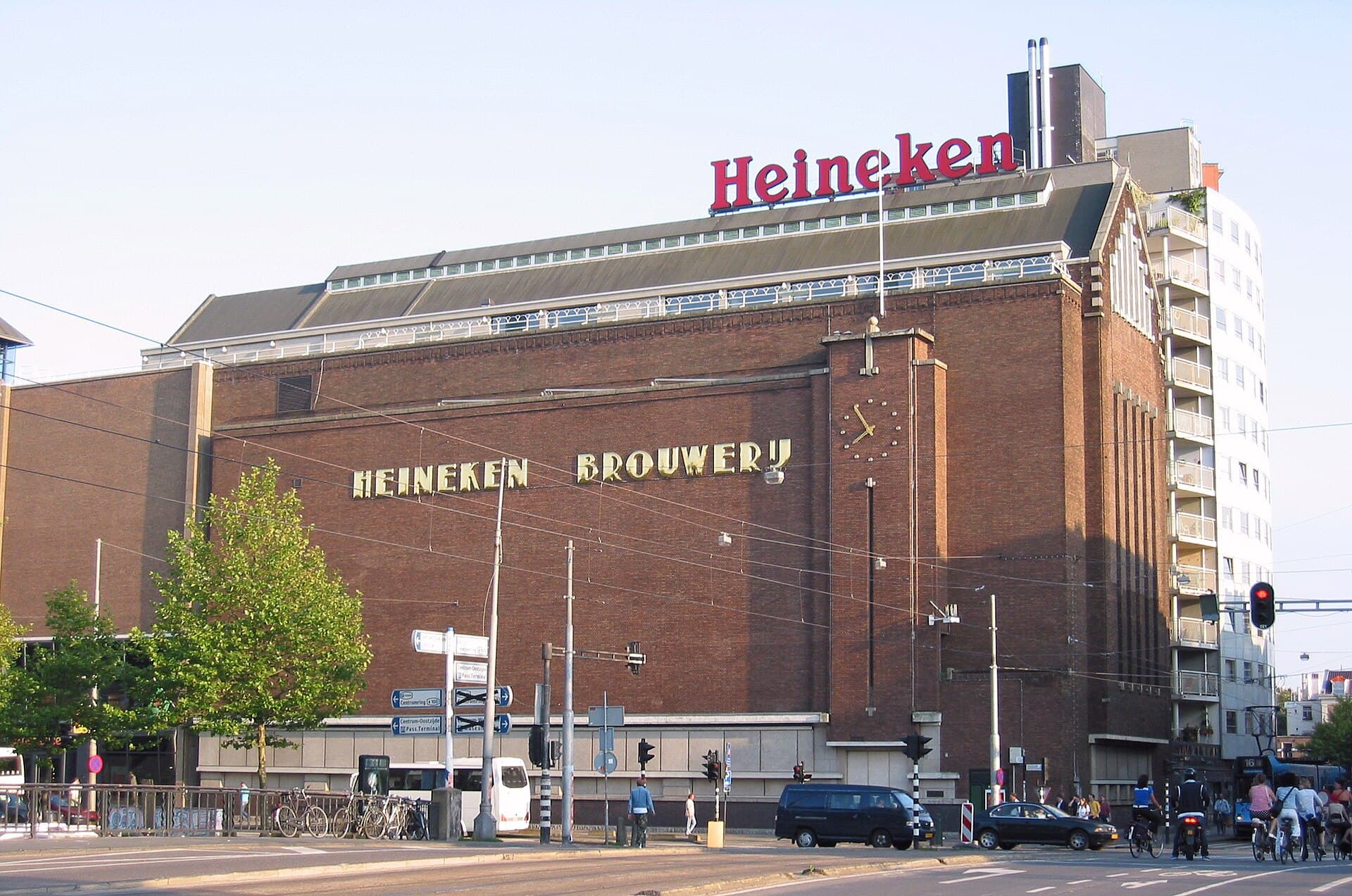 The Old Heineken BreweryHeineken's original brewery building, built in 1867 and closed to production in 10 minutes walk4.1
The consensus order: Van Gogh first (world-unique), Rijks (Dutch art history), Stedelijk for the modern specialist. All three in a day is possible but tiring — two in depth beats three in a rush.