
The Hall of the Men-at-Arms
A Gothic column forest of 1302, 64 metres long, where two thousand were fed — Europe's largest medieval secular hall and its least famous among visitors.
xandru — CC BY-SA 4.0 · Dietmar Rabich — CC BY-SA 4.0 · madras91 — CC BY 2.0 · VirgileMiletto — CC BY-SA 4.0
The fortress façade with conical towers on the Seine embankment is the oldest and sternest of royal Paris's faces: the Conciergerie, the medieval palace of France's kings before they moved to the Louvre — then the Revolution's most famous prison, where Marie-Antoinette spent her final weeks before the guillotine, alongside thousands of "enemies of the Revolution" who passed from its cells through the Revolutionary Tribunal to the square. Entry begins with an architectural marvel: the 14th-century Hall of the Men-at-Arms, Europe's largest surviving secular Gothic hall, its columns stretching away like a stone forest. The route then leads to the revolutionary floor: the queen's cell reconstituted in place, the four thousand condemned listed by name on the walls, and the women's courtyard where prisoners washed their clothes while awaiting their fate. The "HistoPad" — the augmented tablet issued with the visit — rebuilds the halls across their three eras, and here it genuinely earns its place. Pair with Sainte-Chapelle on the combined ticket: the two are wings of the same old royal palace, one internal passage apart.
A Gothic column forest of 1302, 64 metres long, where two thousand were fed — Europe's largest medieval secular hall and its least famous among visitors.
The queen's confinement reconstituted where it stood, curtain and chair — an expiatory chapel built above it under the restored monarchy.
The Revolutionary Tribunal's condemned listed by name and trade — a baker beside a prince; the Revolution's most eloquent monument without a single statue.
Quai de l'Horloge, Île de la Cité, 75001 Paris
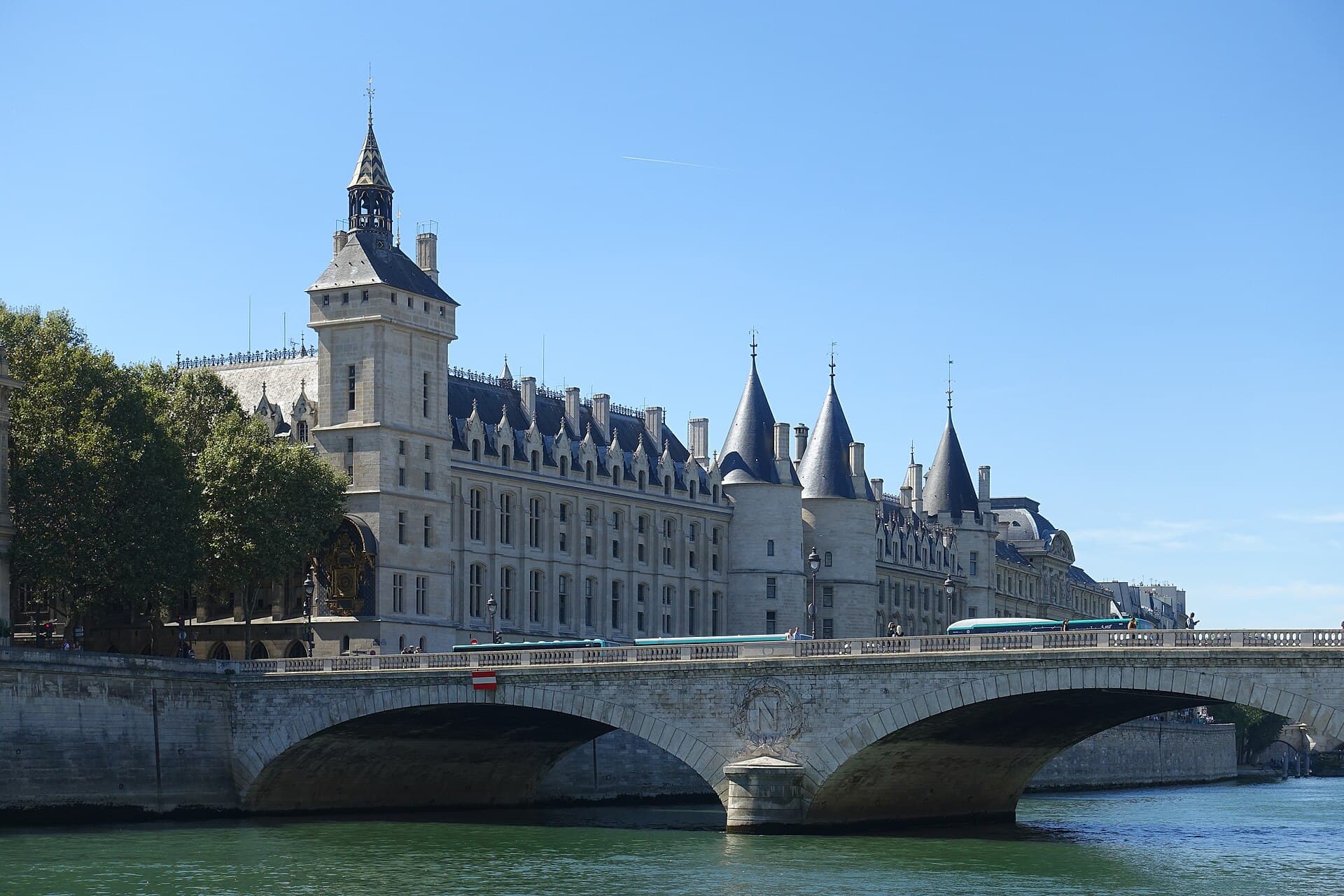 The Clock Tower of the Palais de la CitéA square tower at the corner of the Palais de la Cité on the Île de la Cité, car1 minute walk4.7
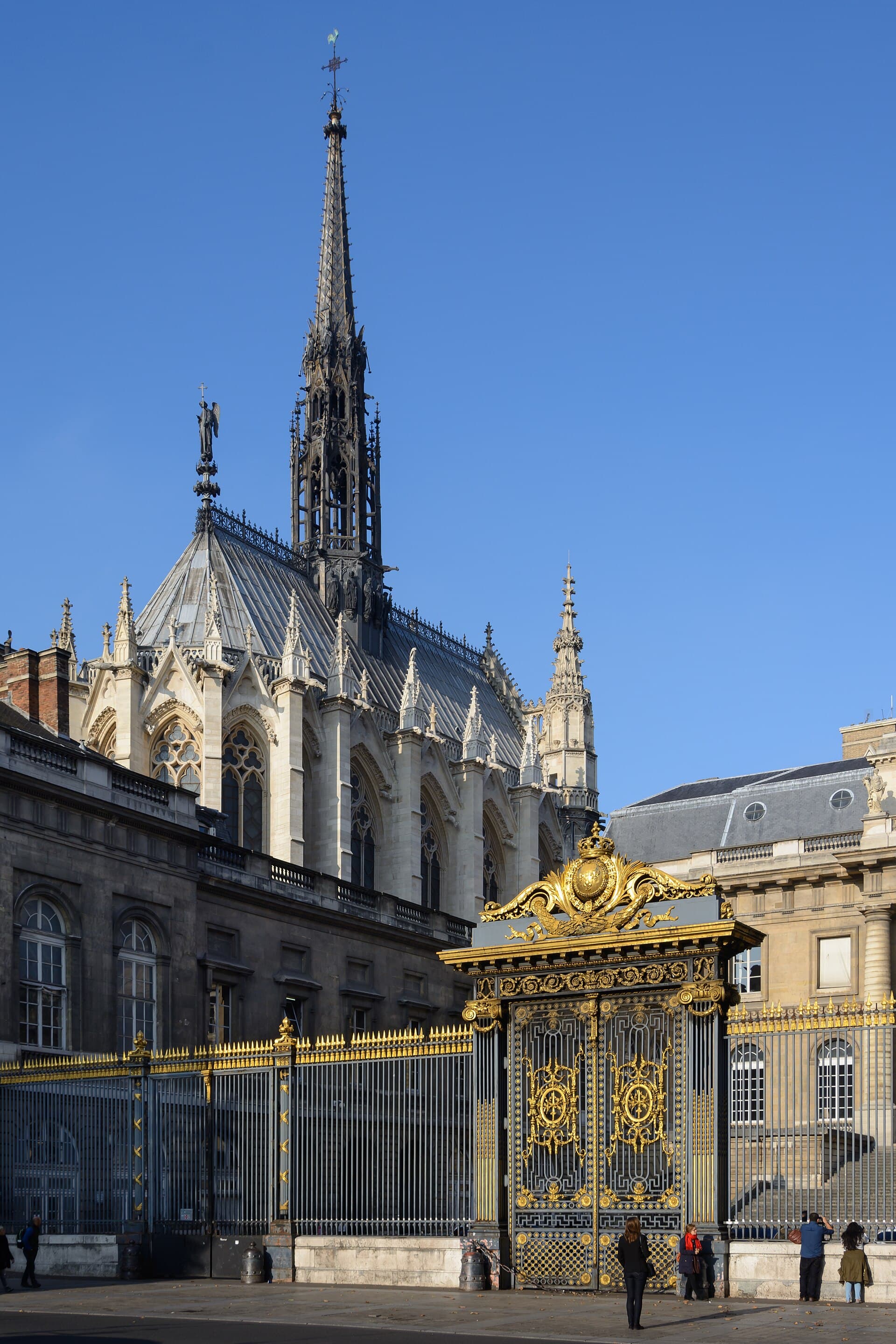 Sainte ChapelleNo photograph does Sainte-Chapelle justice, and no description either. You enter2 minutes walk4.5
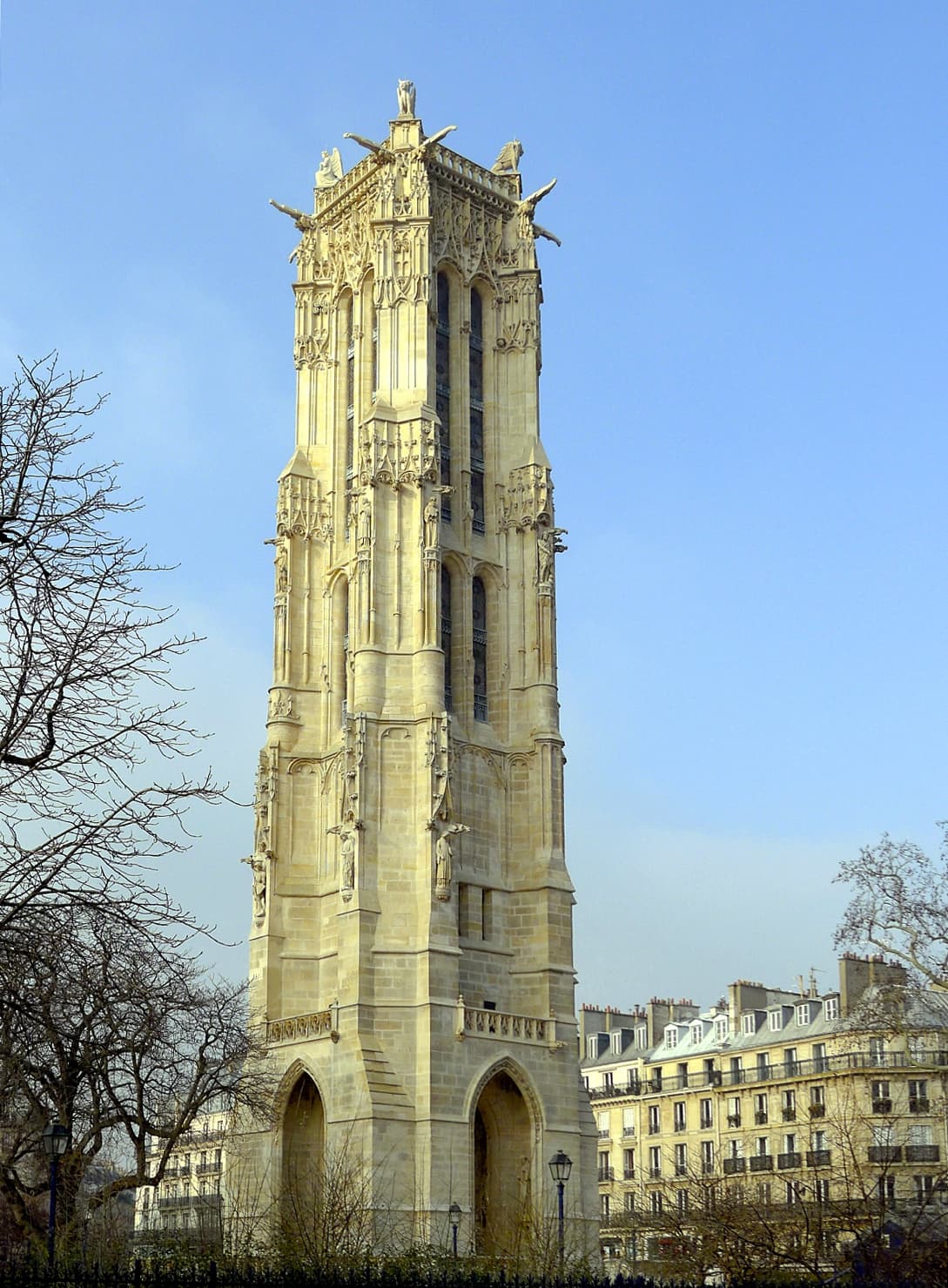 Tour Saint-JacquesIn a small garden between Châtelet and the Hôtel de Ville stands a flamboyant Go4 minutes walk4.3
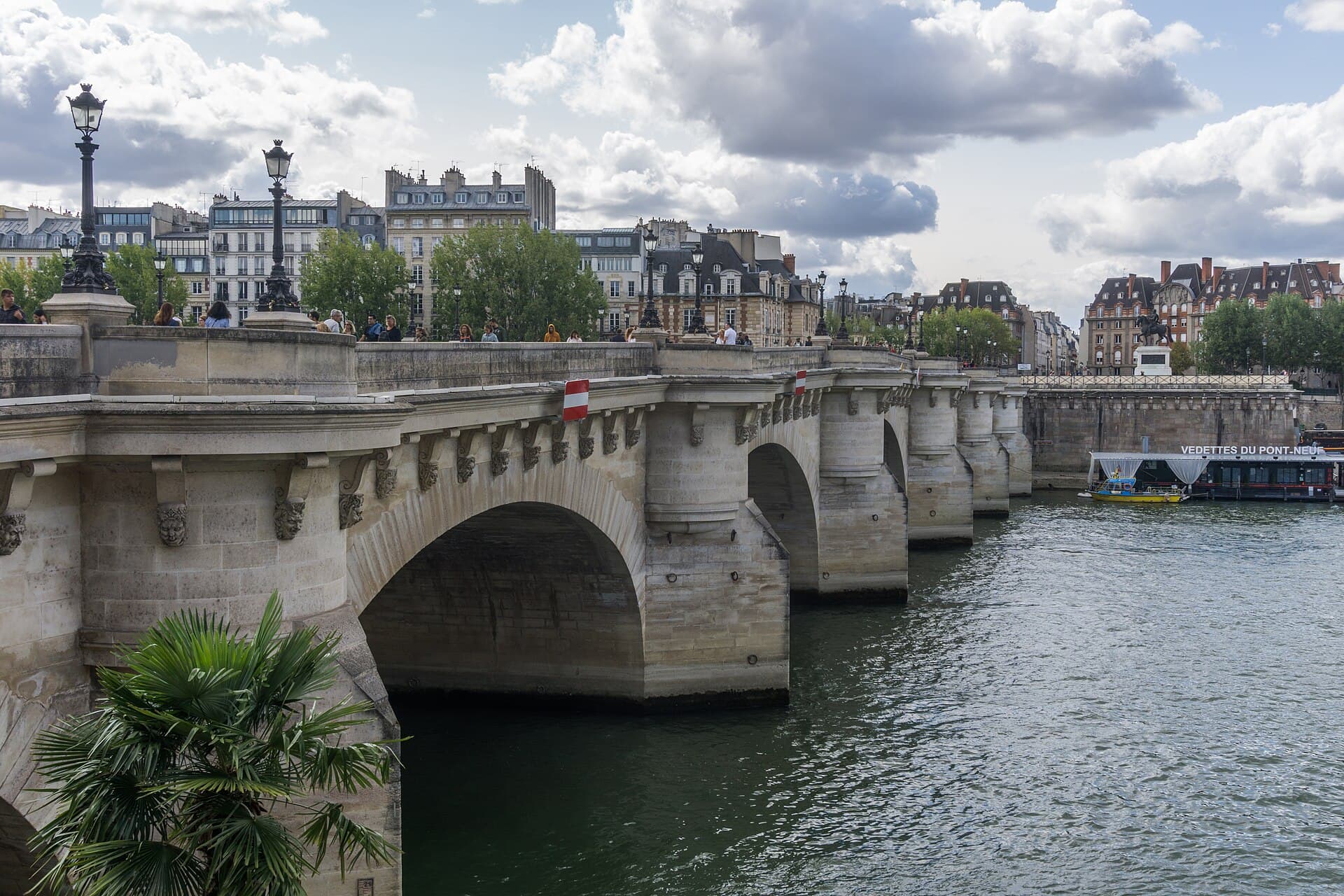 Pont NeufIts name means "New Bridge," and it is the oldest standing bridge in Paris — a f4 minutes walk4.7
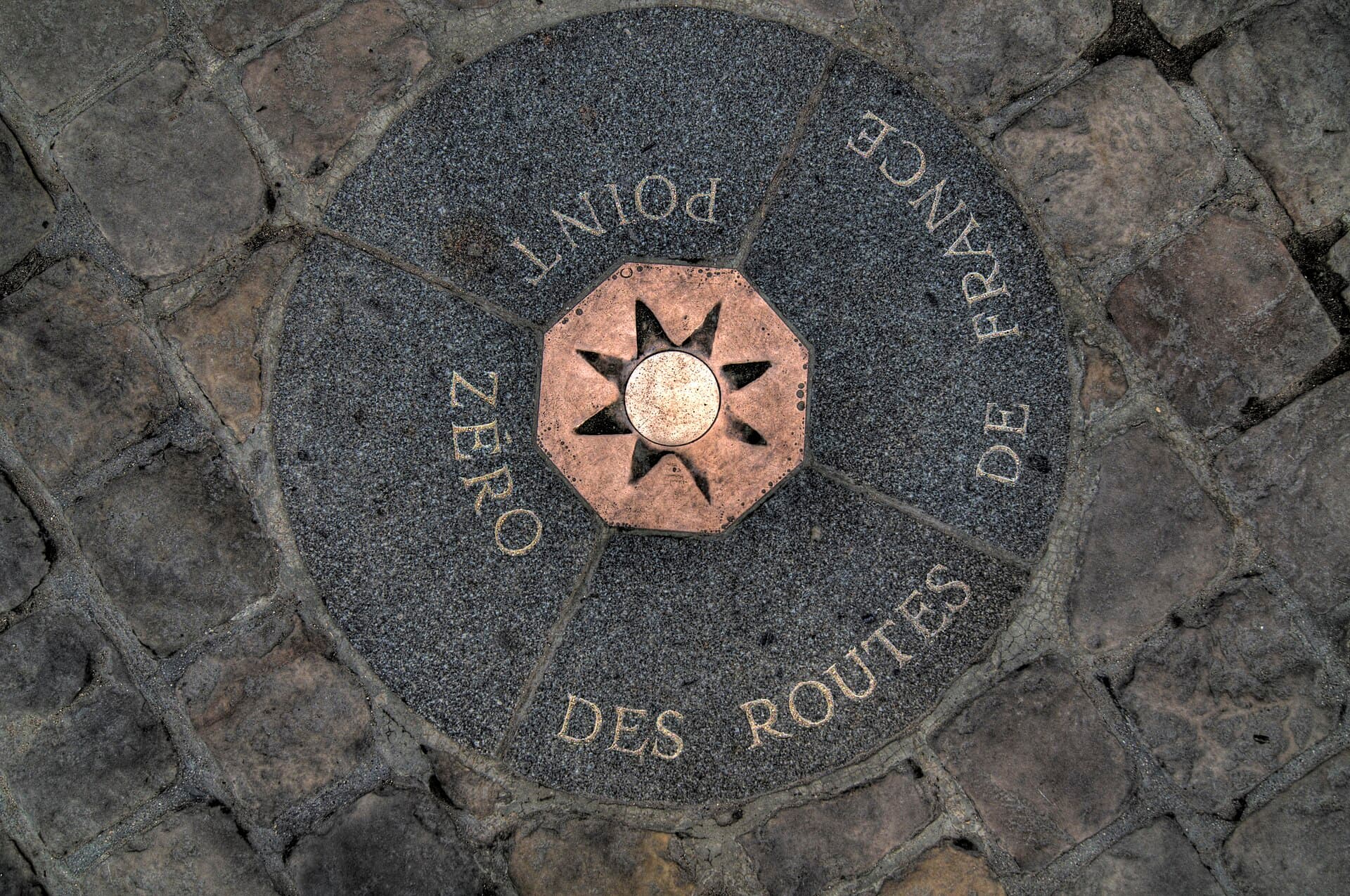 Point Zero of the French RoadsAn octagonal bronze plaque set into the paving of the square before Notre-Dame c5 minutes walk4.6
Looking for halal food near Conciergerie? There are several options nearby, from Moroccan and Indian kitchens to quick casual spots and places with a view. Confirm the halal status and opening hours before you go — these can change.
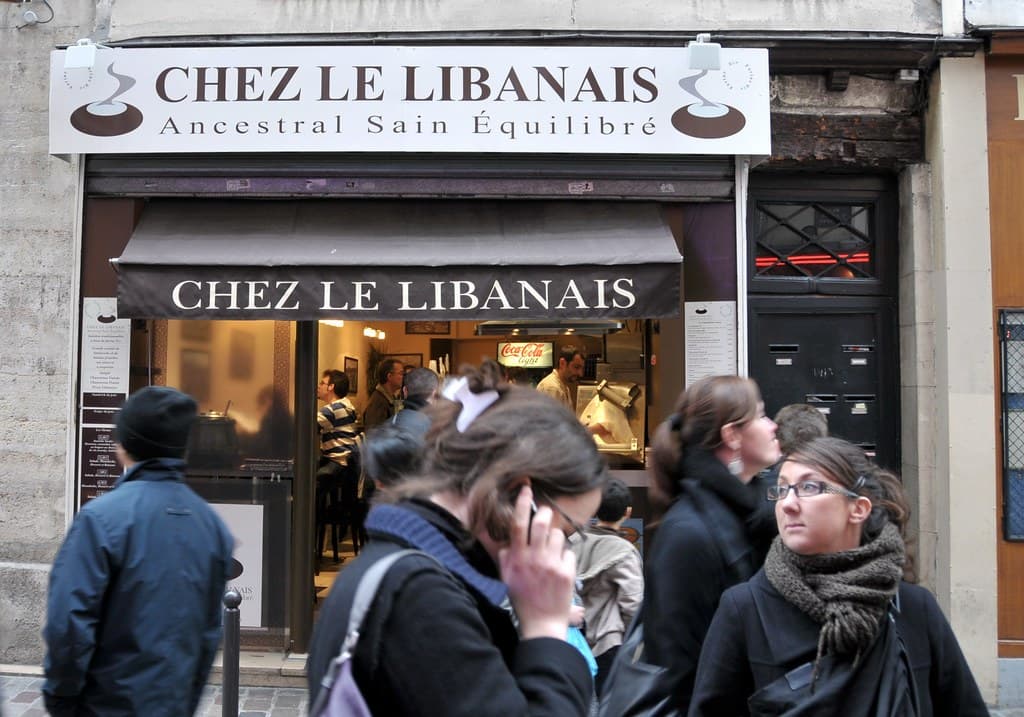 Chez le LibanaisHalalA small counter on Rue Saint-André des Arts, one of the busiest pedestrian stree5 minutes walk · $4.5Al DarHalalAl Dar is a Lebanese restaurant in the Latin Quarter, a few minutes on foot from9 minutes walk · $$4.1AssanabelHalalAssanabel is a small Lebanese restaurant on Rue Jacob, one of the prettiest and 12 minutes walk · $$4.9
Sainte-Chapelle for glass without equal, the Conciergerie for history that raises gooseflesh — but the combined ticket and two-minute proximity make it academic: take both in two and a half hours.
The HistoPad turns it into a discovery game fine from about eight up, and the great hall awes everyone — the prison-and-guillotine stories need your judgement per child.