
The star vents
Star-shaped openings in the vaults that let sunlight in and steam out.
Rodelar — CC BY-SA 4.0 · R Prazeres — CC BY-SA 4.0 · R Prazeres — CC BY-SA 4.0 · Delegación de Cultura Ayuntamiento de Córdoba — CC BY 2.0
The Caliphal Baths served the palace of the caliphs of Córdoba, and date in origin to the tenth century under al-Hakam II. They were found underground, restored, and are entered today from an open square. The rooms survive well: changing room, then cold, warm and hot chambers, with horseshoe arches and star-shaped vents in the vaults that let sunlight in and steam out. The display is modern and explains how the bath worked: heating the water, running hot air beneath the floors, and the order of a visit. In Al-Andalus the bath was not only about cleanliness but a daily social institution, and the display here brings that out well. The ticket is cheap and the visit is short.
Star-shaped openings in the vaults that let sunlight in and steam out.
An explanation of how hot air was run beneath the floors to warm the rooms.
Changing, cold, warm, hot — the Islamic bath sequence, clear and well preserved.
Campo Santo de los Mártires, 14004 Córdoba
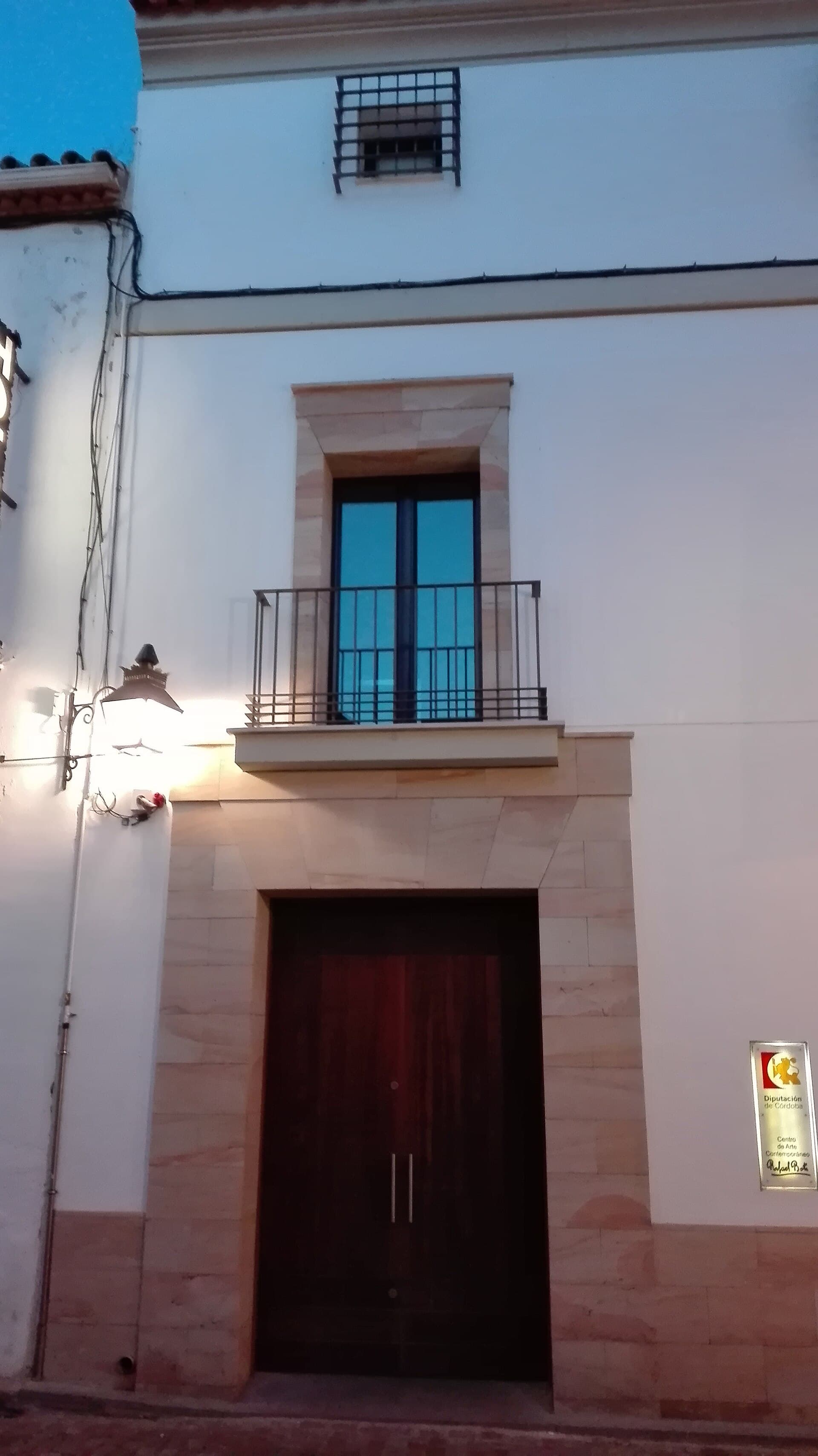 Centro de Arte Rafael BotíAn art centre in central Córdoba named after the painter Rafael Botí, a son of t2 minutes walk4.3
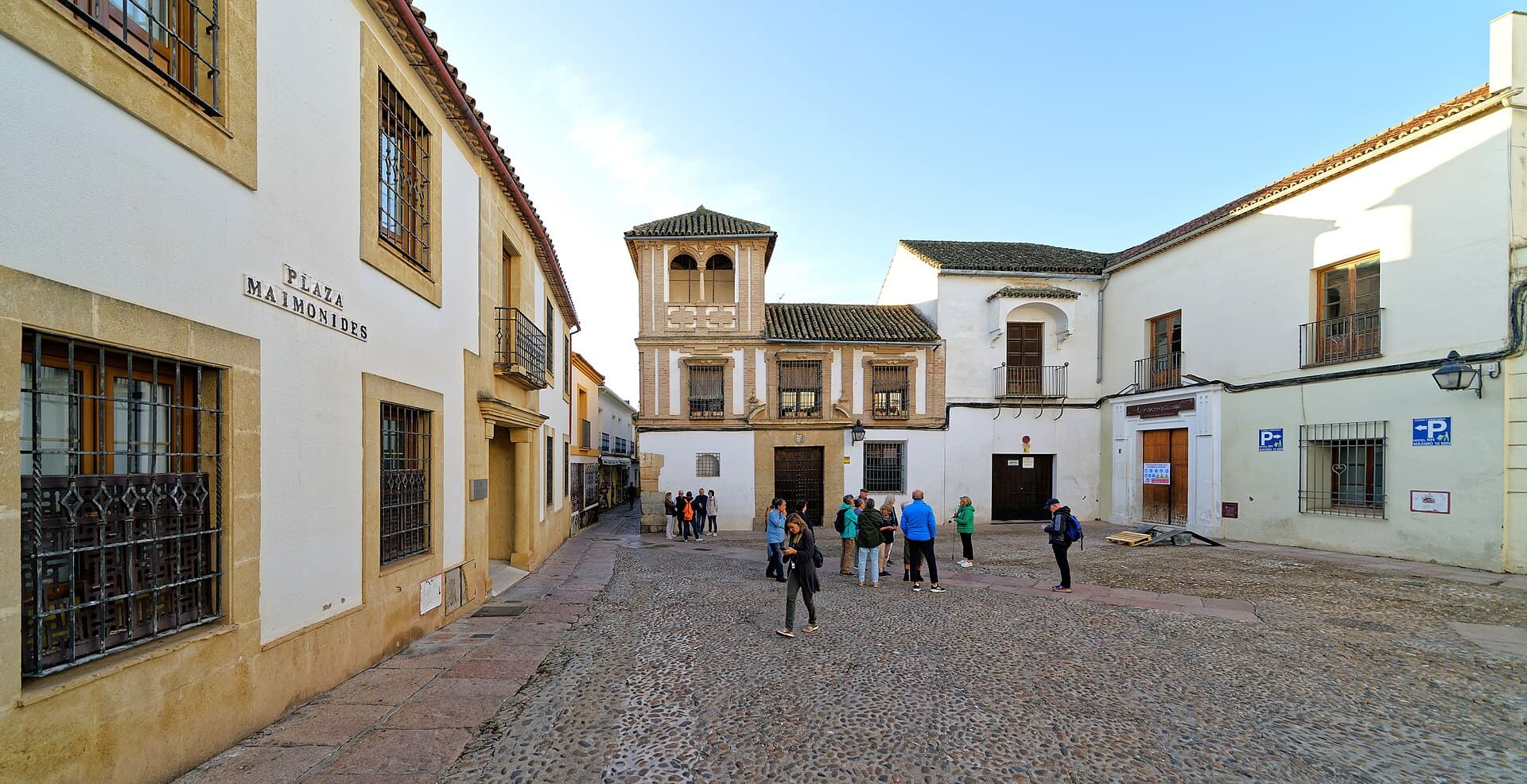 Judería, the Old Jewish QuarterA web of narrow lanes west of the Mosque-Cathedral, the heart of old Córdoba and2 minutes walk4.8
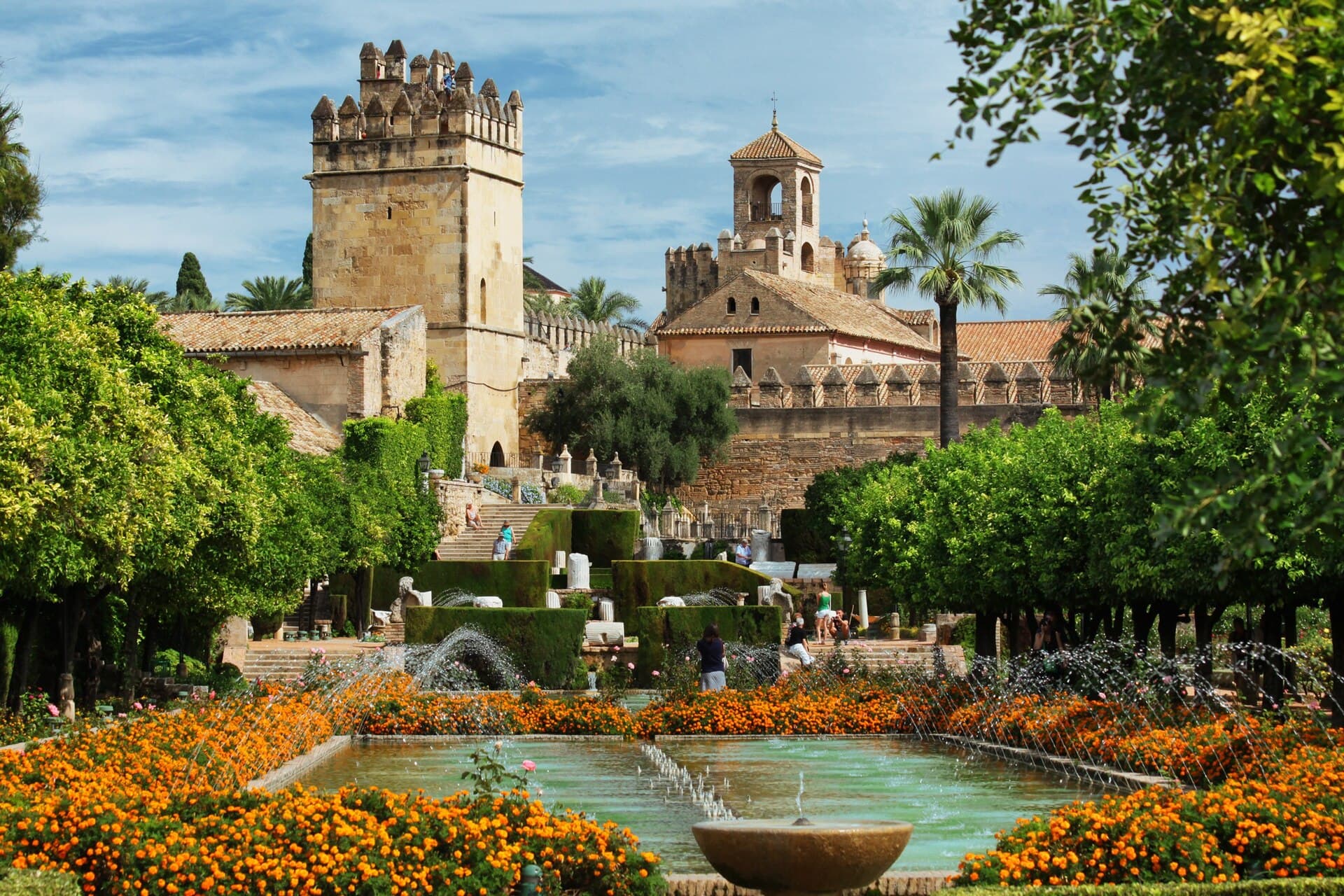 Alcázar de los Reyes CristianosThe Alcázar de los Reyes Cristianos is a fortress-palace in Córdoba built in the2 minutes walk4.6
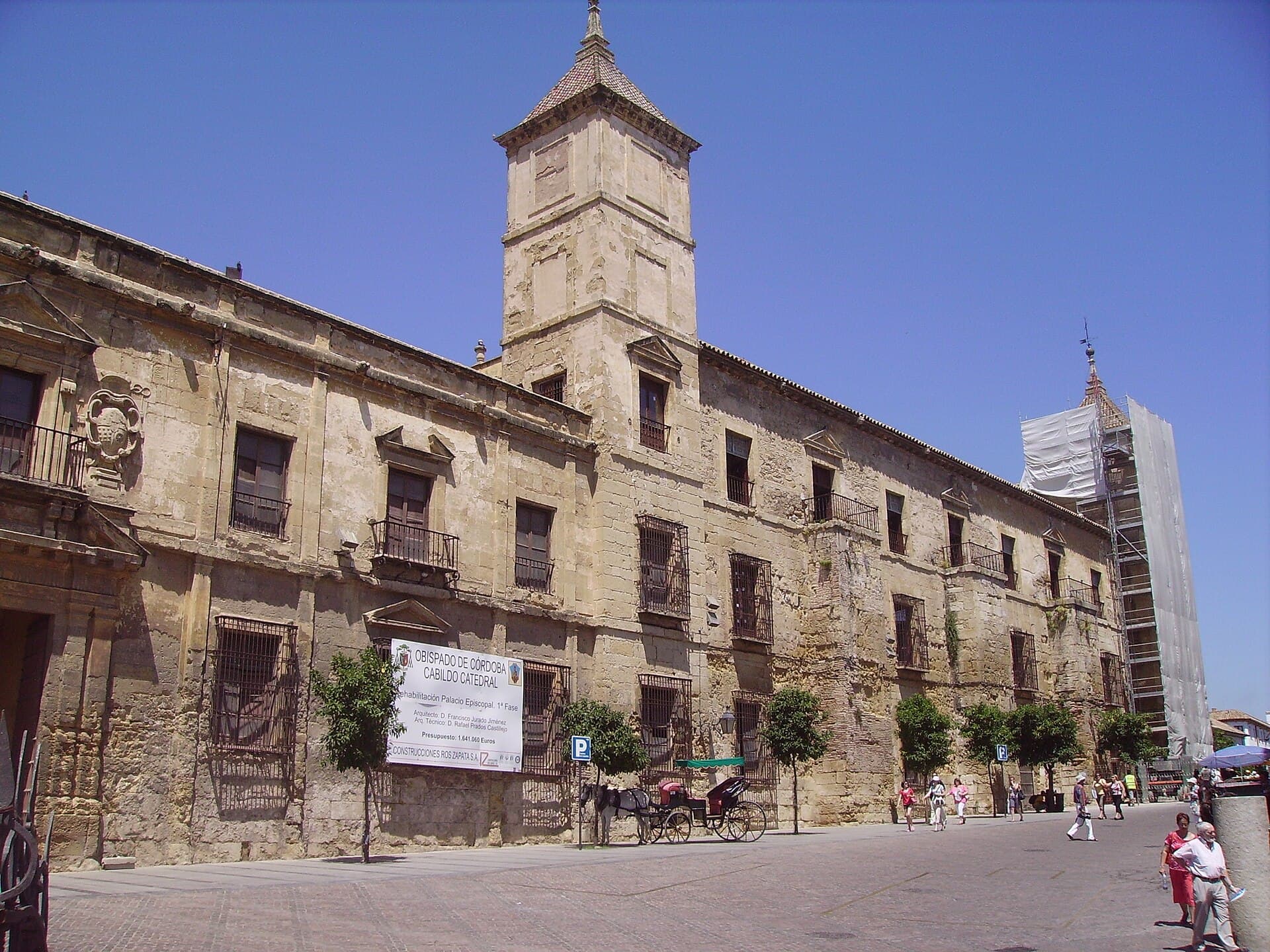 Episcopal PalaceA palace standing directly across the street from the Mosque of Córdoba, the sea2 minutes walk3.8
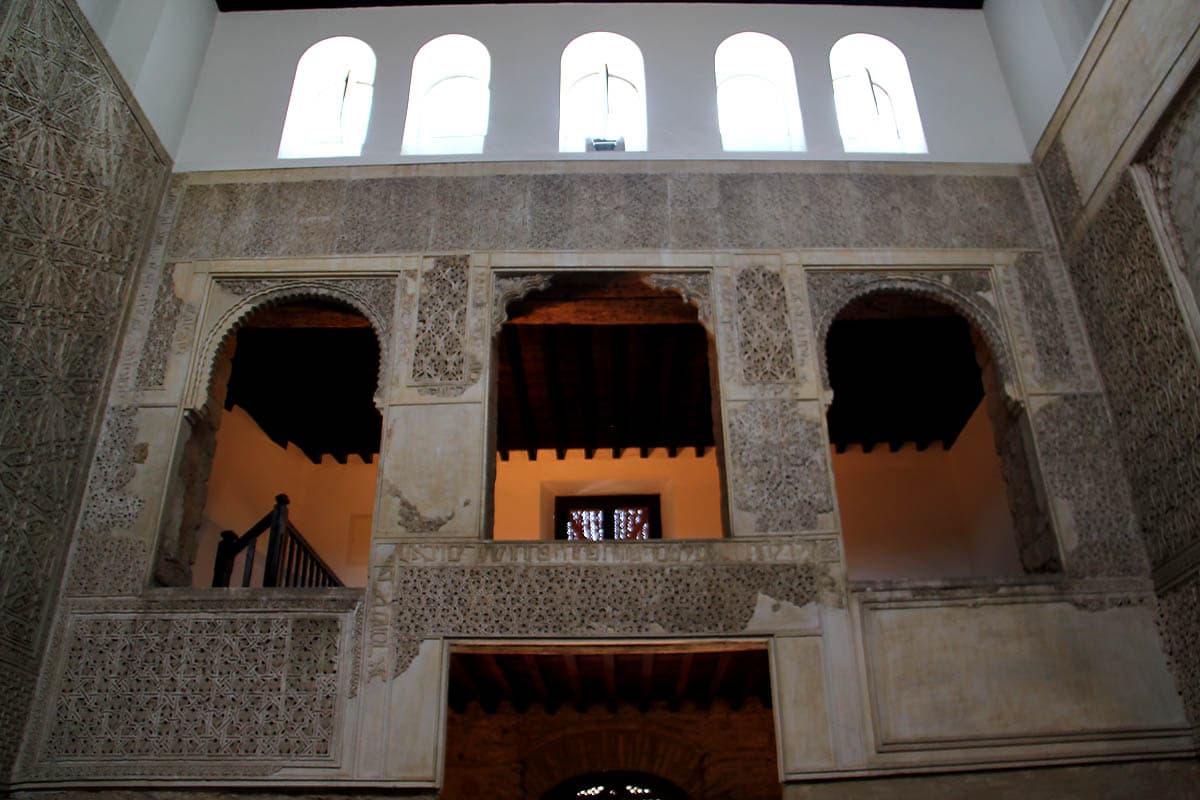 Córdoba SynagogueThe Córdoba Synagogue is one of only three medieval synagogues left in Spain. Bu3 minutes walk4.4
The Granada bath was a public one for townspeople; these were private baths serving the caliph's palace, so they are grander and larger. The display here is also more modern and better explained. The two complement each other if you visit both cities.
Half an hour. It is not large, but the panels are worth reading, because they explain something the buildings themselves cannot: how daily life was actually run.
Older children enjoy the idea of going underground and the heating system. It is small and safe. Younger ones may find it short on activity, but it is over before they get bored.