
The name's birth
The Amstel dam the city is named for — underfoot.
Sietske — CC BY-SA 3.0 · Bybbisch94, Christian Gebhardt — CC BY-SA 4.0 · Txllxt TxllxT — CC BY-SA 4.0 · Txllxt TxllxT — CC BY-SA 4.0
Here Amsterdam was born in name and place: the thirteenth-century dam on the Amstel — 'Amstel-dam' — become the city's great square and civic heart across seven centuries: investitures, markets, uprisings, every city thread pulled to it. Majesty rings it: the Royal Palace's classical front, the Nieuwe Kerk (exhibitions and coronations, not services), the National Monument — the 1956 obelisk for the war's victims where royalty stands each fourth of May in the two-minute national silence — the venerable Bijenkorf store and Madame Tussauds. The square itself is permanent theatre: street artists, pigeons and walkers of every nation — the crossing you will inevitably take daily between station and canals: give it a first conscious pause instead of oblivious passage.
The Amstel dam the city is named for — underfoot.
The 1956 obelisk and royalty's two silent minutes each May 4th.
Palace, coronation church, century store — history in one circle.
Dam, 1012 Amsterdam
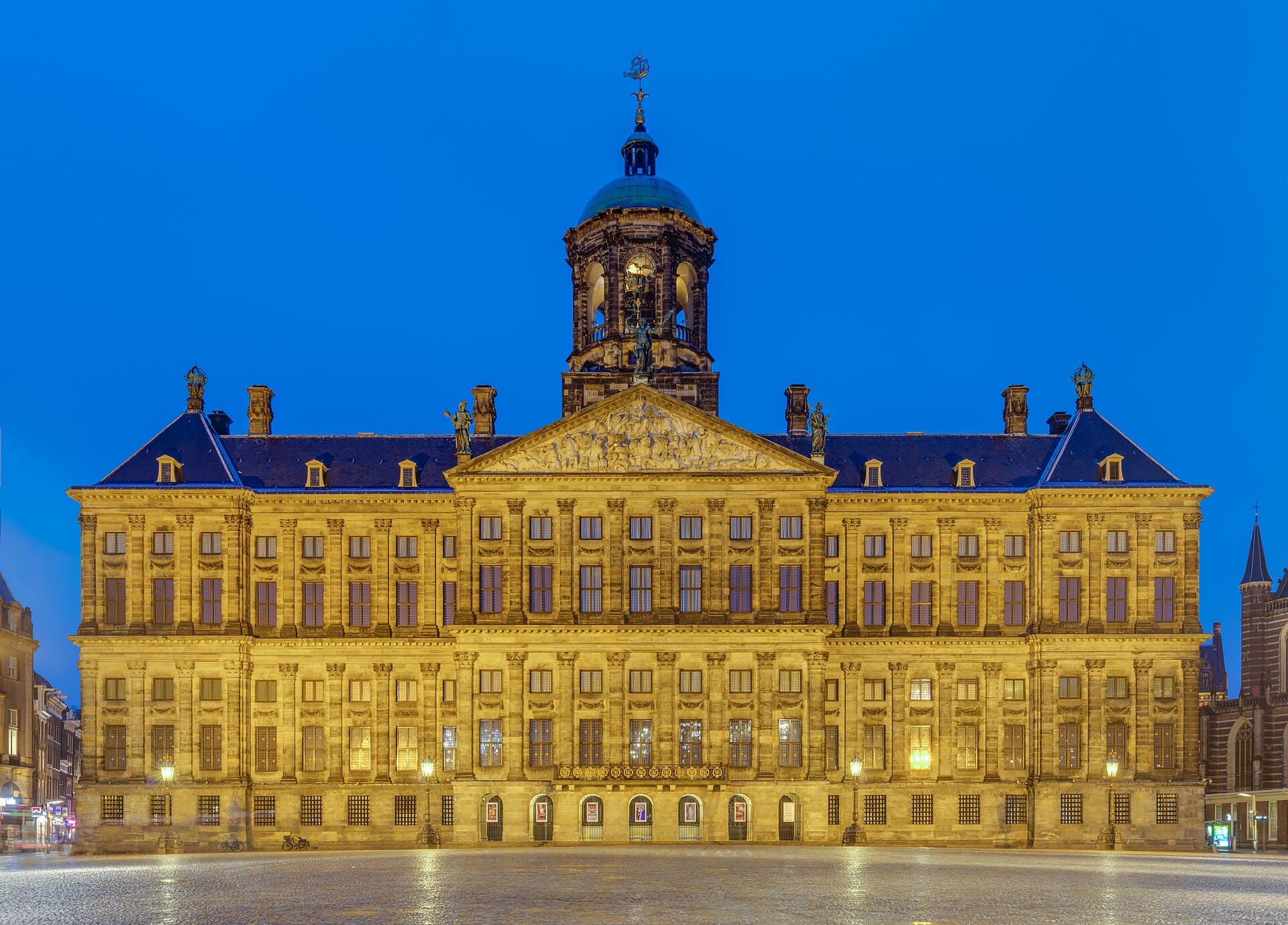 Royal Palace AmsterdamThe Royal Palace on Dam Square was not built as a palace but as a town hall: Ams1 minute walk4.5
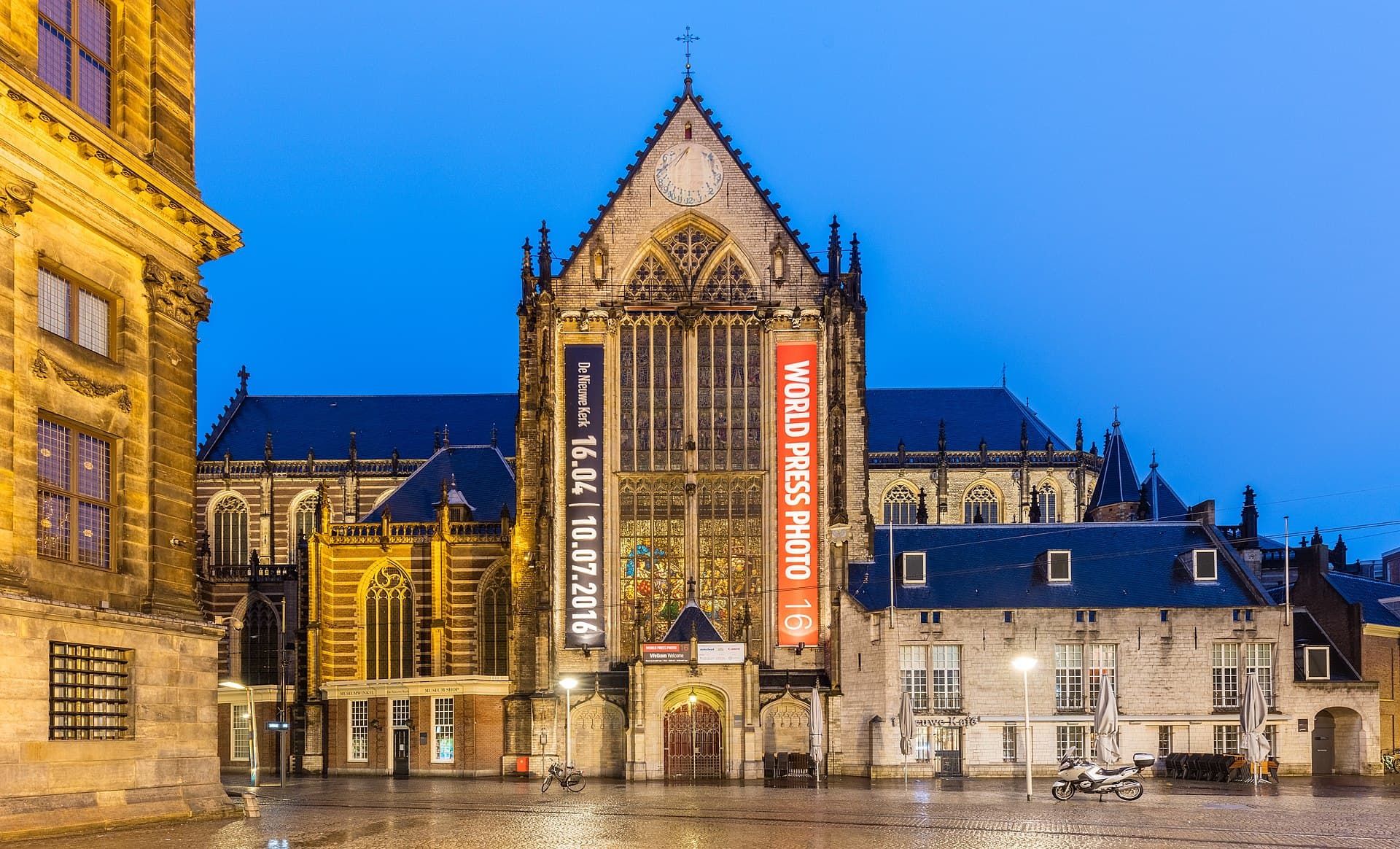 The Nieuwe KerkThe Nieuwe Kerk stands on Dam Square beside the Royal Palace, and its name misle1 minute walk4.3
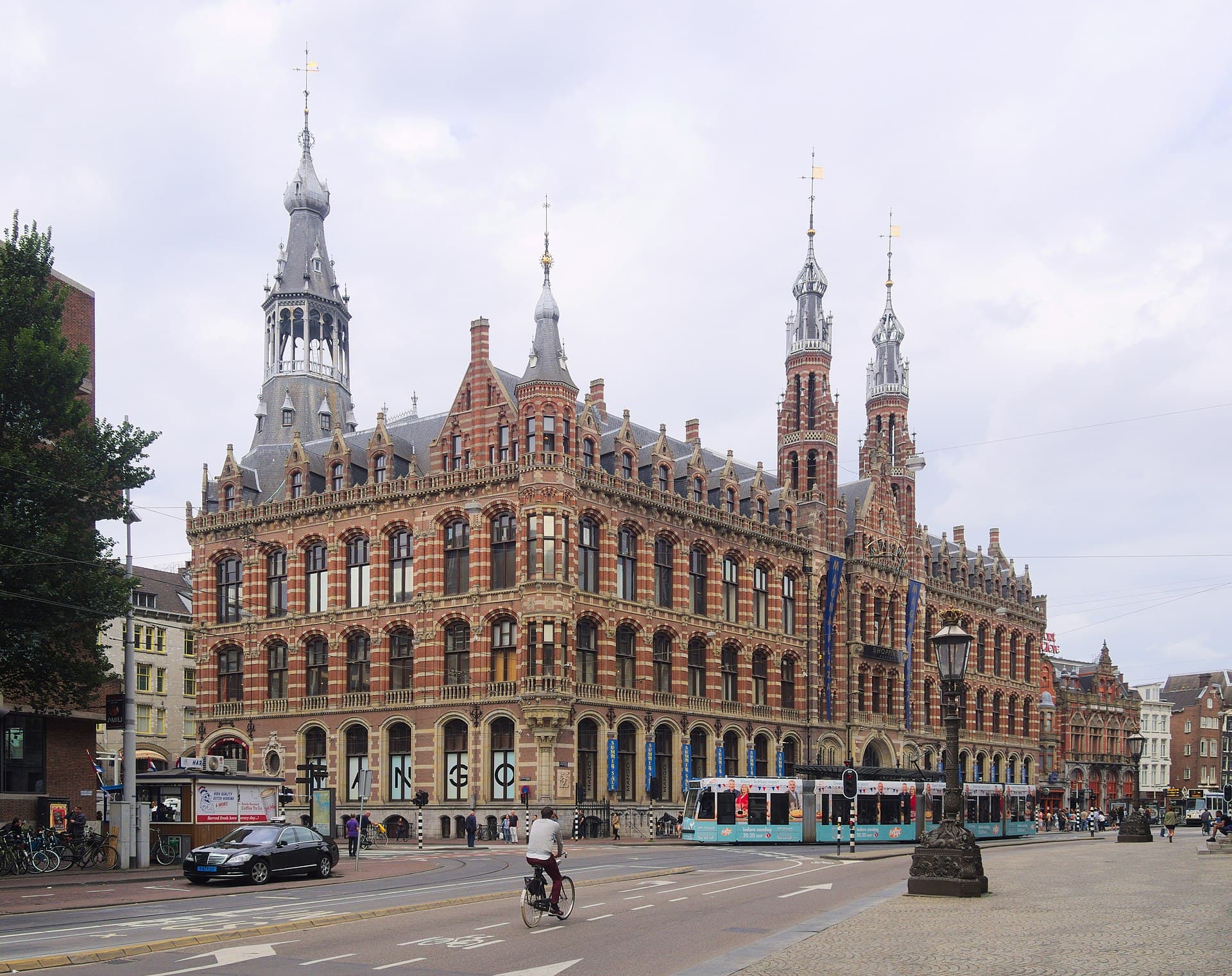 Magna PlazaMagna Plaza stands directly behind the Royal Palace, the largest neo-Gothic buil2 minutes walk3.9
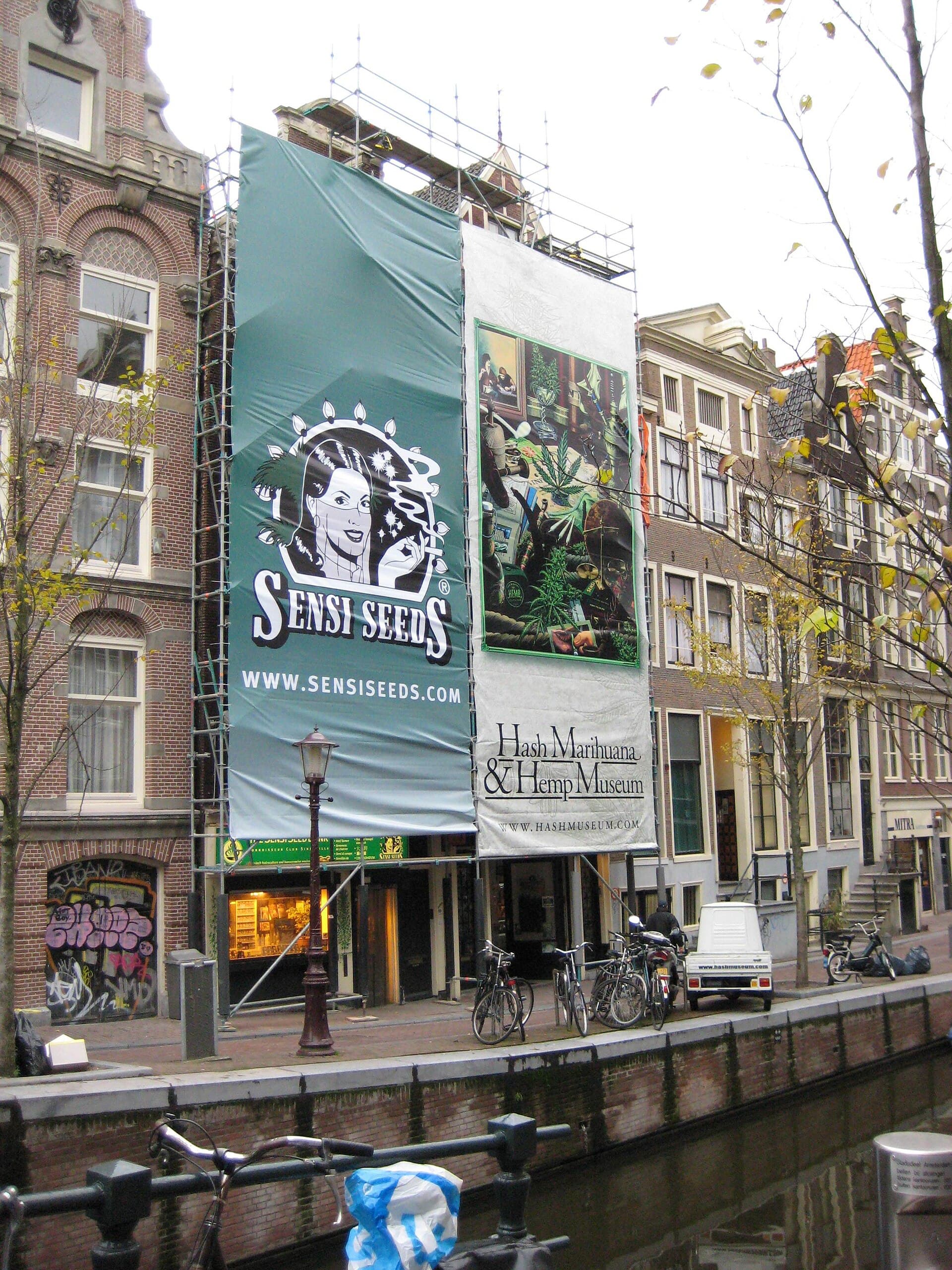 The Hash, Marihuana and Hemp MuseumA small museum in central Amsterdam presenting the history of the cannabis plant4 minutes walk4.2
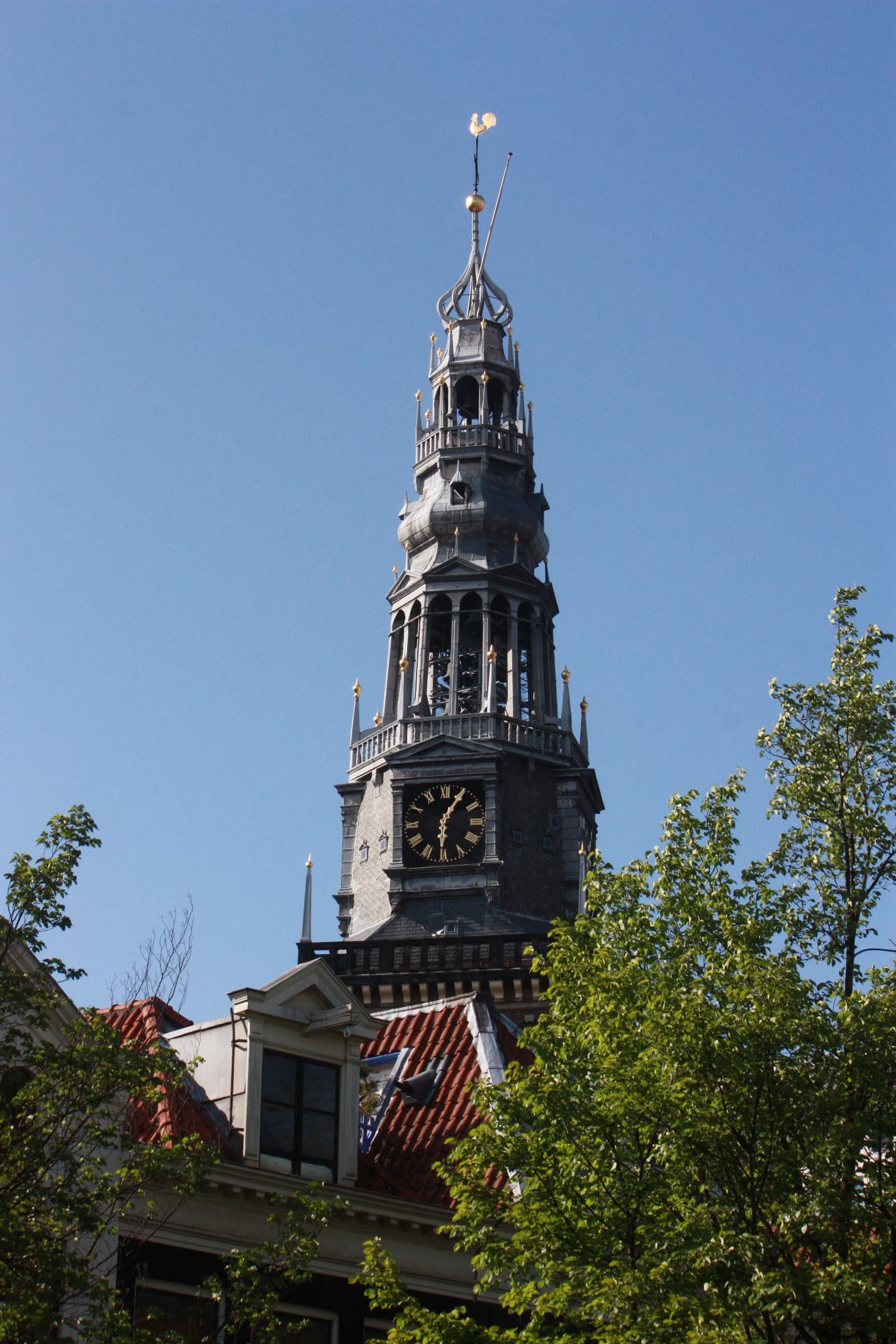 The Old Church TowerThe tower of Amsterdam's Old Church, the oldest standing building in the city, t5 minutes walk4.5
'New' since 1408 against its older sister: the coronation and wedding church of every Dutch monarch — no longer worship but a grand exhibition hall ticketed by the show, the next investiture reclaiming it. Façade and portal deserve the look regardless.
Remembrance of war and occupation dead: at eight PM all Holland stills two minutes — trams halting, speech stopping — the king laying the wreath here. Witnessing it moves the chance visitor; May 5th then celebrates Liberation outright: two consecutive days explaining the country.
The square itself prices touristically — wisdom lies two streets off: the quiet lane cafés behind the palace, or Bijenkorf's top floor for a practical lunch view. The finer coffee sits deeper in Jordaan or the Nine Streets minutes west.