
The Citizens' Hall
White marble with maps of earth and heaven at your feet.
Diego Delso — CC BY-SA 4.0 · Dietmar Rabich — CC BY-SA 4.0 · Dragan Jankovic Faza… — CC BY-SA 3.0 · Richard Mortel from Riyadh, Saudi Arabia — CC BY 2.0
The Royal Palace on Dam Square was not built as a palace but as a town hall: Amsterdam raised it at the height of its Golden Age (1665) to be Europe's greatest civic building, a declaration in stone of a merchant city that ruled world trade — standing on 13,659 wooden piles in the marsh, a number every Dutch schoolchild knows. Its central Citizens' Hall is among Europe's most splendid spaces: white marble with floor maps of the two hemispheres and the heavens at your feet — the Amsterdam citizen literally stood at the centre of the world. Napoleon turned it into a royal palace for his brother (1808), and it remains one of the king's three official palaces, opened to visitors when no state events are held. Right on Dam Square, central to every walk — check it is open (it closes for royal occasions) before going.
White marble with maps of earth and heaven at your feet.
The number every Dutch person knows — a city on the marsh.
Europe's greatest civic building when built — the merchants' pride.
Dam, 1012 Amsterdam
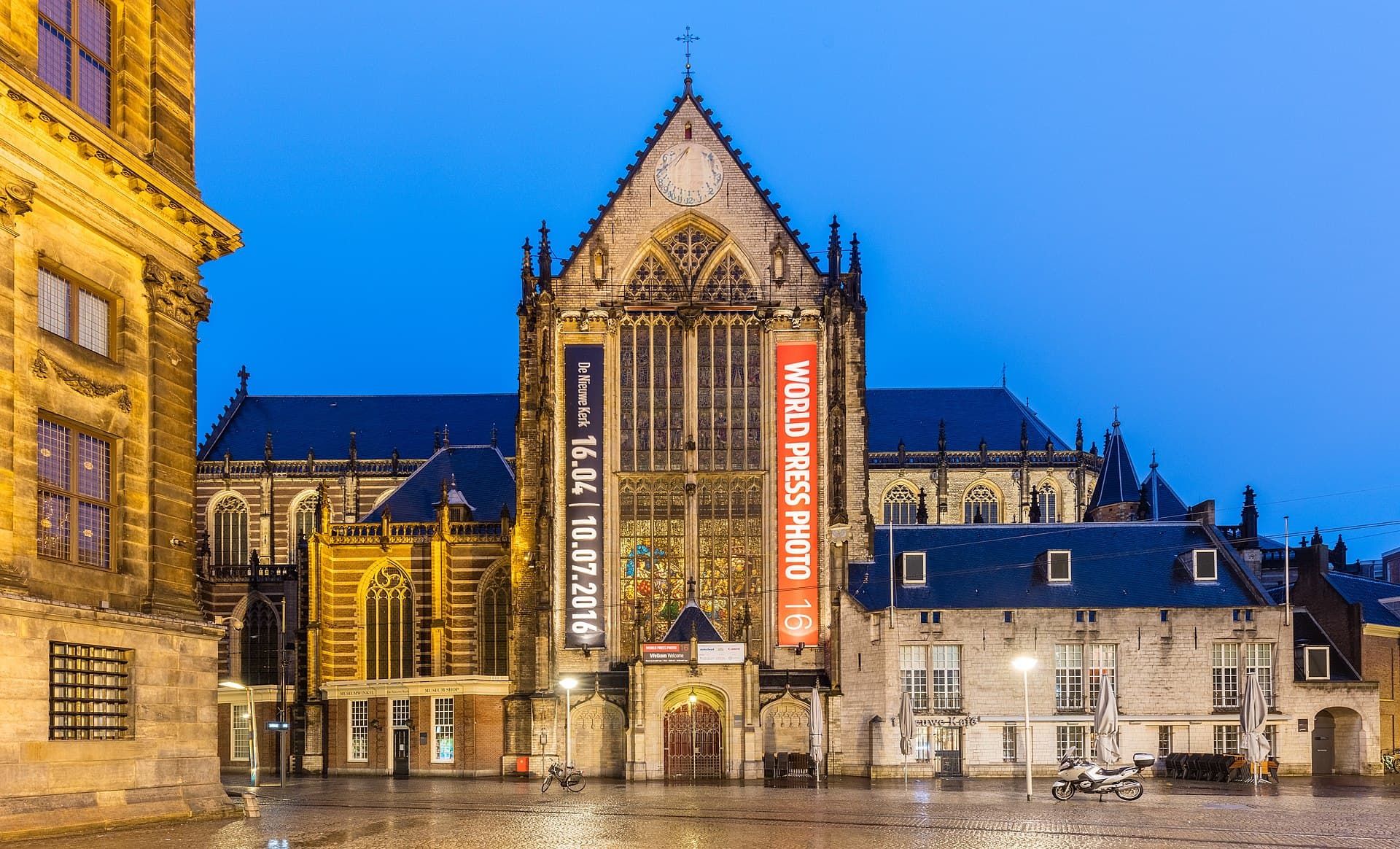 The Nieuwe KerkThe Nieuwe Kerk stands on Dam Square beside the Royal Palace, and its name misle1 minute walk4.3
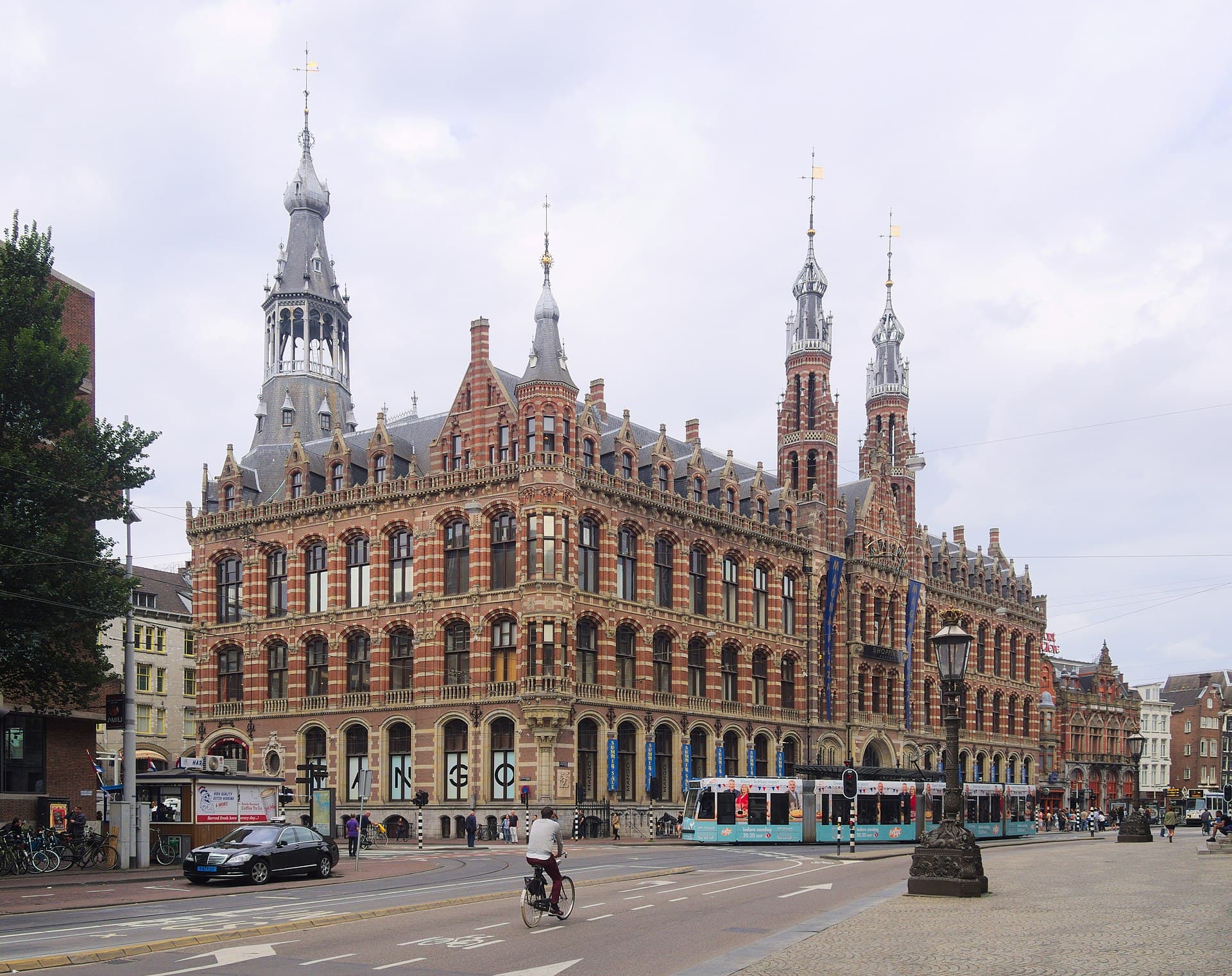 Magna PlazaMagna Plaza stands directly behind the Royal Palace, the largest neo-Gothic buil1 minute walk3.9
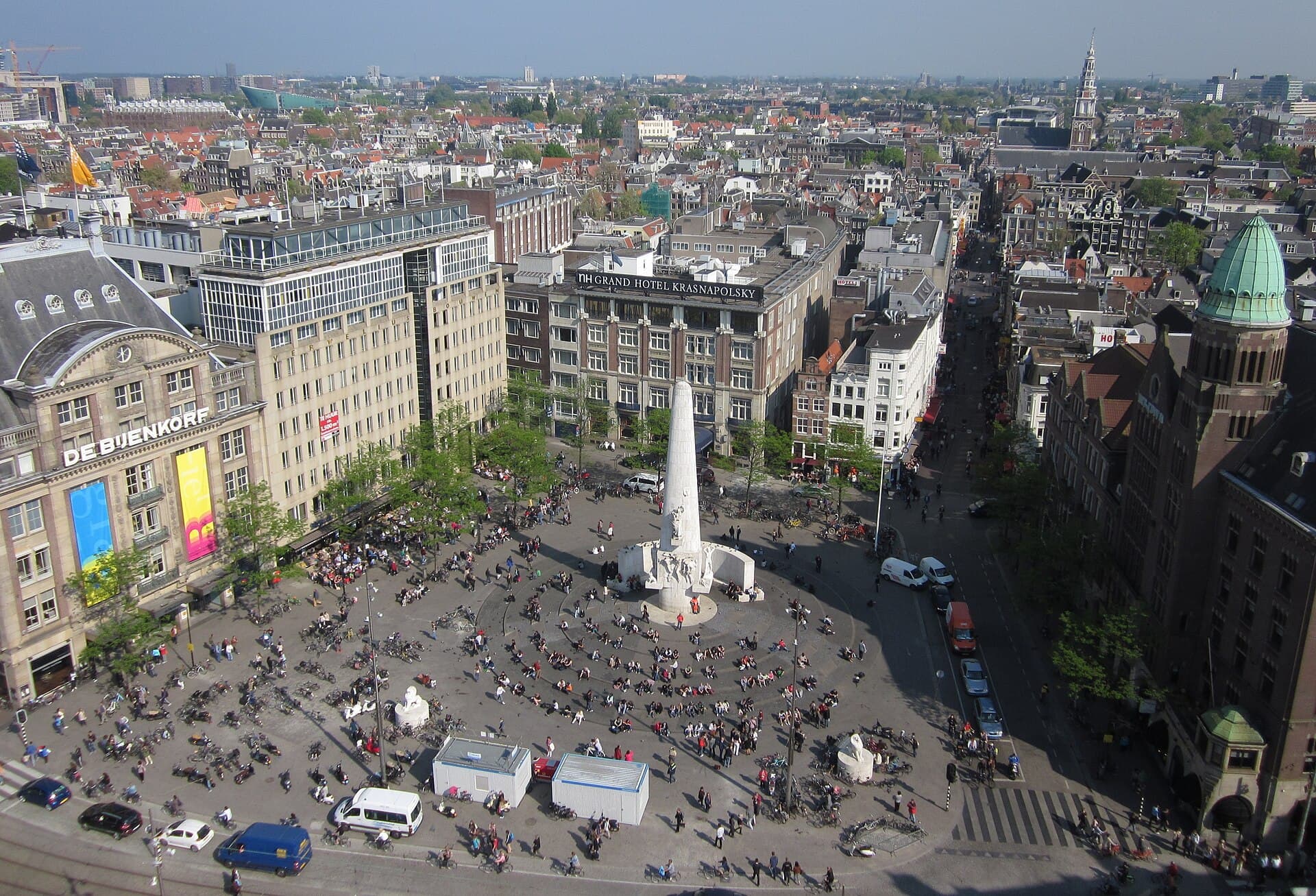 Dam SquareHere Amsterdam was born in name and place: the thirteenth-century dam on the Ams1 minute walk4.6
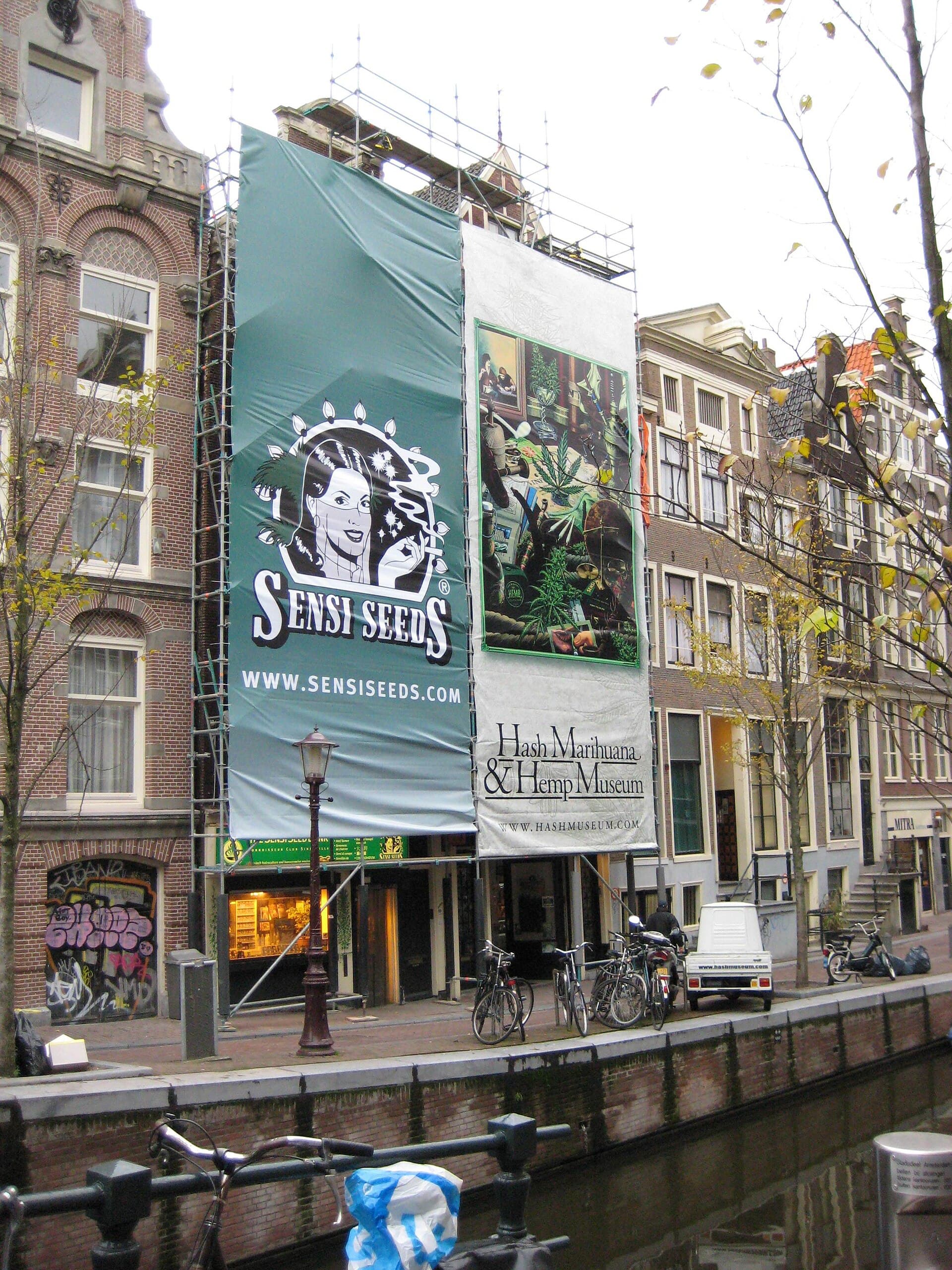 The Hash, Marihuana and Hemp MuseumA small museum in central Amsterdam presenting the history of the cannabis plant5 minutes walk4.2
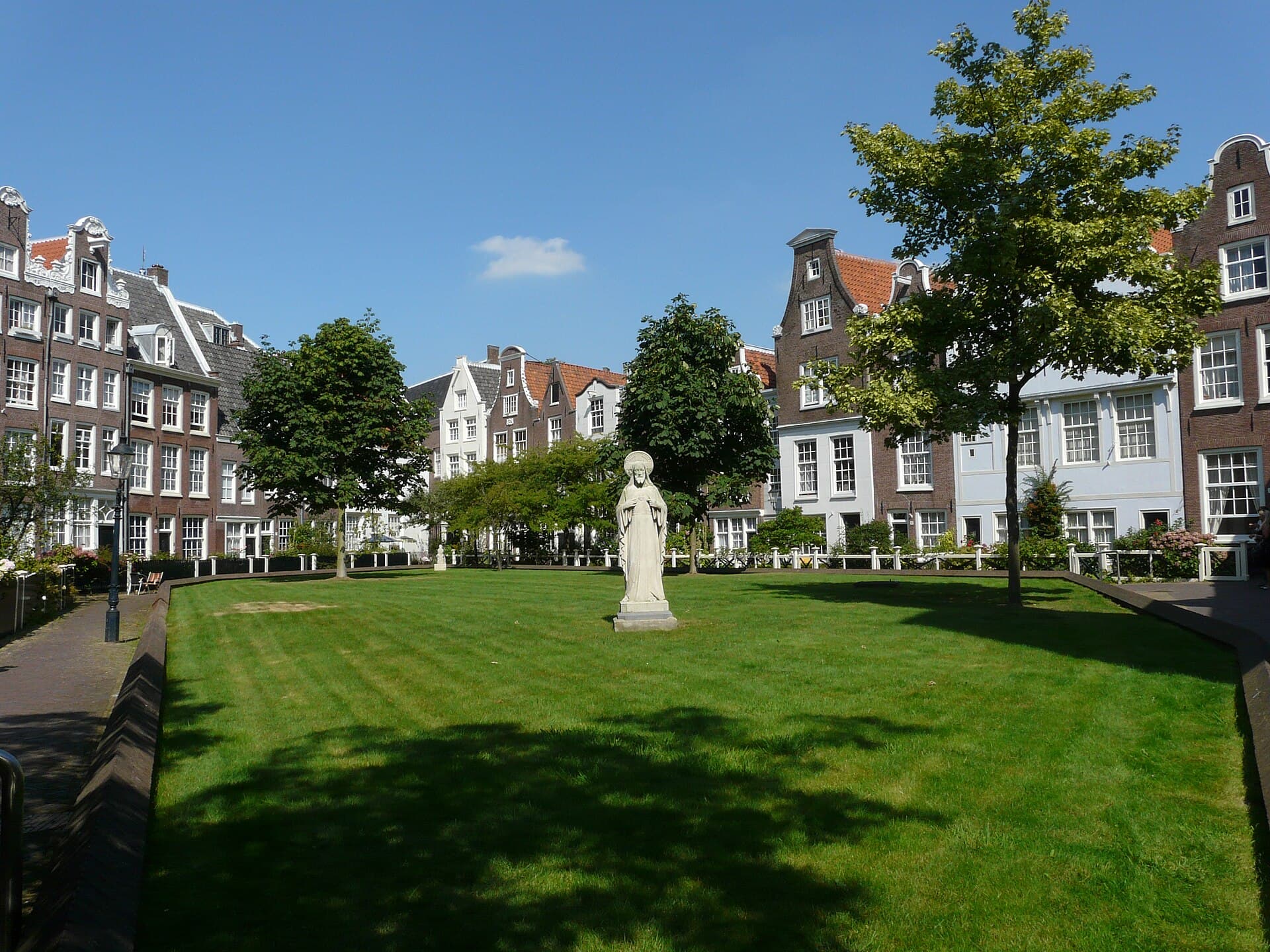 The BegijnhofAn ordinary wooden door near the city's busiest squares — push it and centuries'5 minutes walk4.6
Because seventeenth-century Amsterdam was the world's richest, most powerful trading city, with no king or court — so it wanted its civic seat grander than kings' palaces, a statement that the power of free merchants outranked crowns. The marble, maps and statues are all a political message.
The Dam façade is free and enough for the rushed. But the interior Citizens' Hall is the real event — unseen from outside, its splendour explaining the Golden Age's greatness as no other sight does. For the history-minded: the ticket is worth it.