
Sennedjem's tomb
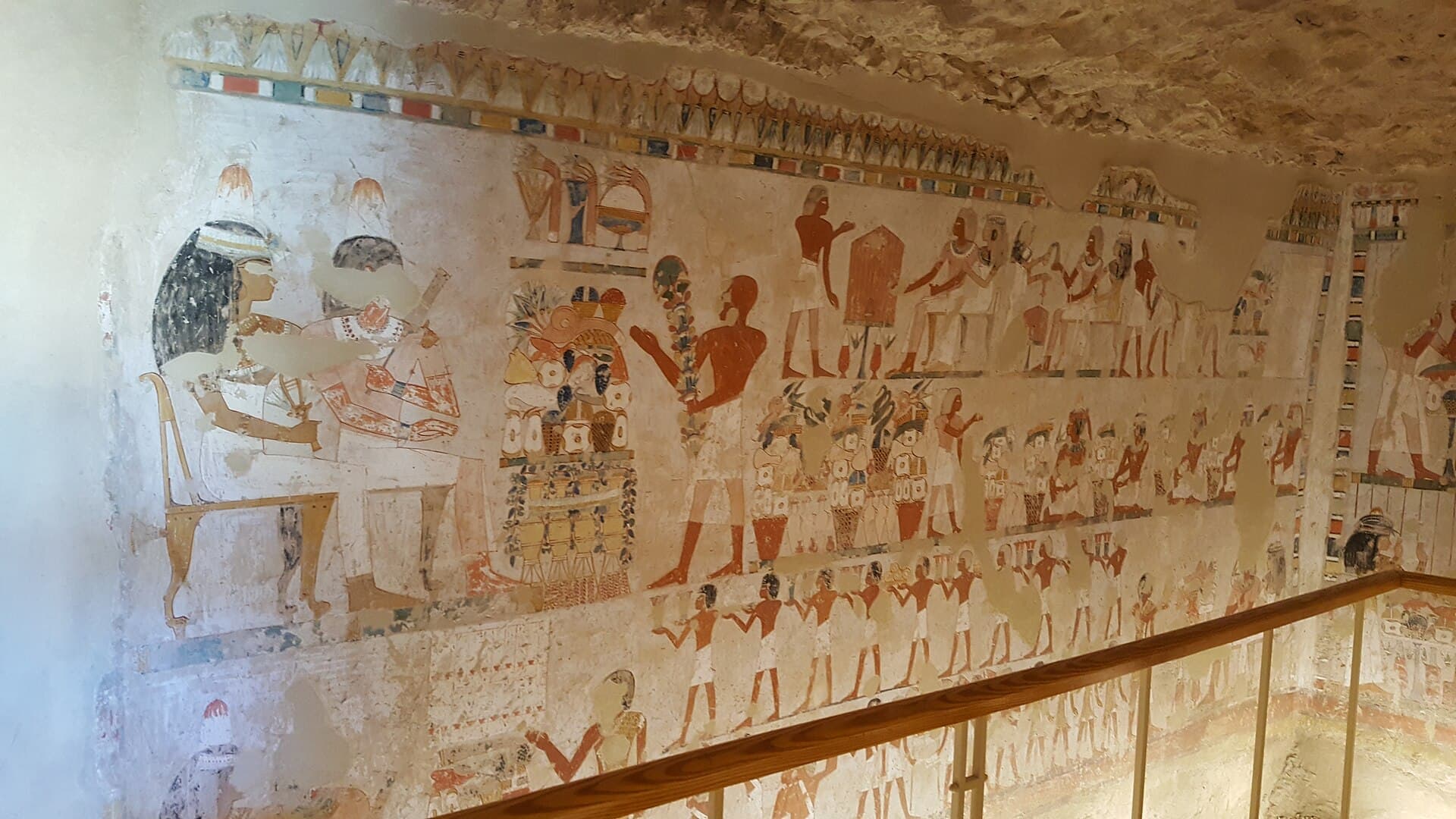
Painted fields of the afterlife.
Chabe01 — CC BY-SA 4.0 · Holger Uwe Schmitt — CC BY-SA 4.0 · R Prazeres — CC BY-SA 4.0 · Chabe01 — CC BY-SA 4.0 · R Prazeres — CC BY-SA 4.0 · Chabe01 — CC BY-SA 4.0 · R Prazeres — CC BY-SA 4.0 · Olaf Tausch — CC BY 3.0
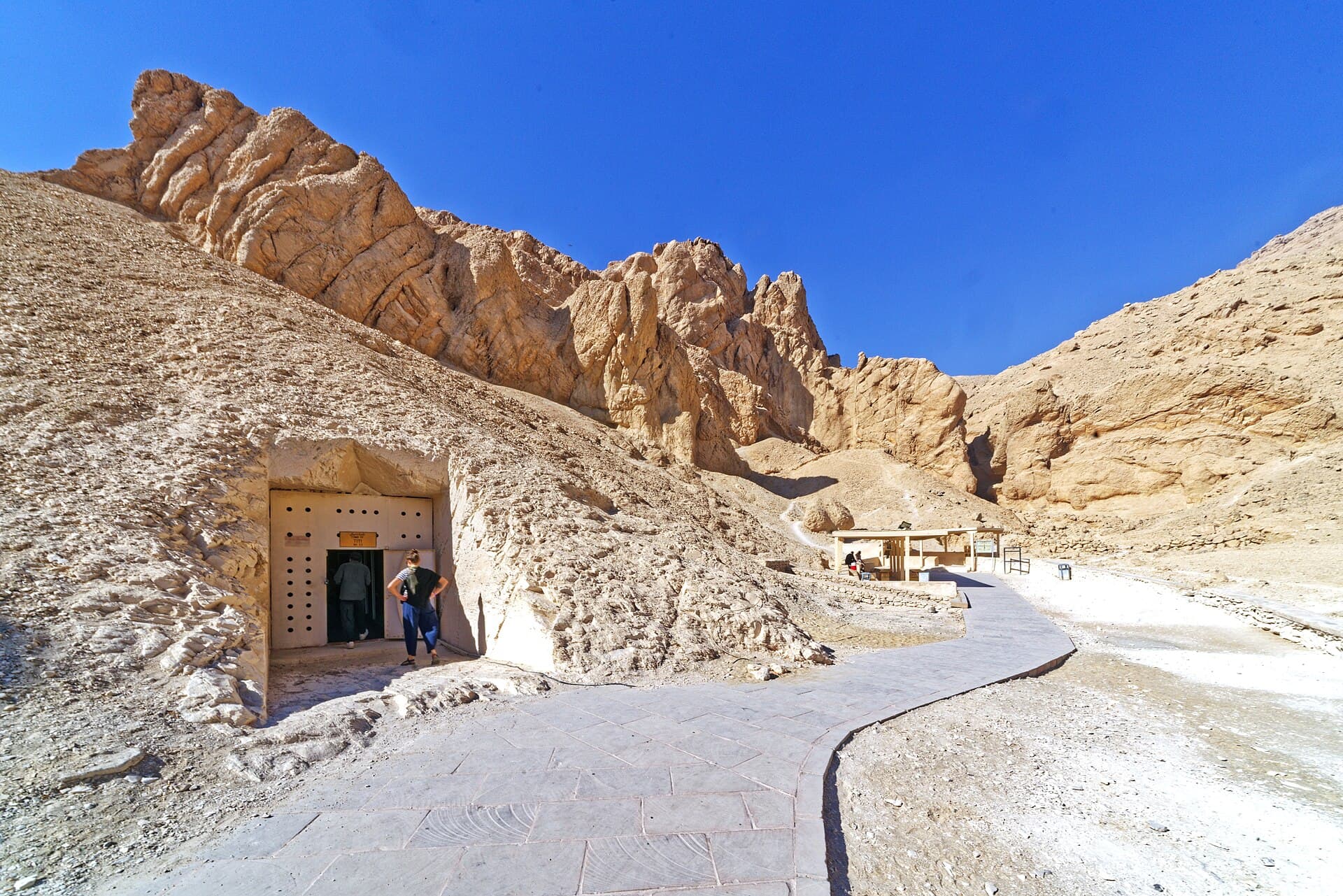
The village of the craftsmen and artists who cut and decorated the royal tombs in the Valley of the Kings, home to them and their families for about four centuries, from roughly 1550 to 1080 BC. Its ancient name was Set Maat, the Place of Truth, and its Arabic name comes from a Coptic monastery later set up in its temple. You walk among the foundations of close-packed stone houses on either side of the narrow village street. Thousands of inscribed pottery and stone fragments were found here, telling of daily life in detail: wages, debts, quarrels and letters, including the oldest recorded labour strike in history. On the slope above the village lie the workers' own tombs, decorated with their skill for themselves in bright colours, the best known being the tomb of Sennedjem, with lovely country scenes of the fields of the afterlife, and that of Inherkhau. At the edge of the site is a small Ptolemaic temple to the goddess Hathor with well-preserved reliefs. A foreign visitor's ticket costs about two hundred and twenty Egyptian pounds, with a small extra ticket for the tomb of Pashedu, and it opens from six to five. The tombs are small and cramped, but their colours are among the finest on the West Bank.
Painted fields of the afterlife.
A 3,000-year-old street.
A small Ptolemaic temple.
West Bank, Luxor, between the Valley of the Queens and the Ramesseum
 Valley of the QueensA rocky valley on Luxor's West Bank where queens, princes, princesses and senior10 minutes walk
 Tombs of the Nobles (Sheikh Abd el-Qurna)A necropolis on the slopes of the West Bank hills, the largest group of private 11 minutes walk
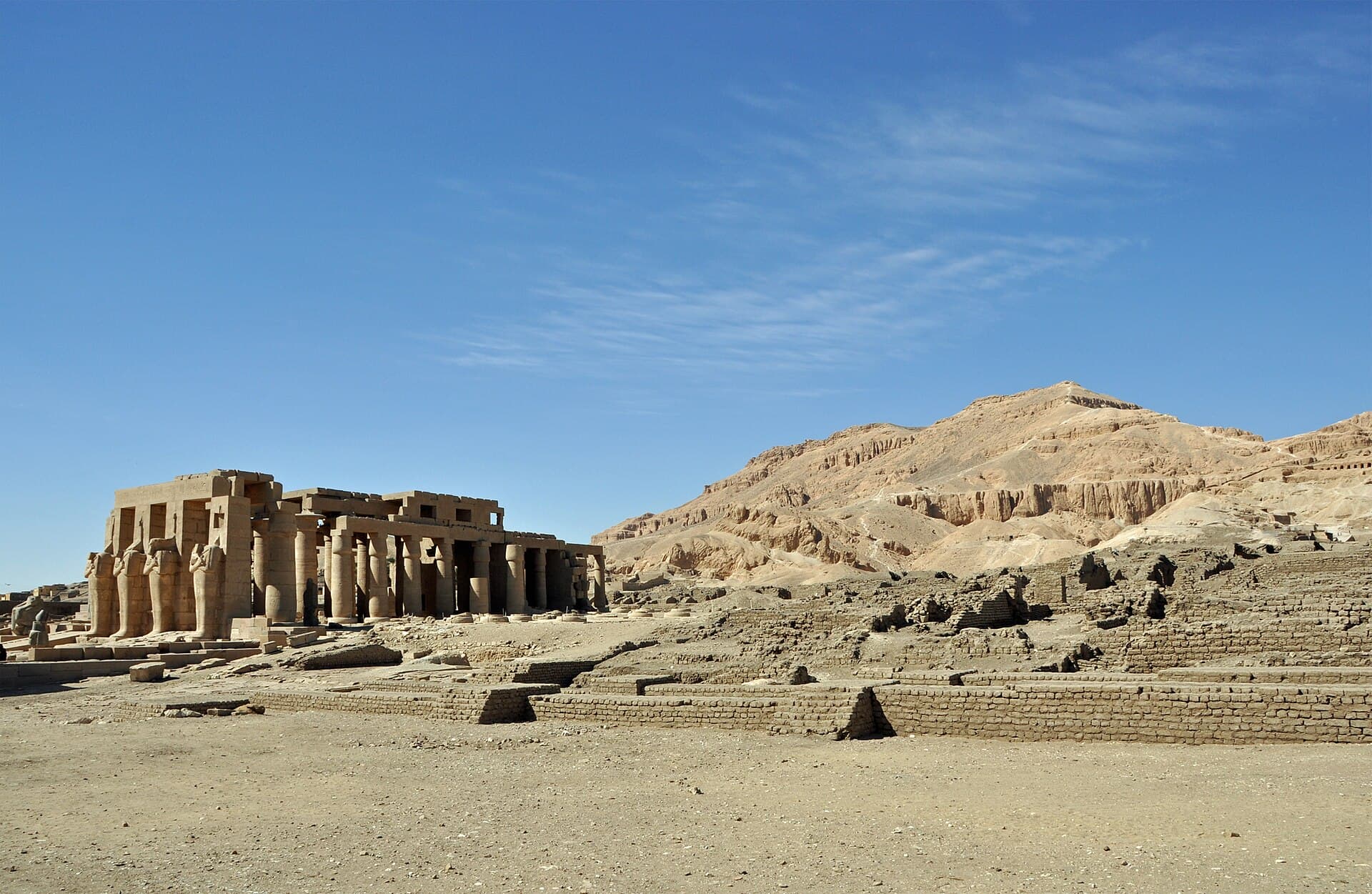 RamesseumThe memorial temple of Ramesses II on Luxor's West Bank, built to keep his memor11 minutes walk
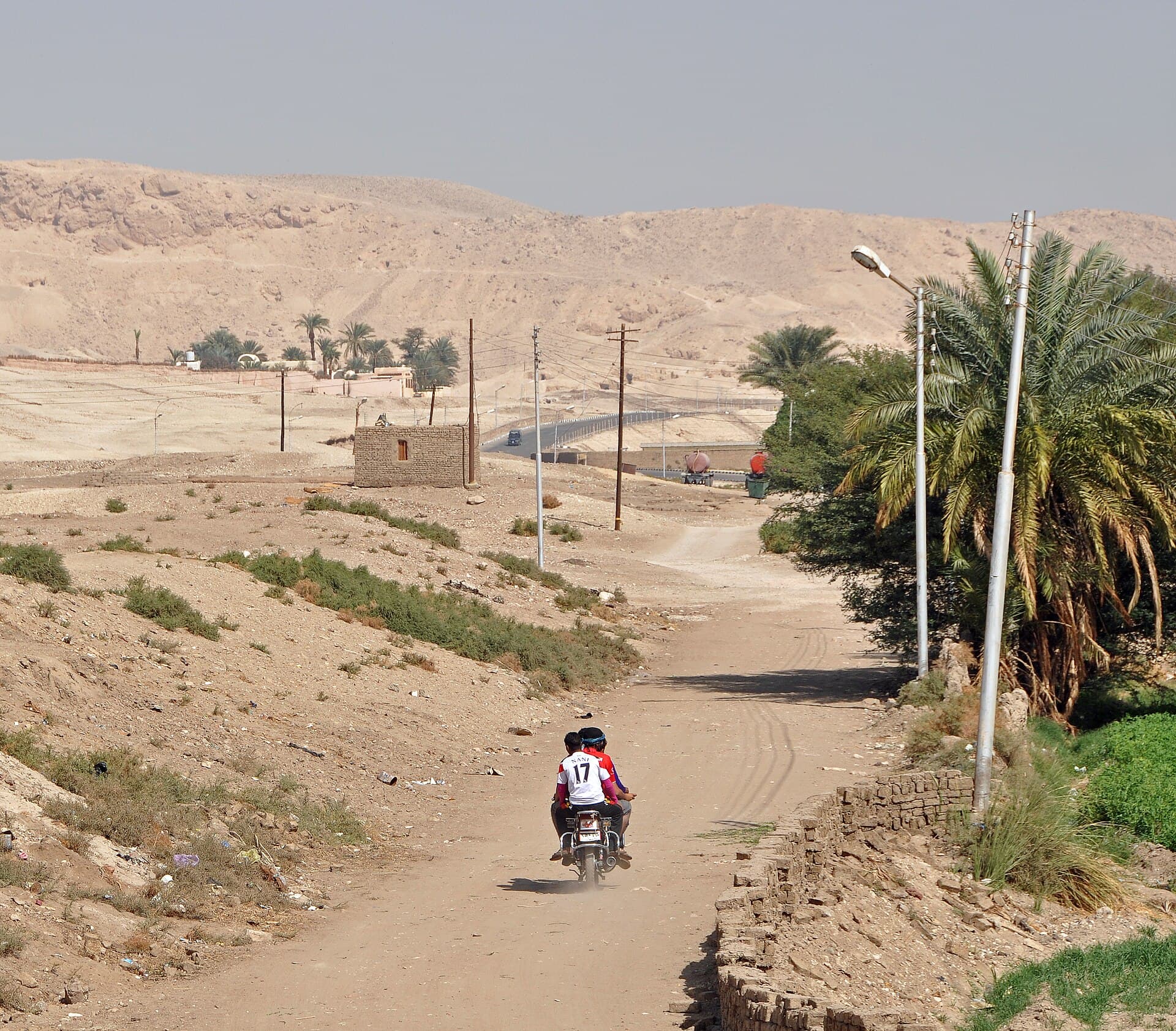 Medinet HabuThe mortuary temple of Ramesses III, and the finest thing on the west bank after12 minutes walk4.9
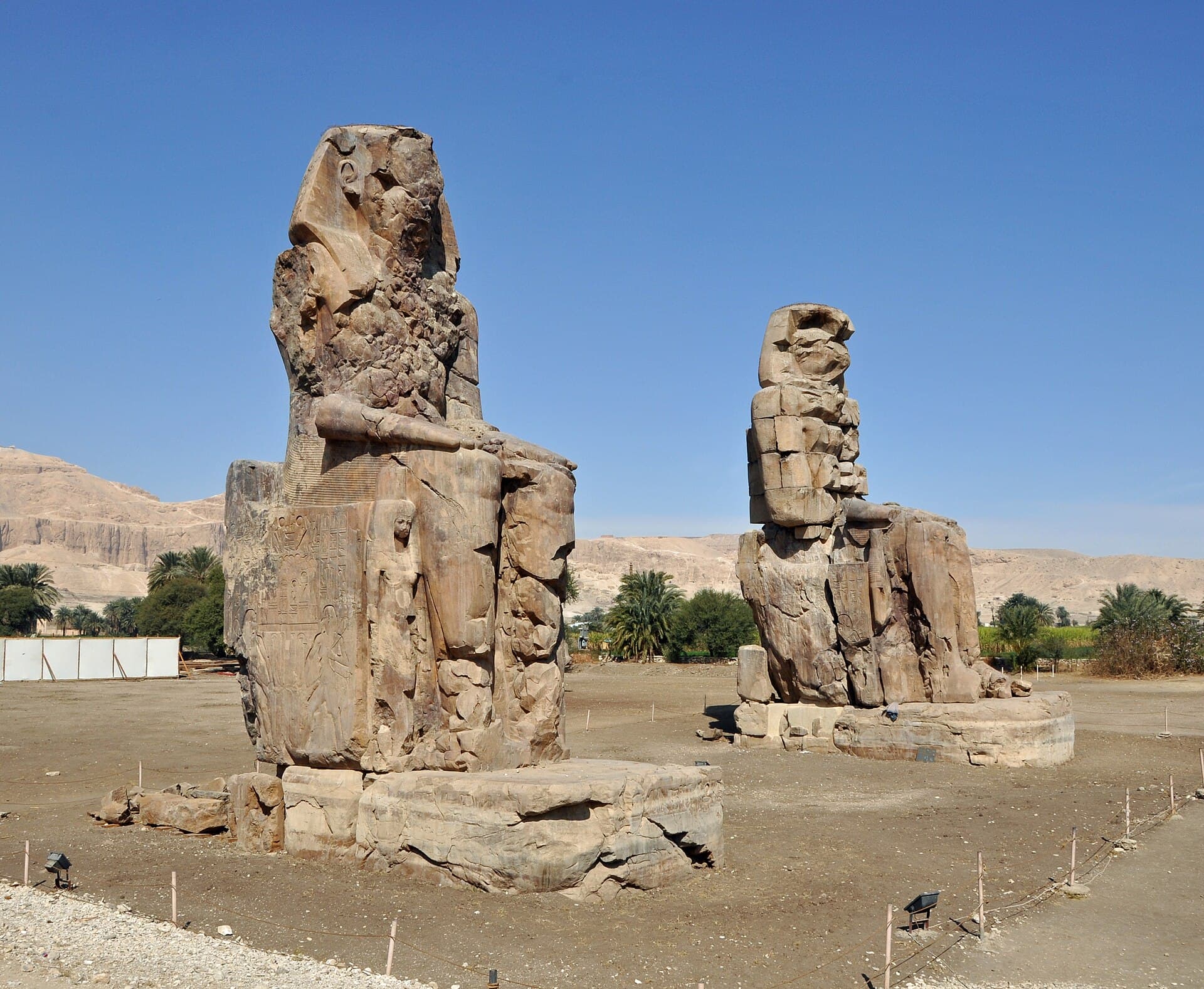 Colossi of MemnonTwo enormous stone figures standing alone in an open field beside the west bank 15 minutes walk4.5
They belong to the artists themselves, who decorated them with scenes of their own lives and beliefs, pairing royal-level skill with a personal touch.