
Defensive walls, modern interior
Thick volcanic stone containing a contemporary design space.
muffinn from Worcester, UK — CC BY 2.0 · Herbert wie — CC BY-SA 4.0 · Brisille — CC BY-SA 4.0 · muffinn from Worcester, UK — CC BY 2.0
A design centre in an eighteenth-century sea fort on the quay of Funchal harbour, named after the Madeiran interior designer Nini Andrade Silva. The building is the first reason: a small fort of volcanic stone built to defend the harbour, derelict for years before being restored and converted into a cultural space. The combination of thick defensive walls and a modern design interior is what distinguishes the visit. Its position at the end of the quay means the sea surrounds it on three sides, with a terrace and restaurant looking over the harbour and the bay of Funchal. The programme is rotating exhibitions of design, architecture and contemporary art, along with a section showing the designer's own work. The value follows what is on — check the programme. This is entirely unlike the rest of Funchal, a city usually visited for its gardens, its cable car and its markets. It stands a short walk from central Funchal along the seafront.
Thick volcanic stone containing a contemporary design space.
A view of Funchal harbour and the bay from directly above the water.
Entirely unlike the city's gardens, cable car and markets.
Forte de Santo Amaro, Pontinha, Funchal
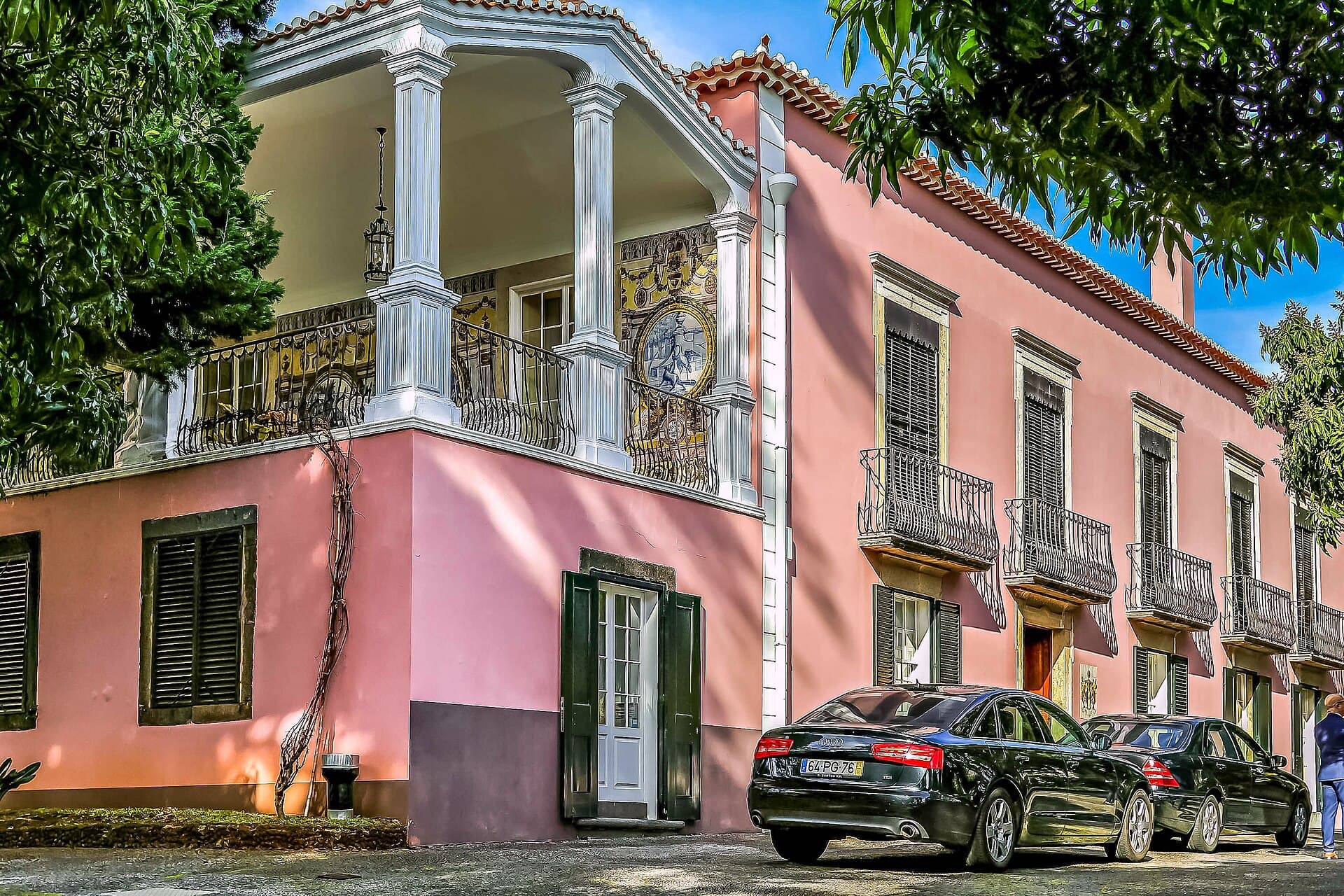 Quinta VigiaA historic country house and its gardens above Funchal harbour, today the offici5 minutes walk4.4
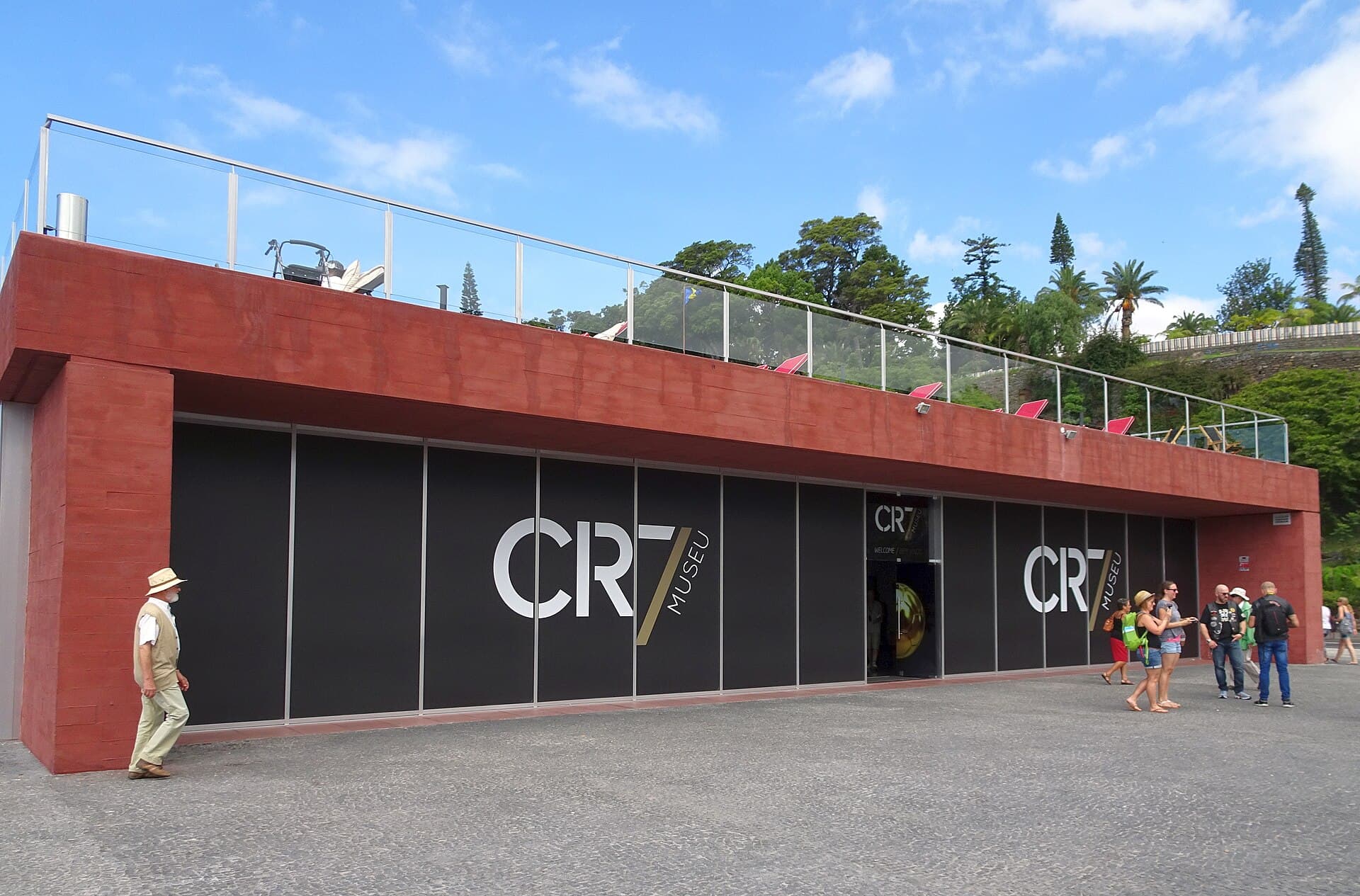 The CR7 Museum & Ronaldo StatueThe CR7 Museum is the island's greatest son's shrine: Cristiano Ronaldo was born7 minutes walk4.4
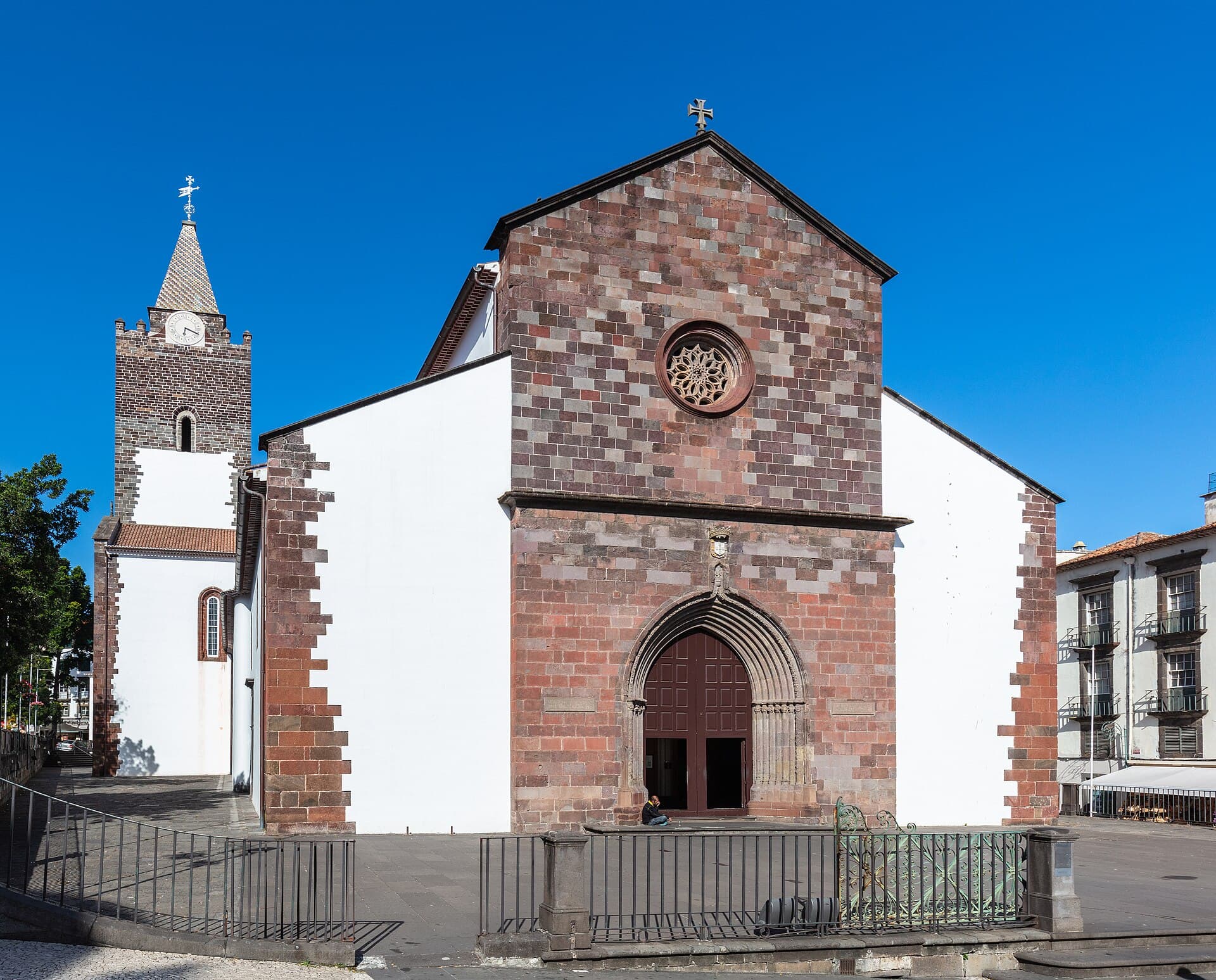 Funchal Cathedral (the Sé)Funchal's Sé is the Age of Discoveries' oldest surviving daughter: a 1514 cathed11 minutes walk4.7
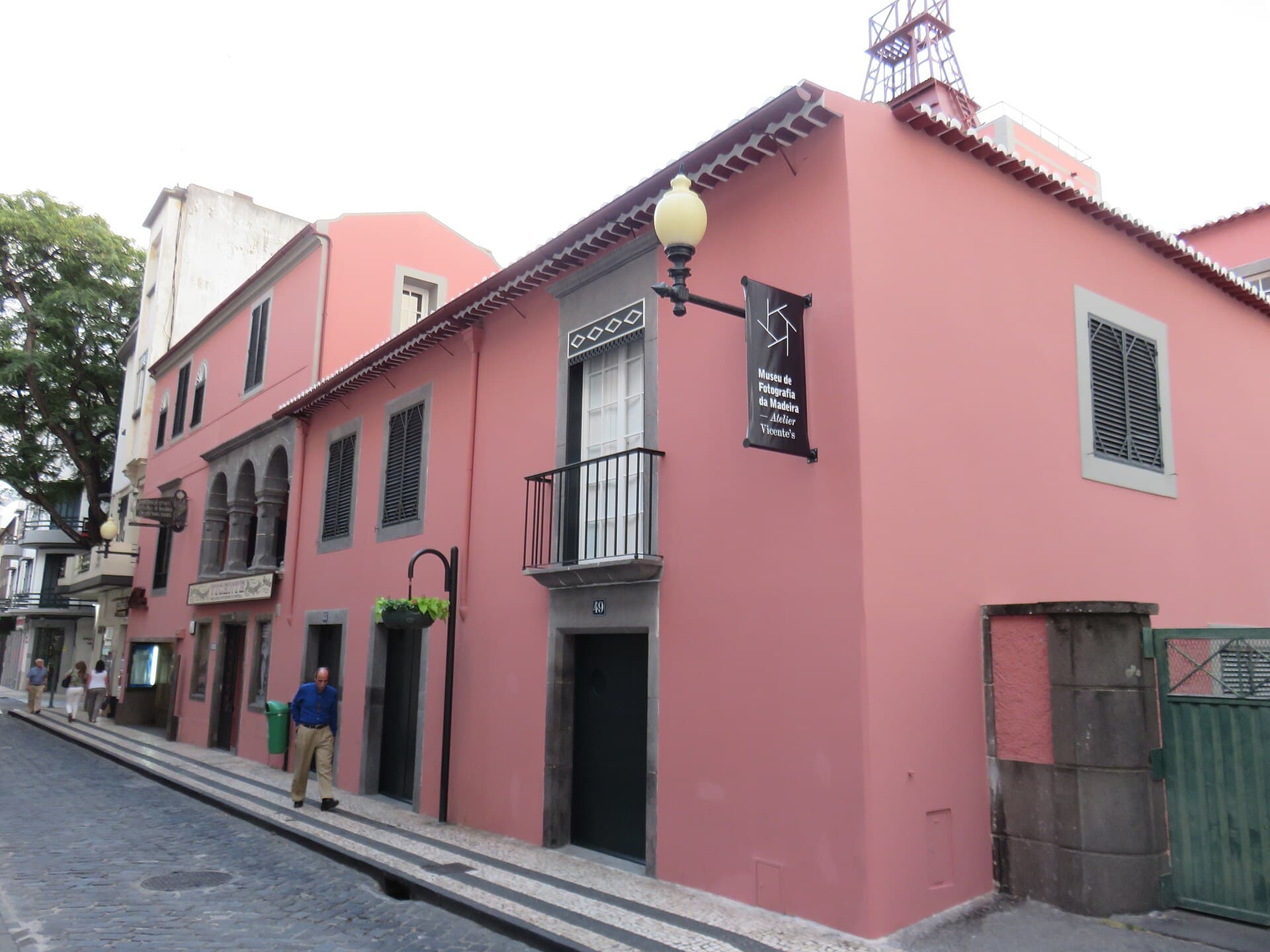 Photographia Museu VicentesA museum in a photographic studio that operated in Funchal continuously from 18612 minutes walk4.6
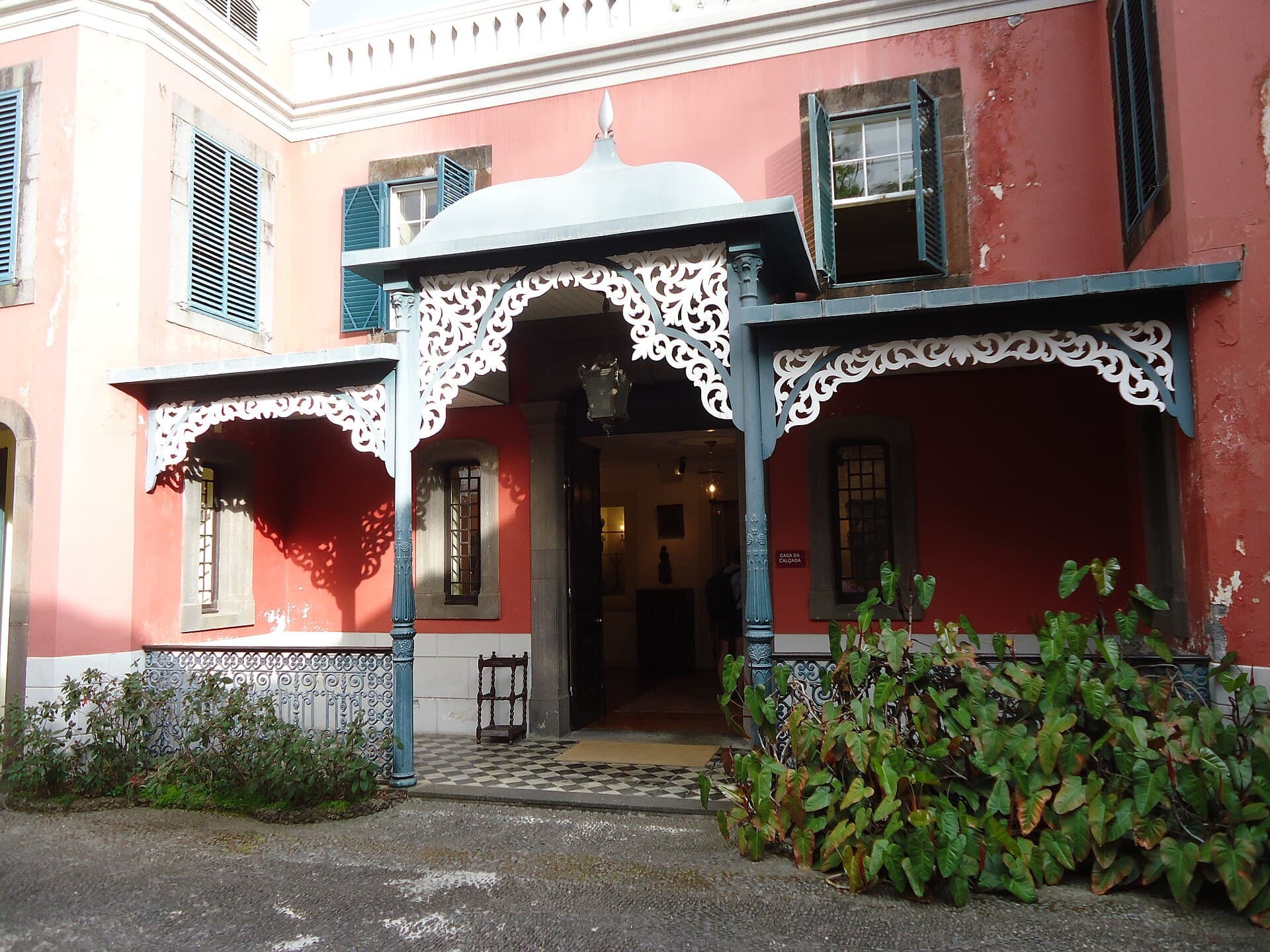 Casa-Museu Frederico de FreitasA seventeenth-century house in the upper part of Funchal, home to the lawyer and13 minutes walk4.5
The cable car to Monte and then the Monte toboggan descent — wicker sledges pushed by two men in white down the street's slope, an experience found nowhere else. Plus the Monte palace gardens, the Lavradores market, the old town with its painted doors, and the seafront.
Not in the usual sense. The island's shores are mostly rock because its origin is volcanic, with natural sea pools at Porto Moniz and an imported sand beach at Calheta. Madeira is a walking, nature and garden destination: the levada paths and the mountains are what people come for.