
The cedar ceiling
Moorish-souled geometry over the Atlantic.
Diego Delso — CC BY-SA 4.0 · Dietmar Rabich — CC BY-SA 4.0 · Dietmar Rabich — CC BY-SA 4.0 · Dietmar Rabich — CC BY-SA 4.0
Funchal's Sé is the Age of Discoveries' oldest surviving daughter: a 1514 cathedral Manuel I raised for the newly found island — Portugal's first cathedral beyond mainland Europe, still working as begun, behind an austere white front crowned by a pyramid-tiled tower. Its treasure hangs overhead: the Mudéjar wooden ceiling of island cedar and ivory — among the finest Moorish-souled geometric ceilings outside Iberia — with a gilded altarpiece and Flemish paintings the merchants gave when Madeira's sugar bought Europe. Its half-hour falls mid-centre-walk by course (the Aljube shopping street is its door) — and keep the head raised: the whole story is in the ceiling.
Moorish-souled geometry over the Atlantic.
An altar Madeira's European sugar funded.
Rua do Aljube 23, 9000-018 Funchal
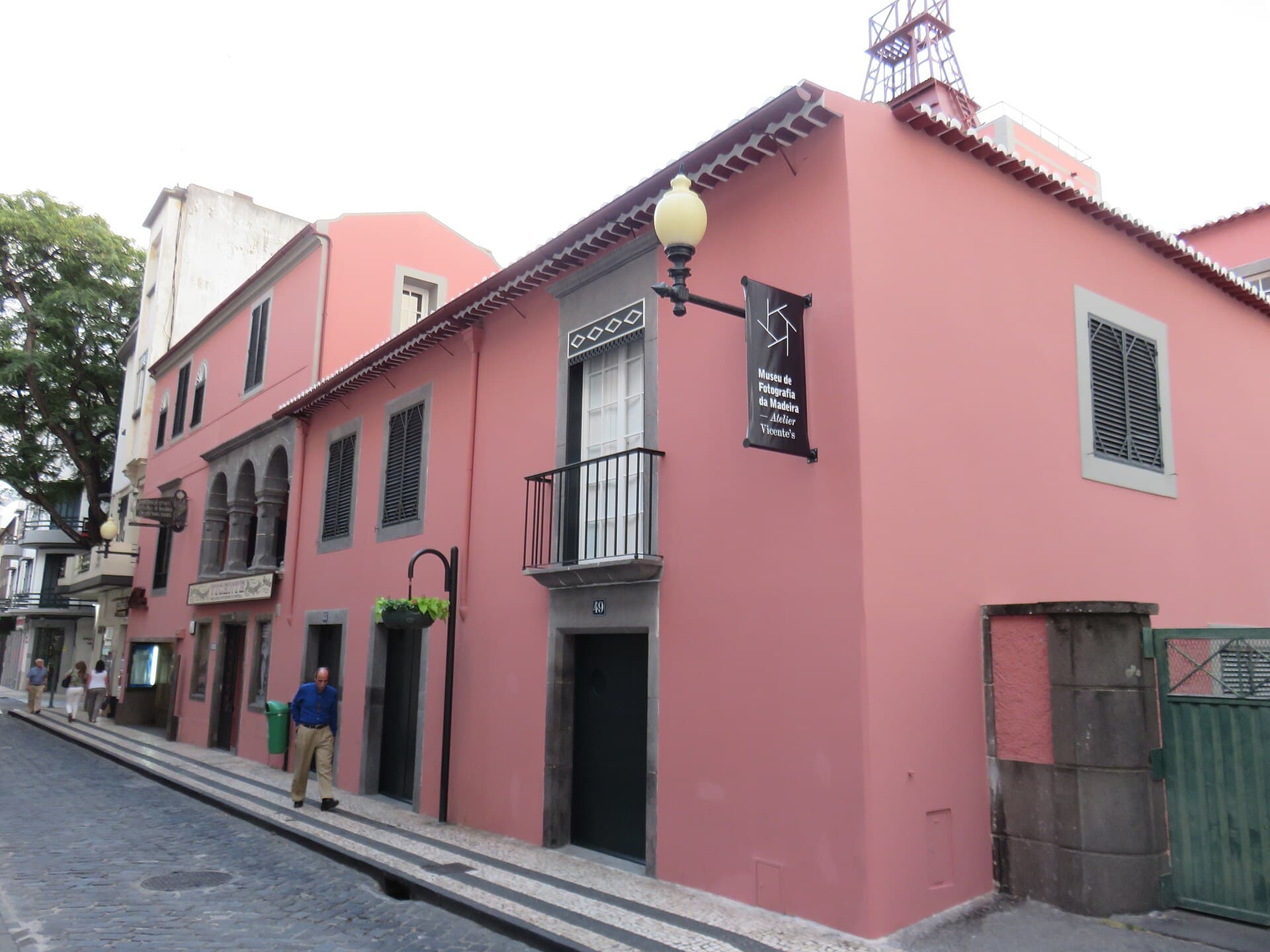 Photographia Museu VicentesA museum in a photographic studio that operated in Funchal continuously from 1862 minutes walk4.6
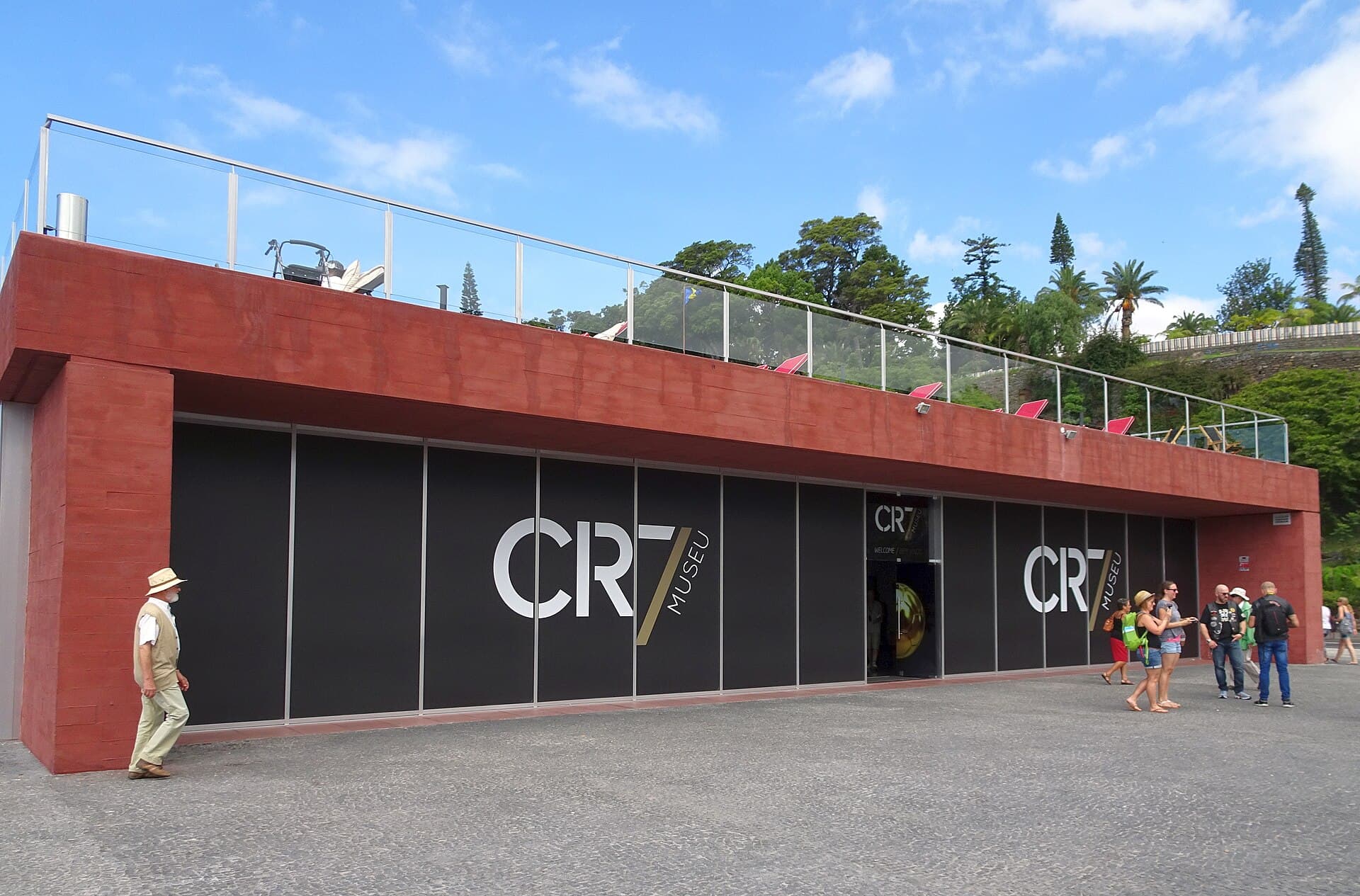 The CR7 Museum & Ronaldo StatueThe CR7 Museum is the island's greatest son's shrine: Cristiano Ronaldo was born4 minutes walk4.4
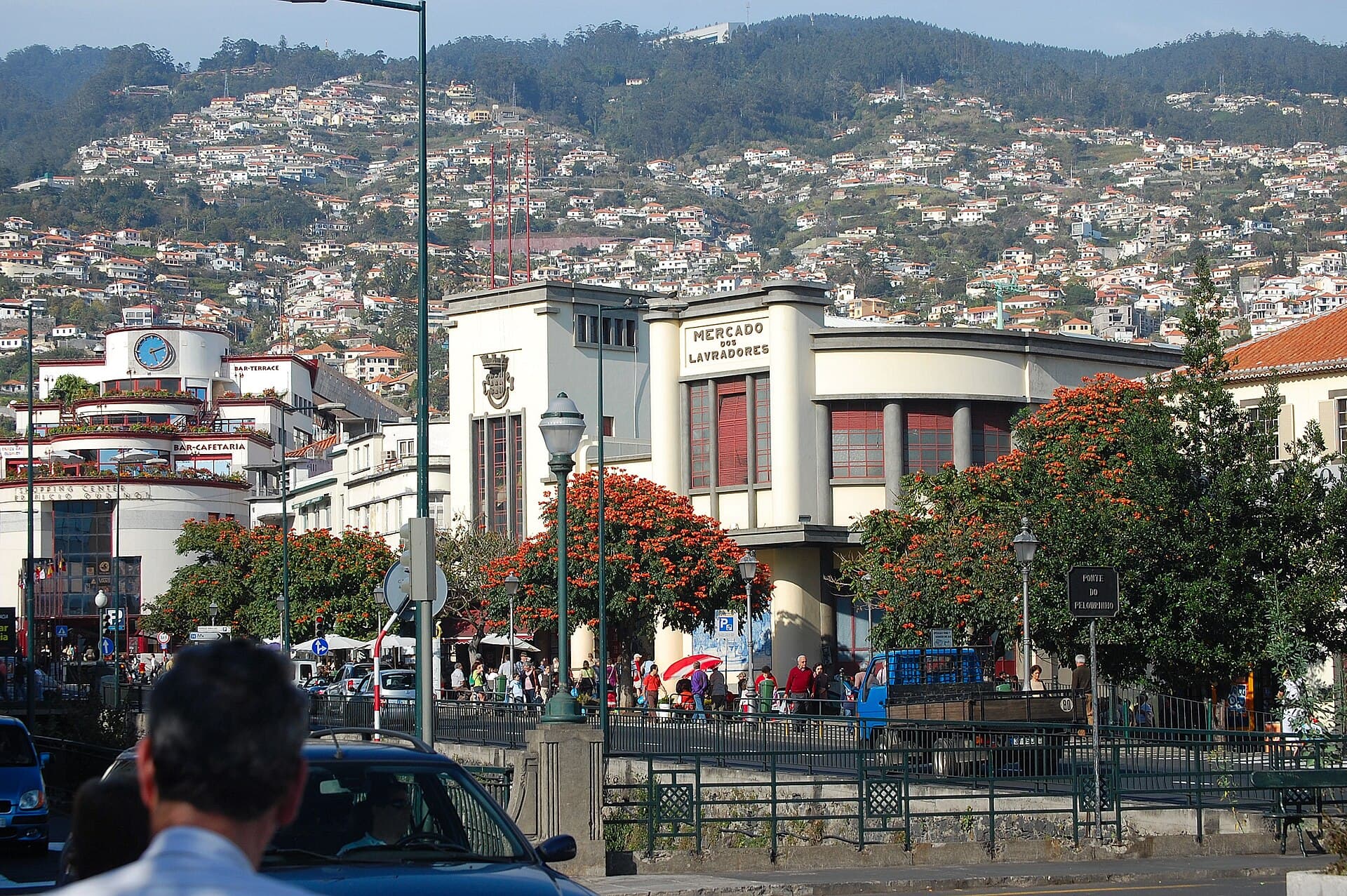 The Farmers' Market (Lavradores)The Lavradores is Madeira's coloured stomach: a 1940 Art Deco market behind a bl4 minutes walk4.0
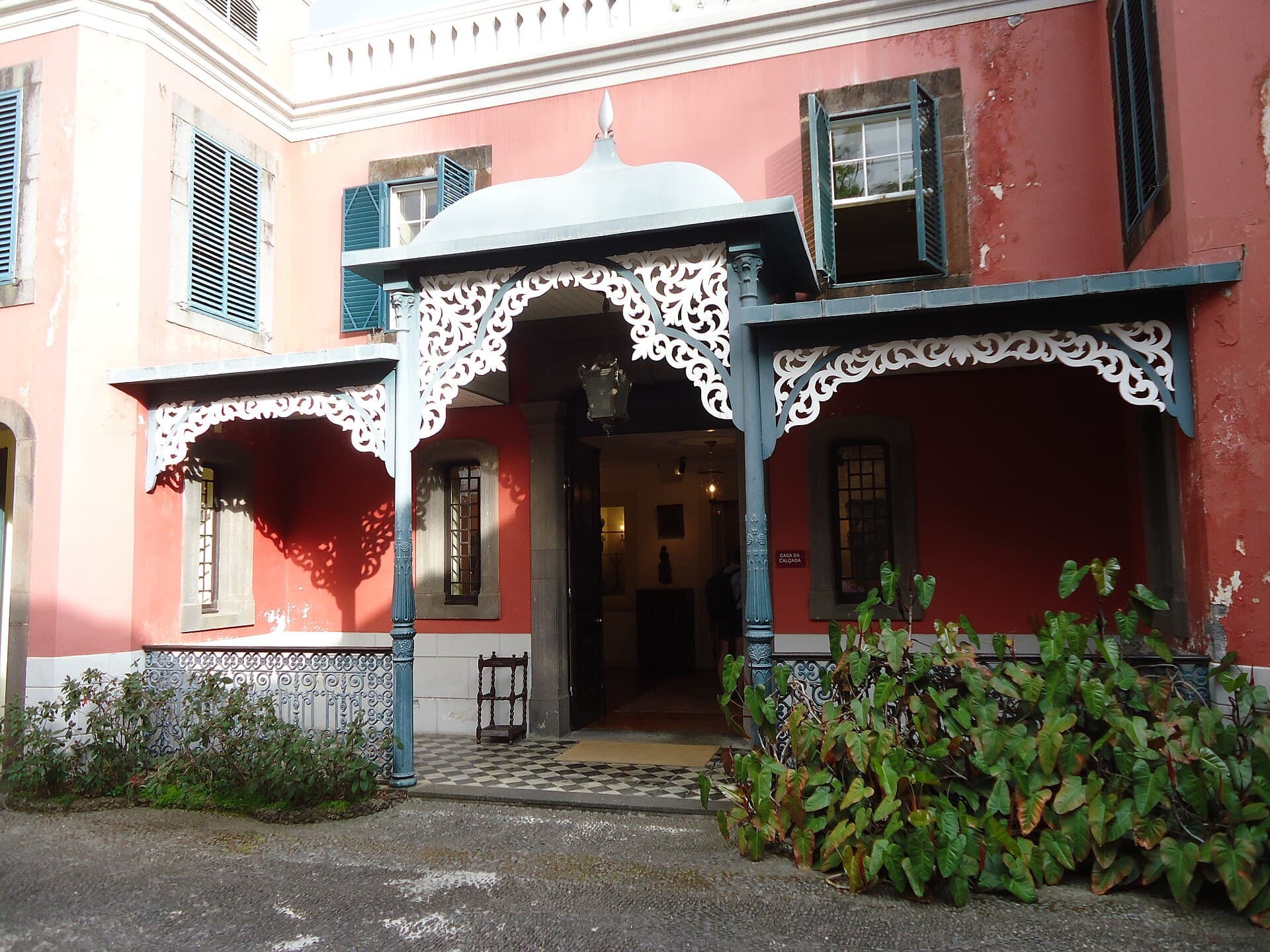 Casa-Museu Frederico de FreitasA seventeenth-century house in the upper part of Funchal, home to the lawyer and5 minutes walk4.5
 Funchal Old Town & the Painted DoorsFunchal's old town is Madeira's beating heart: the Zona Velha fishermen's quarte6 minutes walk4.5
Before the Gulf and Brazil there was Madeira's white gold: the island was Atlantic Europe's first cane plantation (15th century), its sugar buying Flanders' art and the churches' gold — until Brazil outgrew it and it turned to the wine that bears its name. The Sé's Flemish panels are that era's hanging receipts.