
A technique of Andalusi origin
Azulejo reached Portugal through al-Andalus and became one of its visual signatures.
PESP/ Wikimedia — CC BY-SA 4.0 · PESP/ Wikimedia — CC BY-SA 4.0 · PESP/ Wikimedia — CC BY-SA 4.0 · PESP/ Wikimedia — CC BY-SA 4.0
A seventeenth-century house in the upper part of Funchal, home to the lawyer and collector Frederico de Freitas and turned into a museum after his death, showing his holdings as he assembled them. The collection is broad and deliberately uneven: furniture, paintings, ceramics, sculpture and carpets, together with a large section of Portuguese tilework known as azulejo spanning centuries of its production. That section is the strongest, and it explains a decorative technique that reached Portugal through al-Andalus and became one of its signatures. What distinguishes the visit is that you enter a house rather than a gallery: the rooms are furnished as they were and the pieces sit in their domestic context rather than behind glass. That makes it closer to understanding how a wealthy collector lived in Madeira than to a thematic museum. It stands in the upper town near the Santa Clara convent and Quinta das Cruzes, so the three are visited on one uphill route.
Azulejo reached Portugal through al-Andalus and became one of its visual signatures.
The rooms are furnished as they were and the pieces sit in domestic context, not behind glass.
Combines with the Santa Clara convent and Quinta das Cruzes on a single climb from the centre.
Calçada de Santa Clara, Funchal
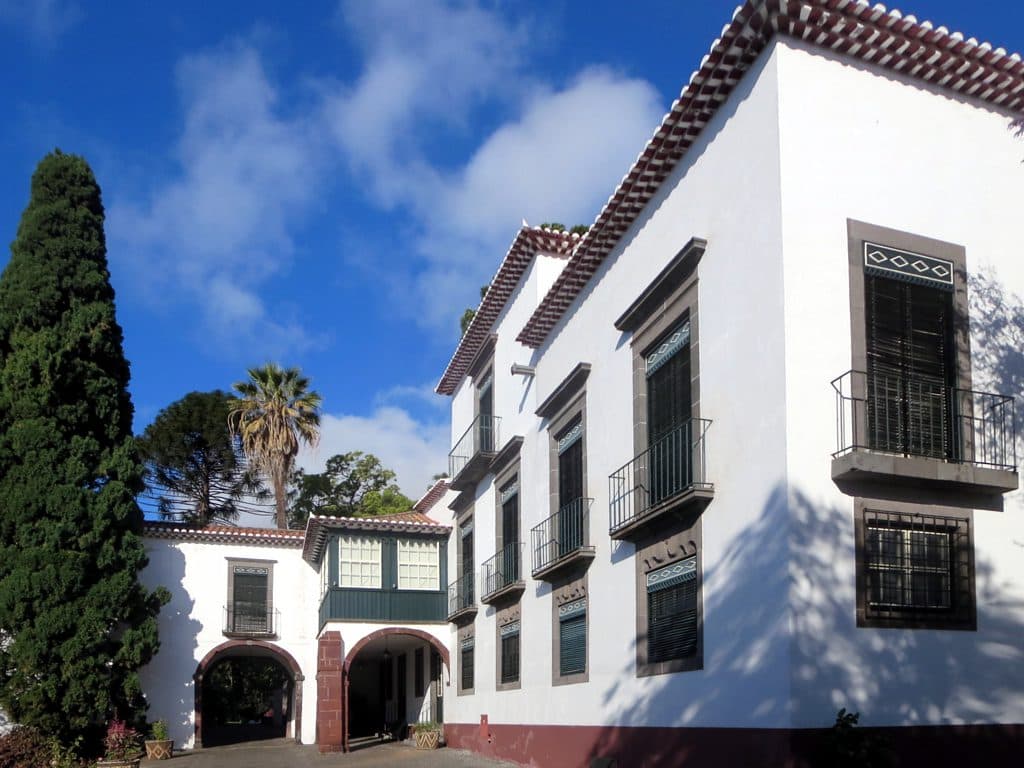 Quinta das Cruzes MuseumAn aristocratic country house above central Funchal, converted into a museum of 2 minutes walk4.4
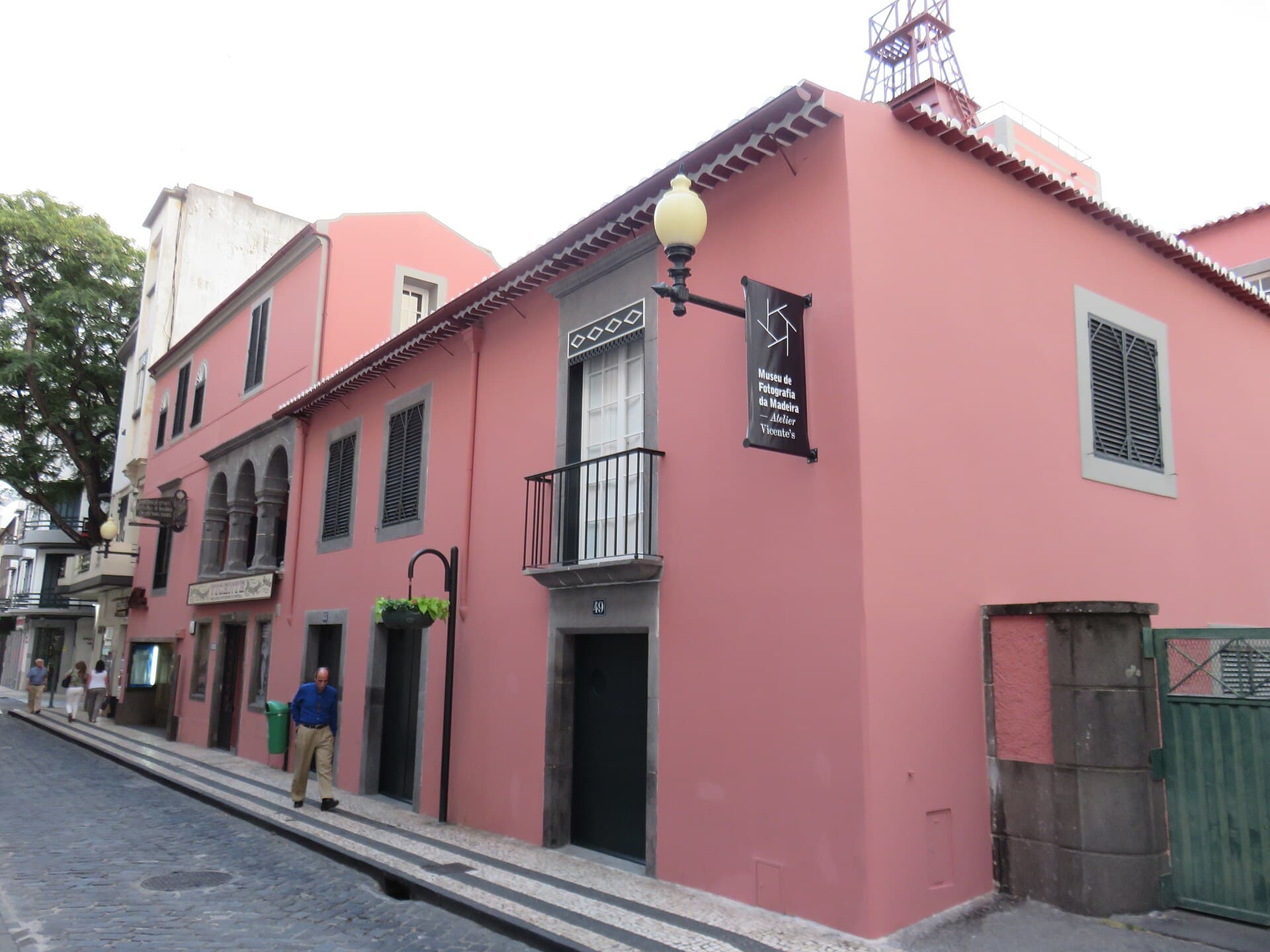 Photographia Museu VicentesA museum in a photographic studio that operated in Funchal continuously from 1863 minutes walk4.6
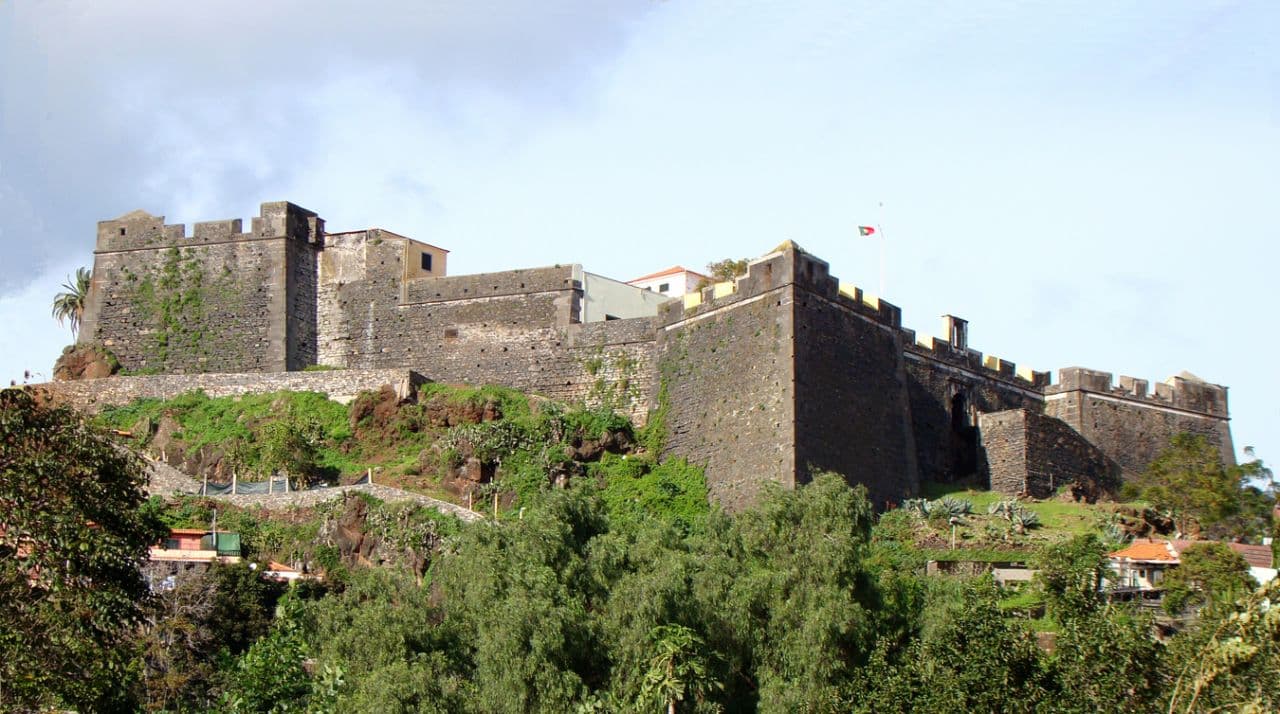 Fortaleza do PicoA seventeenth-century fort on a hill above Funchal, built to defend the town and5 minutes walk4.2
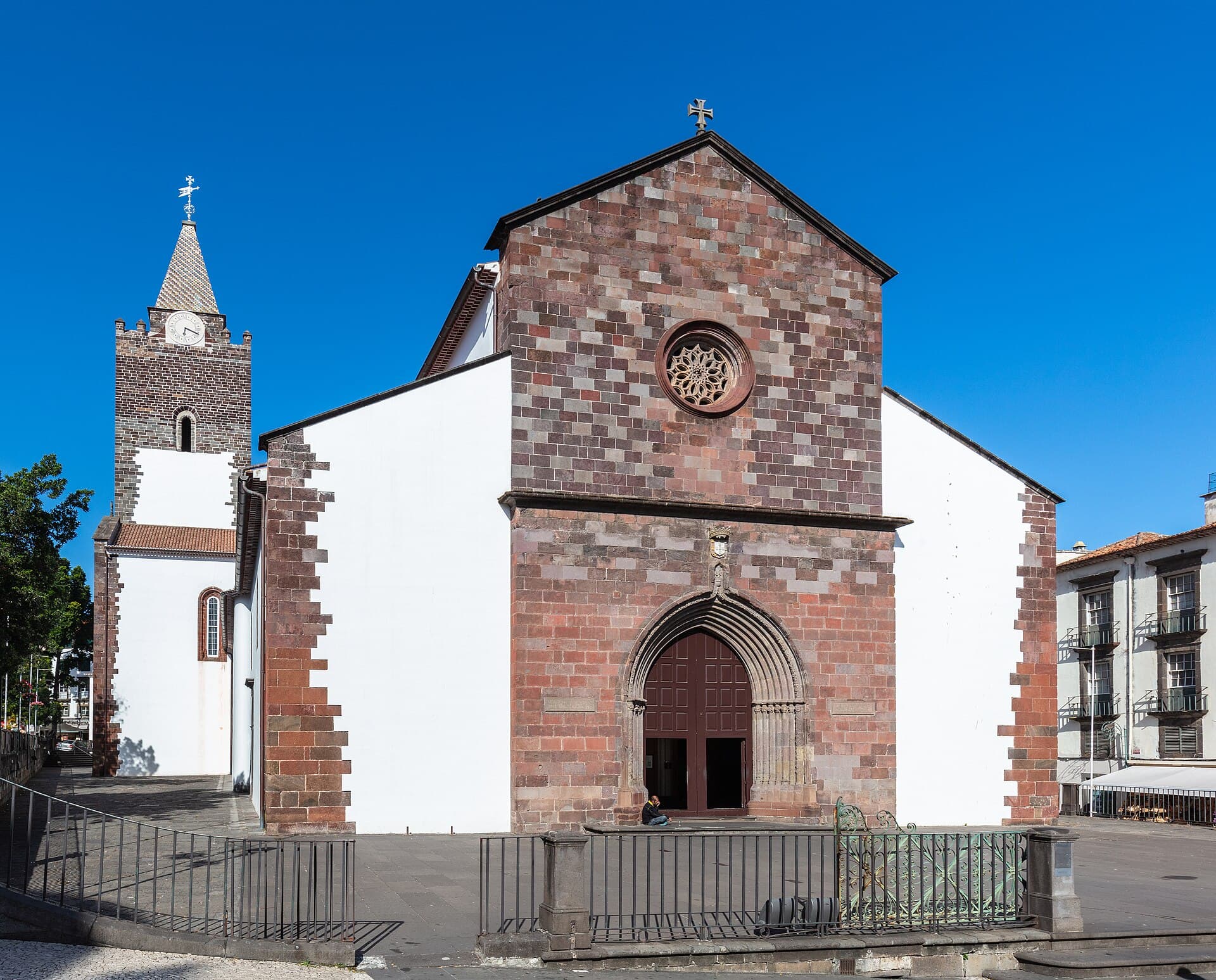 Funchal Cathedral (the Sé)Funchal's Sé is the Age of Discoveries' oldest surviving daughter: a 1514 cathed5 minutes walk4.7
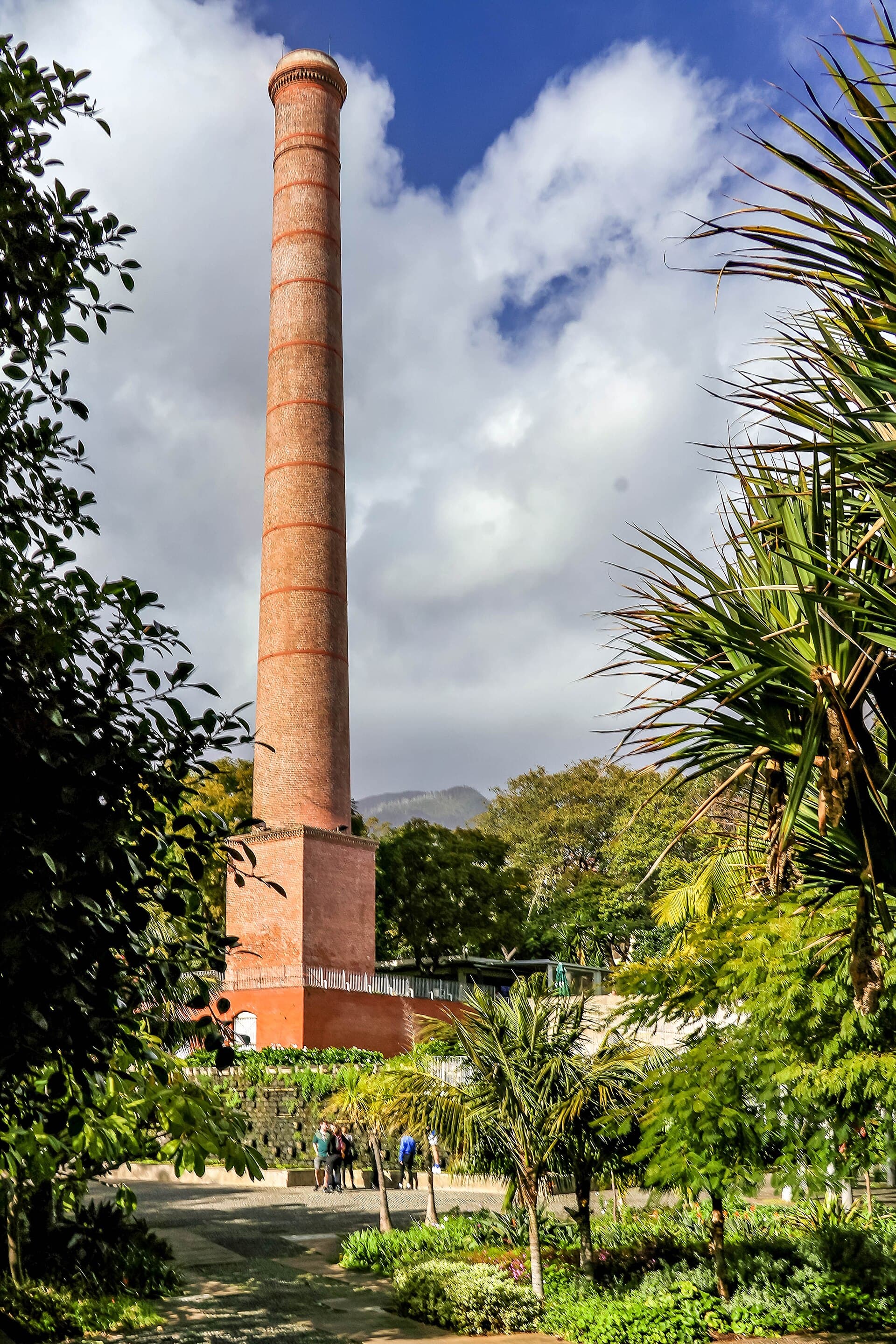 Jardim de Santa LuziaA public garden in Funchal laid out on the site of an old sugar factory, part of5 minutes walk4.3
Decorated ceramic tilework covering walls, among the most recognisable features of Portuguese architecture. The technique reached the peninsula through al-Andalus, and the name itself comes from the Arabic zellij. In Portugal the style developed into narrative blue-and-white panels covering whole facades.
Both are houses turned into museums in the same quarter, and both show decorative arts. Quinta das Cruzes is stronger on furniture and pieces that arrived by maritime trade; this is stronger on azulejo. With one day pick one; with more, the uphill route takes in both.