
Two thousand years in an hour
A continuous chronology that gives a frame making Berlin's other museums legible.
Deutschlandmuseum Berlin — CC BY-SA 4.0 · Deutschlandmuseum Berlin — CC BY-SA 4.0 · Deutsches Spionagemuseum Berlin, CC BY-SA 4.0 — CC BY-SA 4.0 · Deutschlandmuseum Berlin — CC BY-SA 4.0
A recent museum near Potsdamer Platz presenting two thousand years of German history as a series of rooms the visitor walks through in chronological order. The idea is not to display holdings but to build scenes: a Germanic forest, a medieval monastery, an industrial-revolution factory, a street from 1920s Berlin, a section on Nazism and the war, then the Wall and reunification. Each room is built with sound, lighting and sometimes smell. What it is and is not should be clear: this is a designed experience rather than a collection of artefacts. You will not find original pieces of historical value, and anyone who reads history seriously will find it compressed and, in places, shallow. But as a first way in — particularly with children or teenagers, or for a visitor with no background on Germany — it works: one hour gives a chronological frame that makes the rest of Berlin's museums legible. Labelling is available in several languages and the route is short and entirely indoors, making it a good option on a wet or cold Berlin day.
A continuous chronology that gives a frame making Berlin's other museums legible.
Built scenes with sound and light — they hold people that display cases do not.
Use it on your first day rather than your last; its value is as preparation.
Near Potsdamer Platz, central Berlin
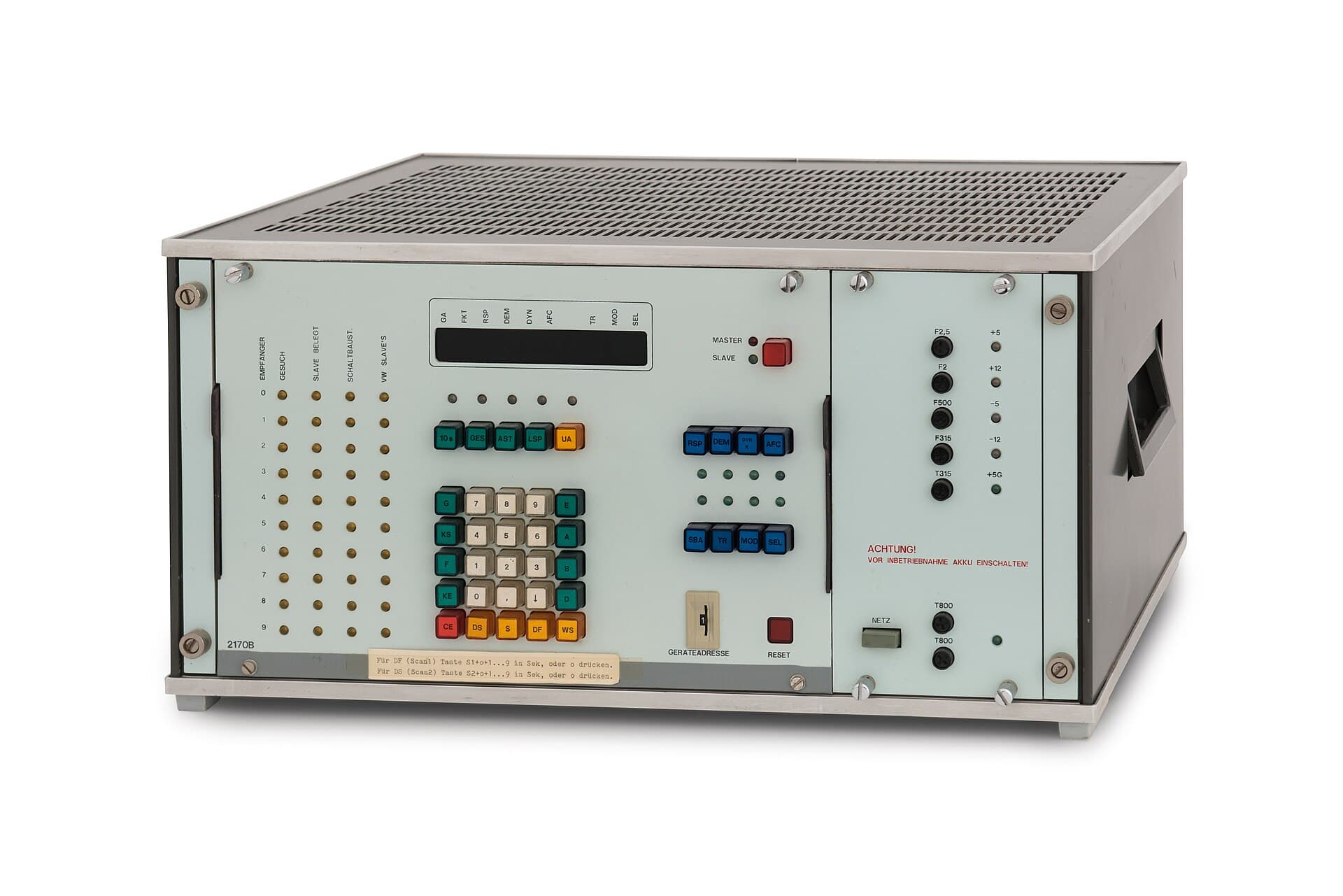 German Spy MuseumThe German Spy Museum stands on Leipziger Platz — a deliberate location: the squ1 minute walk4.4
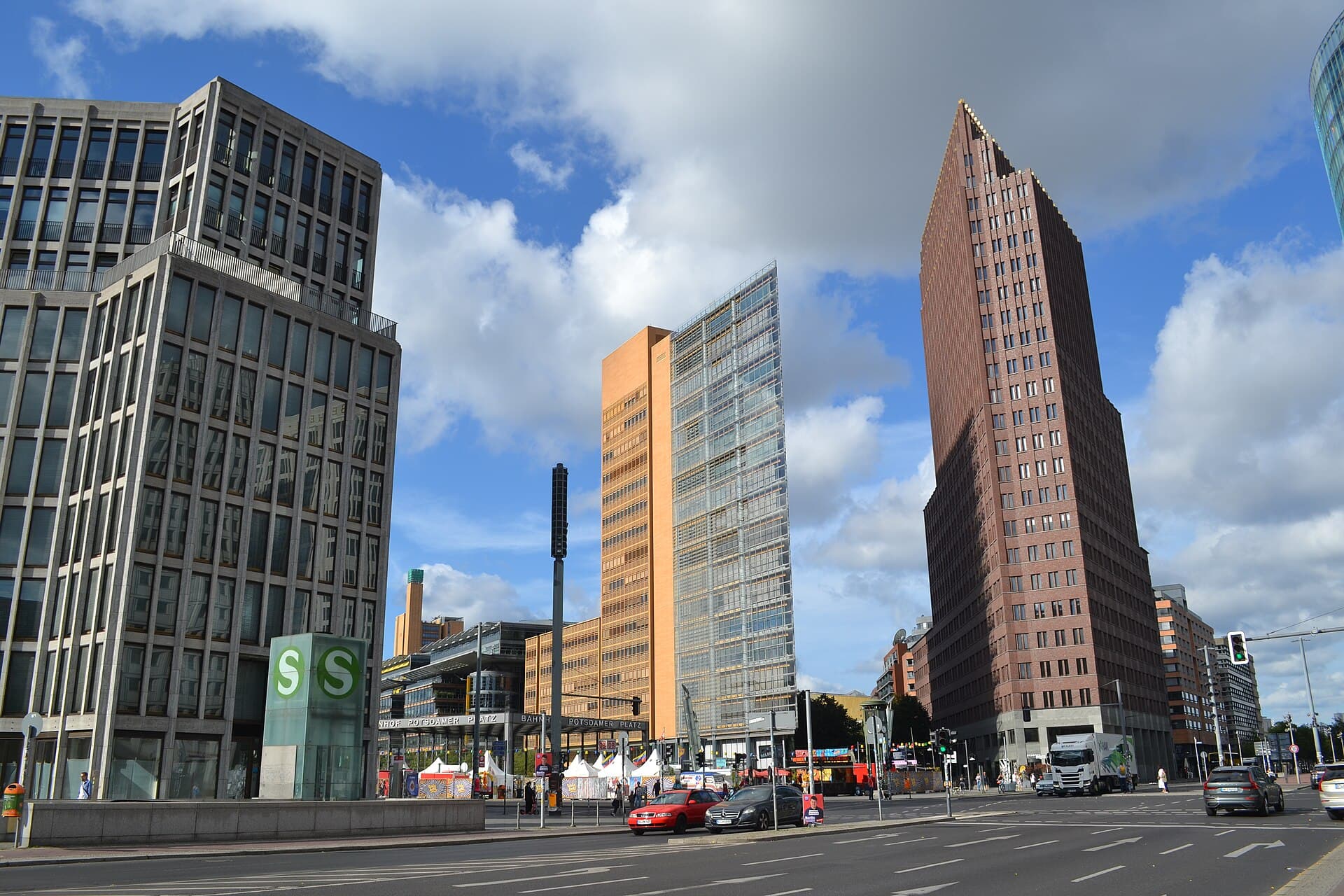 Potsdamer PlatzPotsdamer Platz is the whole story of Berlin in one place. Before the war it was2 minutes walk4.3
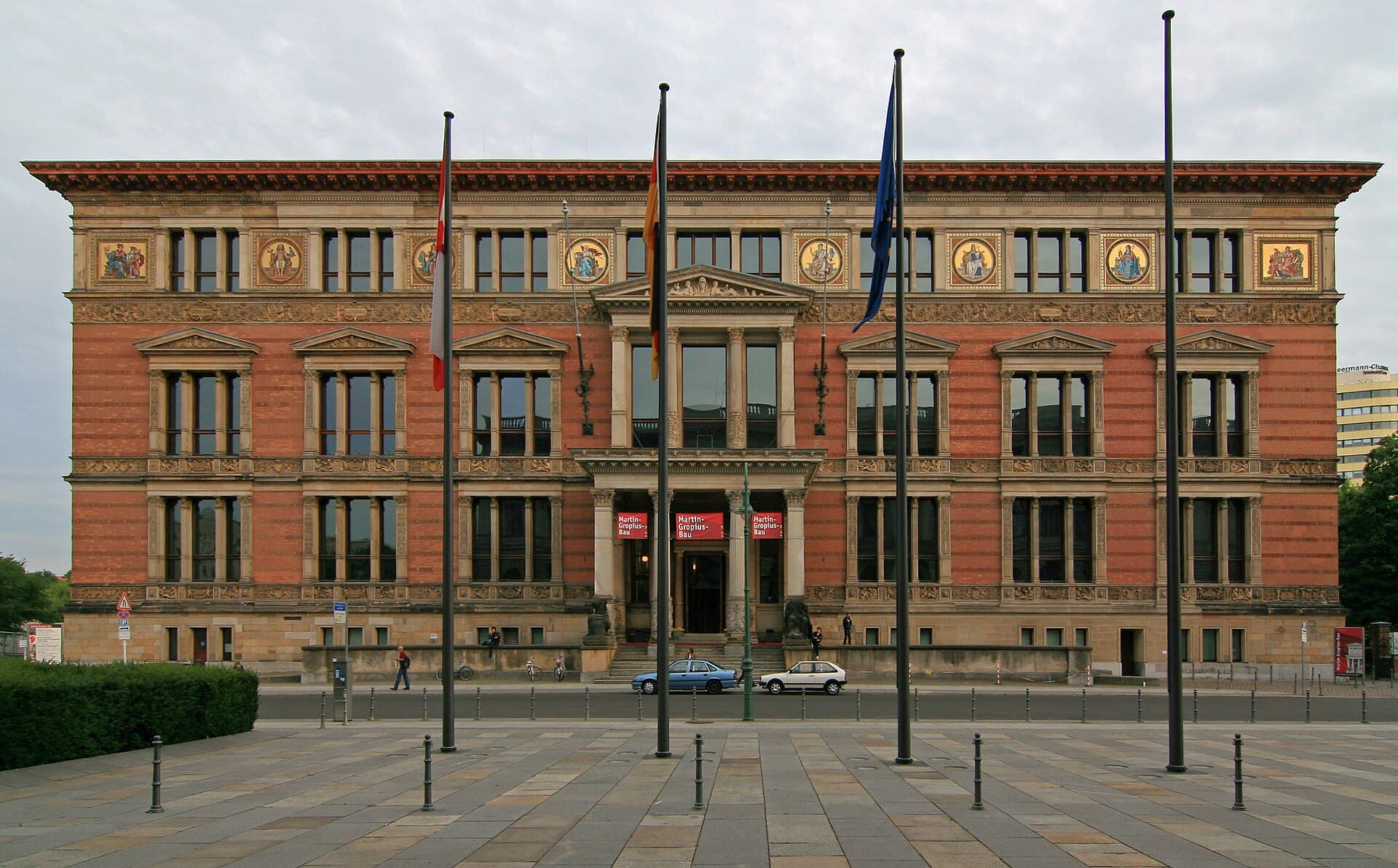 Gropius BauThe Gropius Bau is a major exhibition hall in an 1881 building by Martin Gropius4 minutes walk4.5
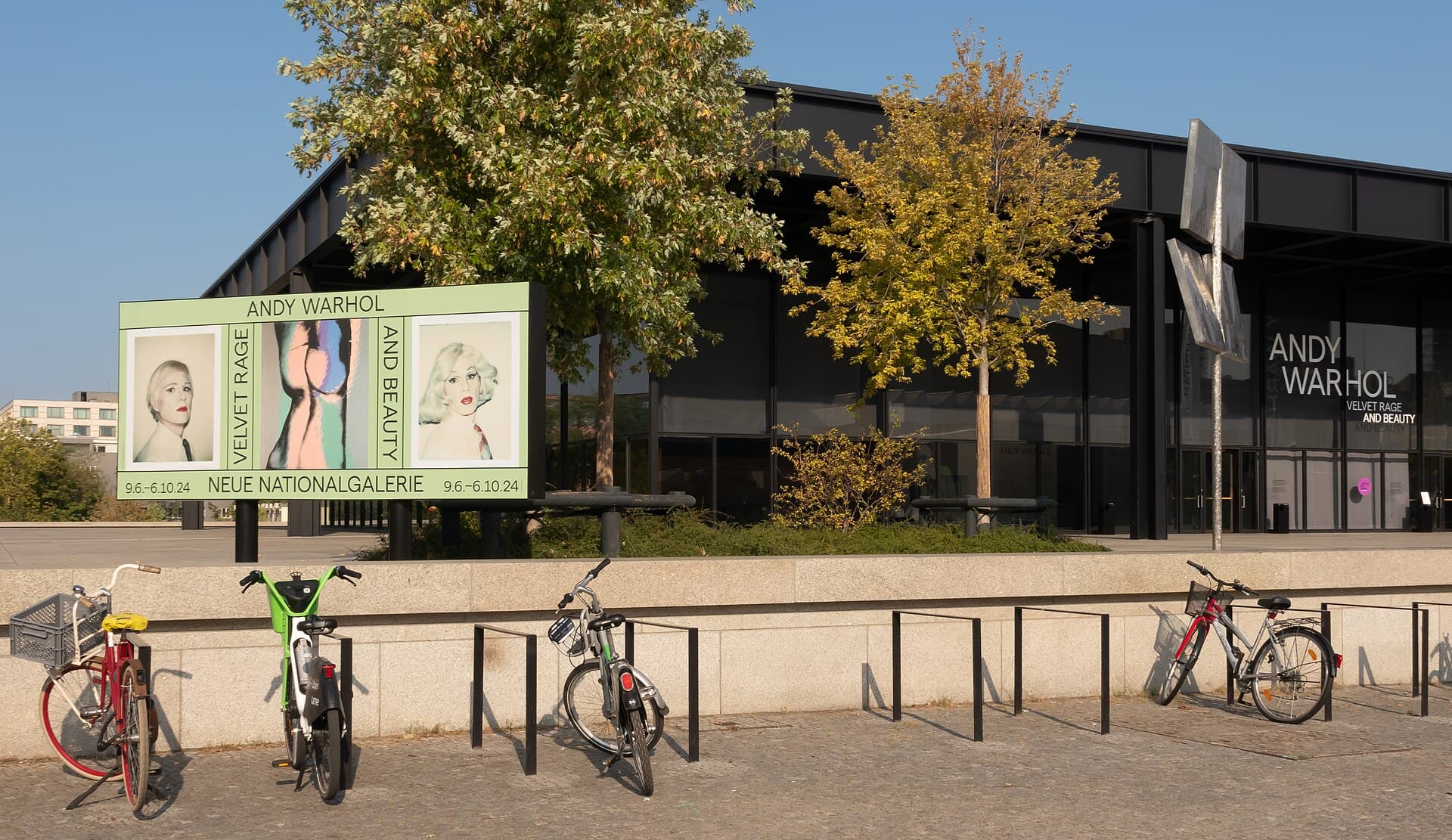 Neue NationalgalerieThe Neue Nationalgalerie was the last building Ludwig Mies van der Rohe complete9 minutes walk4.7
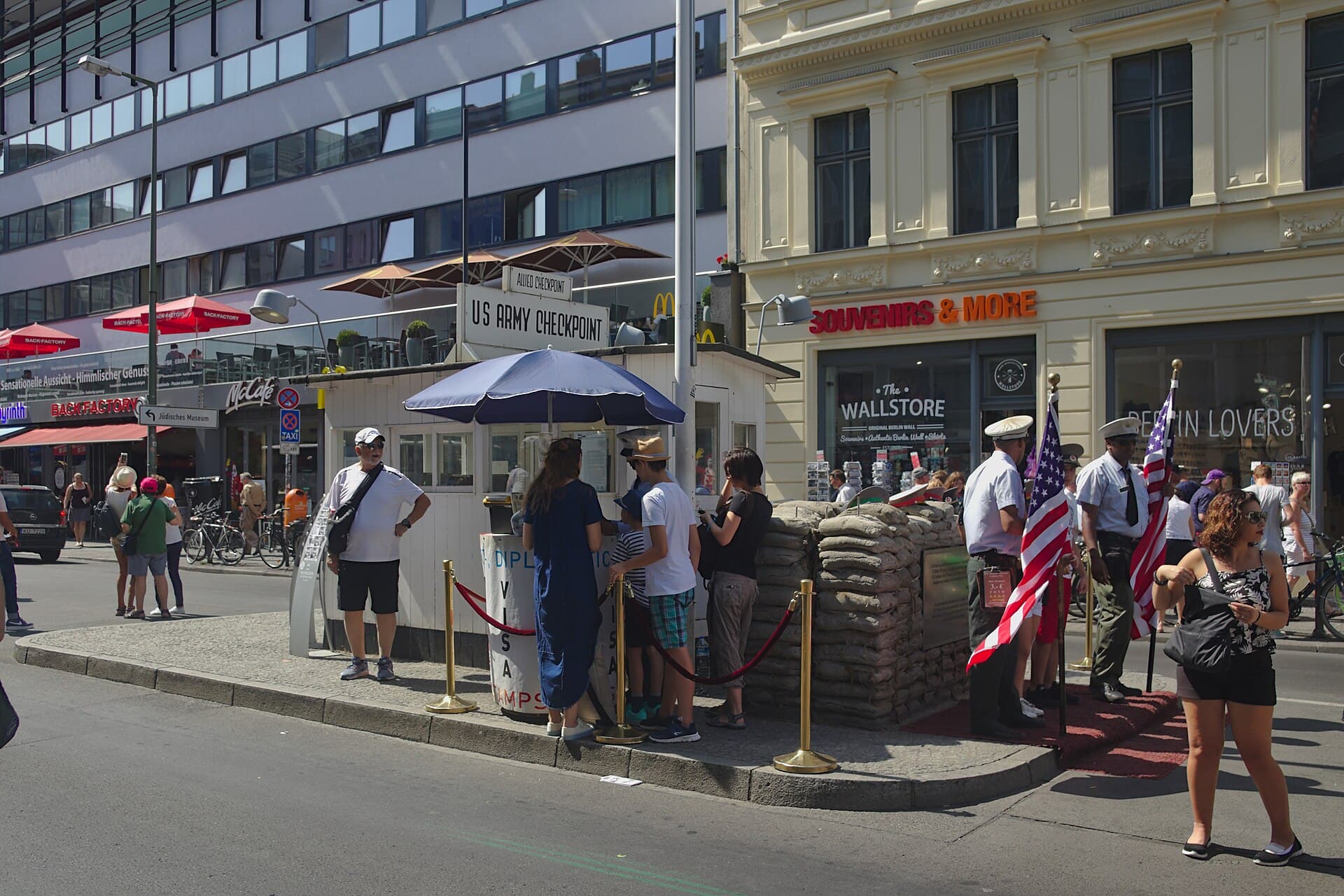 Checkpoint CharlieCheckpoint Charlie was the best-known crossing point between East and West Berli10 minutes walk4.3
Not at all. The German Historical Museum is a research institution with vast original holdings and needs at least half a day. This is a preparatory place giving you the chronology in an hour. If you have time for only one and history matters to you, choose the historical museum.
Yes, and that is among its strengths. The built scenes and effects hold children better than conventional display halls. Be aware that the Nazism and war section deals with inherently harsh material, so judge whether it suits your children's ages.