
The steel roof
Carried on just eight external columns.
Michielverbeek — CC BY 4.0 · Tim Rademacher — CC BY-SA 4.0 · Tim Rademacher — CC BY-SA 4.0 · Gunnar Klack — CC BY-SA 4.0
The Neue Nationalgalerie was the last building Ludwig Mies van der Rohe completed before his death, finished in 1968 after he had spent most of his career in the United States. It is taught today as one of the purest examples of modernist architecture anywhere. Its architectural idea is radical in its simplicity: a wholly glazed square hall with no internal column at all, its massive steel roof carried on just eight external columns at the edges. The result is a completely free interior volume that can be arranged any way at all, with glass walls that make the garden and sculptures outside part of the interior scene. The permanent collection is below ground and covers twentieth-century art: German expressionism with Kirchner, Beckmann and Grosz, alongside Picasso and Miro. The glazed upper hall is used for major temporary exhibitions. The building reopened in 2021 after six years of meticulous restoration that dismantled and reassembled it.
Carried on just eight external columns.
Kirchner, Beckmann and Grosz below.
Potsdamer Strasse 50, 10785 Berlin
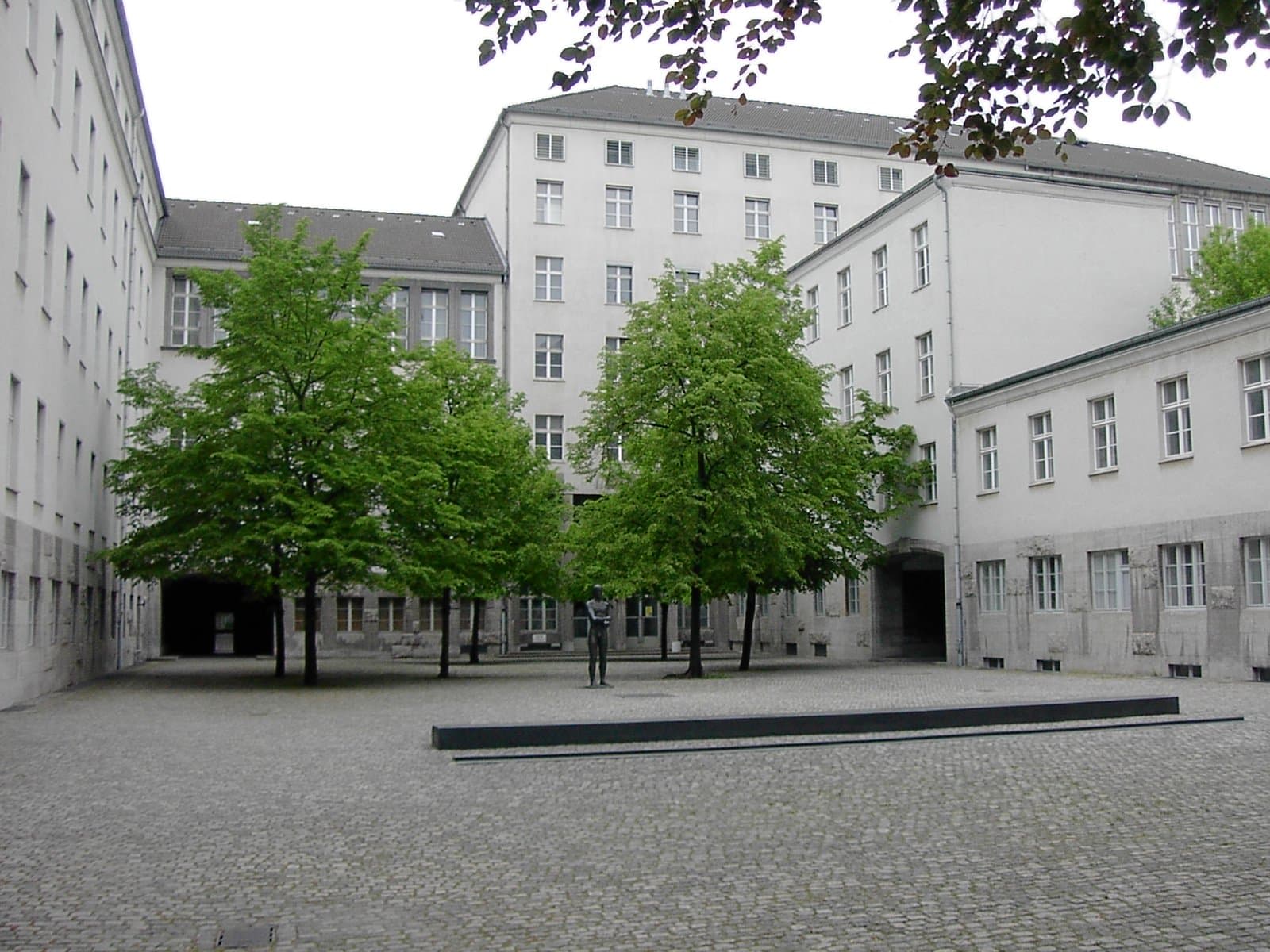 German Resistance Memorial CenterThe German Resistance Memorial Center occupies the Bendlerblock — formerly the G5 minutes walk4.5
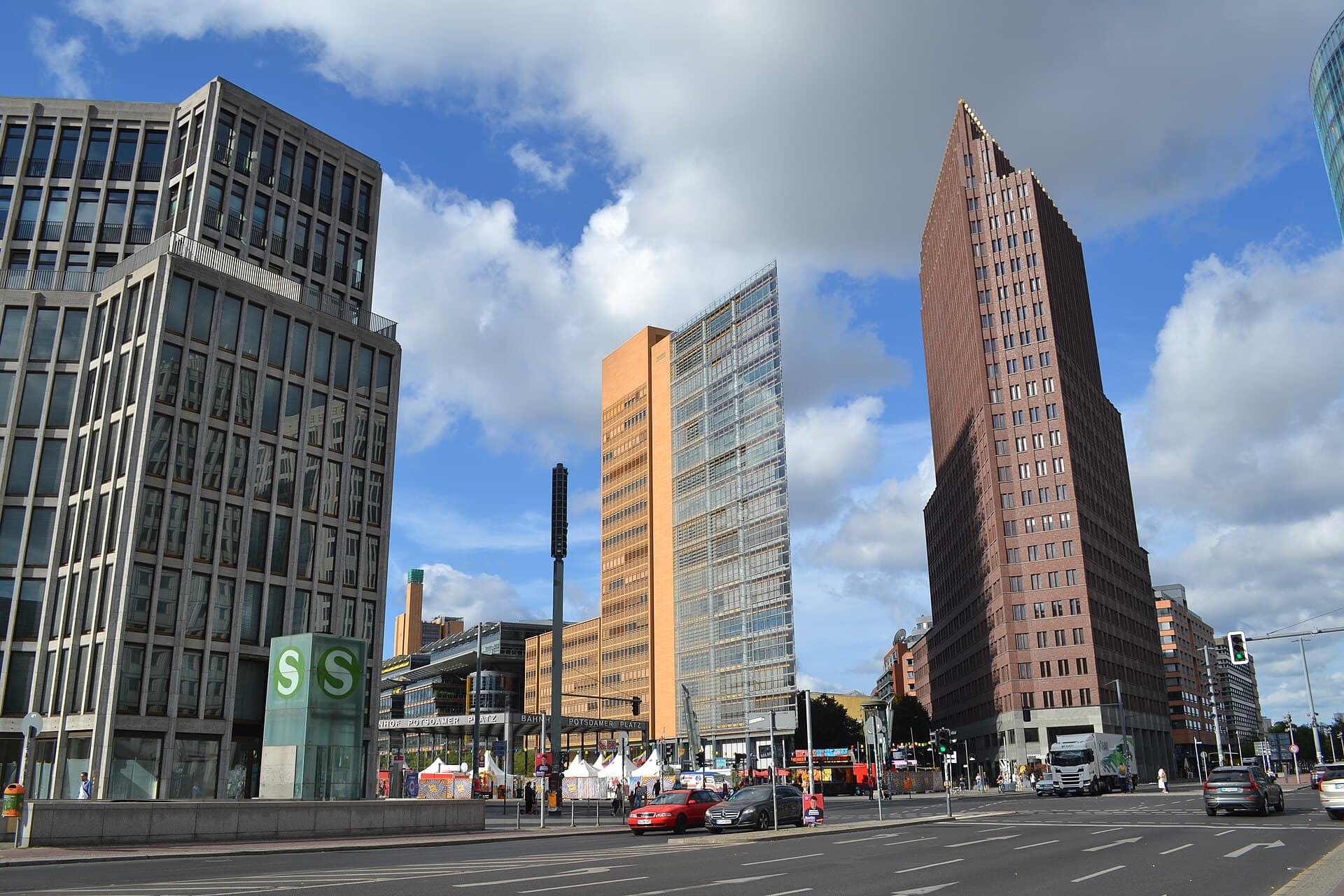 Potsdamer PlatzPotsdamer Platz is the whole story of Berlin in one place. Before the war it was8 minutes walk4.3
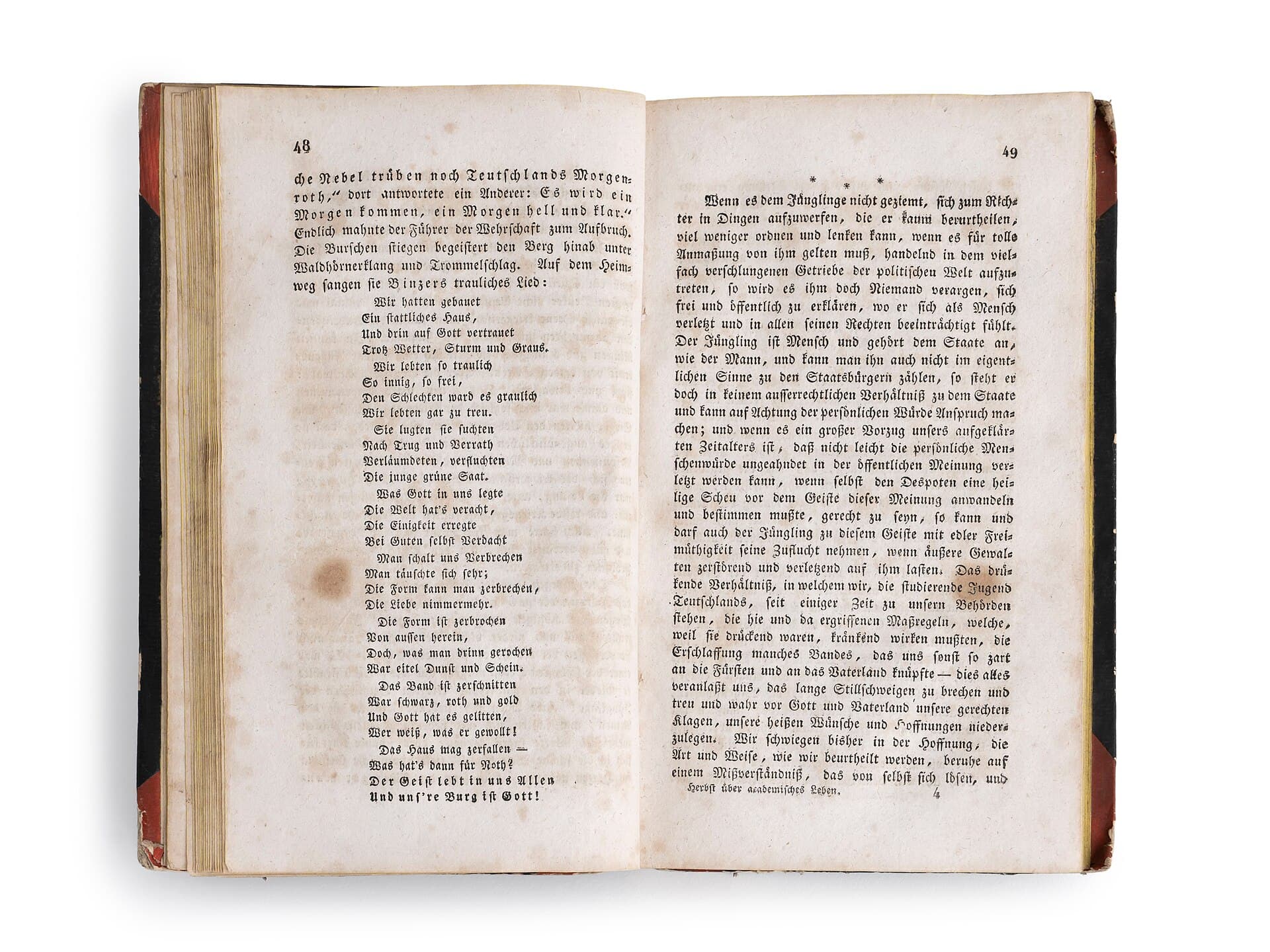 DeutschlandmuseumA recent museum near Potsdamer Platz presenting two thousand years of German his9 minutes walk4.7
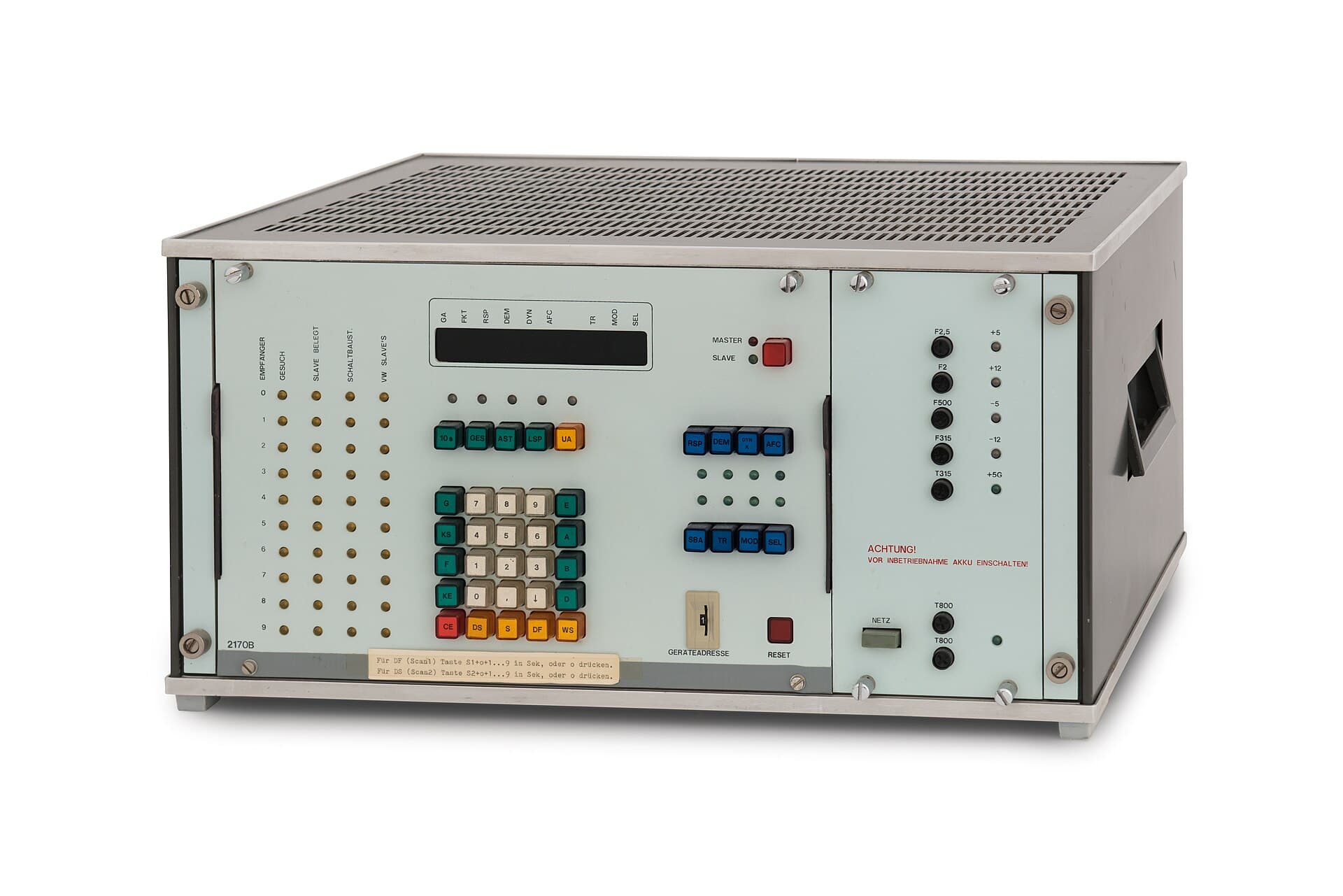 German Spy MuseumThe German Spy Museum stands on Leipziger Platz — a deliberate location: the squ10 minutes walk4.4
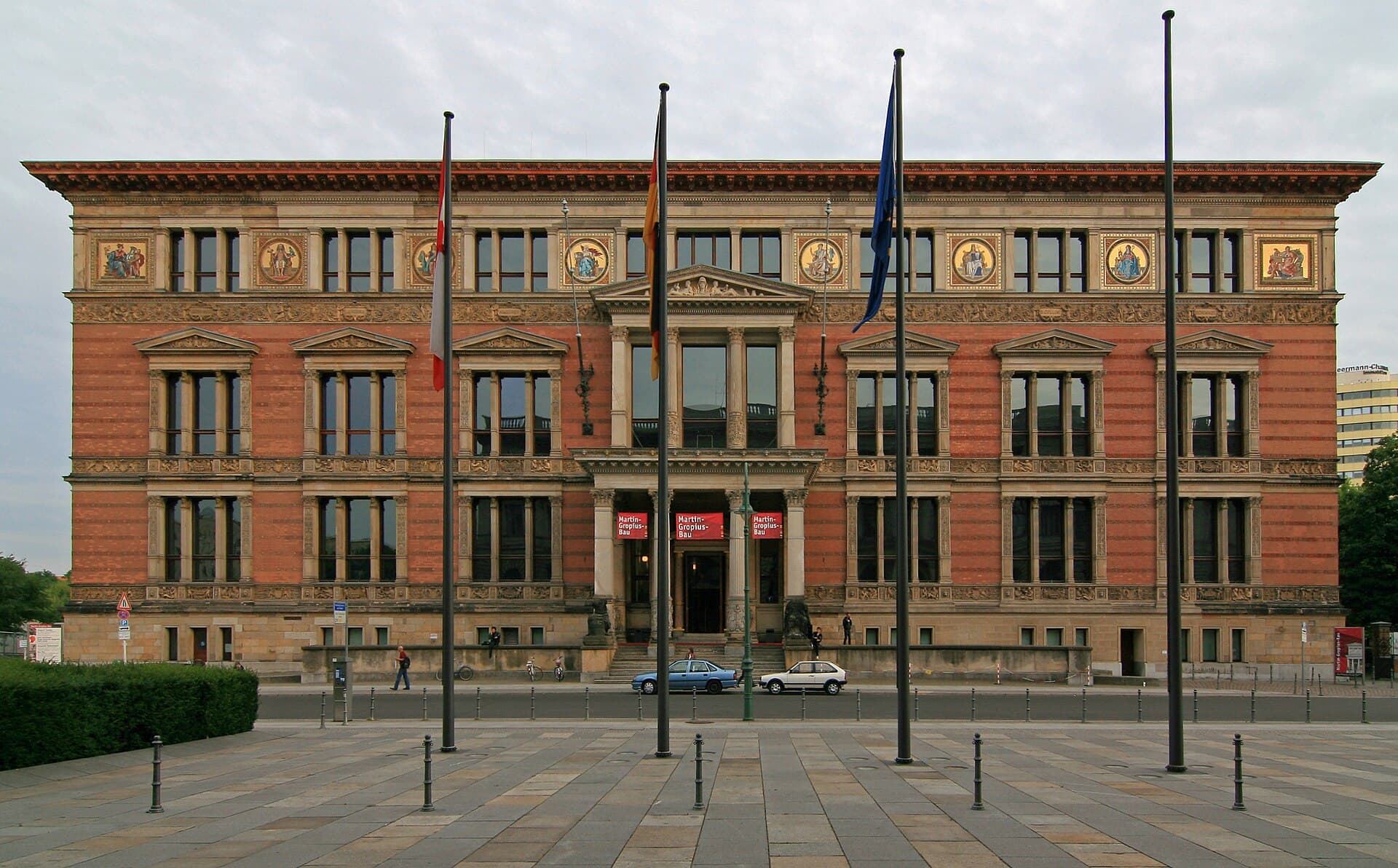 Gropius BauThe Gropius Bau is a major exhibition hall in an 1881 building by Martin Gropius12 minutes walk4.5
Because it realises the universal space Mies pursued his whole life: an interior with no structural obstruction at all, able to be a museum, a hall, or anything else without alteration. The engineering solution — lifting a massive steel roof on perimeter columns alone — was extremely difficult at the time, and the completed roof was raised in a single public operation.