
Tango under the dome
Munich's dancers meet here on summer evenings — spontaneous and open to all.
Burkhard Mücke — CC BY-SA 4.0 · Flocci Nivis — CC BY 4.0 · Flocci Nivis — CC BY 4.0 · AuHaidhausen — CC BY 4.0
An octagonal stone pavilion at the centre of Munich's Hofgarten, built in 1615 as the focal point of the garden's design. The building is simple: an open dome on eight arches, crowned since the eighteenth century by a bronze figure of Bavaria. The garden's eight paths radiate from it, so it is the geometric anchor of the whole layout. What makes the place worth stopping at is not the building but what happens in it: for years now the pavilion has been the meeting point for Munich's tango and salsa dancers. On summer evenings people gather under the dome with a small speaker and dance for hours, while passers-by sit on the steps and watch. There is no organisation, no ticket and no invitation — anyone who wants to joins in. This is one of those cases where an everyday use redefines a historic building. The Hofgarten itself is free and open, linking the royal Residenz to the English Garden.
Munich's dancers meet here on summer evenings — spontaneous and open to all.
The whole garden radiates outward from this point.
Between the Residenz and the English Garden — you pass it naturally.
The Hofgarten, central Munich
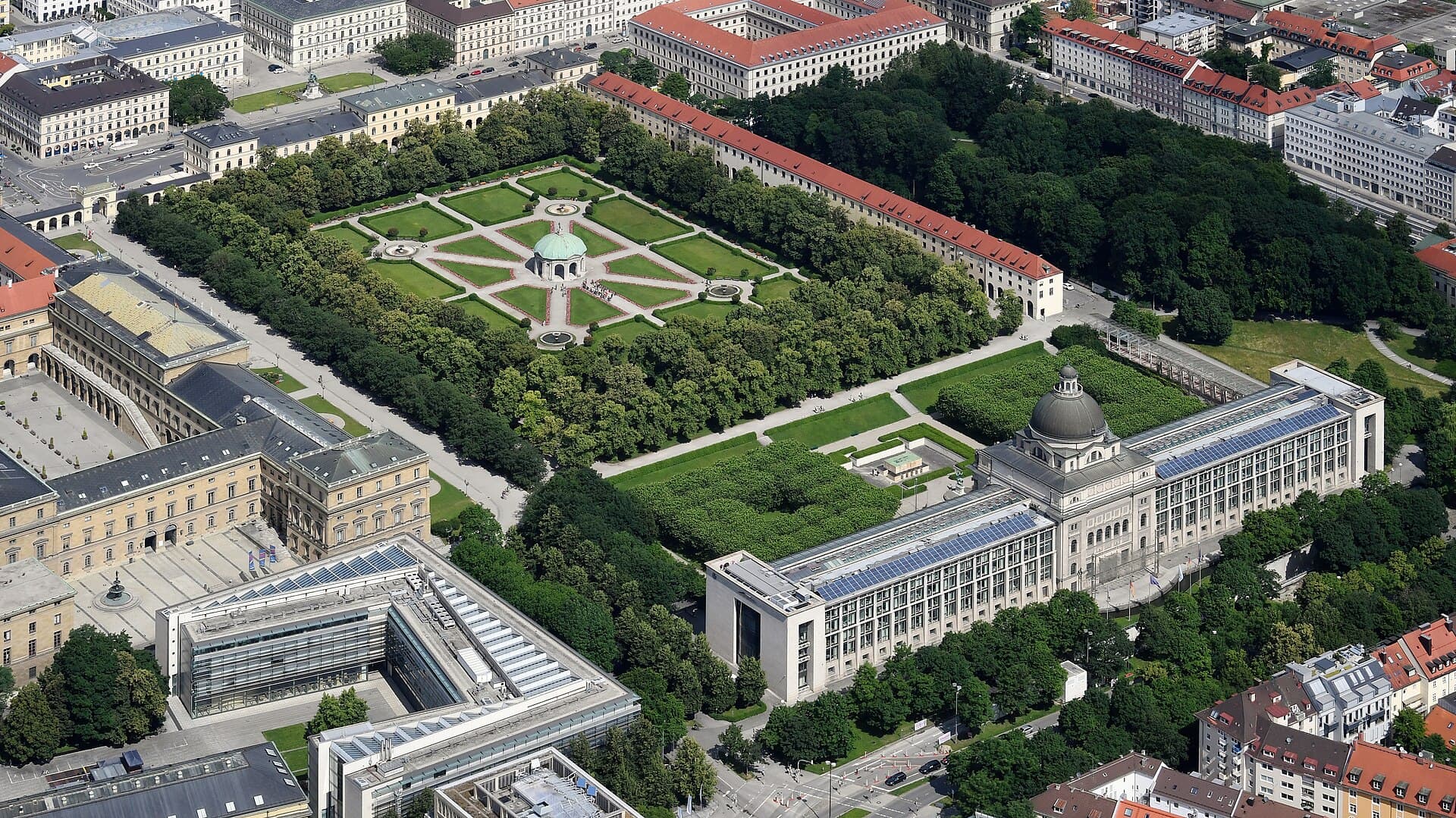 HofgartenThe Hofgarten is the palace garden: a seventeenth-century Italianate square betw1 minute walk4.8
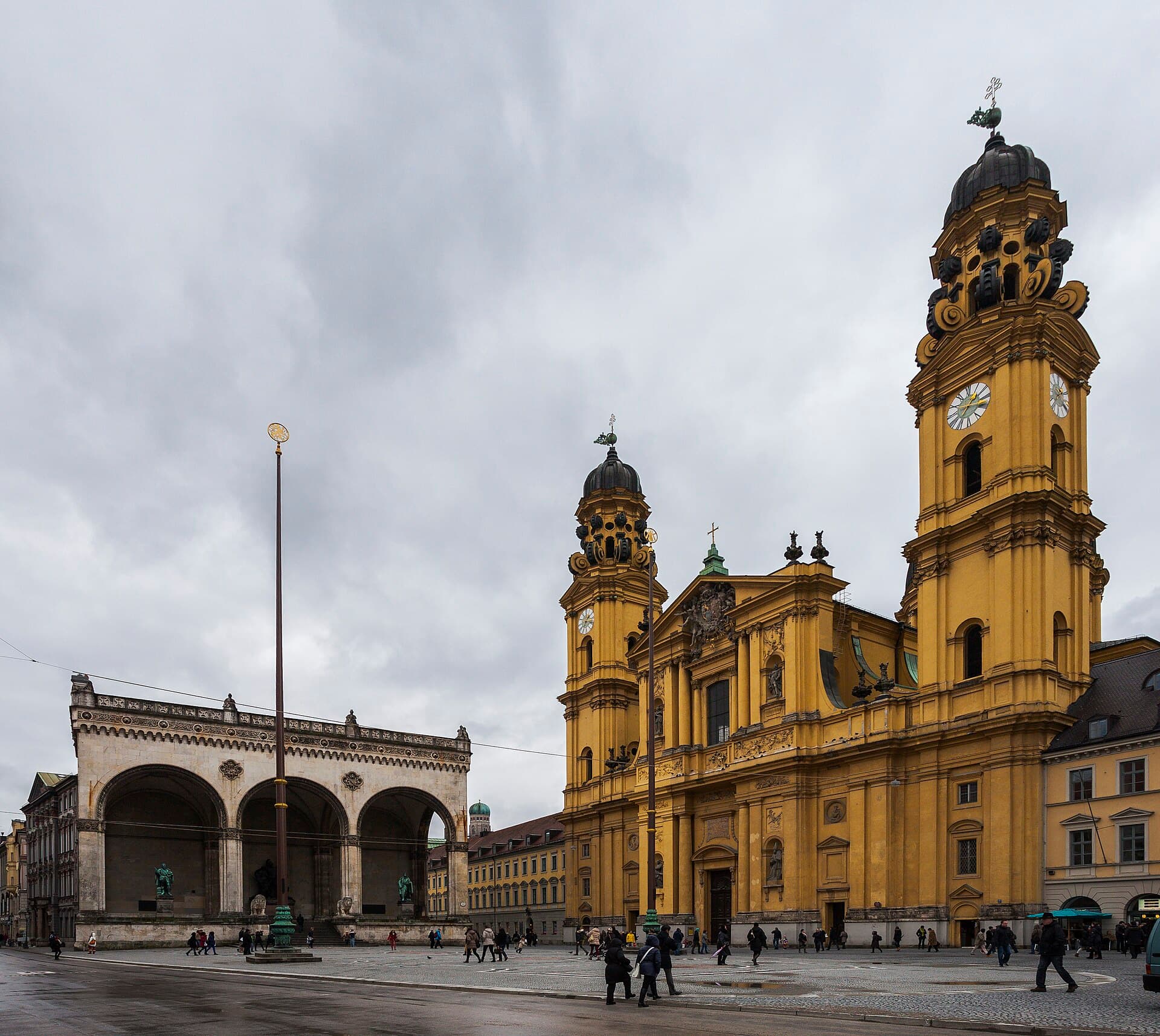 OdeonsplatzOdeonsplatz is a wide square north of central Munich, where the old town meets t3 minutes walk4.5
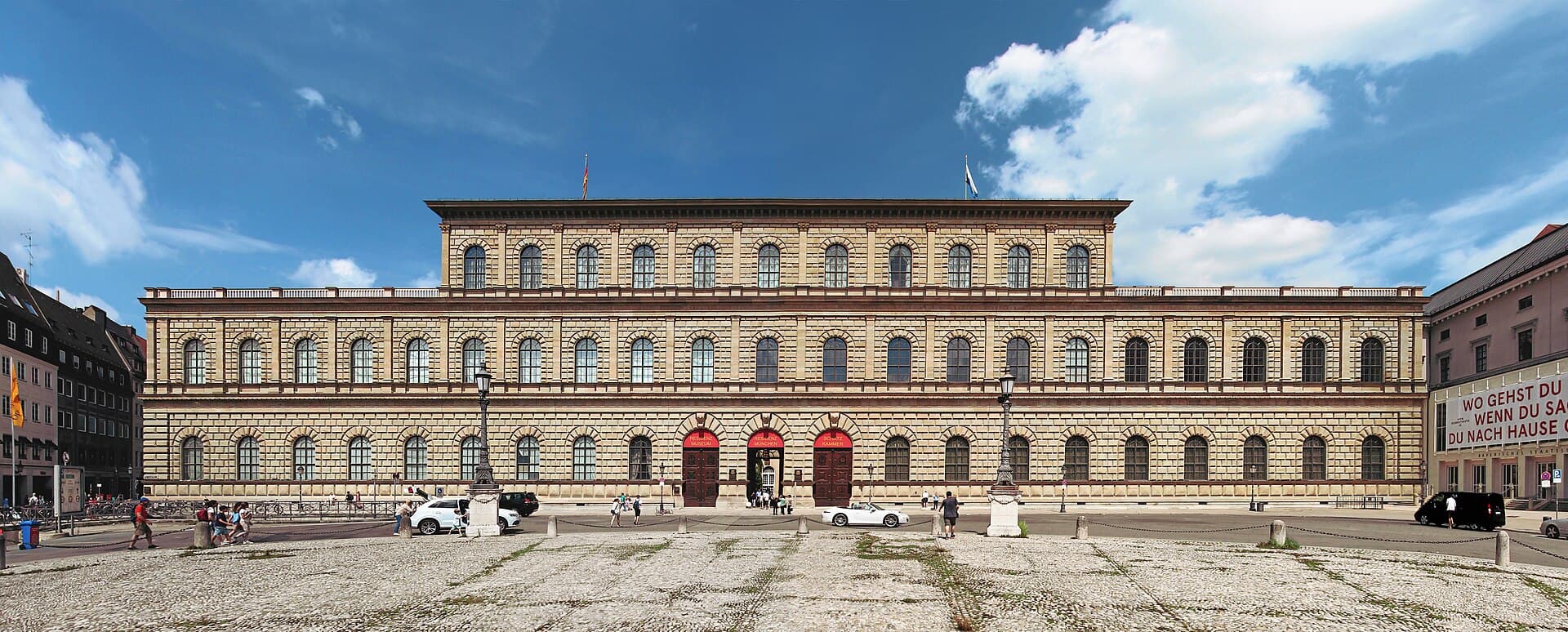 Munich ResidenceThe Residence was the seat of the rulers of Bavaria for more than four hundred y3 minutes walk4.5
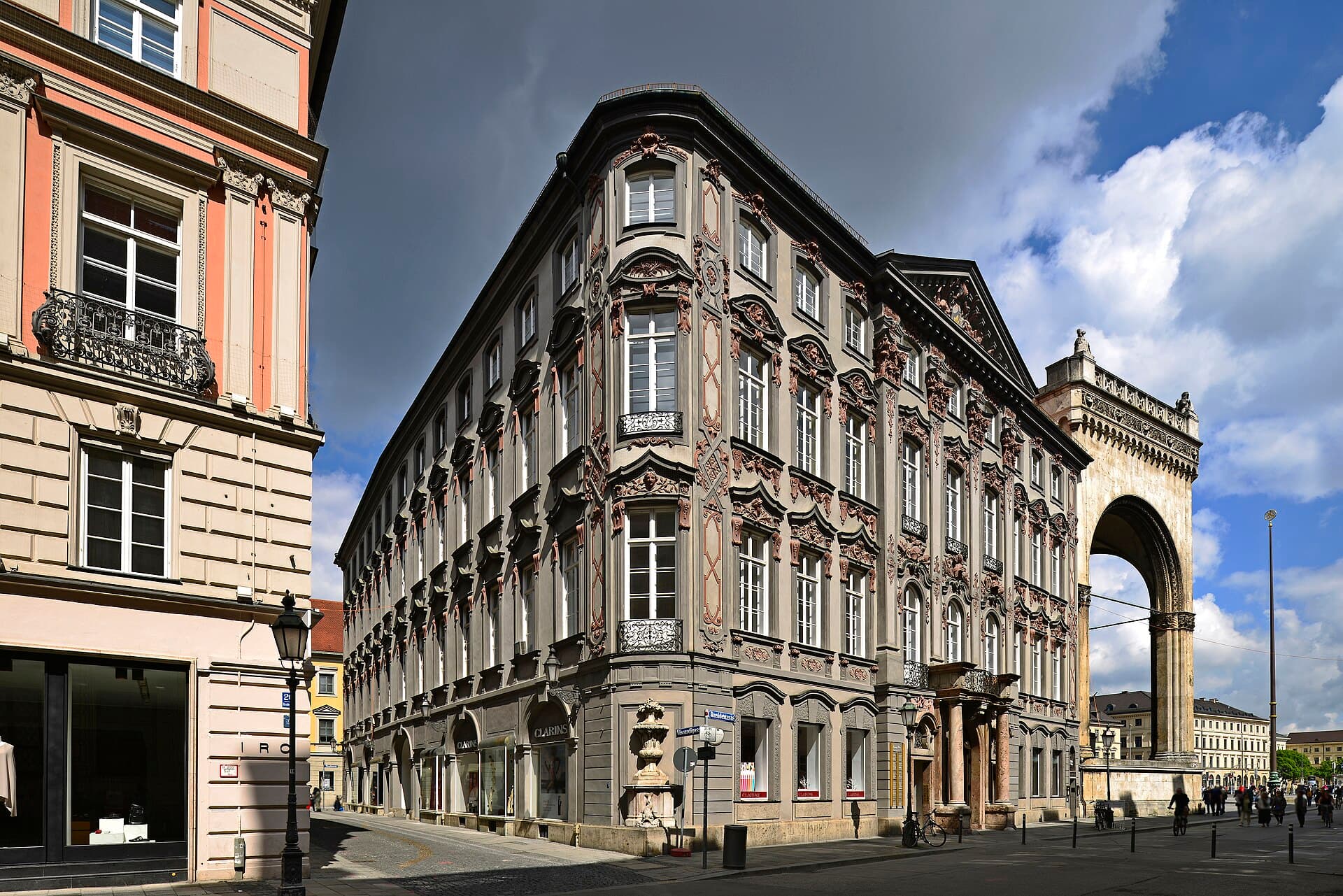 Palais PreysingAn early eighteenth-century town palace on Theatinerstraße in central Munich, an3 minutes walk4.7
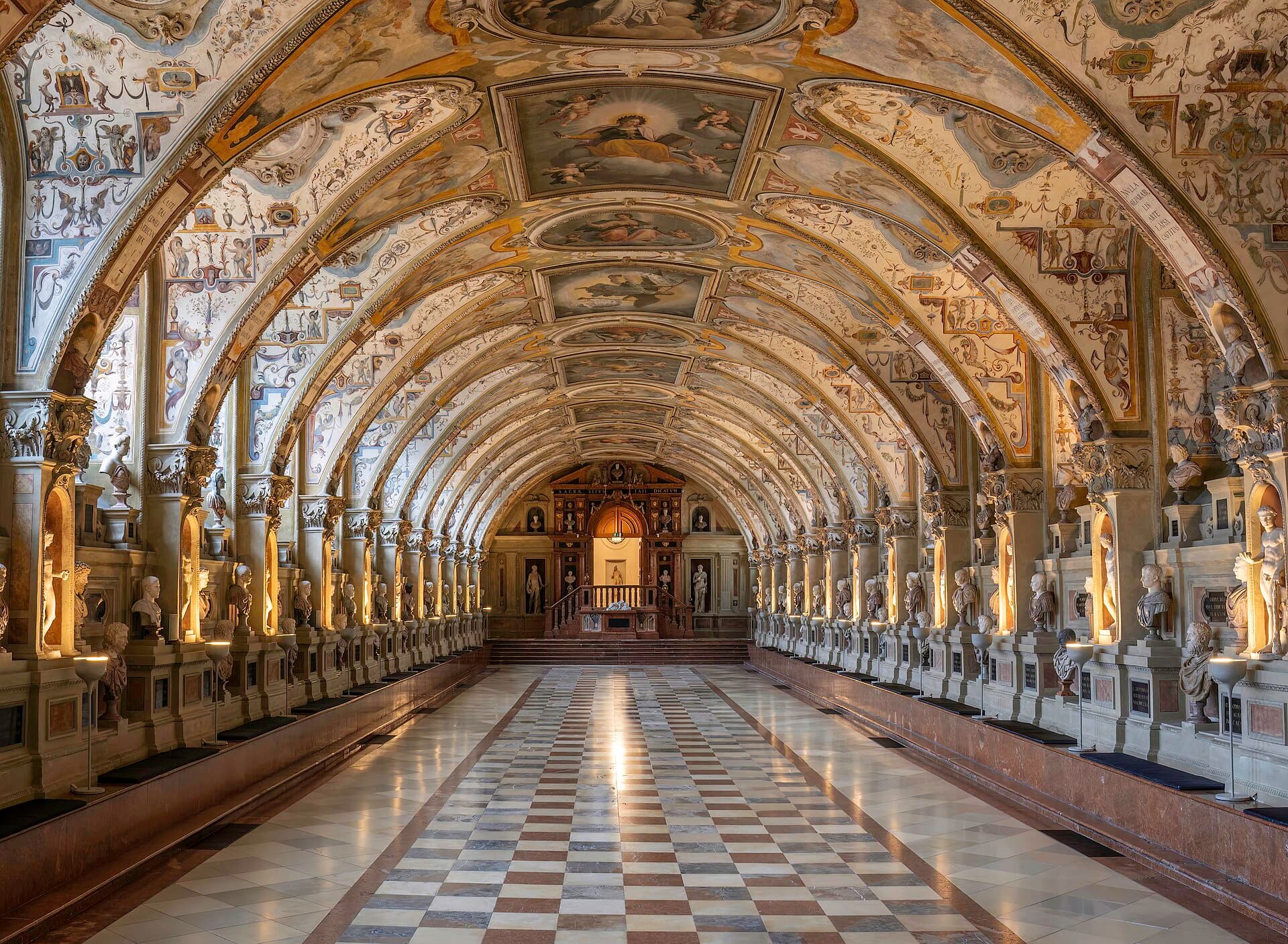 AntiquariumThe Antiquarium is the longest Renaissance hall north of the Alps, inside Munich3 minutes walk4.8
On warm summer evenings, generally from spring into early autumn, most of all at weekends from late afternoon into the evening. There is no official schedule because it is spontaneous — it depends on the weather and who turns up. In winter or rain you will find nobody.
Among the largest urban parks in the world, running north from central Munich over more than three hundred and seventy hectares — larger than Central Park. It holds lakes, streams and beer gardens, and a standing wave on the Eisbach that surfers ride inside the city year-round. The Hofgarten connects to it on foot.