
Romanian invention
Coandă, Vuia, Paulescu and Saligny in one section.
Andrei Stroe — CC BY-SA 3.0 · Andrei Stroe — CC BY-SA 3.0 · Andrei Stroe — CC BY-SA 3.0 · CristianChirita — Public domain
The national technical museum stands in Carol I Park south of the centre, founded by the engineer Dimitrie Leonida in 1909 around his own collection of teaching models. The collection today is wide and not arranged by modern standards, which is part of its character: steam engines, early motor cars, aircraft, generators, communications equipment and mining machinery, much of it displayed without barriers. The section worth the visit on its own is **Romanian invention**. Romania has a record here that nobody outside the country knows: Henri Coandă and his 1910 experiment towards a jet aircraft, Traian Vuia and his self-propelled aeroplane of 1906, Nicolae Paulescu and his work on insulin, and Anghel Saligny and his Danube bridge, the longest in Europe when it was built. **Entry is nominal**, and the museum's presentation is plain — do not expect a modern installation.
Coandă, Vuia, Paulescu and Saligny in one section.
Steam engines and generators displayed without barriers.
Carol I Park, Bucharest
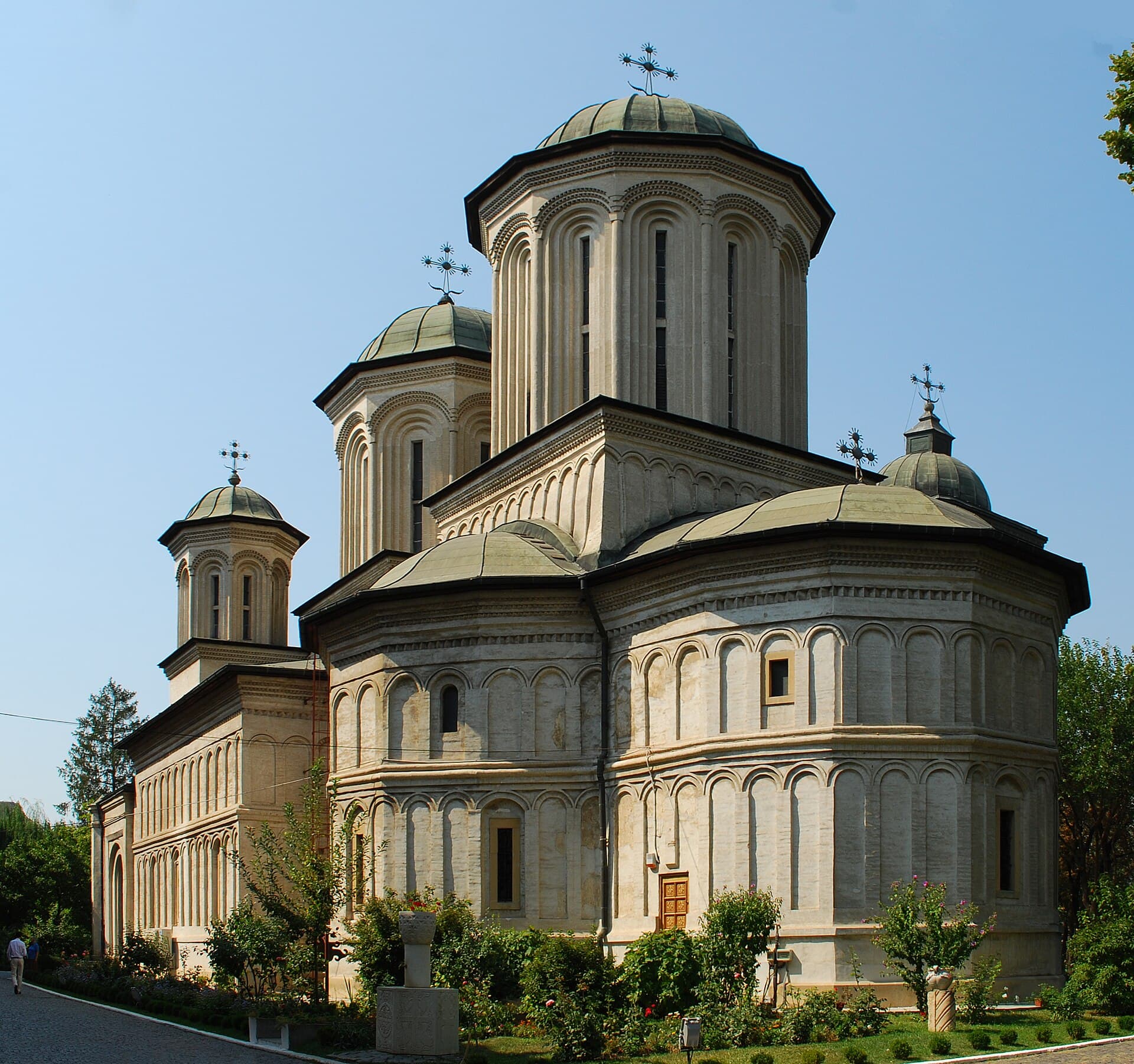 Radu Vodă MonasteryRadu Vodă Monastery stands on a low hill above the Dâmbovița river, and is among14 minutes walk4.7
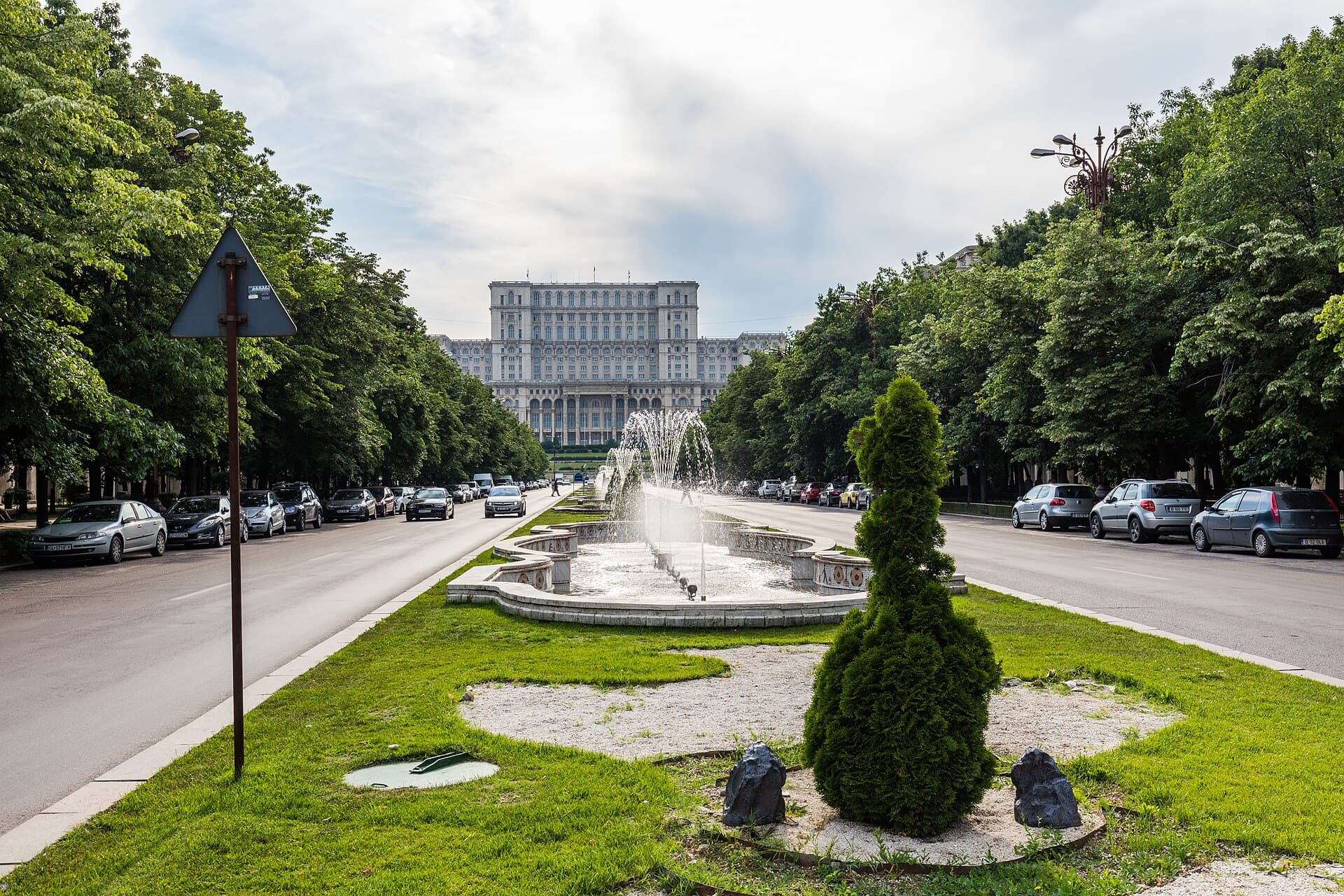 Palace of the ParliamentThe heaviest building on Earth and its second-largest administrative one after t16 minutes walk4.3
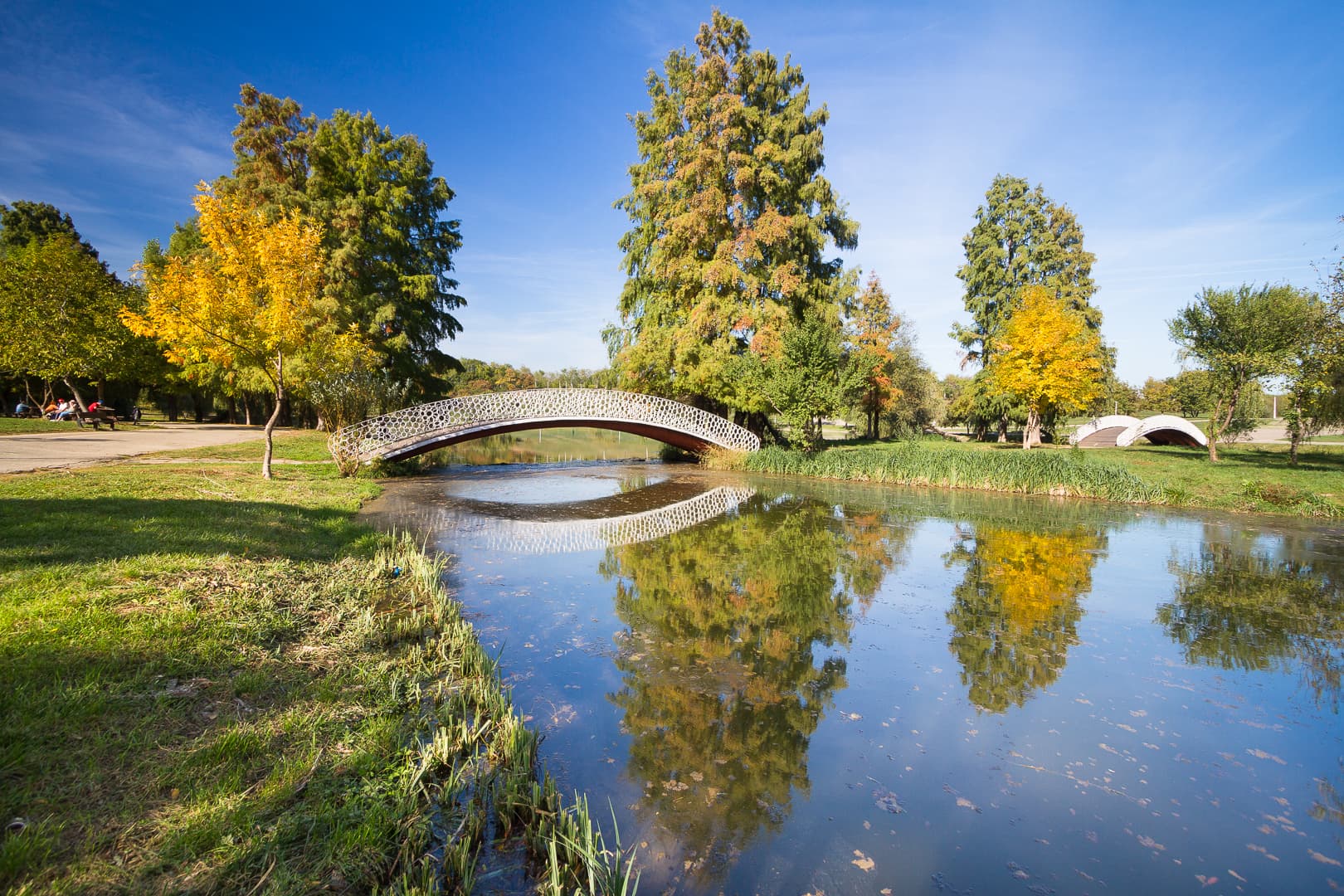 Tineretului ParkTineretului — the park of youth — is among Bucharest's largest, running across a16 minutes walk4.6
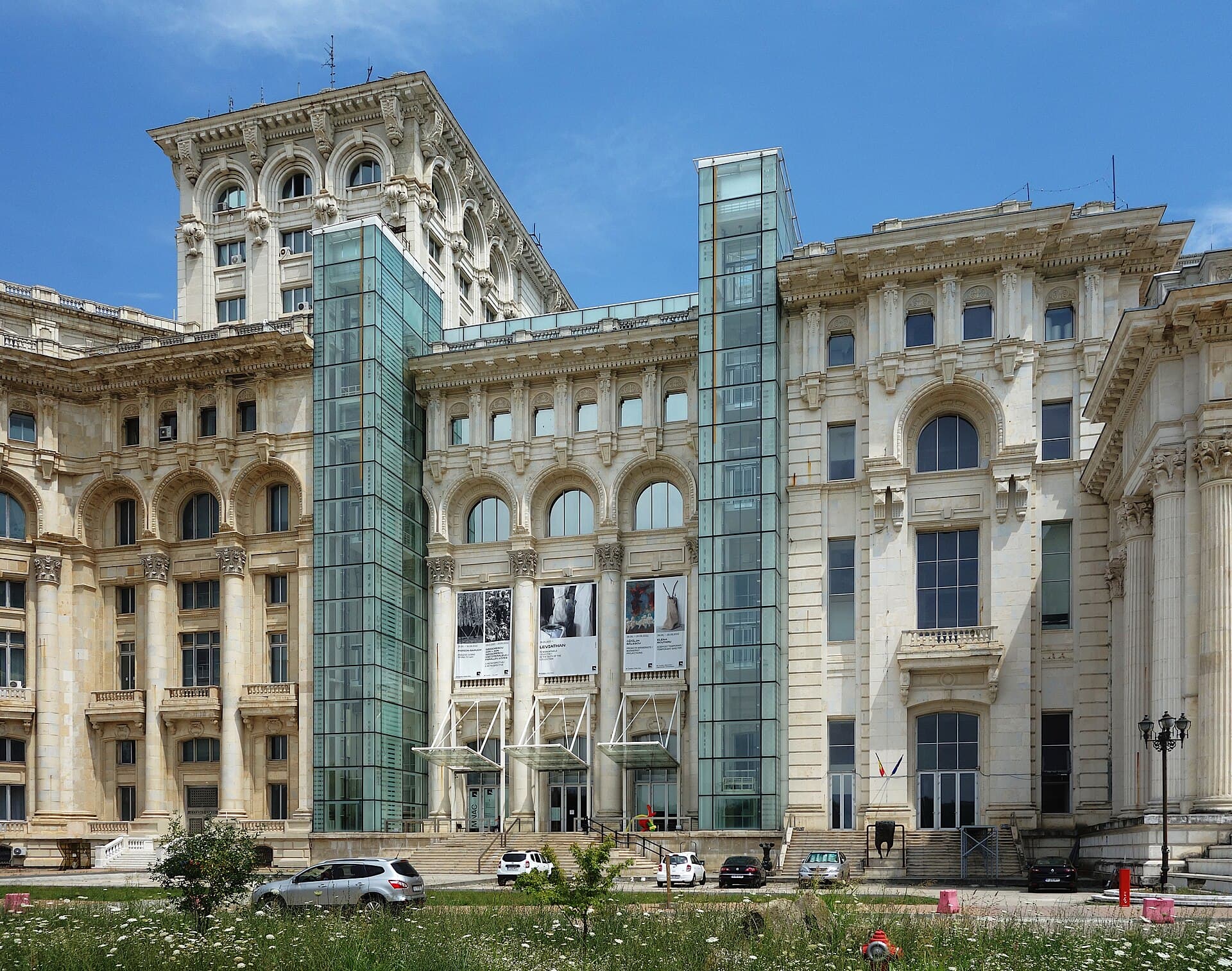 MNAC — the National Museum of Contemporary ArtThe National Museum of Contemporary Art occupies the west wing of the **Palace o17 minutes walk4.1
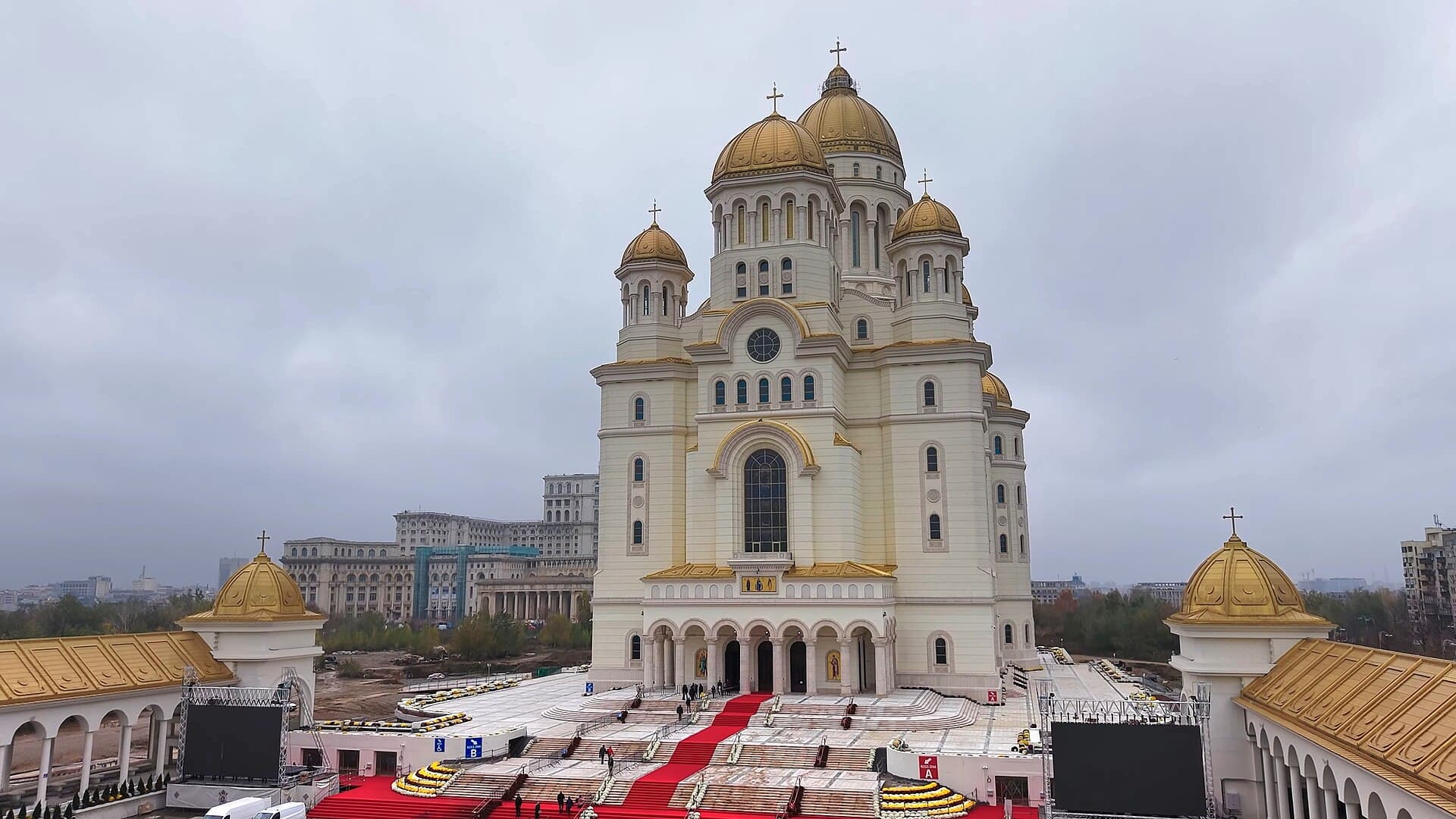 The People's Salvation CathedralThe People's Salvation Cathedral stands directly behind the Palace of the Parlia18 minutes walk3.9
A Romanian aeronautical engineer who showed at the 1910 Paris salon an aircraft with an engine that pushed air rather than turning a propeller — regarded as an early attempt at jet propulsion, though whether it ever actually flew is still argued. His more important legacy is the Coandă effect: the tendency of a jet of fluid or gas to cling to a nearby curved surface instead of travelling straight. The principle is used today in wing design, in bladeless fans and in ventilation systems. Bucharest's international airport carries his name.