
The hill above the river
A rare view down to the Dâmbovița.
Andrei Stroe — CC BY-SA 3.0 ro · claudiu nh — CC BY-SA 2.0 · Stefan Jurca from Munich, Germany — CC BY-SA 2.0 · Stefan Jurca from Munich, Germany — CC BY-SA 2.0
Radu Vodă Monastery stands on a low hill above the Dâmbovița river, and is among the oldest surviving monasteries in Bucharest — founded by Prince Alexandru II Mircea in 1568. Its history is a sequence of disasters: destroyed by Ottoman forces in 1595, rebuilt, brought down by the earthquake of 1802, then restored in the nineteenth century. But its most important survival is recent — in the 1980s it was among the buildings Ceaușescu marked for removal, and it was saved by **moving the whole building on rails** away from the new avenue. The technique was used in Bucharest to save several churches, and is a strange piece of engineering history in itself. The church works today, with monastic buildings and a small cemetery around it, and the hill gives a rare view down to the river. The district around it is entirely quiet compared with the centre ten minutes' walk away. **Entry is free**, with the usual respect for a working place of worship.
A rare view down to the Dâmbovița.
Complete quiet ten minutes from Lipscani.
Strada Radu Vodă 24A, Bucharest
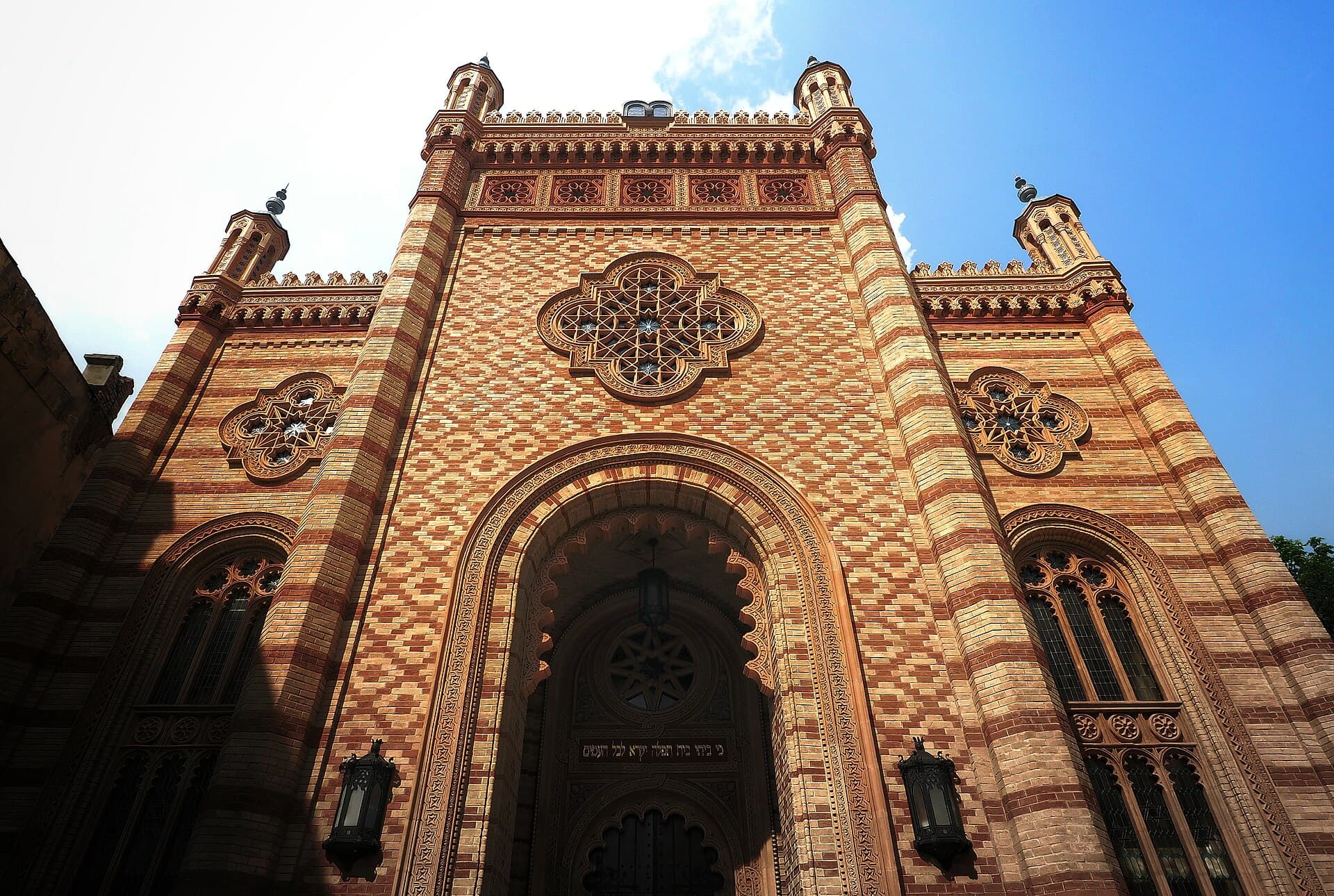 The Choral TempleThe Choral Temple is Bucharest's principal synagogue, built between 1857 and 18610 minutes walk4.5
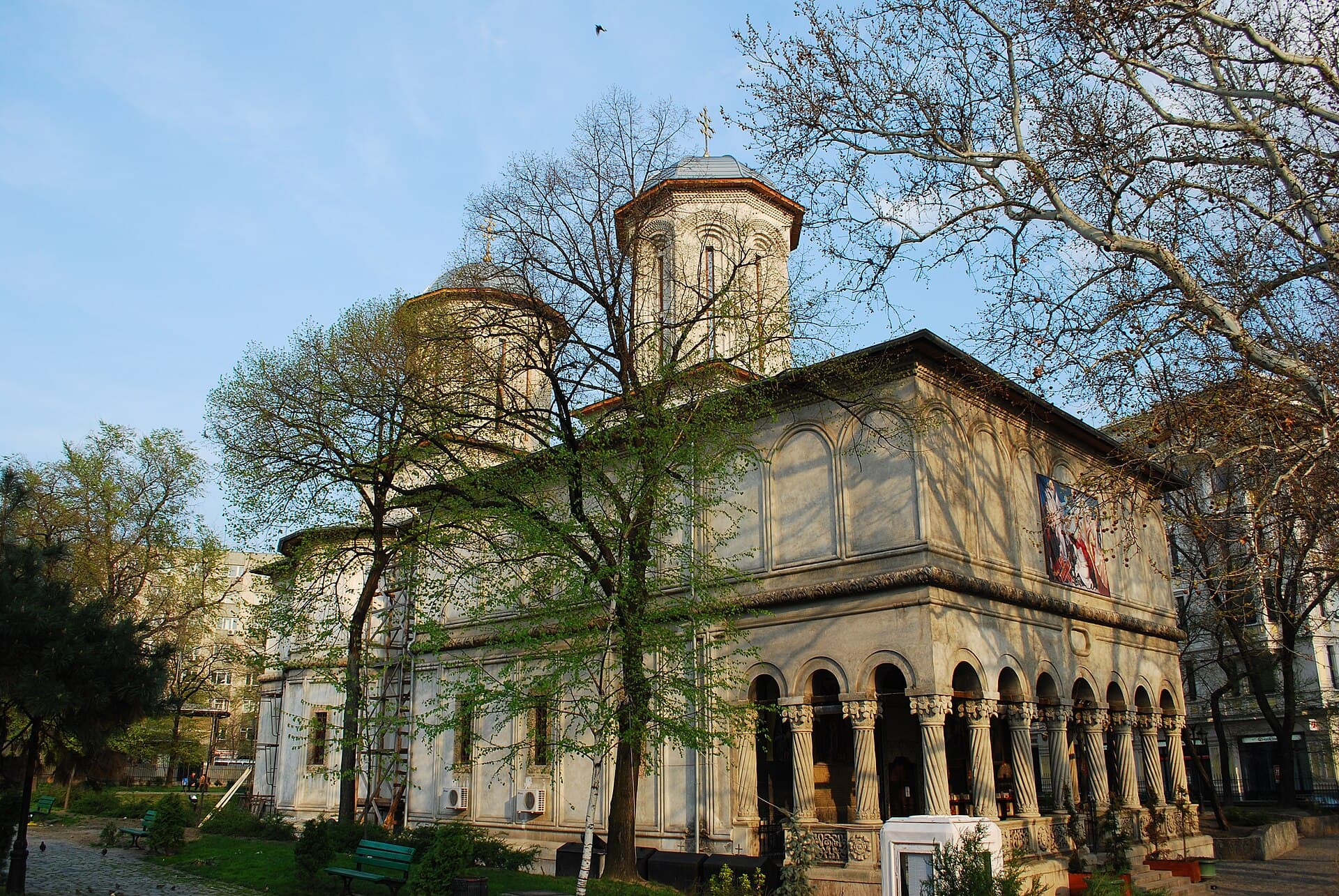 St George's New ChurchSt George's New Church stands at the edge of Lipscani, and holds two places in R12 minutes walk4.7
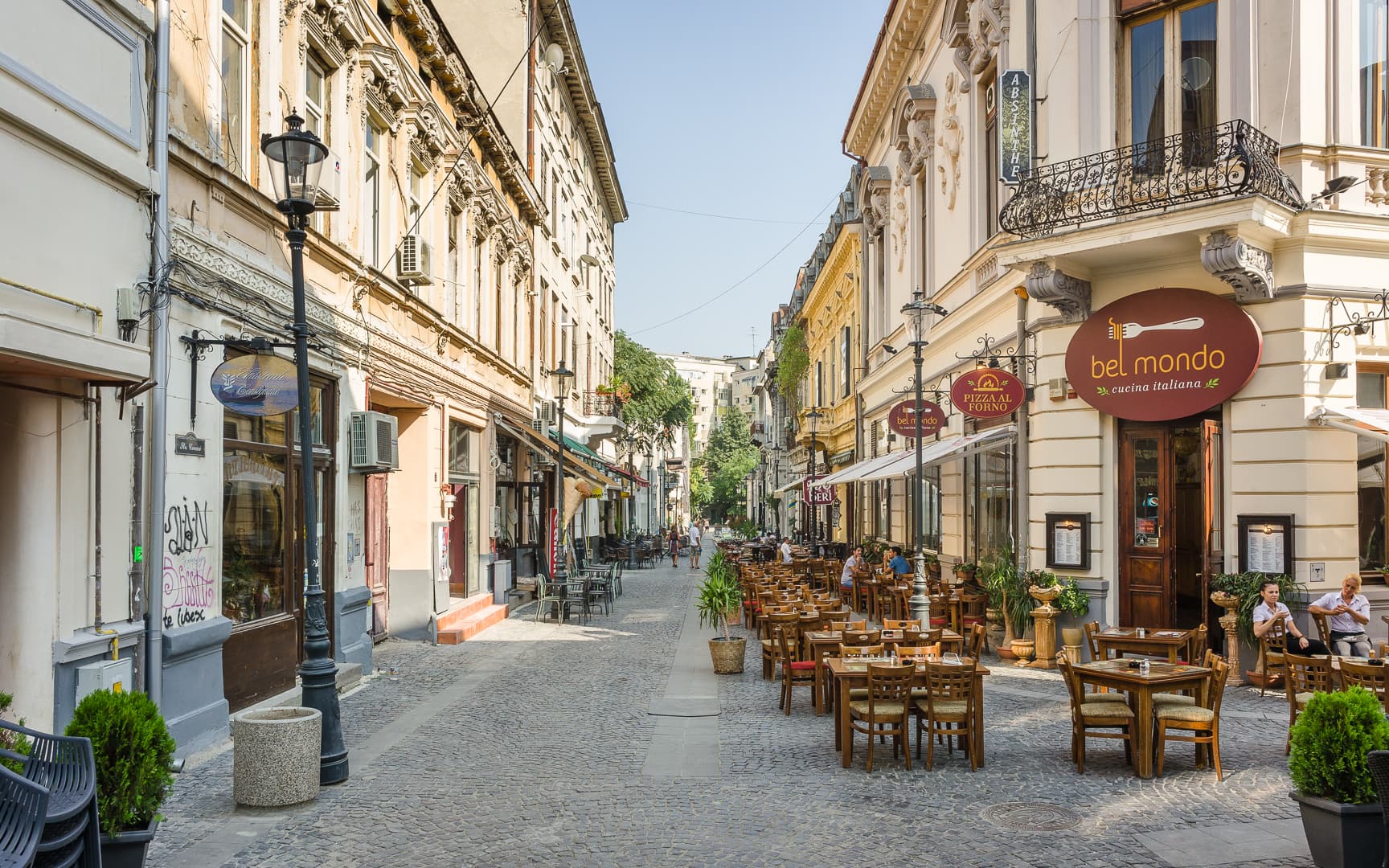 Lipscani — the Old TownLipscani is what remains of old Bucharest: a grid of narrow pedestrian streets b12 minutes walk4.7
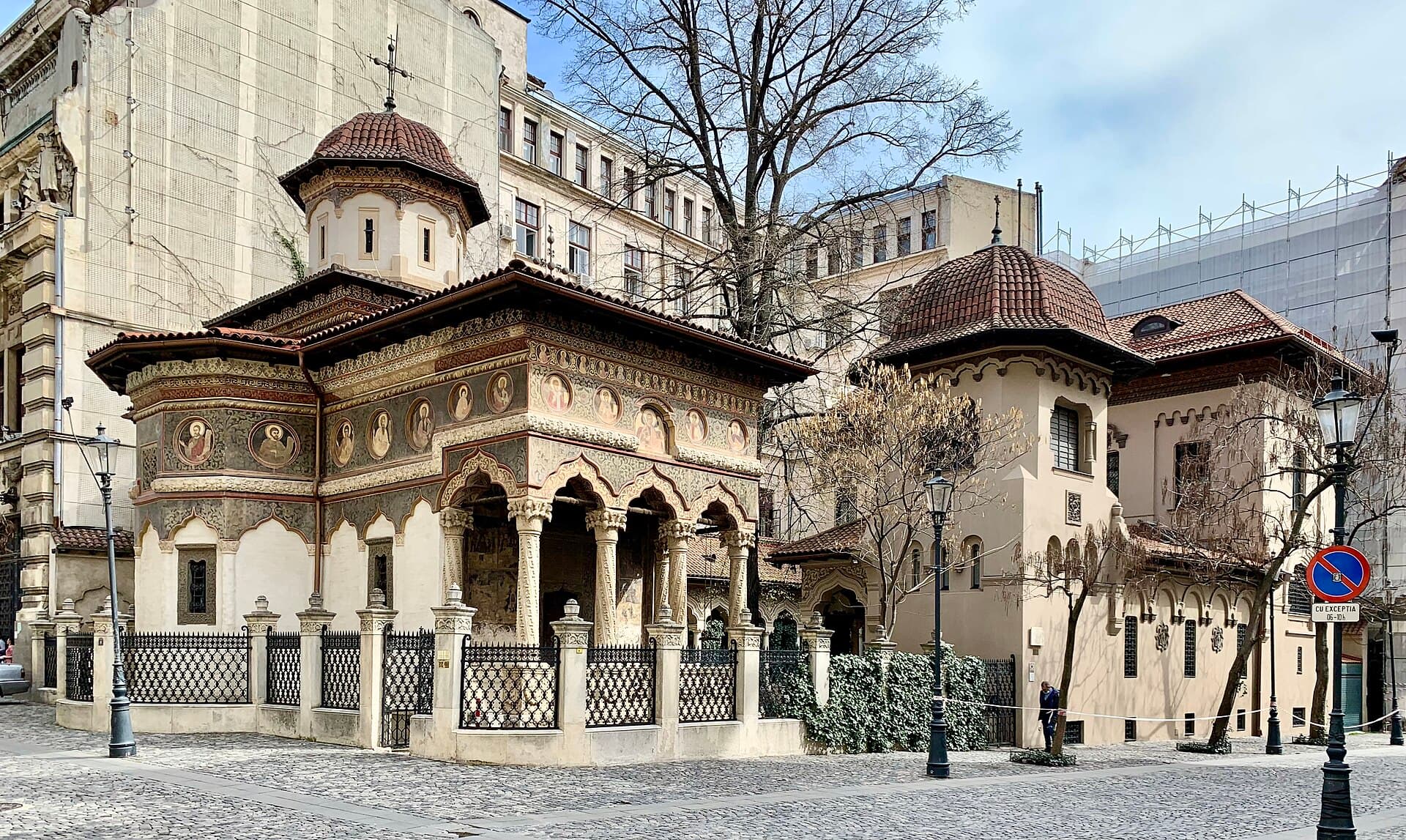 Stavropoleos MonasteryIn a narrow lane behind the noise of Lipscani stands the most beautiful small ch14 minutes walk4.9
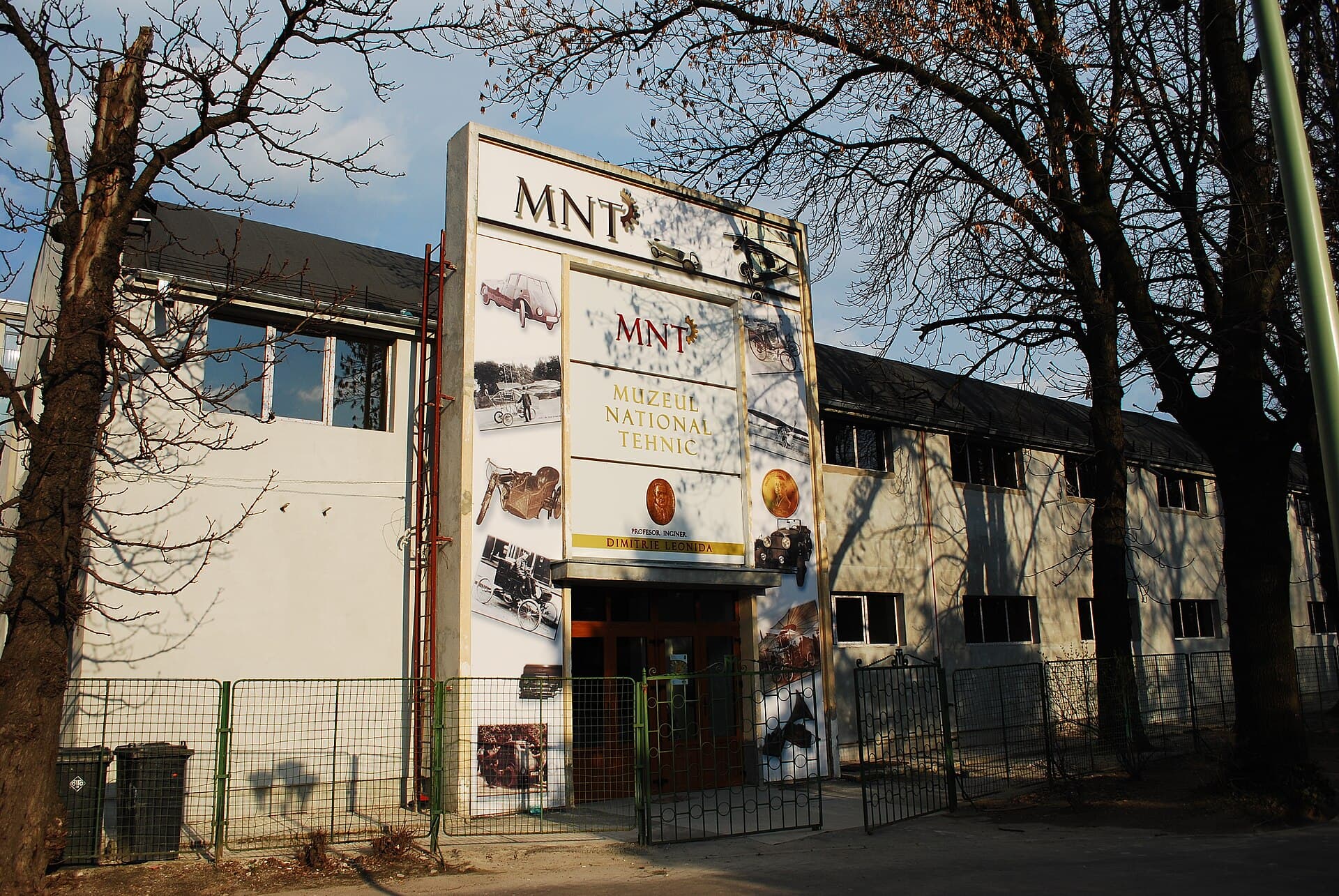 The Dimitrie Leonida Technical MuseumThe national technical museum stands in Carol I Park south of the centre, founde14 minutes walk4.3
The method used in Bucharest in the 1980s: excavate beneath the foundations, cast a massive concrete frame under the building so it holds together as one block, then lay railway track, set the block on bogies, and push it with hydraulic jacks very slowly — sometimes a few metres a day. Several churches in the city were saved this way, some moved hundreds of metres and hidden behind blocks of flats so that no one on the avenue would see them. The engineer responsible for most of them, Eugeniu Iordăchescu, became well known in Romania for it.