
The cigarette wall
4,213 butts pinned in the entrance hall, each captioned by hand: the image everyone leaves with.
Fuzheado (talk) — CC BY-SA 3.0 · Svklimkin — CC BY-SA 4.0 · Svklimkin — CC BY-SA 4.0 · Svklimkin — CC BY-SA 4.0
Four thousand two hundred and thirteen cigarette butts are pinned to one wall of a wooden house in Çukurcuma, each with a handwritten line noting the day a girl called Füsun smoked it. Füsun never existed; she is the heroine of Orhan Pamuk's 2008 novel The Museum of Innocence. But the Nobel laureate decided his book deserved a real house, so he bought this 19th-century corner building, filled it with the objects his lovesick narrator Kemal hoards, and opened the doors in April 2012. The result is a museum with no equivalent anywhere: a meticulous archive of a life nobody lived. Inside are eighty-three display cases, one for each chapter, stacked up narrow floors joined by a wooden staircase. Salt shakers, clocks, cinema and football tickets, perfume bottles, faded family photographs, dolls and kitchenware from Istanbul homes of the 1970s through to the early 2000s, and on the top floor the bed from which Kemal narrates the final chapter. The audio guide (50 TL) is recorded in Pamuk's own voice in the Turkish version; the English one uses other narrators, but it still turns the visit from a cabinet of curiosities into a reading. It won European Museum of the Year in 2014, and deserved it. A plain word of warning: if you have read the novel you will leave feeling you walked through its pages; if you have not, you may stand in front of a drawer of old kitchen tools and wonder what the fuss is about. It is a short visit, around an hour, in a small house with steep stairs that are hopeless for pushchairs, and children get bored fast. For readers there is a lovely bonus: the ticket printed in the last pages of the novel is stamped at the desk and gets you in free, provided you bring the book itself. The museum is about ten minutes downhill from Galatasaray on İstiklal, through the antique shops of Çukurcuma, or a similar walk uphill from the Tophane tram stop. Fold it into a stroll through Cihangir and Çukurcuma on a spring or autumn day; the lanes here are steep and punishing in August heat.
4,213 butts pinned in the entrance hall, each captioned by hand: the image everyone leaves with.
Every case matches a chapter of the novel, filled with Istanbul's everyday objects from the 1970s to the 2000s.
The Turkish audio guide is voiced by the author himself, the English by other narrators; either way it is the difference between a puzzling walk and a guided reading.
Çukurcuma Caddesi, Dalgıç Çıkmazı No. 2, Firuzağa, Beyoğlu
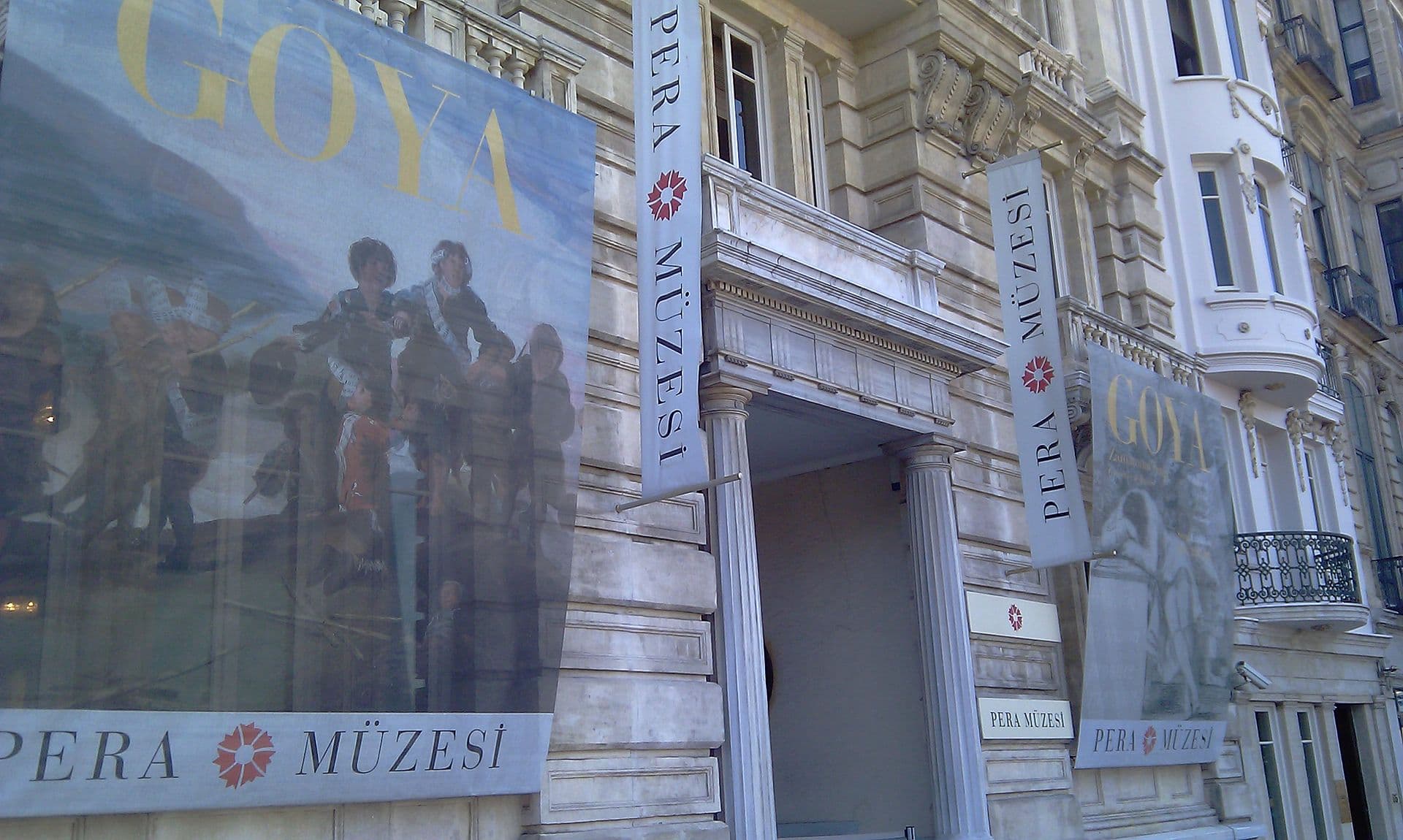 Pera MuseumThe most famous painting in Turkish art history hangs not in a palace or a state5 min walk
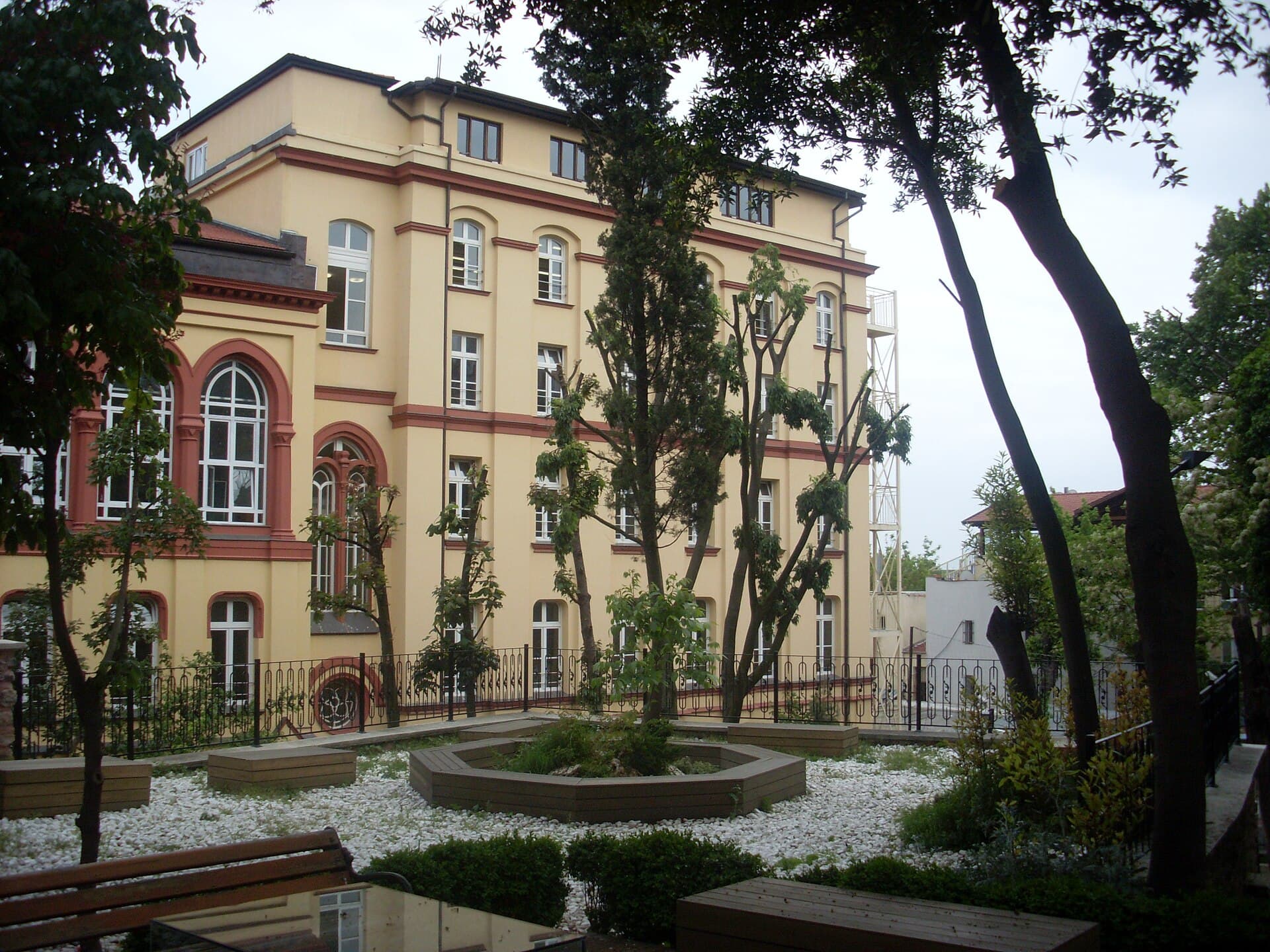 Galata Mevlevi Lodge MuseumOne minute from the Tünel funicular, behind a stone gate you could easily walk p6 min walk
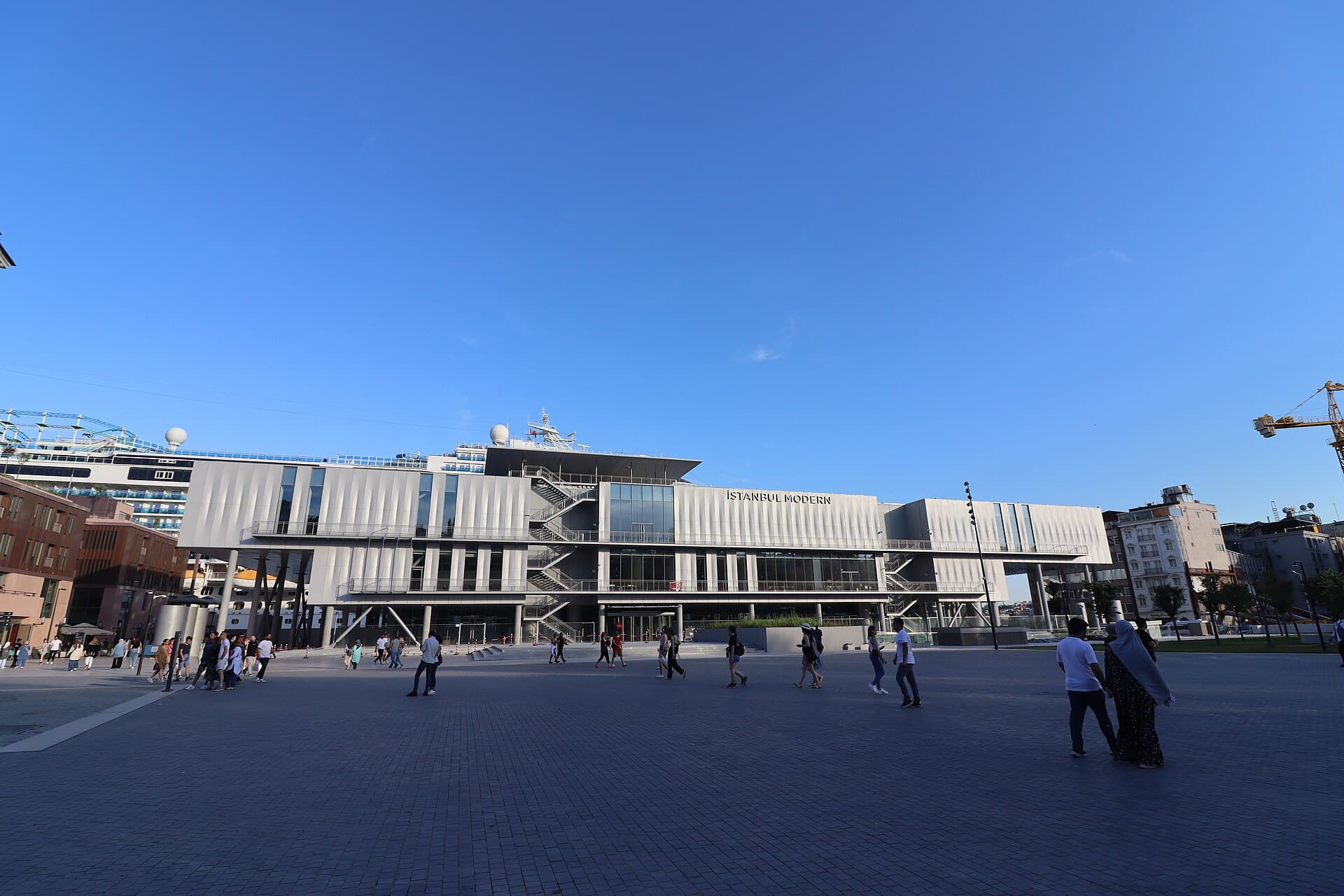 Istanbul ModernThe roof of this building is a shallow sheet of water only a few centimetres dee8 min walk
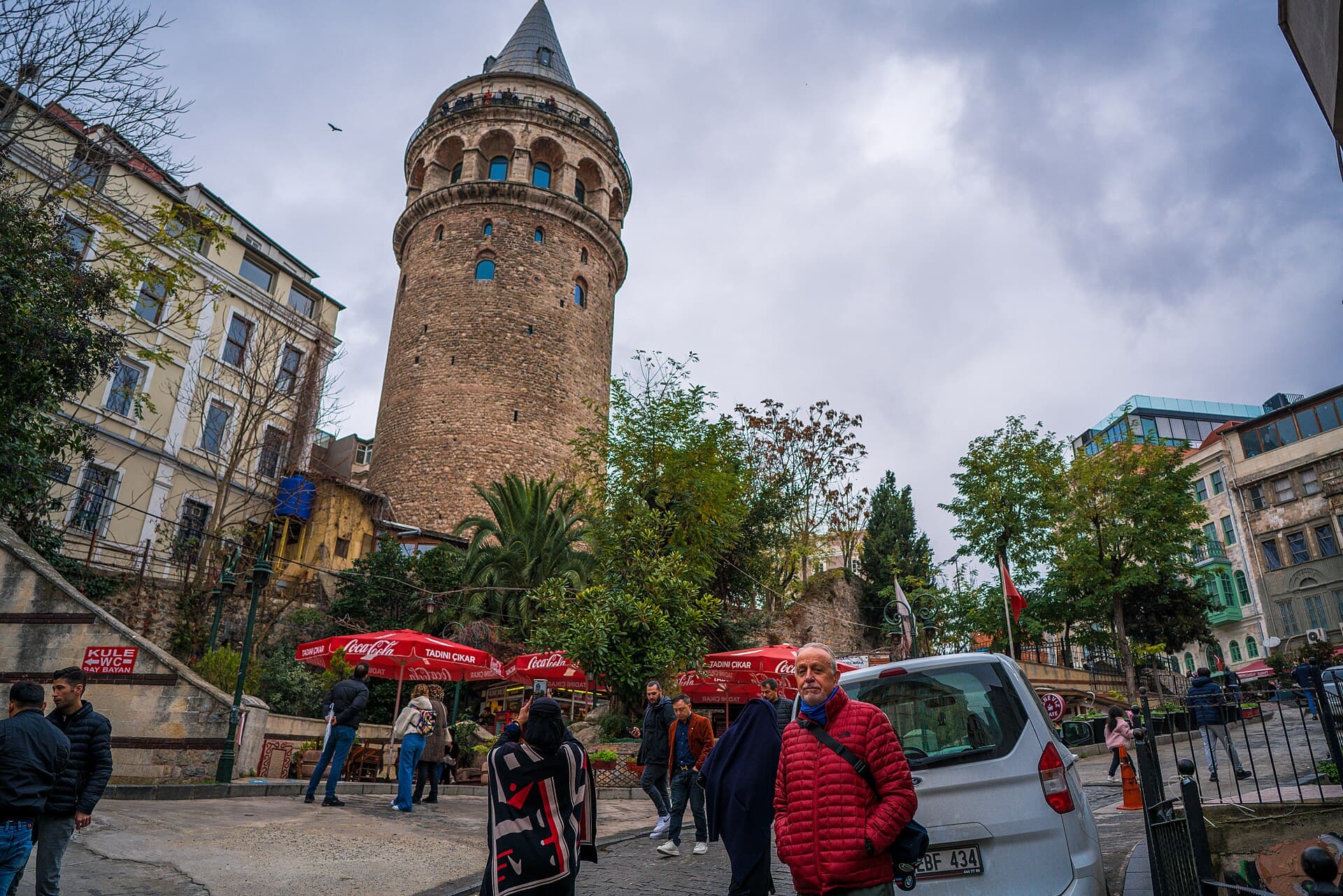 Galata TowerA fourteenth-century stone tower on the Galata hill north of the Golden Horn, am10 min walk4.7
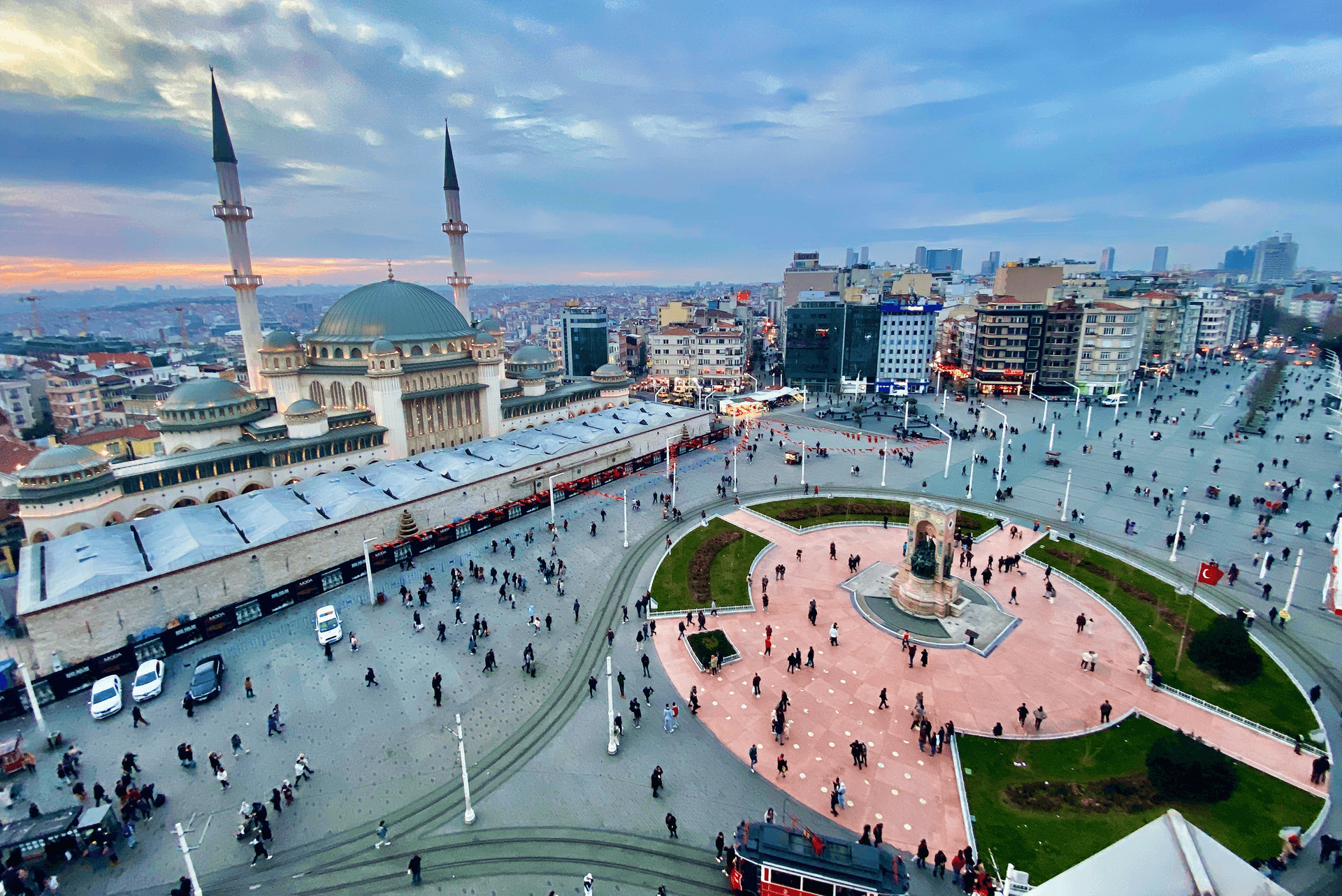 Taksim SquareThe name is Arabic before it is Turkish: a taksim is a place where water is divi10 min walk
Honestly, not really. Without the book it reads as a house full of old objects and an hour spent in front of glass cases. If you are on the fence, walk the lanes of Çukurcuma and Cihangir instead, which are the best part of the trip, and come back after reading it.
No. The house is narrow, with a steep wooden staircase and no lift (only the ground floor is wheelchair accessible), and the exhibits are glass cases that demand patience and reading. Under-12s enter free, but it is kinder to leave the little ones with one parent at a cafe nearby.
Sign in to write your review of this place.
No reviews yet — be the first.