
The nuns' choir
A raised room above the entrance, walled in frescoes painted between about 1307 and 1320 and attributed to Pietro Cavallini and his workshop — the single most valuable thing here.
Barely five minutes behind the Duomo, past the queue for the chapel of San Gennaro, two churches stand wall to wall with three centuries between them. Upstairs in the older one, in a raised room where cloistered nuns once prayed out of public sight, the walls carry a fresco cycle painted between about 1307 and 1320, attributed to Pietro Cavallini and his workshop with Filippo Rusuti. In all likelihood you will stand in front of it alone. The older church, Santa Maria Donnaregina Vecchia, is austere Gothic, rebuilt in the early fourteenth century by Queen Mary of Hungary, wife of Charles II of Anjou, who was buried here. Her tomb is the work of Tino di Camaino, the leading sculptor at the Angevin court: the queen lies on a sarcophagus borne by figures of the Virtues, seven of her sons set in small niches along its front, angels drawing back stone curtains above. But the nuns' choir above the entrance is the real reason to come — a Last Judgment across an entire wall, lives of female saints, colour still warm after seven hundred years. These frescoes were painted before Giotto ever reached Naples, and since almost nothing of Giotto's Neapolitan work survives, they are among the most valuable medieval wall painting the city still has. The second church, Donnaregina Nuova, is seventeenth-century Baroque, gilded into every corner, and from 2007 it held the Diocesan Museum across sixteen rooms and a mezzanine built above the side chapels: Neapolitan School canvases by Luca Giordano, Francesco Solimena and Andrea Vaccaro, alongside wooden sculpture, liturgical silver and reliquaries, including the twelfth-century Stauroteca of San Leonzio, a gold cross made in Palermo around a fragment of the True Cross. Do not count on seeing any of it. The diocese lost its lease on the Baroque church in 2025 and the building reverted to the state religious-buildings fund; since then the Nuova and the exhibition of seventeenth-century Naples have been shut, and visitors are admitted through the Gothic church alone. Which is, in truth, where the visit always paid. It is not a large site, and it is smaller still with the Baroque half closed: forty minutes covers it, an hour if you linger under the frescoes. The choir is reached by stairs, so it does not suit wheelchairs or pushchairs. Watch for a common mix-up too — MADRE, the contemporary art museum, occupies the neighbouring Palazzo Donnaregina and carries almost the same name, but it is a separate institution with a separate ticket. From the door you are minutes from Via Duomo and the cafes of the Tribunali quarter; the nearest cluster of halal restaurants is around Piazza Garibaldi, roughly a fifteen-minute walk.
A raised room above the entrance, walled in frescoes painted between about 1307 and 1320 and attributed to Pietro Cavallini and his workshop — the single most valuable thing here.
The queen who rebuilt the church lies on a sarcophagus borne by figures of the Virtues, seven of her sons ranged in niches along its front — carved by Tino di Camaino around 1325.
Metres from the crush at the cathedral, you can spend an hour here and pass two or three other visitors.
Vico Donnaregina 26, 80138 Naples, Italy
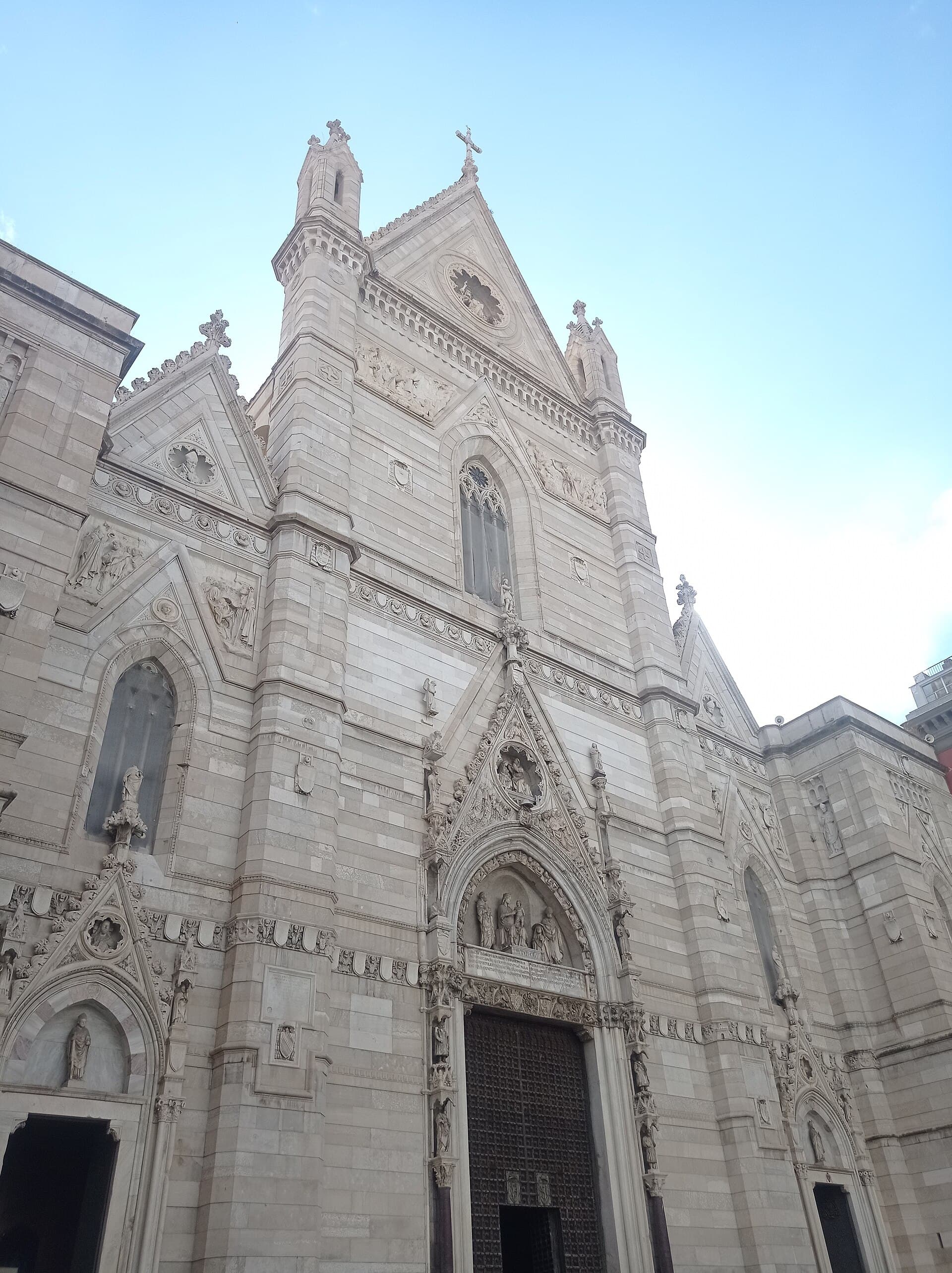 Naples CathedralNaples Cathedral is the house of San Gennaro — the city's patron, centre of Chri2 minutes walk4.8
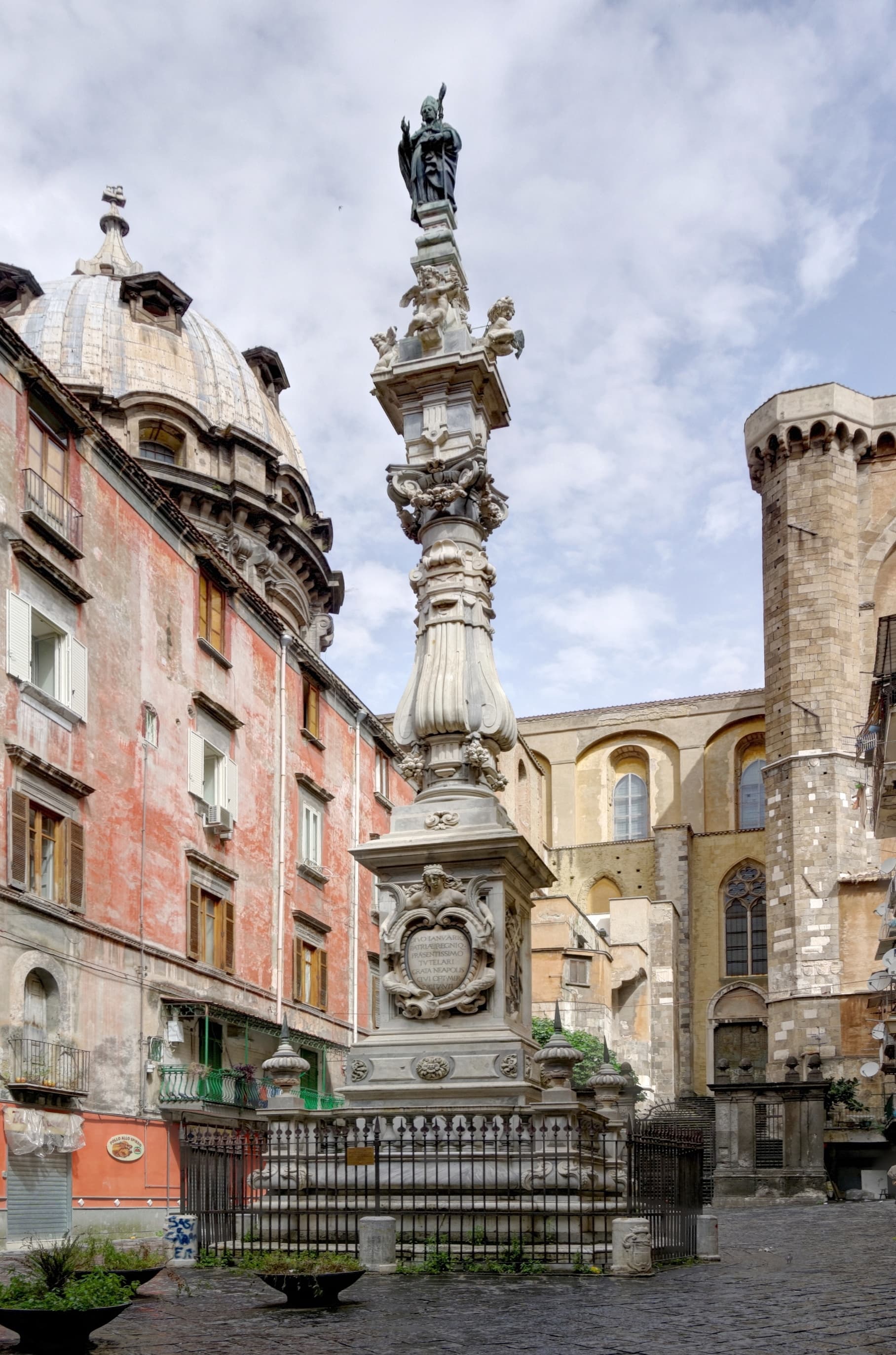 The Obelisk of San GennaroA baroque obelisk before Naples cathedral, raised in the seventeenth century in 3 minutes walk4.4
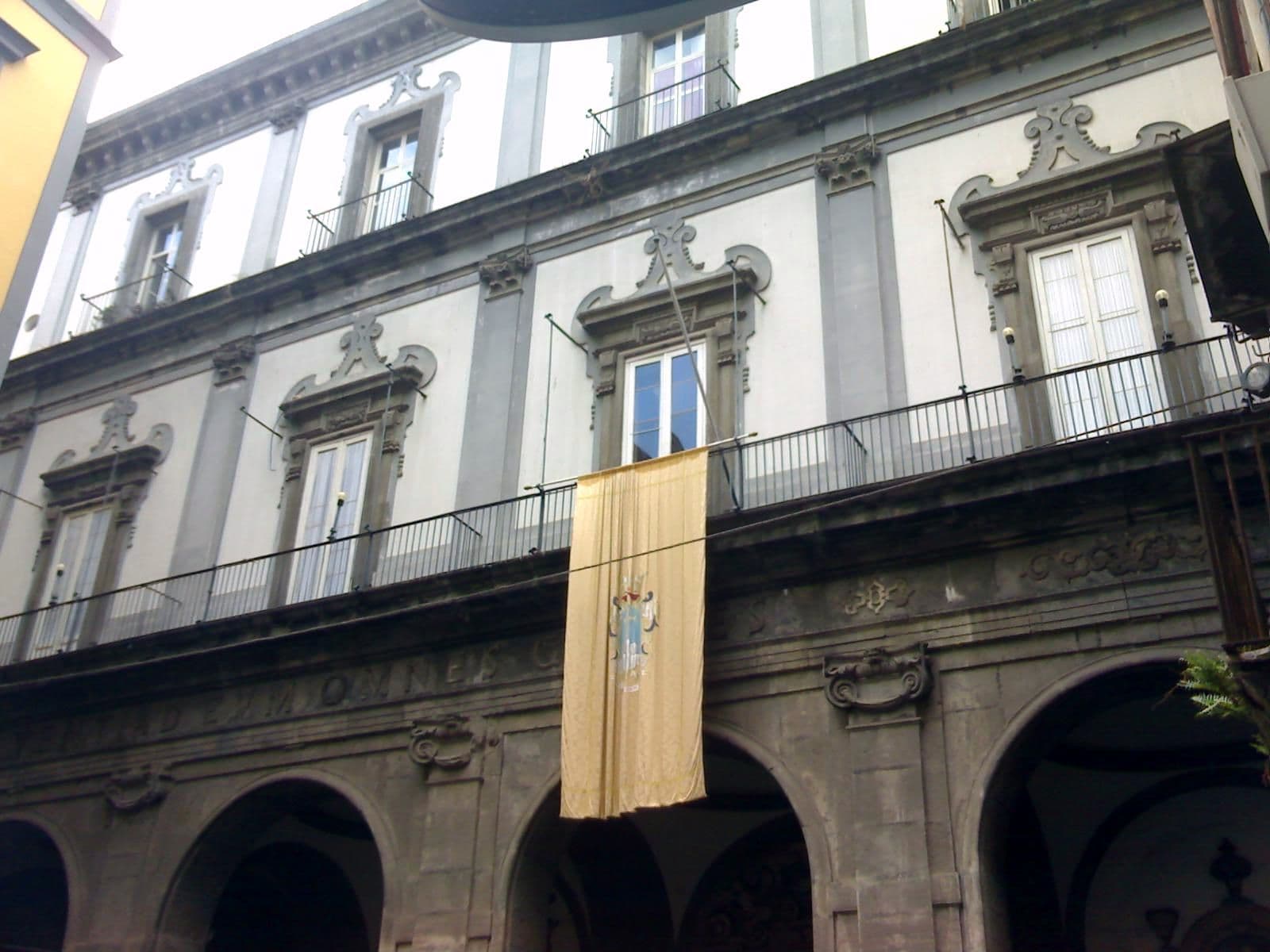 Pio Monte della MisericordiaA Caravaggio in the place it was painted for: the Pio Monte charity was founded 3 minutes walk4.7
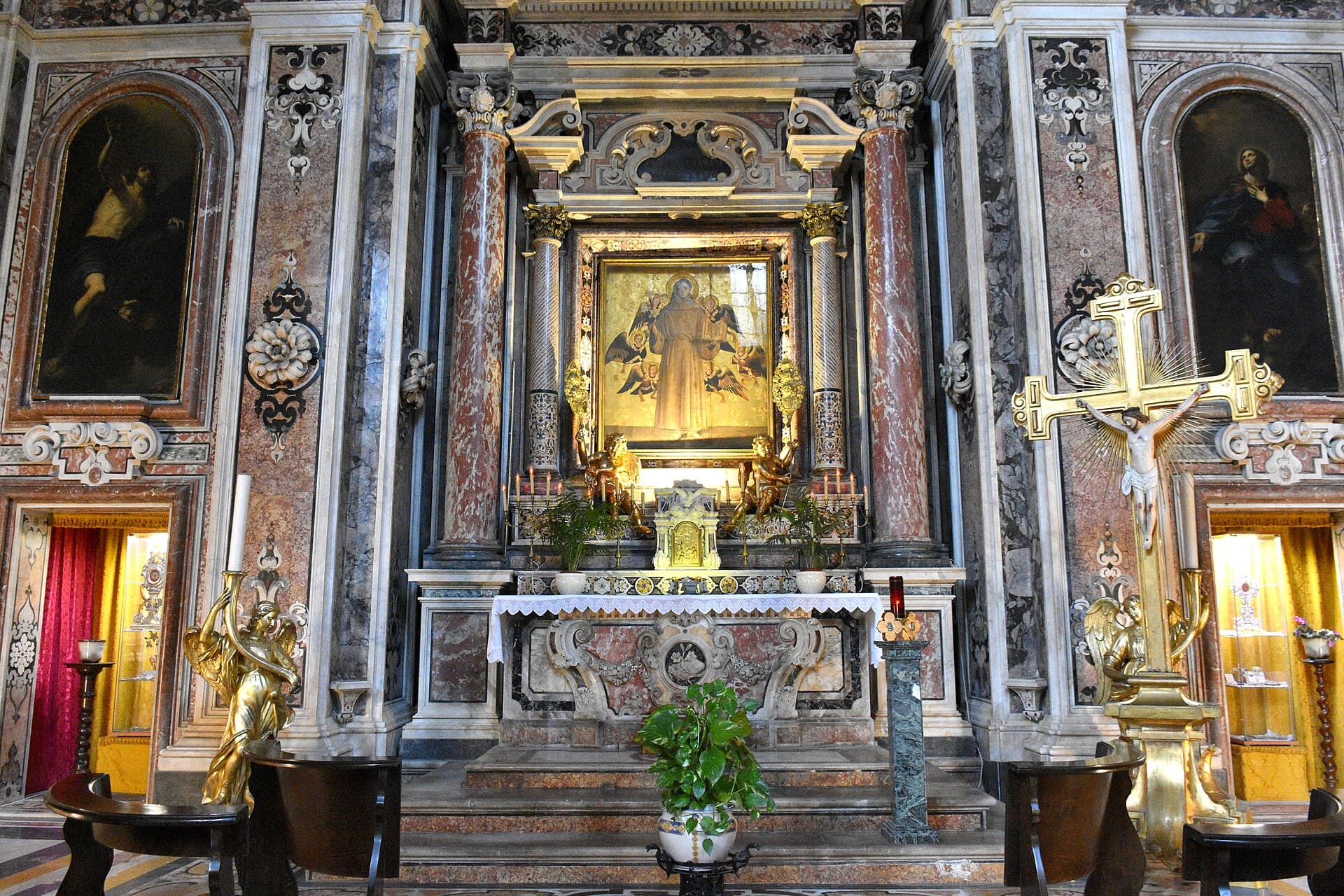 San Lorenzo Maggiore and the Roman MarketA Gothic church over a complete Roman market: San Lorenzo Maggiore on Via dei Tr4 minutes walk4.4
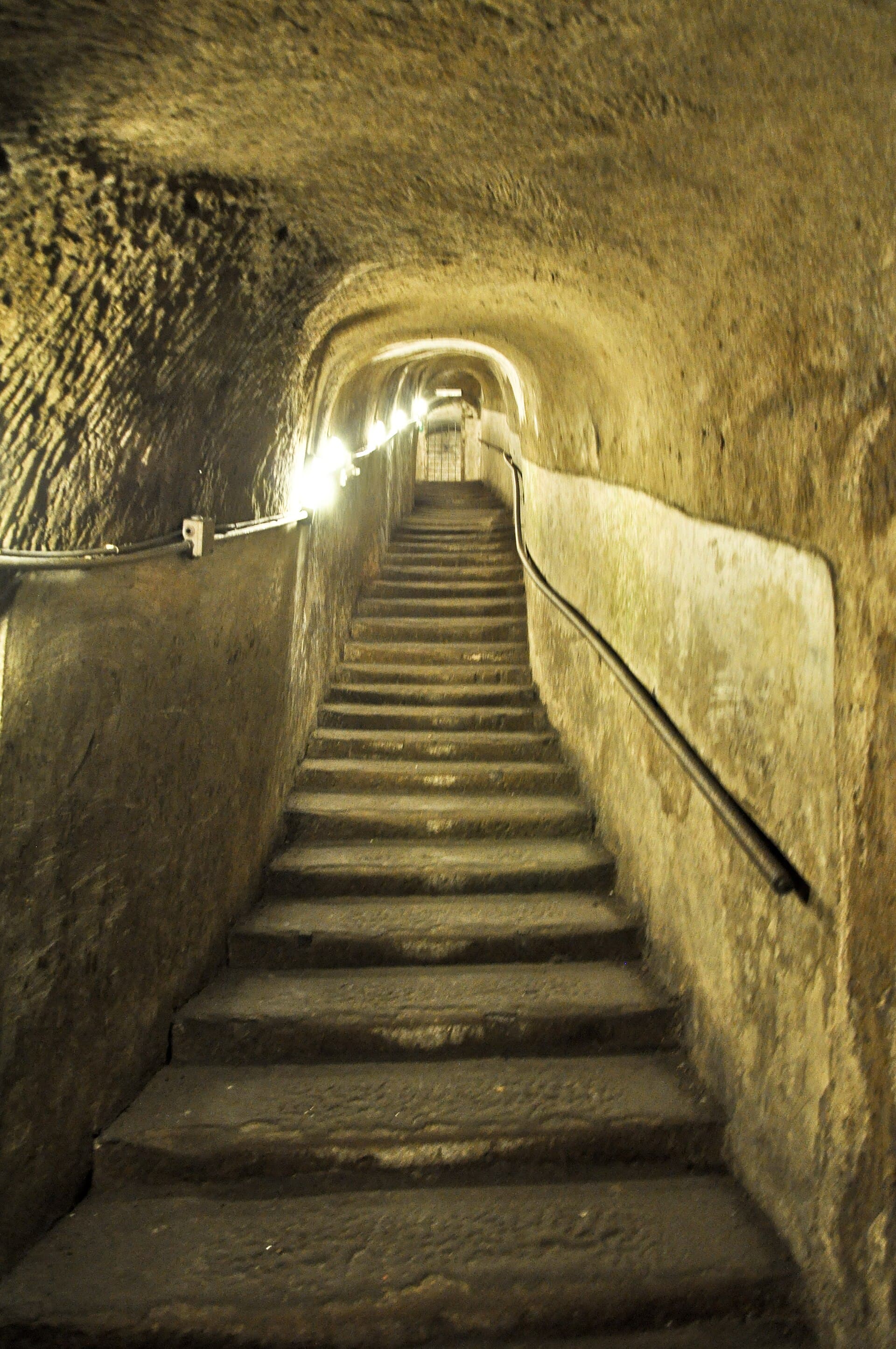 Naples UndergroundBeneath Naples's streets lies a second city: forty metres down runs a labyrinth 5 minutes walk4.6
No. The names are close because both sit in the Donnaregina complex, but MADRE is a contemporary art museum in the adjoining palace with its own ticket, while the Diocesan Museum is medieval and Baroque religious art in the two Donnaregina churches — of which only the Gothic one is currently open. If you came for the Gothic frescoes, this is the one you want.
Honestly, no — less so now that the Baroque church and the museum galleries are shut. On two days, put Cappella Sansevero, the Duomo and the National Archaeological Museum first. But if you are staying four days or more, or you care about medieval wall painting, this is one of the best hours in the city — and at a fraction of the price of the headline sights.