
A hand raised at the volcano
The saint's figure above points at Vesuvius in a stopping gesture.
Berthold Werner — CC BY-SA 3.0 · This Photo was taken by Wolfgang Moroder. Feel free to use my photos, but please mention me as the author and send me a message. This image is not in the public domain. Please respect the copyright pr — CC BY-SA 3.0 · Unknown authorUnknown author — Public domain · Giuseppe Guida — CC BY-SA 3.0
A baroque obelisk before Naples cathedral, raised in the seventeenth century in thanksgiving to Saint Januarius — San Gennaro — the city's patron. The immediate cause was the eruption of Vesuvius in 1631, among its most violent in recorded history, which killed thousands. Neapolitans believed the saint's intercession stopped the lava before it reached the city, and raised the obelisk in fulfilment of a vow. This pattern recurs in Naples: the city has lived on the flank of an active volcano for three thousand years, and its relationship with it runs through the saint. The bronze figure of San Gennaro atop the obelisk raises his hand towards Vesuvius in a gesture of stopping. The saint himself was executed around 305, and his blood is kept in two ampoules in the cathedral. Three times a year it is brought out and expected to liquefy — an occasion that fills the cathedral, and a failure to liquefy is taken as an omen of misfortune. A public square, free to see.
The saint's figure above points at Vesuvius in a stopping gesture.
Two ampoules in the cathedral brought out three times a year.
The city's relationship with Vesuvius runs through the saint.
Piazza Sisto Riario Sforza, near the cathedral
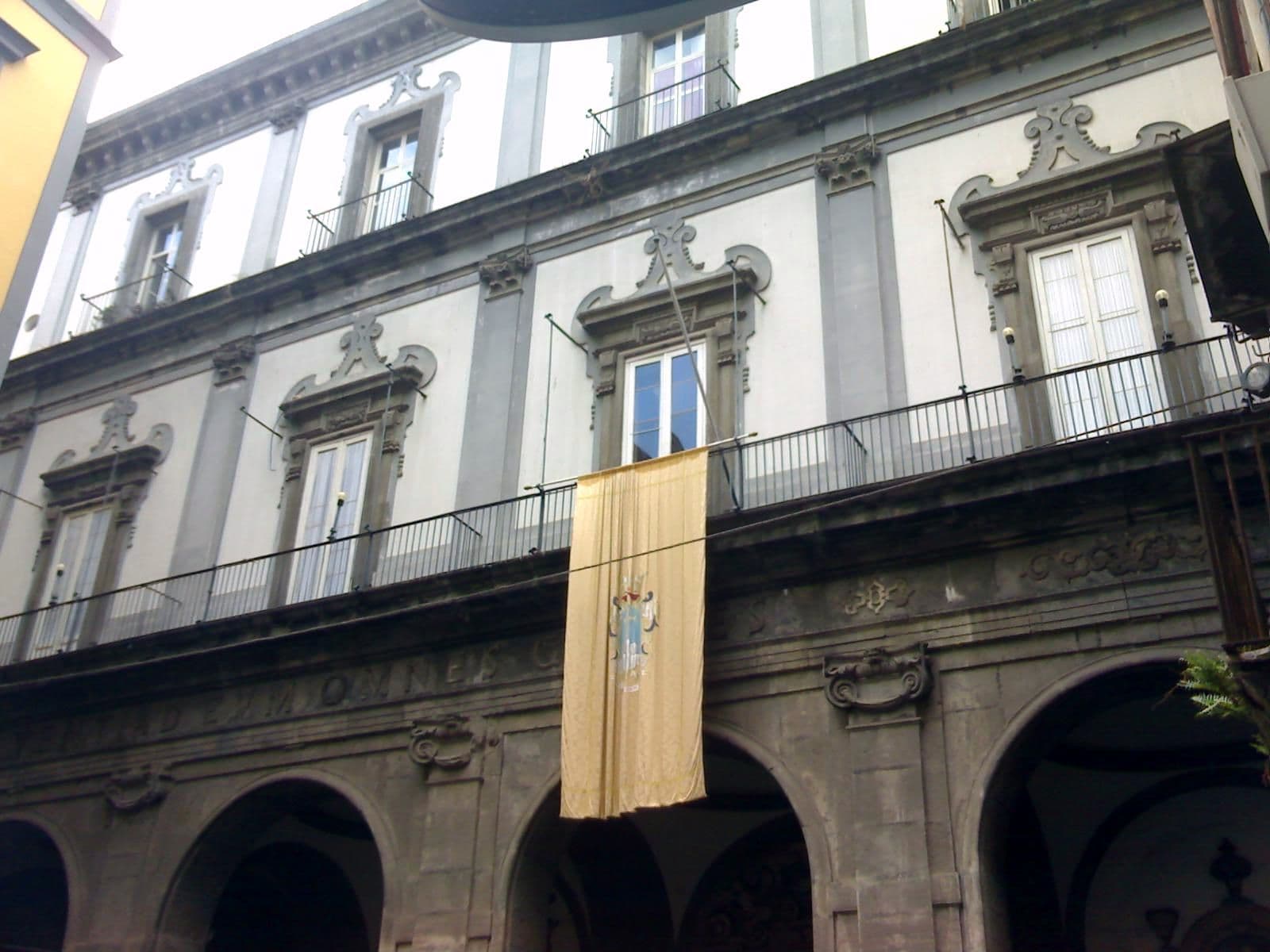 Pio Monte della MisericordiaA Caravaggio in the place it was painted for: the Pio Monte charity was founded 1 minute walk4.7
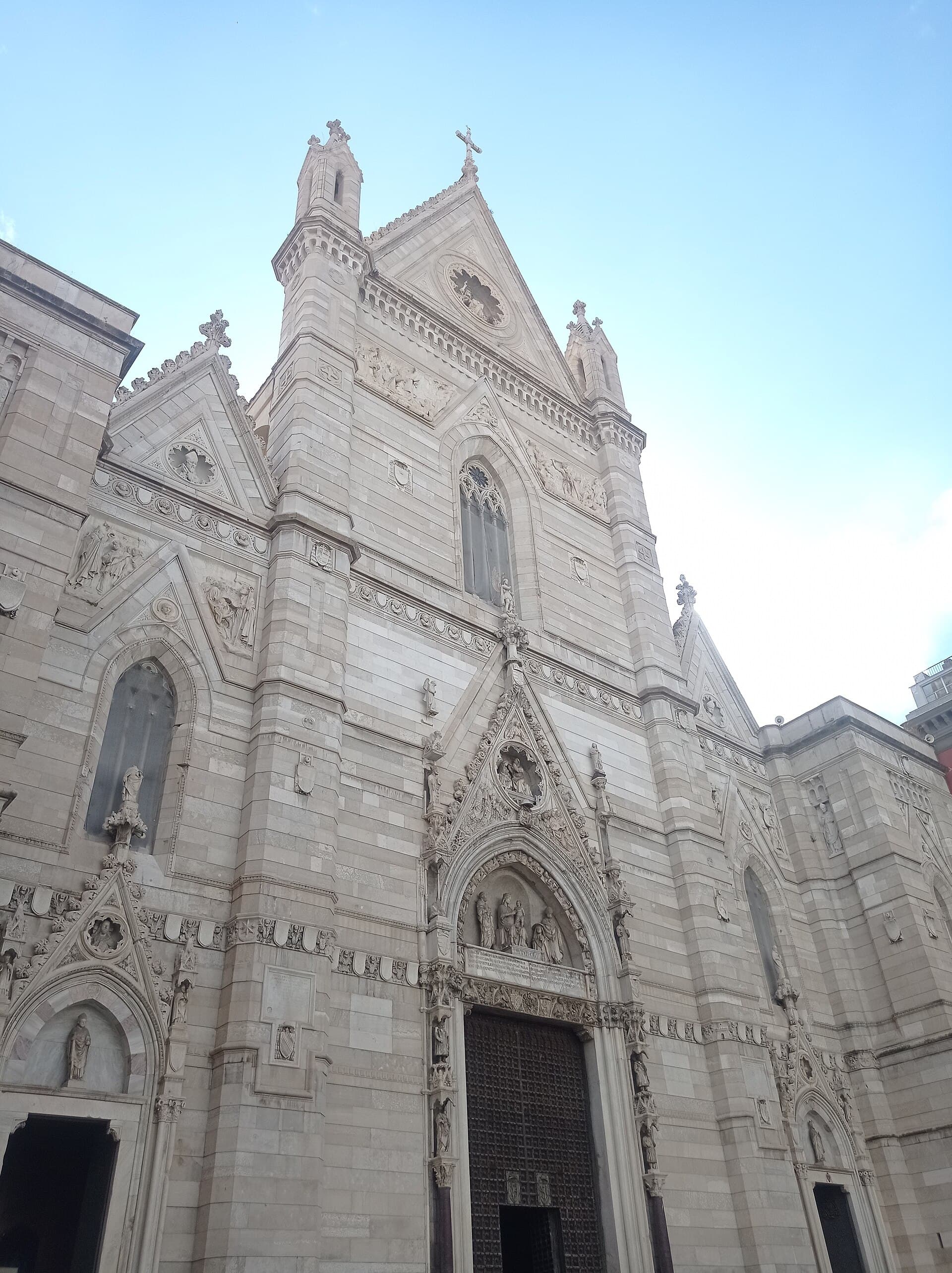 Naples CathedralNaples Cathedral is the house of San Gennaro — the city's patron, centre of Chri1 minute walk4.8
 San Lorenzo Maggiore and the Roman MarketA Gothic church over a complete Roman market: San Lorenzo Maggiore on Via dei Tr3 minutes walk4.4
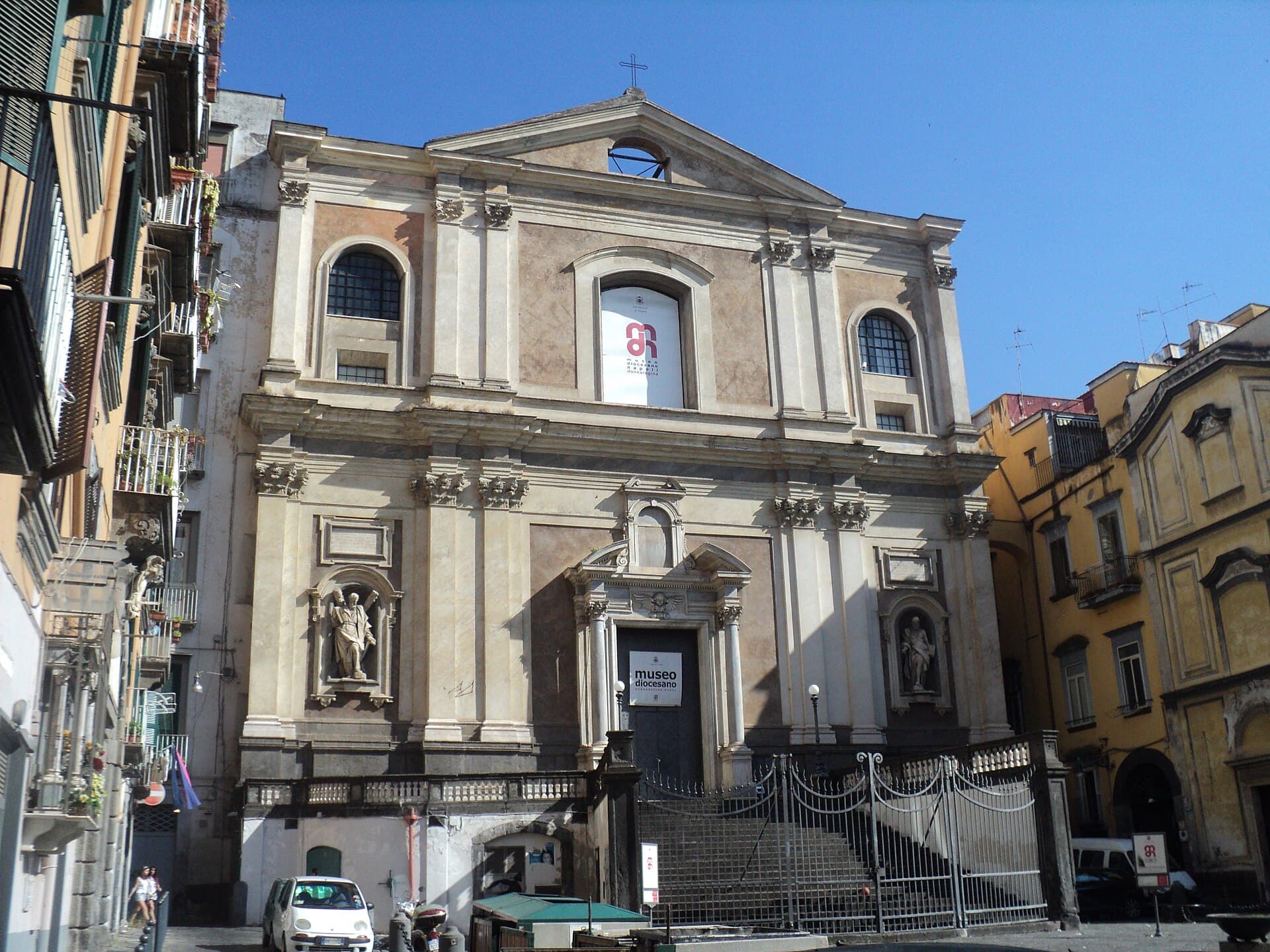 Donnaregina Complex - Diocesan Museum of NaplesBarely five minutes behind the Duomo, past the queue for the chapel of San Genna3 minutes walk4.8
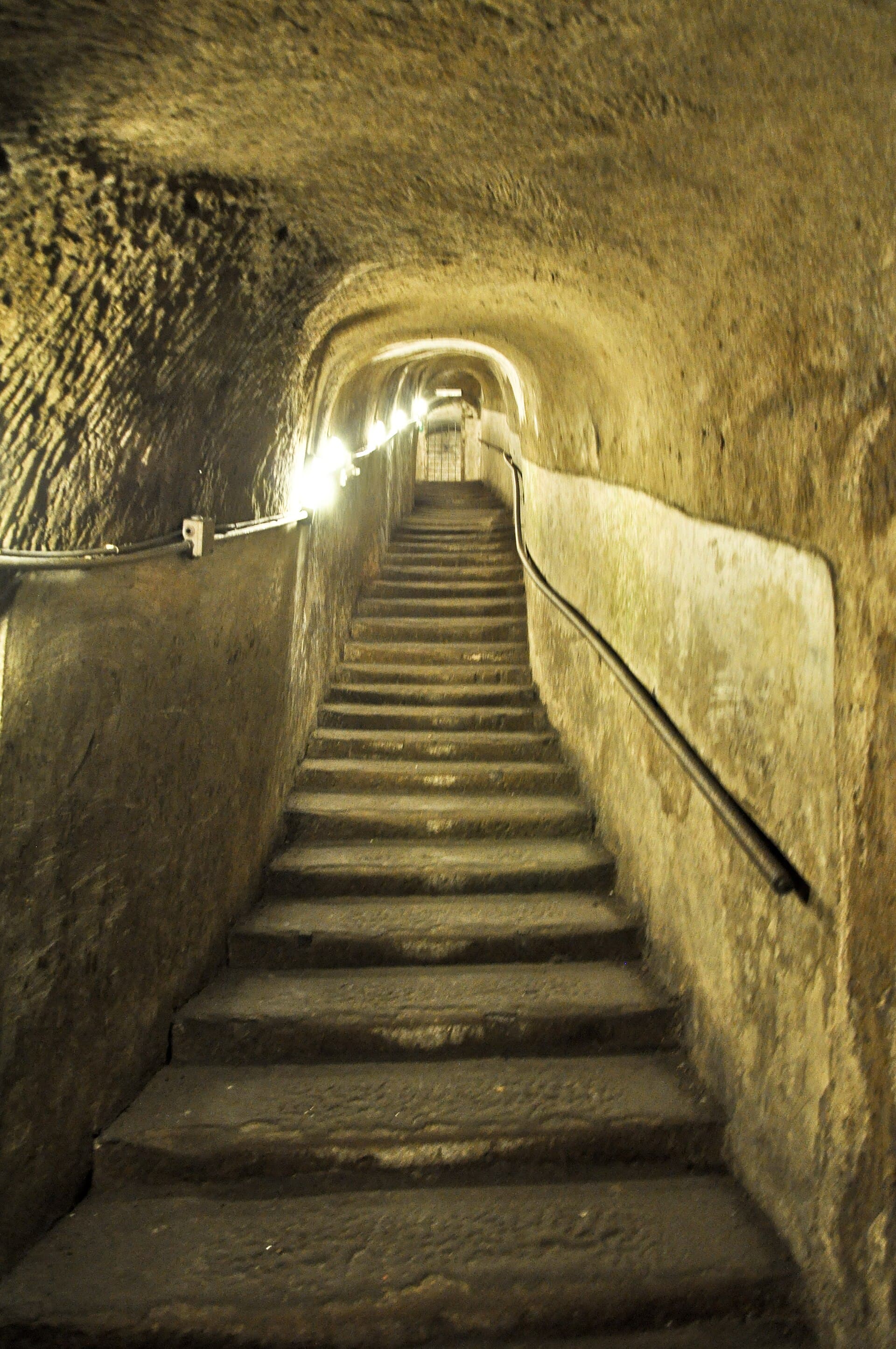 Naples UndergroundBeneath Naples's streets lies a second city: forty metres down runs a labyrinth 3 minutes walk4.6
What is believed to be the saint's blood is kept solidified in two glass ampoules, and three annual occasions — in May, September and December — bring it out before the public in expectation that it will turn liquid. When it does, the bells ring and the congregation cheers. The Church does not formally classify it as a miracle and leaves it to popular devotion. Chemical explanations involving substances that liquefy with movement or heat have been proposed, but the ampoule has never been opened for examination.
Yes, the volcano lies inside a national park and the crater rim can be reached by a relatively short walk from the upper car park — about half an hour uphill on a sloping gravel track. Entry is ticketed and may need booking in season. The paths close in bad weather. From the rim you see the crater and a wide view over the bay of Naples. It is best combined with a visit to Pompeii or Herculaneum.