
The Seven Works of Mercy
Seven scenes in one canvas, in a Naples alley.
IlSistemone — CC BY-SA 3.0 · Niccolò de Simone — CC BY-SA 3.0 · Niccolò de Simone — CC BY-SA 3.0 · This Photo was taken by Wolfgang Moroder. Feel free to use my photos, but please mention me as the author and send me a message. This image is not in the public domain. Please respect the copyright pr — CC BY-SA 3.0
A Caravaggio in the place it was painted for: the Pio Monte charity was founded by seven young Neapolitan noblemen in 1601 to feed the hungry, ransom captives and bury the dead — and it is still working four centuries later, which makes visiting it unlike any museum. On the altar of its octagonal church stands the Seven Works of Mercy, painted by Caravaggio in 1607 during his first months in Naples while fleeing Rome — a single canvas gathering all seven works of mercy into a Naples alley at night with its torches and its poor, counted among his greatest and most complex paintings, and it has never left the spot it was made for. Upstairs the picture gallery holds the institution's own collection (seventeenth-century painting), its archive, and the room where the seven governors still meet — the whole building in the heart of Spaccanapoli on Via dei Tribunali among the churches and lanes.
Seven scenes in one canvas, in a Naples alley.
Where the institution's board has met for four centuries.
Via dei Tribunali 253, Naples
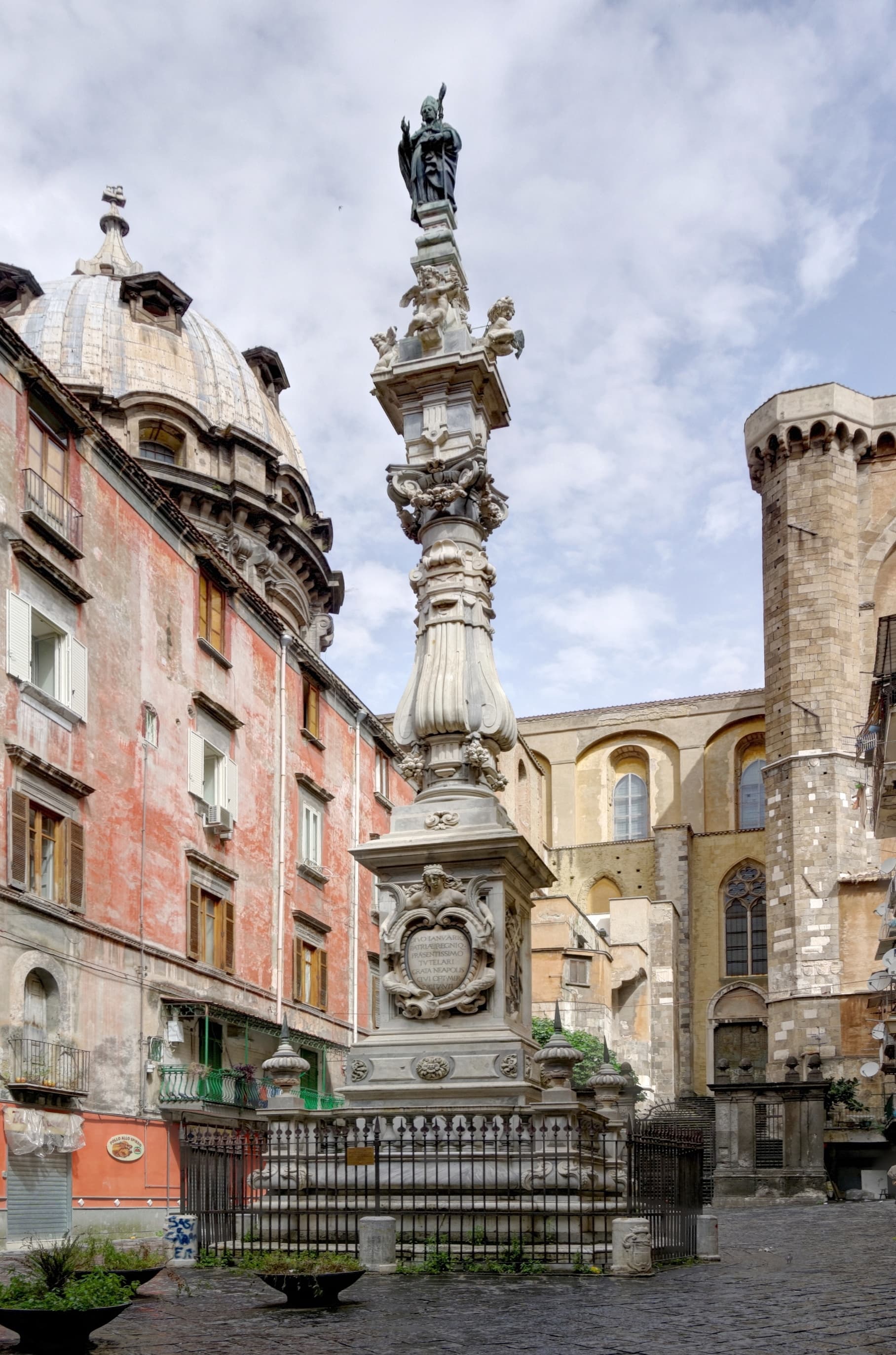 The Obelisk of San GennaroA baroque obelisk before Naples cathedral, raised in the seventeenth century in 1 minute walk4.4
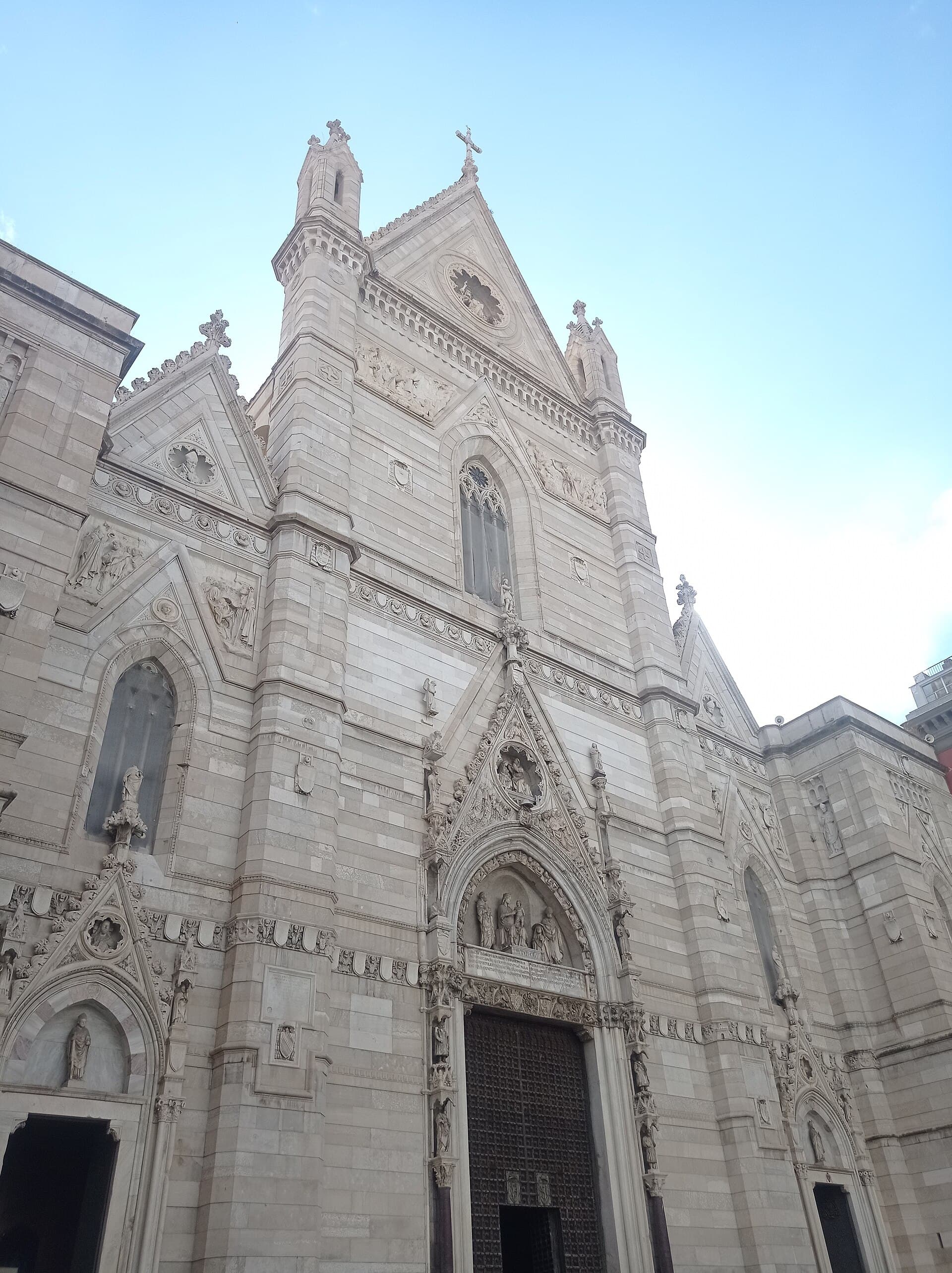 Naples CathedralNaples Cathedral is the house of San Gennaro — the city's patron, centre of Chri1 minute walk4.8
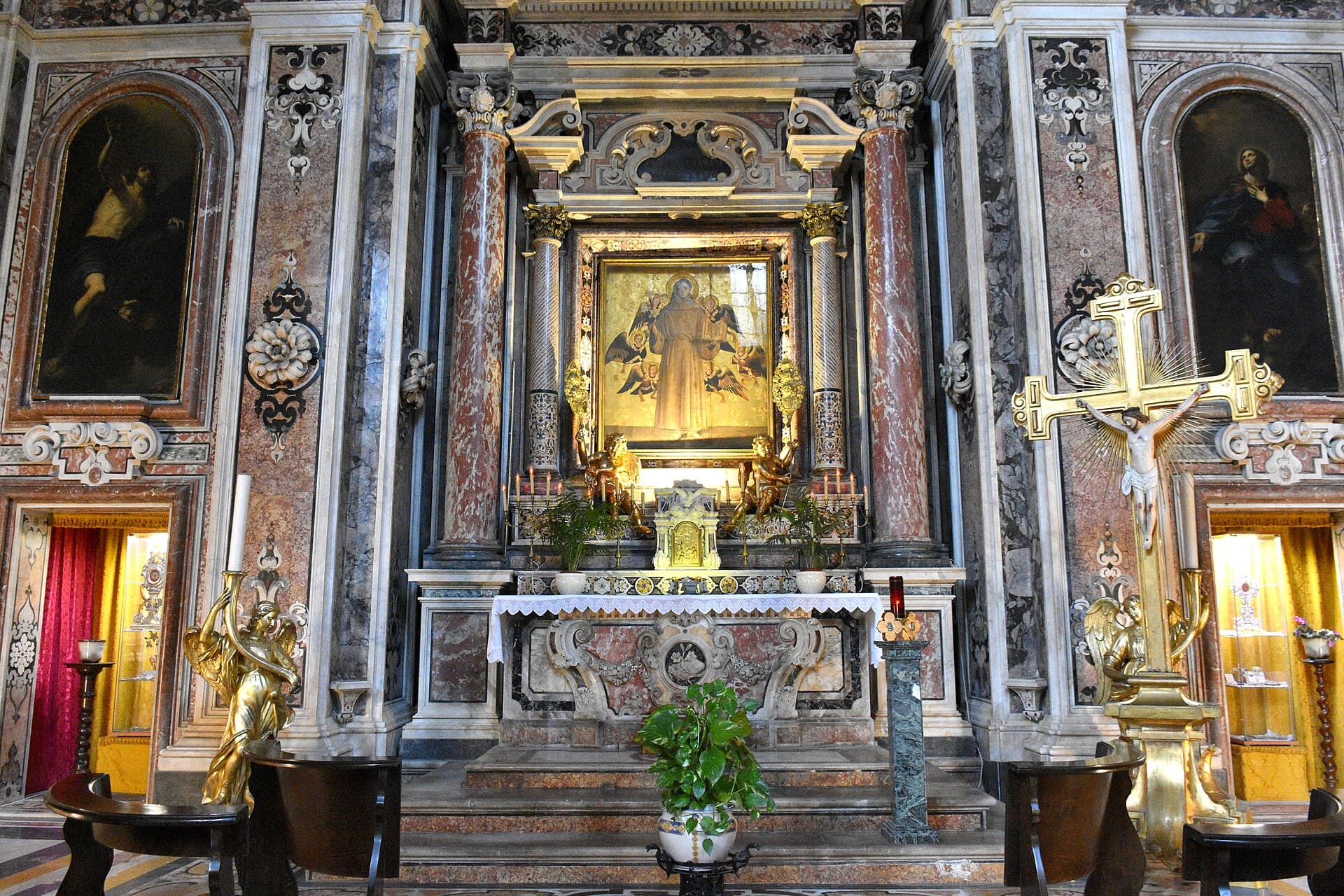 San Lorenzo Maggiore and the Roman MarketA Gothic church over a complete Roman market: San Lorenzo Maggiore on Via dei Tr3 minutes walk4.4
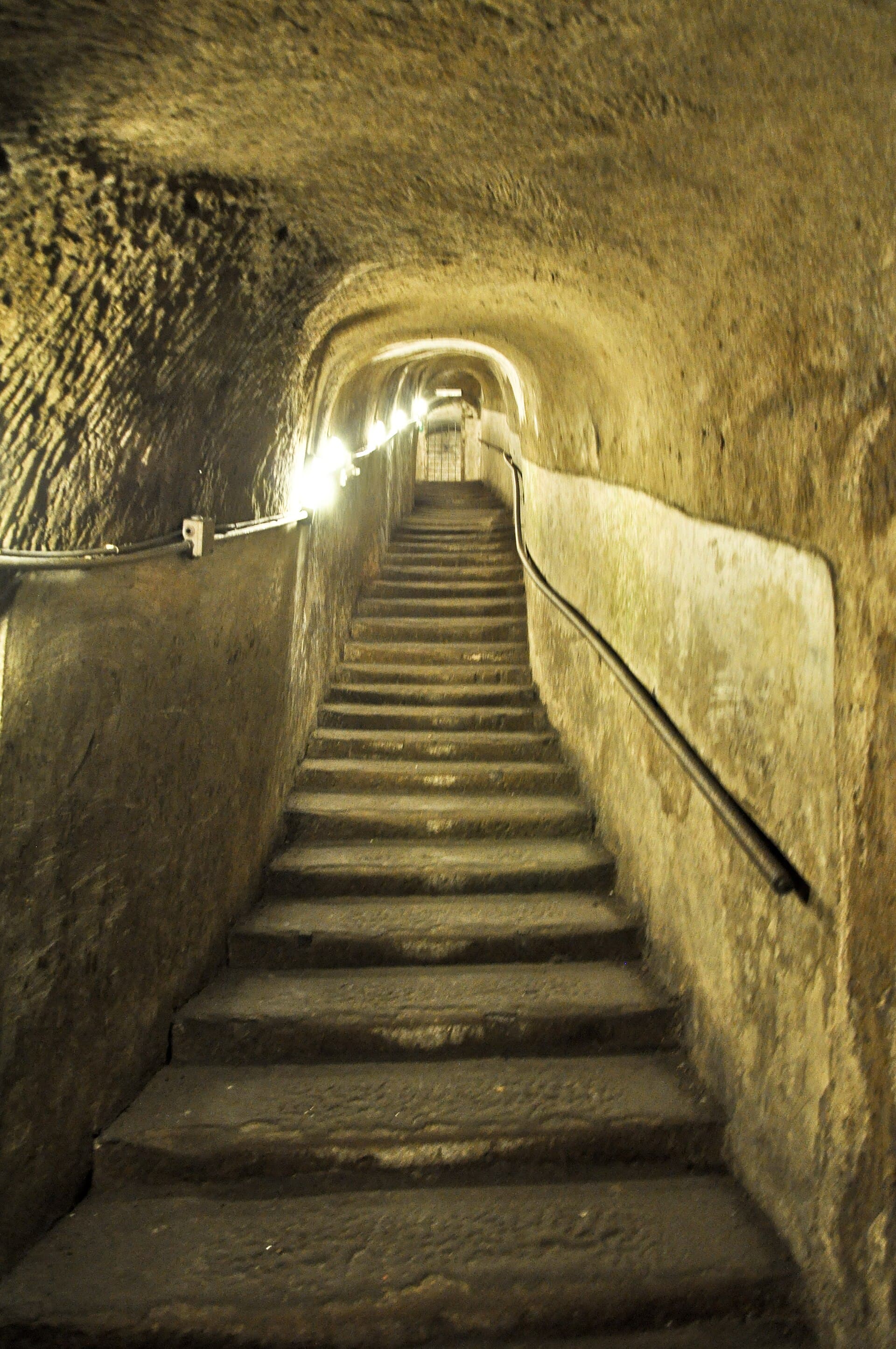 Naples UndergroundBeneath Naples's streets lies a second city: forty metres down runs a labyrinth 3 minutes walk4.6
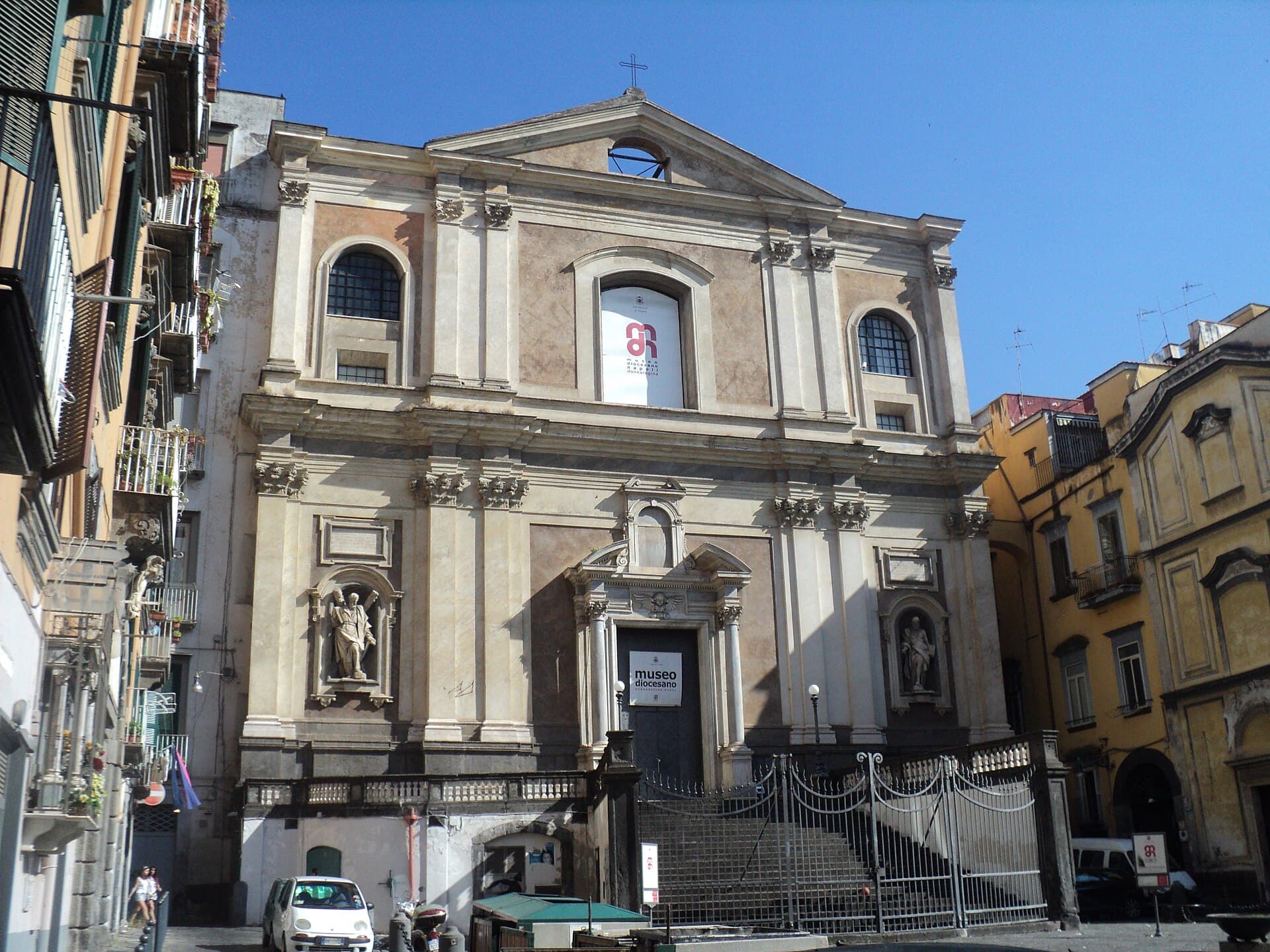 Donnaregina Complex - Diocesan Museum of NaplesBarely five minutes behind the Duomo, past the queue for the chapel of San Genna3 minutes walk4.8
The Flagellation of Christ at Capodimonte and the Martyrdom of Saint Ursula at Gallerie d'Italia in Palazzo Zevallos on Via Toledo — three paintings in three places, visitable in one day.