
The gold vault
The hoard in a secured strongroom, and the reason to come.
Robert Kimle — CC BY-SA 3.0 · ZemplinTemplar — CC BY-SA 4.0 · ZemplinTemplar — CC BY-SA 4.0 · ZemplinTemplar — CC BY-SA 4.0
The oldest museum in Slovakia — founded in **1872** — in a large neo-Renaissance building at the northern end of Hlavná square. The collection is broad: archaeology, natural history, religious art, and the crafts and dress of eastern Slovakia, with a section on the Roma and a complete wooden church moved from a village and reassembled in the yard. But one thing brings people here: **the Košice Gold Treasure**. In **1935** workmen digging in the cellar of a financial building in the city found a copper chest hidden in the wall containing **2,920 gold coins** from eight European countries, along with three medals and a gold chain 214 cm long. The total weight is about **11 kilograms** of gold, and the coins span the fifteenth to seventeenth centuries. It is still not known **who hid it or why** — most likely it was concealed during the Rákóczi rising in the early eighteenth century and its owner never returned. The treasure is displayed in a **secured vault** inside the museum, and it is one of the largest gold coin hoards ever found in Europe.
The hoard in a secured strongroom, and the reason to come.
Moved from a village and reassembled entire in the yard.
The crafts and clothing of eastern Slovakia, and a Roma section.
Námestie Maratónu mieru 2, Košice
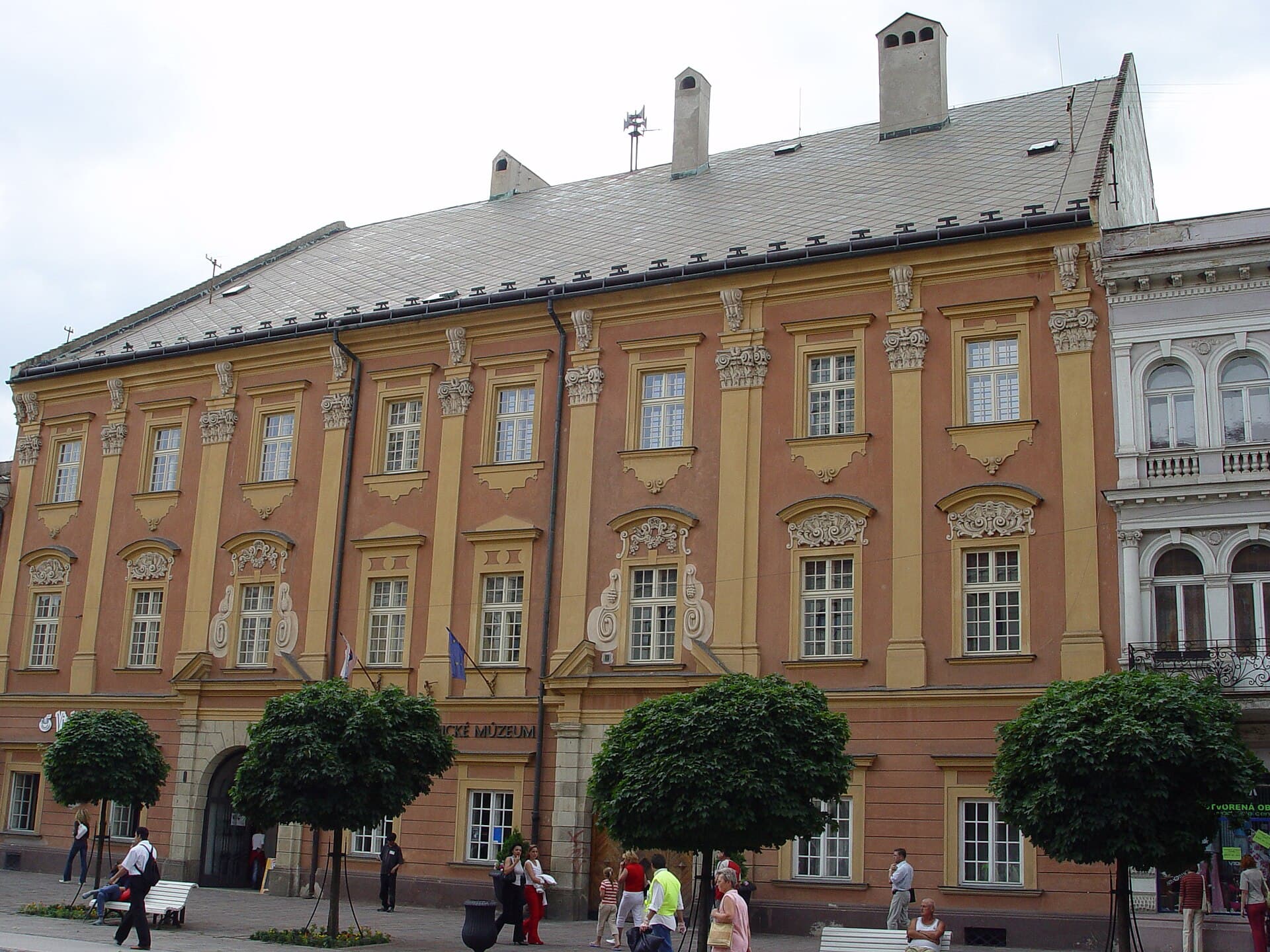 Slovak Technical MuseumSlovakia''s only national technical museum, in an old burgher house on Hlavná sq5 minutes walk4.4
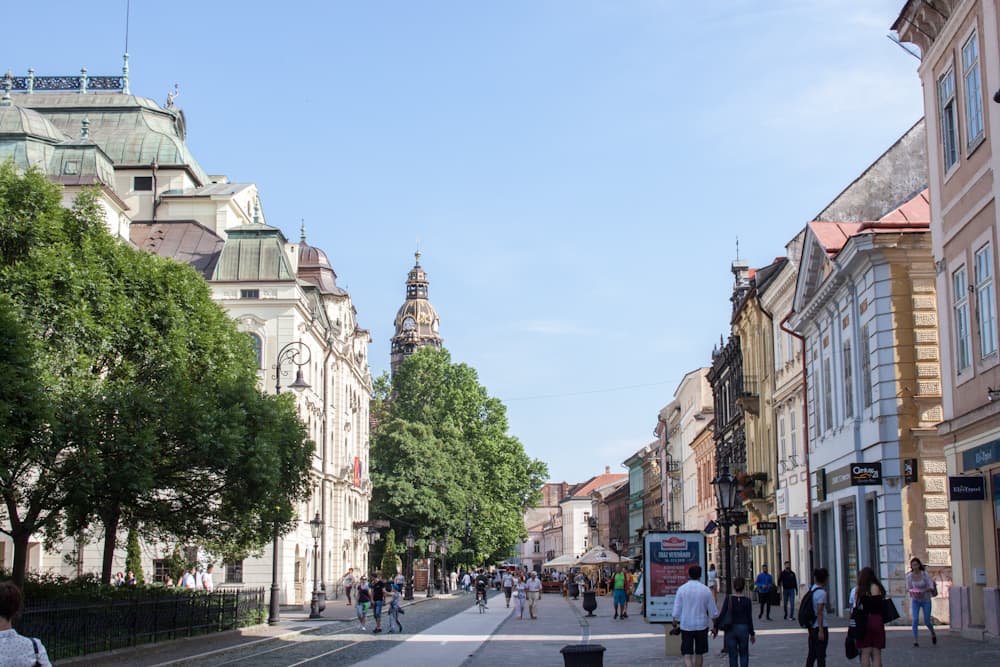 Hlavná StreetKošice''s main street, and in truth a **spindle-shaped square**: it begins narro8 minutes walk
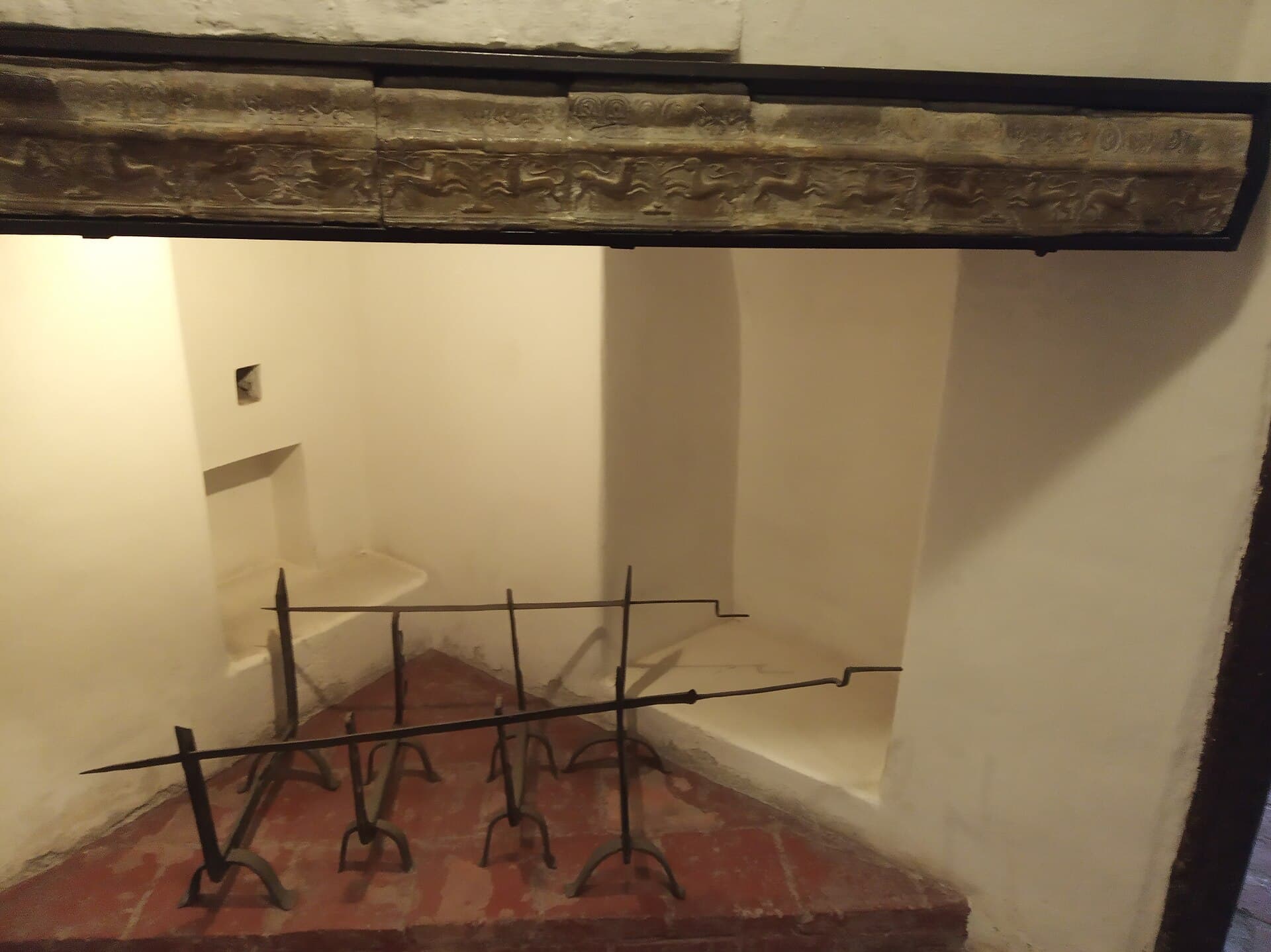 Mikluš PrisonTwo fifteenth-century Gothic houses merged into one building, which served as **9 minutes walk4.7
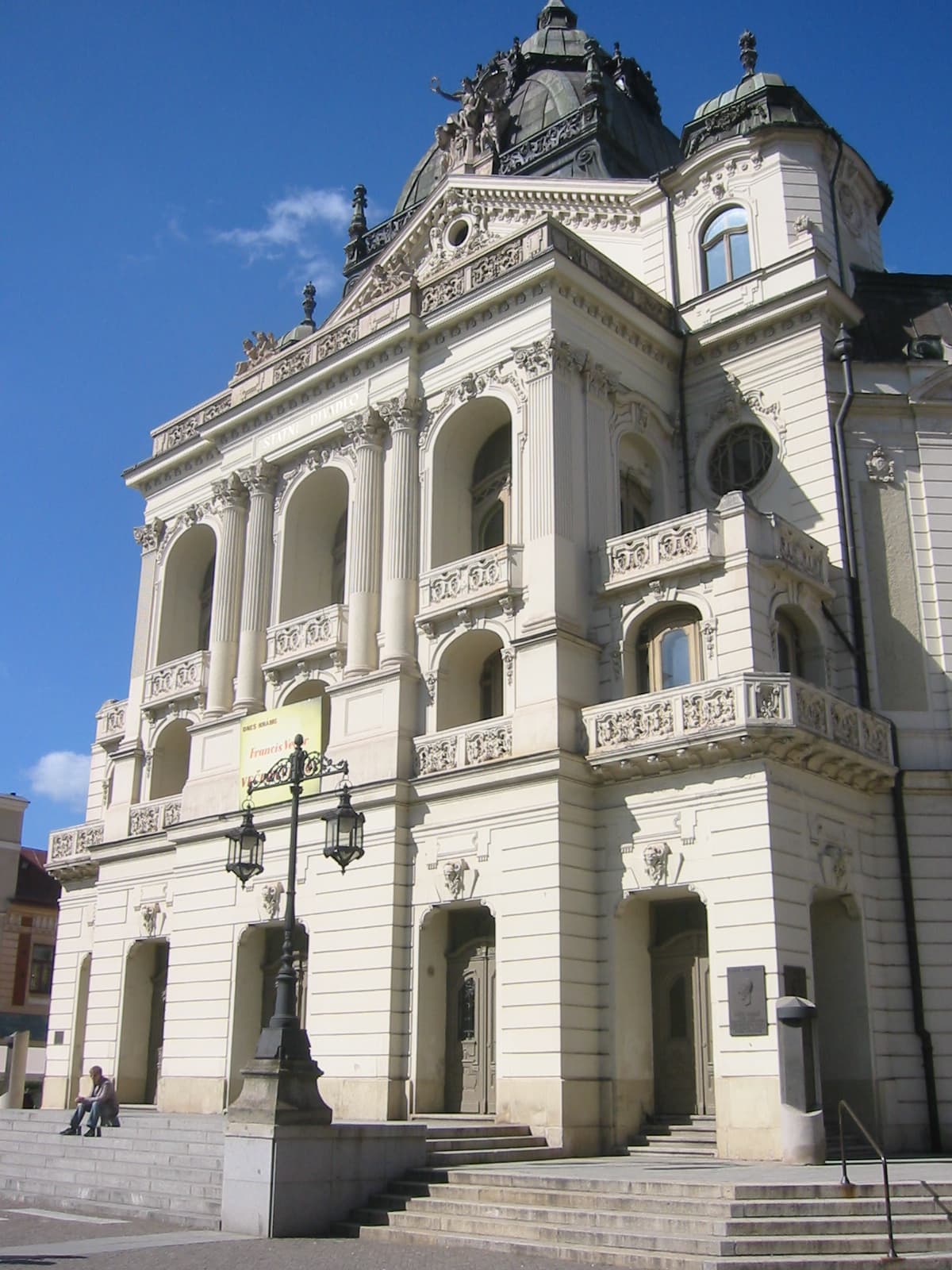 State Theatre KošiceA neo-Renaissance building standing squarely in the middle of Hlavná square, div9 minutes walk4.7
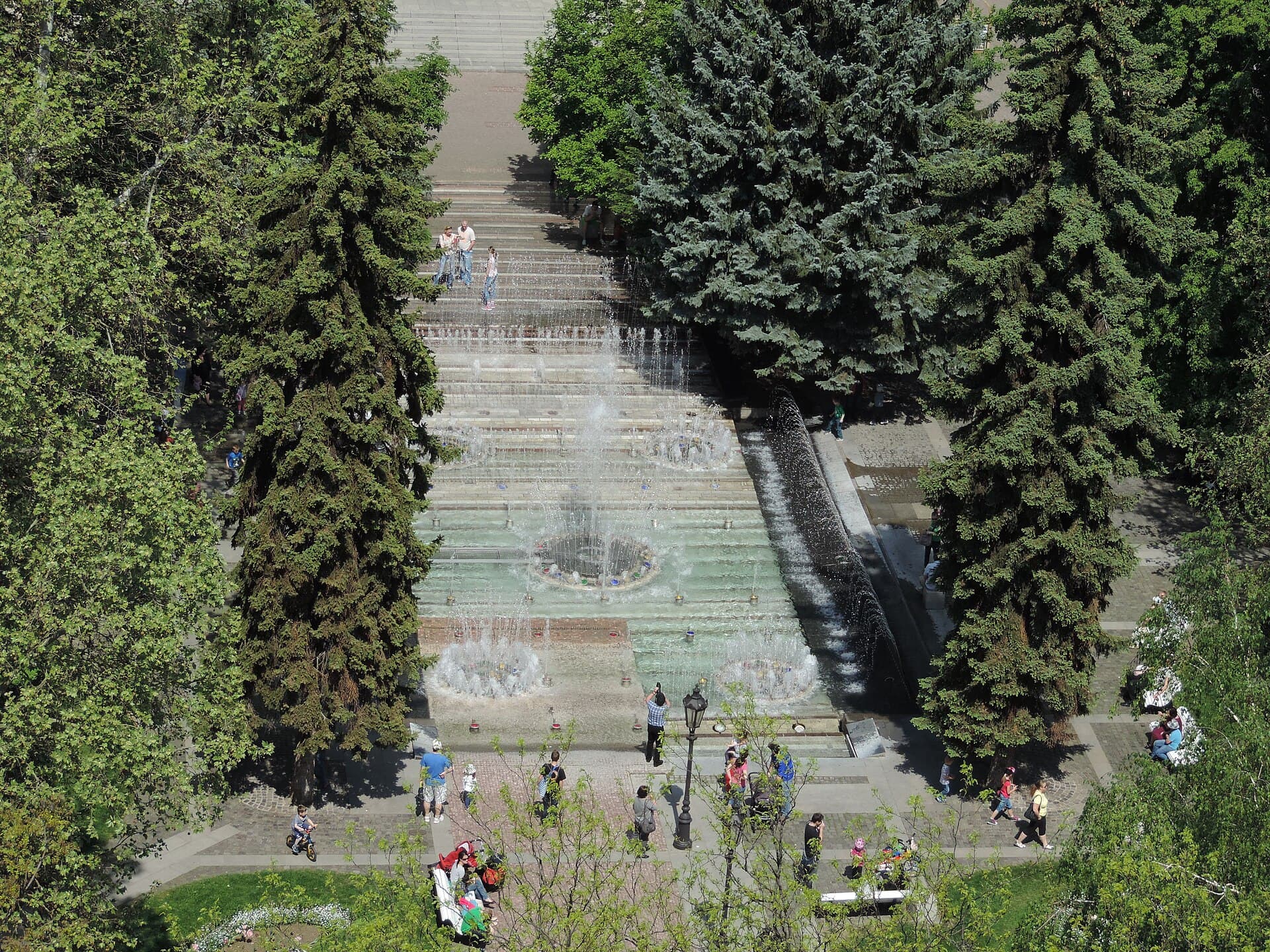 The Singing FountainA fountain in front of the State Theatre whose water moves in time with music, a9 minutes walk4.8
In August **1935** workmen were enlarging the cellar of the **finance building** on Hlavná when a pick struck a wall and opened a cavity holding a **copper chest**. Inside were 2,920 gold coins from eight countries — Hungary, Poland, the Netherlands, Spain and others — three gold medals and a long chain. The find was announced at once and became a national event. ⚠ Then came a strange journey: during the Second World War the treasure was moved to **Budapest** for safety, stayed there for years, and was not returned to Košice until **1967**, after long negotiation. It has been displayed in the museum''s secured vault ever since. ⚠ Its owner is entirely unknown: no document and no name was found, and the likeliest explanation is that a merchant or official hid his money during the upheavals of the early eighteenth century and died before he could recover it.