
Currency as independence
Issuing the kroon in place of the rouble was an act of sovereignty, not finance.
Diego Delso — CC BY-SA 3.0 · Diego Delso — CC BY-SA 3.0 · Ivar Leidus — CC BY-SA 3.0 ee · Diego Delso — CC BY-SA 3.0
The Estonian central bank's museum in central Tallinn, covering the history of money and the economy in Estonia. In this particular case the subject is closer to politics than to money: currency in Estonia is a question of independence. The country regained its independence in 1991 after fifty years of Soviet rule, and one of the new state's first acts was issuing its own currency — the kroon — in place of the rouble. That is a pivotal event in national memory, and the museum tells it. Then came the changeover to the euro in 2011, another chapter shown here. The displays are coins and banknotes across centuries, bullion, printing and minting equipment, and interactive sections on how inflation and a central bank work. Entry is free, which makes it an easy addition in central Tallinn. The museum is small and an hour covers it, its hours follow the working week and it has a weekly closing day — check before going.
Issuing the kroon in place of the rouble was an act of sovereignty, not finance.
The 2011 changeover is another chapter told here.
Practical explanations of inflation and how a central bank works.
Estonia puiestee, central Tallinn
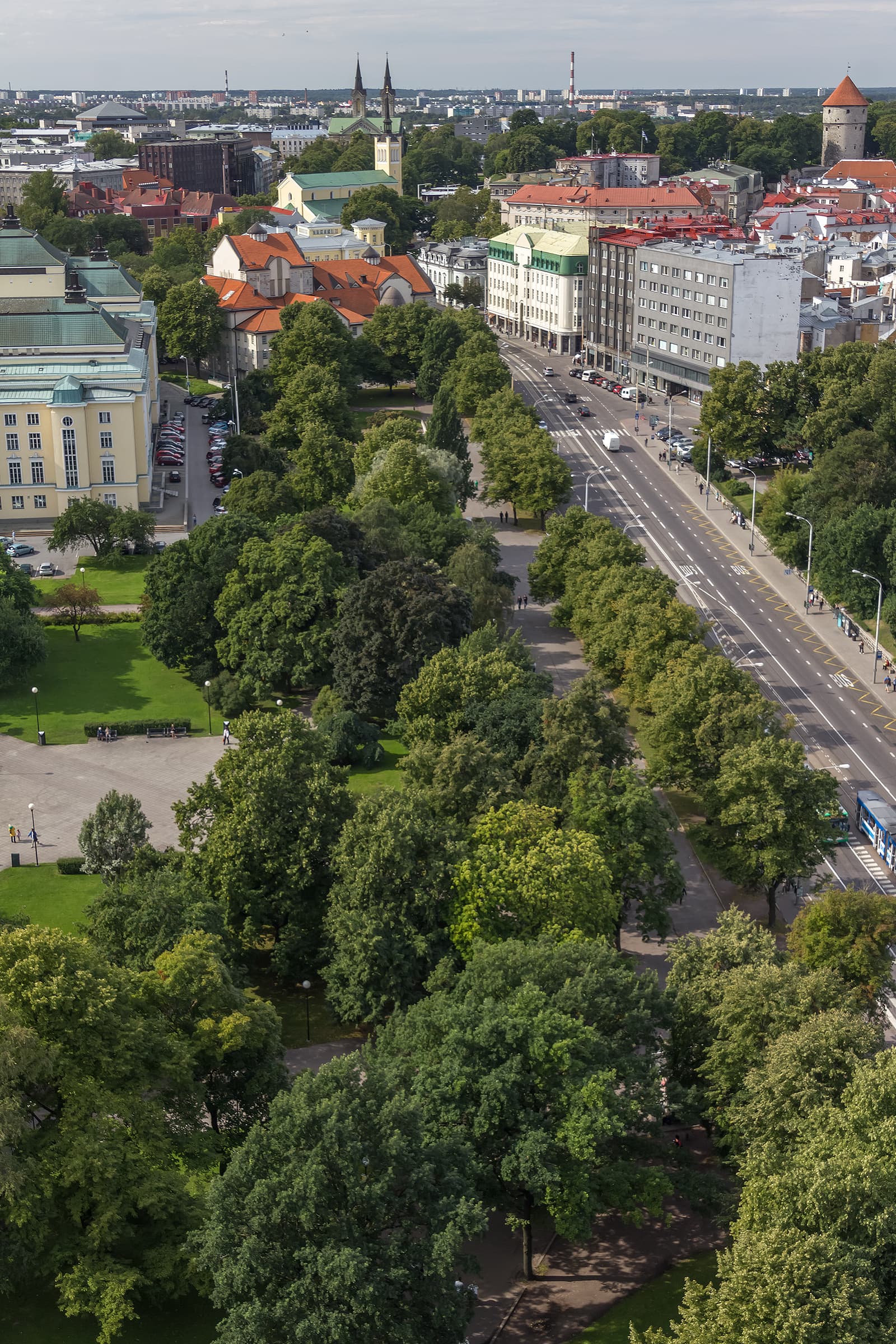 Tammsaare ParkA small public park between the old town and modern central Tallinn, named after4 minutes walk4.7
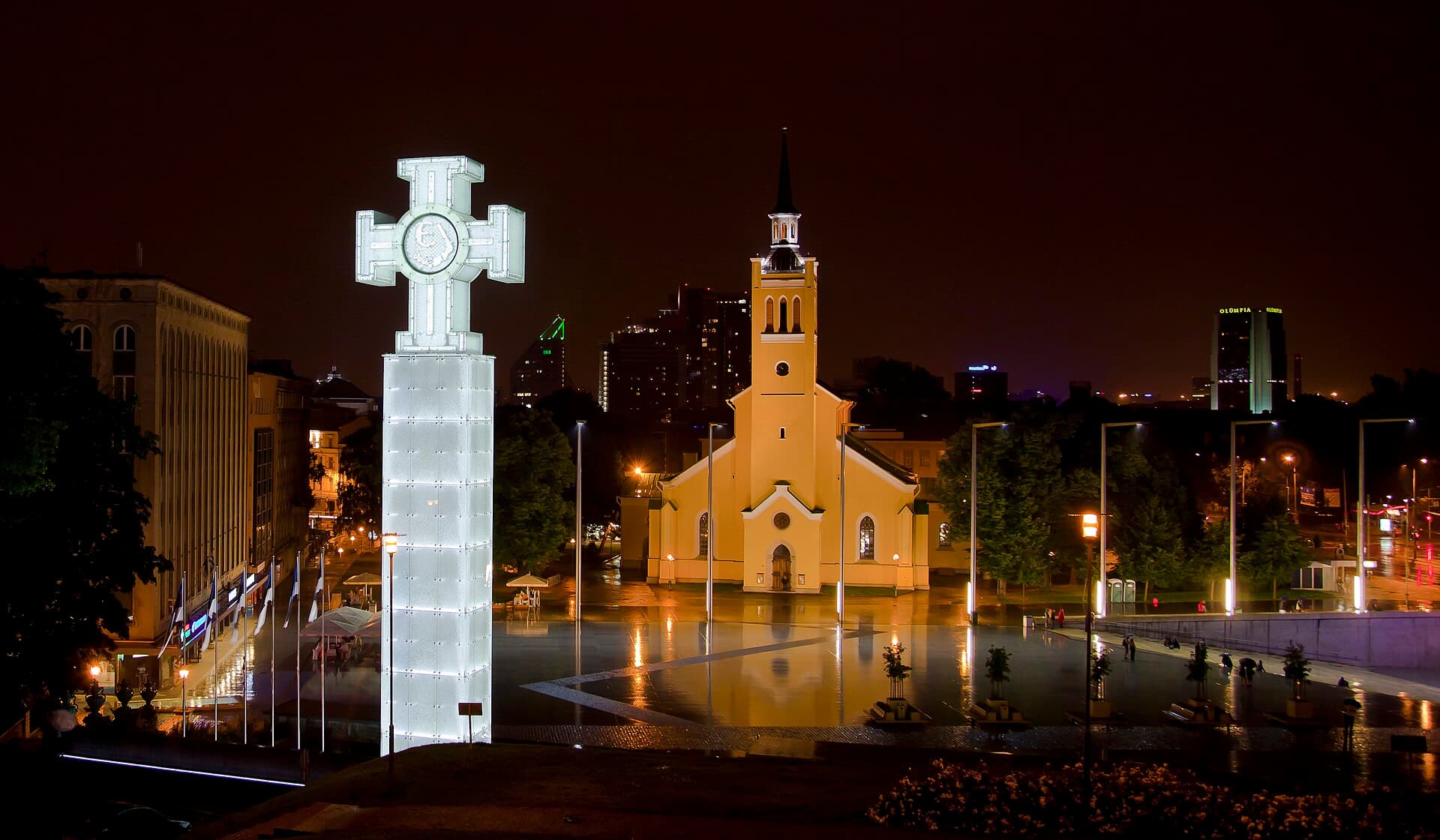 Freedom SquareA large open square at the southern edge of the old town, entirely redesigned in4 minutes walk4.7
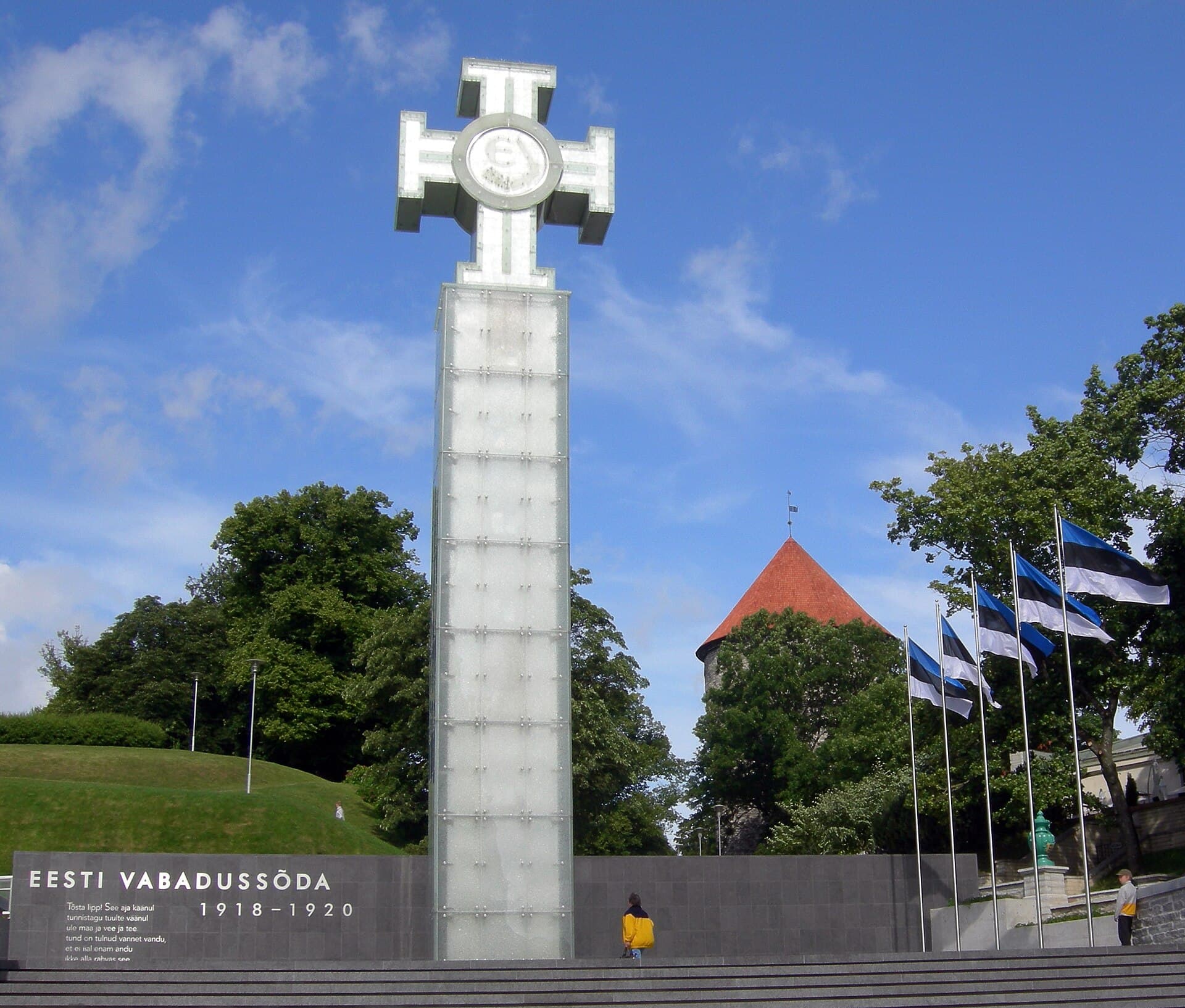 War of Independence Victory ColumnAn illuminated glass column about twenty-three metres high at one end of Freedom5 minutes walk4.3
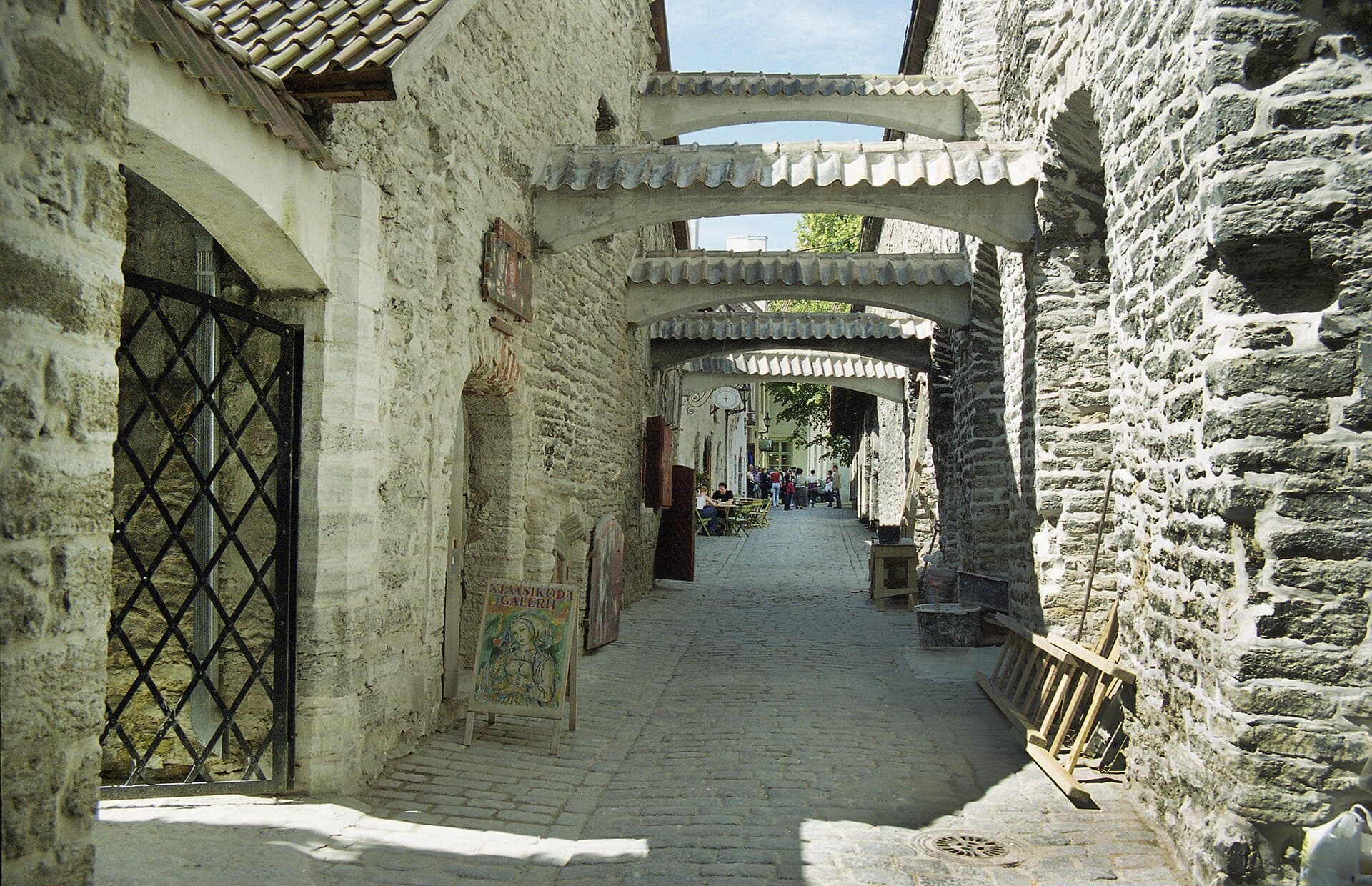 St Catherine's PassageA narrow cobbled lane in Tallinn's old town, spanned by stone buttress arches li6 minutes walk4.7
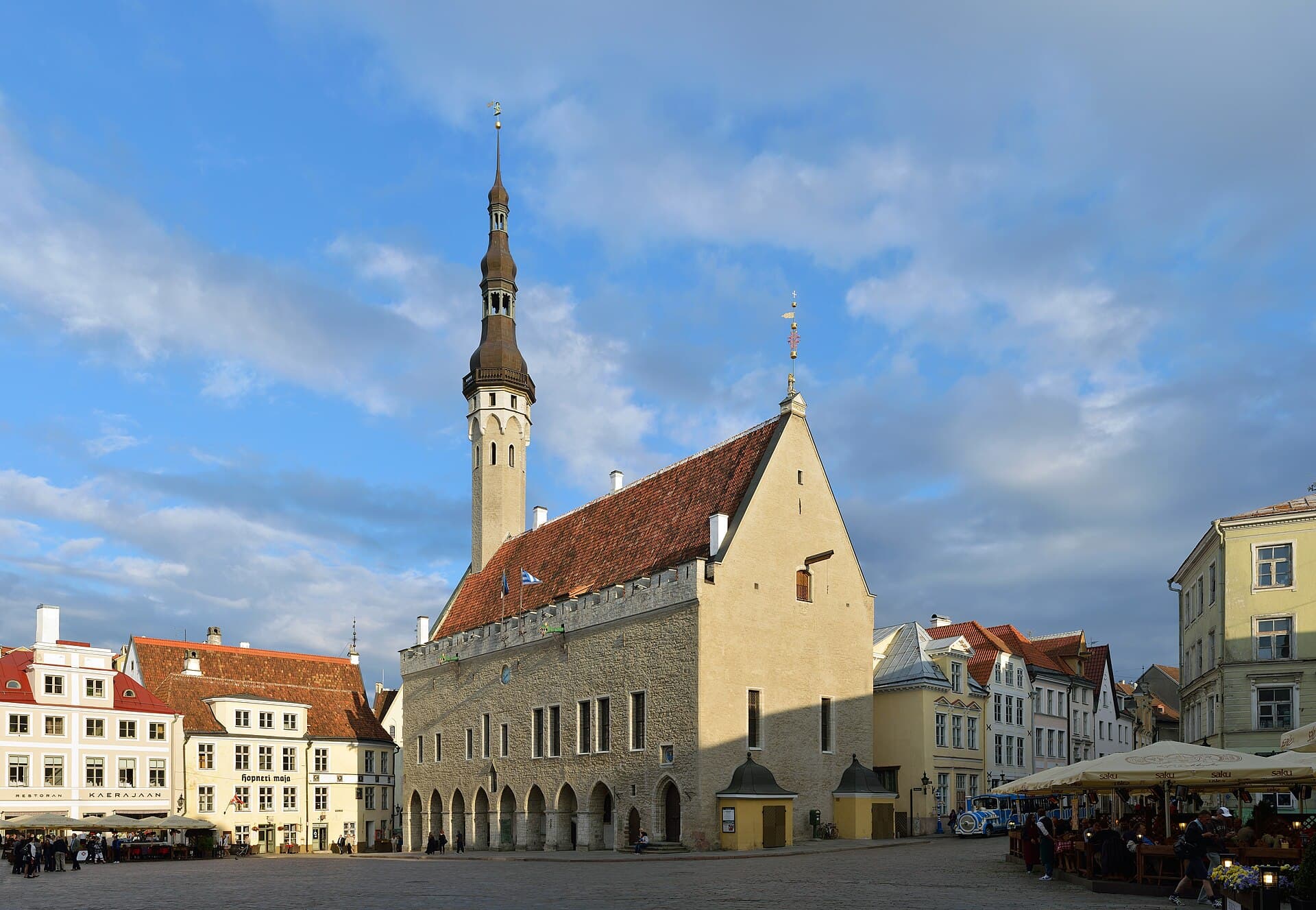 Tallinn Town Hall and SquareNorthern Europe's last surviving Gothic town hall: Tallinn's took its present fo6 minutes walk4.6
Yes as a short free stop, particularly because the story is political rather than financial: how a small country builds independence in practice after fifty years of occupation. That explains modern Estonia better than any monument in the old town does.
The walled old town, among the most complete medieval towns left in northern Europe; Toompea hill with its two viewpoints; the Kumu museum of Estonian art; and the repurposed industrial quarter of Telliskivi. The city is small and two days covers most of it.