
Balkan and east Mediterranean art
A perspective absent from Western European museums.
Jean Ηousen — CC BY-SA 4.0 · Jean Ηousen — CC BY-SA 4.0 · Jean Ηousen — CC BY-SA 4.0 · Jean Housen — CC BY-SA 4.0
Greece's national museum of contemporary art, known by its Greek acronym **EMST**, occupying the old **Fix brewery** on Kallirrois street — a modernist industrial building of the 1960s wholly redesigned as a museum. Its story sums up something about modern Greece: the museum was founded in 2000 but spent years **without a permanent home**, showing in temporary venues, while the building project stalled repeatedly through the economic crisis; it only opened fully and stably in **2020**, twenty years after its founding. The collection concentrates on art from the **1960s to the present**: installation, video, photography, sculpture and new media, with a strong presence of Greek artists and of art from the **Balkans and the eastern Mediterranean** — a perspective you won't find in Western European museums. Its galleries are wide and high-ceilinged, suited to large works, and it has a roof terrace looking towards the Acropolis. ⚠ The temporary exhibitions determine the value of a visit — check them before going.
A perspective absent from Western European museums.
Wide, high industrial galleries for large works.
A café and a view towards the Acropolis.
Kallirrois & Amvrosiou Frantzi, 11743 Athens
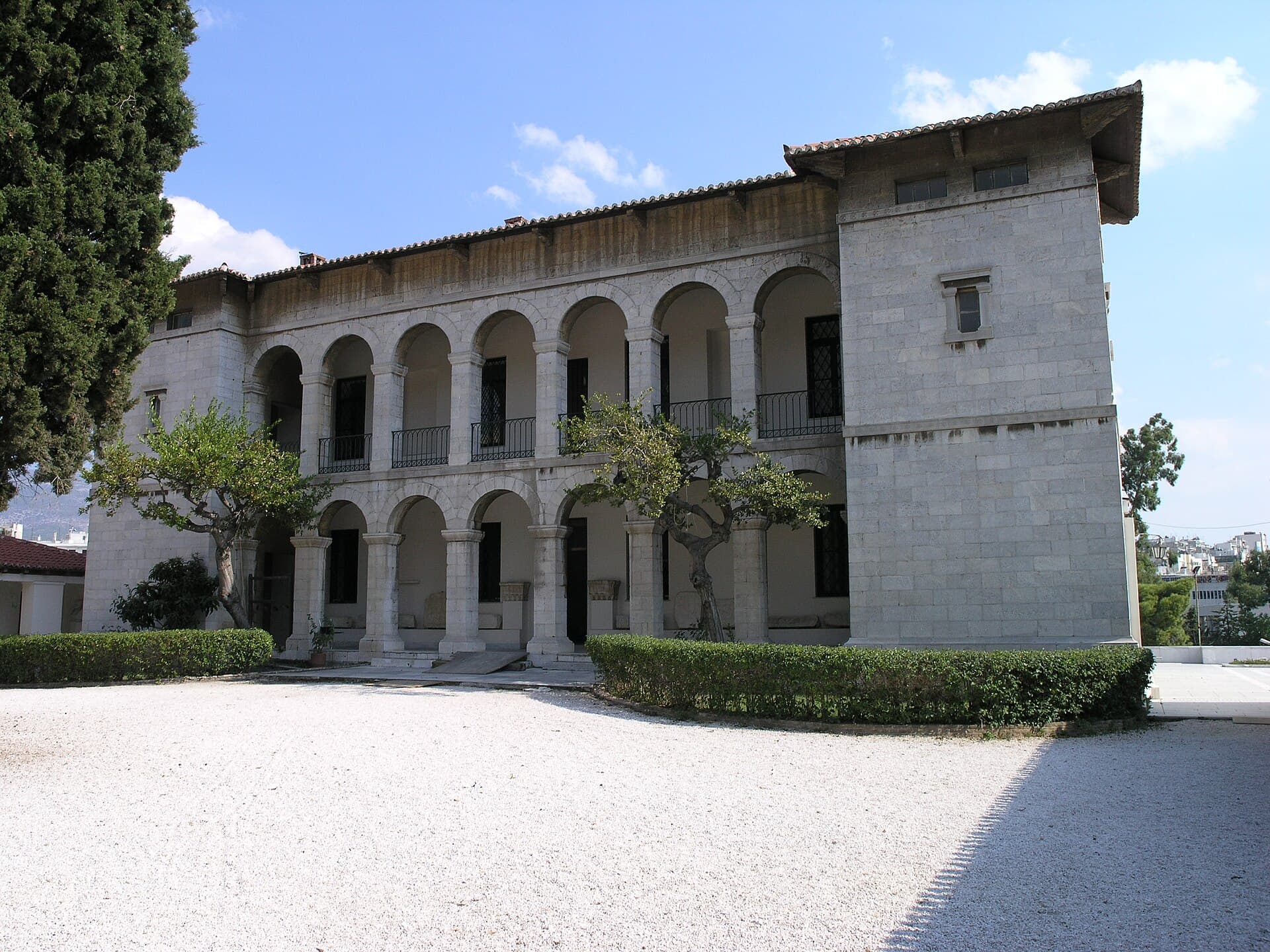 The Byzantine & Christian MuseumThe Byzantine Museum carries the thousand years the antiquities route drops: pag3 minutes walk4.5
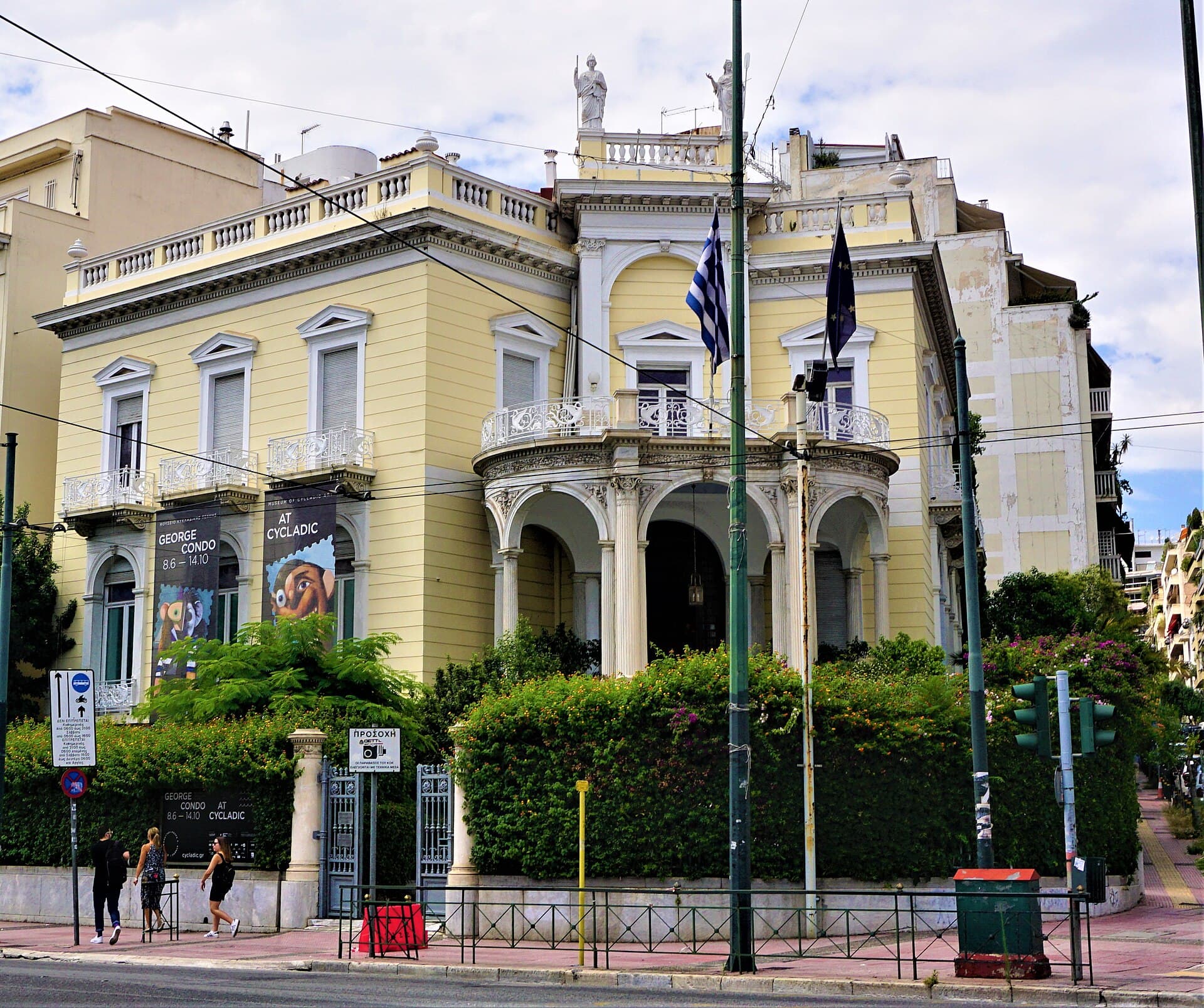 Museum of Cycladic ArtAn elegant private museum in the **Kolonaki** district, holding one of the most 4 minutes walk4.6
 War MuseumGreece's national army museum, in a Brutalist concrete building of the 1970s on 4 minutes walk4.6
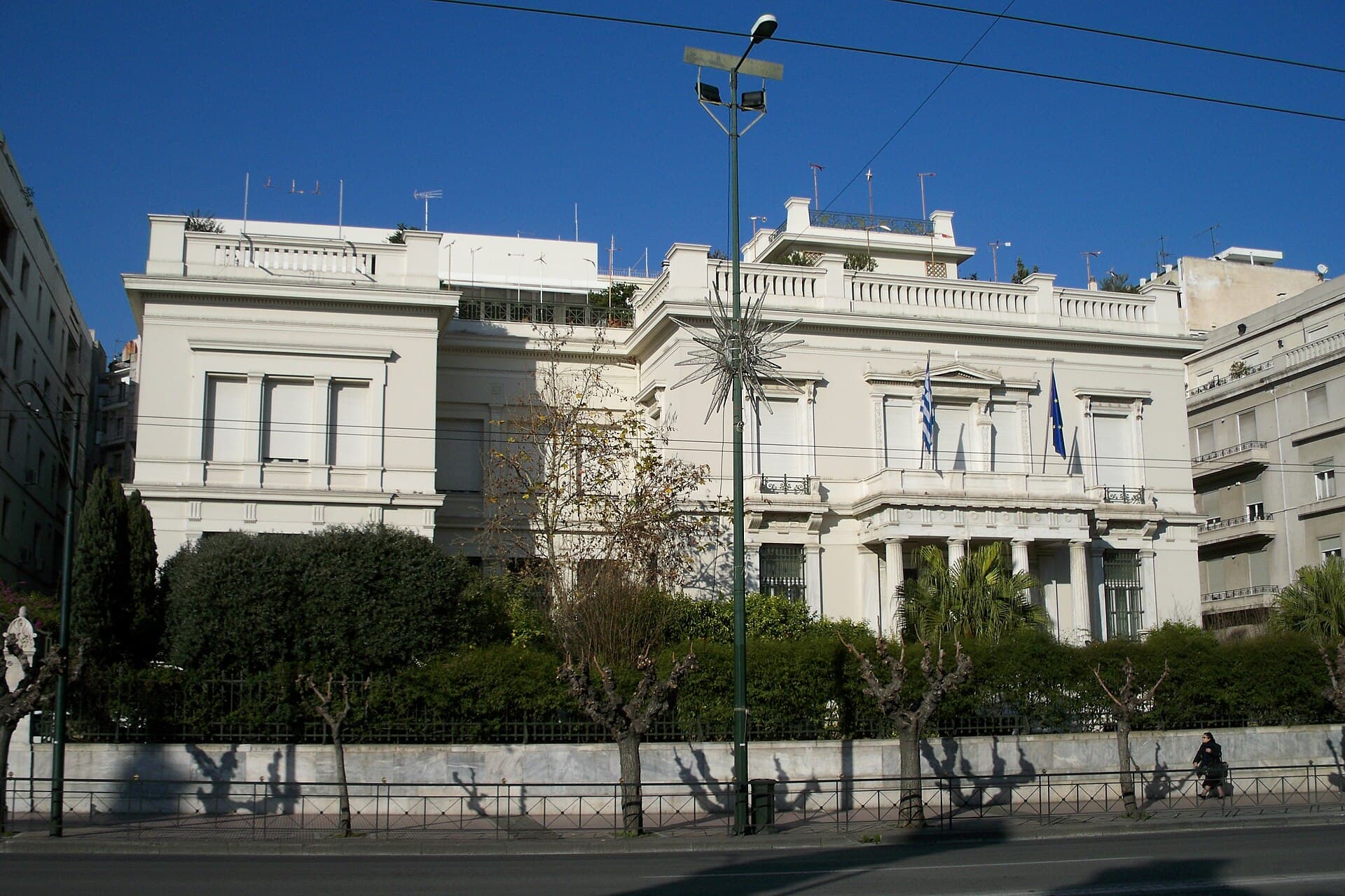 The Benaki Museum of Greek CultureThe Benaki is Greece's only unbroken story: Stone Age pottery to the 1821 indepe5 minutes walk4.6
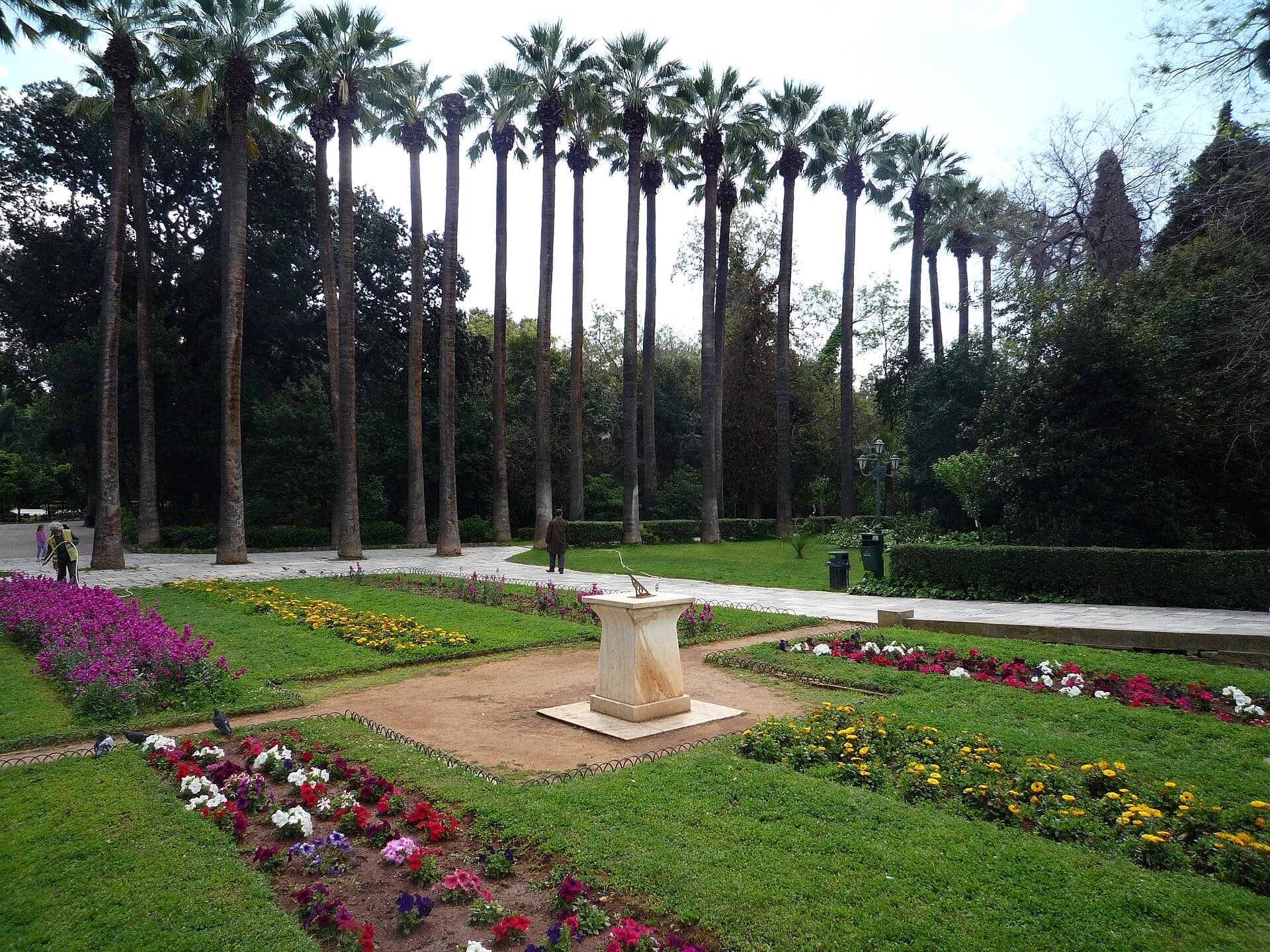 The National Garden & ZappeionThe National Garden is Athens' one shaded lung amid its stone: 15.5 hectares Que5 minutes walk4.5
It depends on your time and your interests — an honest answer. With **two days in Athens**, no: the Acropolis and its museum, the Agora and the National Archaeological Museum come first without competition. With **four days or more**, or if you like contemporary art, yes — because it shows **living Greece**: artists working on the economic crisis, migration, identity and memory, which are this country's questions now. ⚠ And always the condition: **check the current exhibition**, since that rather than the permanent collection determines the value of the visit.
**Fix** was Greece's best-known brewery for over a century, and this was its Athens plant, built by the architect **Takis Zenetos** in the 1960s as a long modernist block on Syngrou avenue. The brewery closed in the 1980s and the building stood derelict; a large part was then demolished to drive the metro line through, which caused controversy because it was a significant work of architecture. What remained was redesigned as the museum — so the building is itself **half lost and half preserved**, a miniature of Athens's fraught relationship with its modern architecture.