
The marble figurines
Hundreds of abstract forms that look entirely modern.
Joyofmuseums — CC BY-SA 4.0 · Jean Housen — CC BY-SA 4.0 · Jean Housen — CC BY-SA 4.0 · Jean Housen — CC BY-SA 4.0
An elegant private museum in the **Kolonaki** district, holding one of the most important collections in Athens though far less known than the National Archaeological Museum. Its main subject is the **Cycladic civilisation** that flourished in the Aegean islands between about 3200 and 2000 BC — that is, **two thousand years before the classical Greeks**, and a little before the great Egyptian pyramids. What that civilisation is best known for are the **marble figurines** you see here by the hundred: flat, elongated human forms with arms folded across the chest and smooth faces bearing no feature but a projecting nose. They are abstracted to a degree that makes them look **entirely modern** — and they genuinely influenced Modigliani, Brâncuși, Henry Moore and Picasso when they came to light in the twentieth century. Nobody knows with certainty why they were made: grave goods? gods? portraits of the dead? The mystery is part of their effect. The museum also holds an ancient Cypriot collection and a section on **everyday life in ancient Greece**, with material explaining marriage, birth, sport and death.
Hundreds of abstract forms that look entirely modern.
A section on Greek marriage, birth, sport and death.
Ancient Cypriot material rarely shown in Athens.
Neophytou Douka 4, 10674 Athens
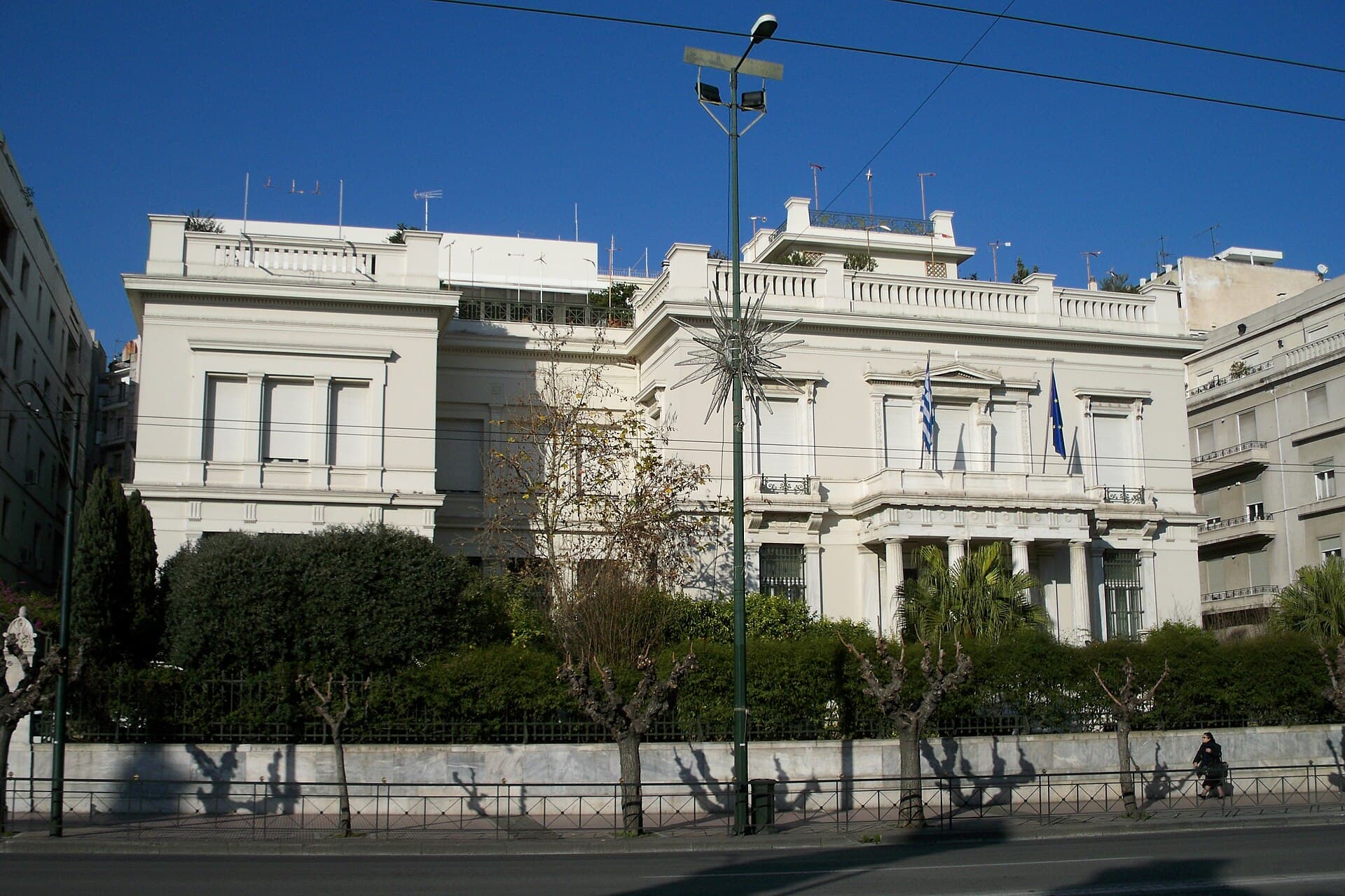 The Benaki Museum of Greek CultureThe Benaki is Greece's only unbroken story: Stone Age pottery to the 1821 indepe2 minutes walk4.6
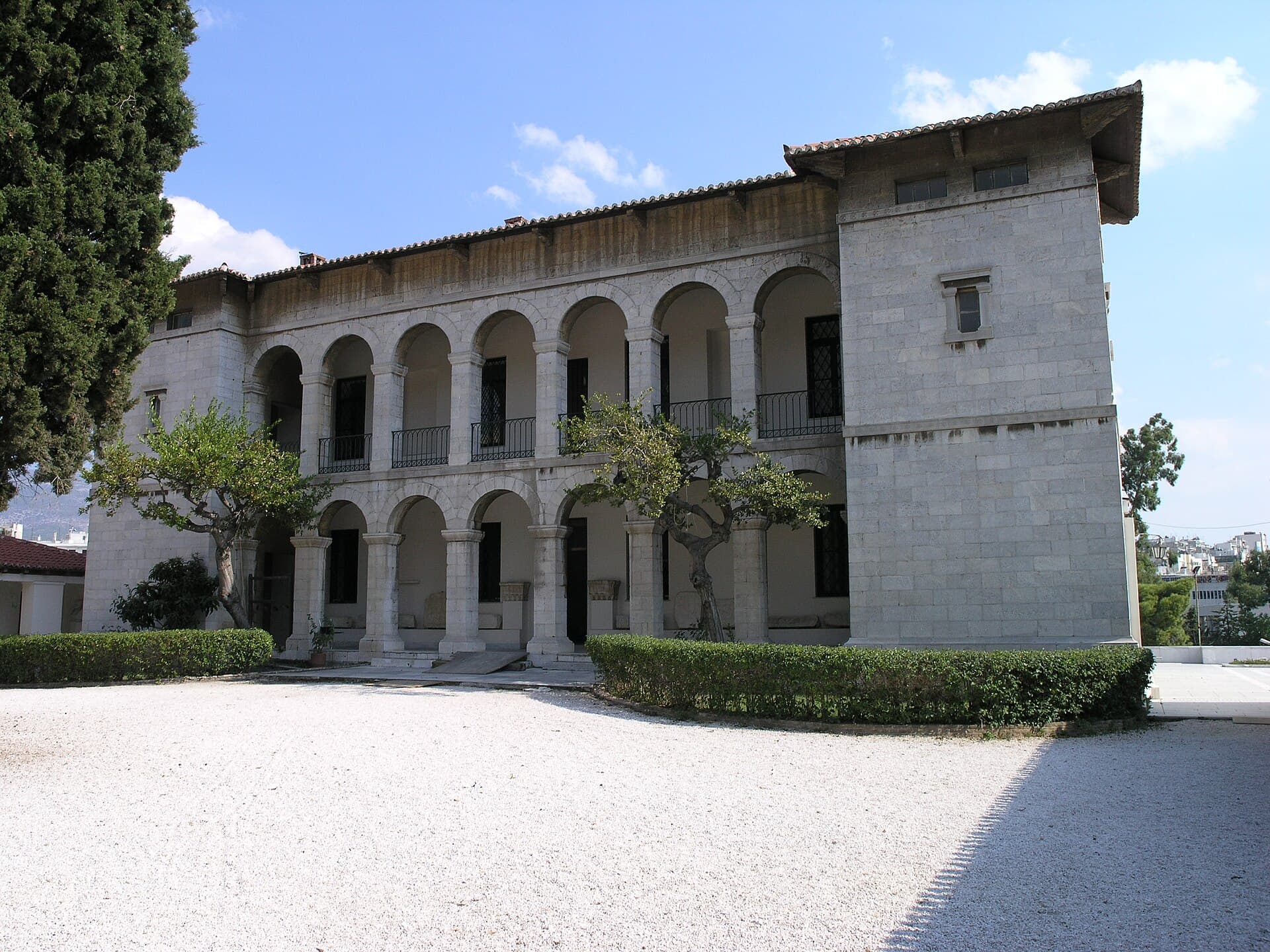 The Byzantine & Christian MuseumThe Byzantine Museum carries the thousand years the antiquities route drops: pag3 minutes walk4.5
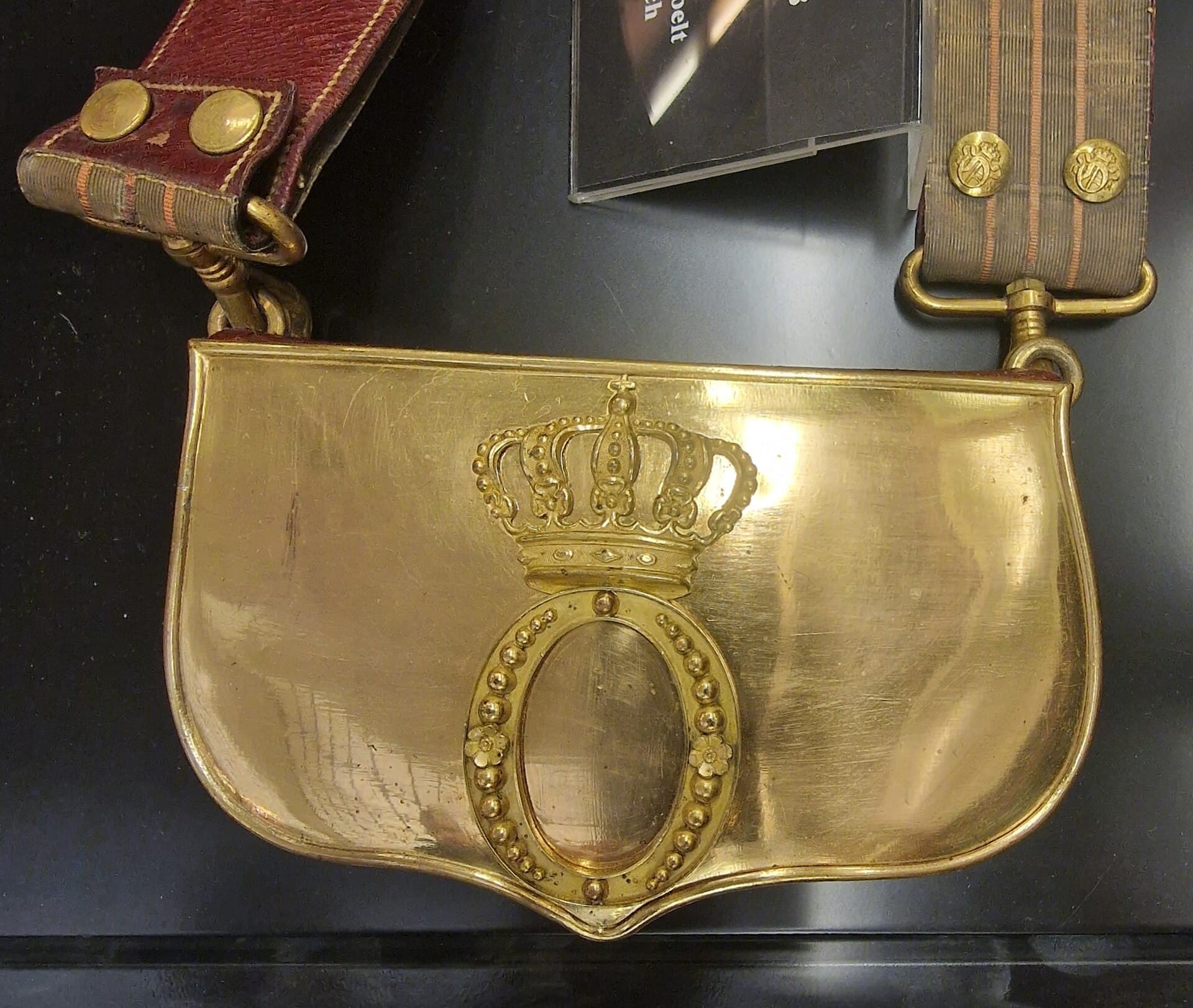 War MuseumGreece's national army museum, in a Brutalist concrete building of the 1970s on 3 minutes walk4.6
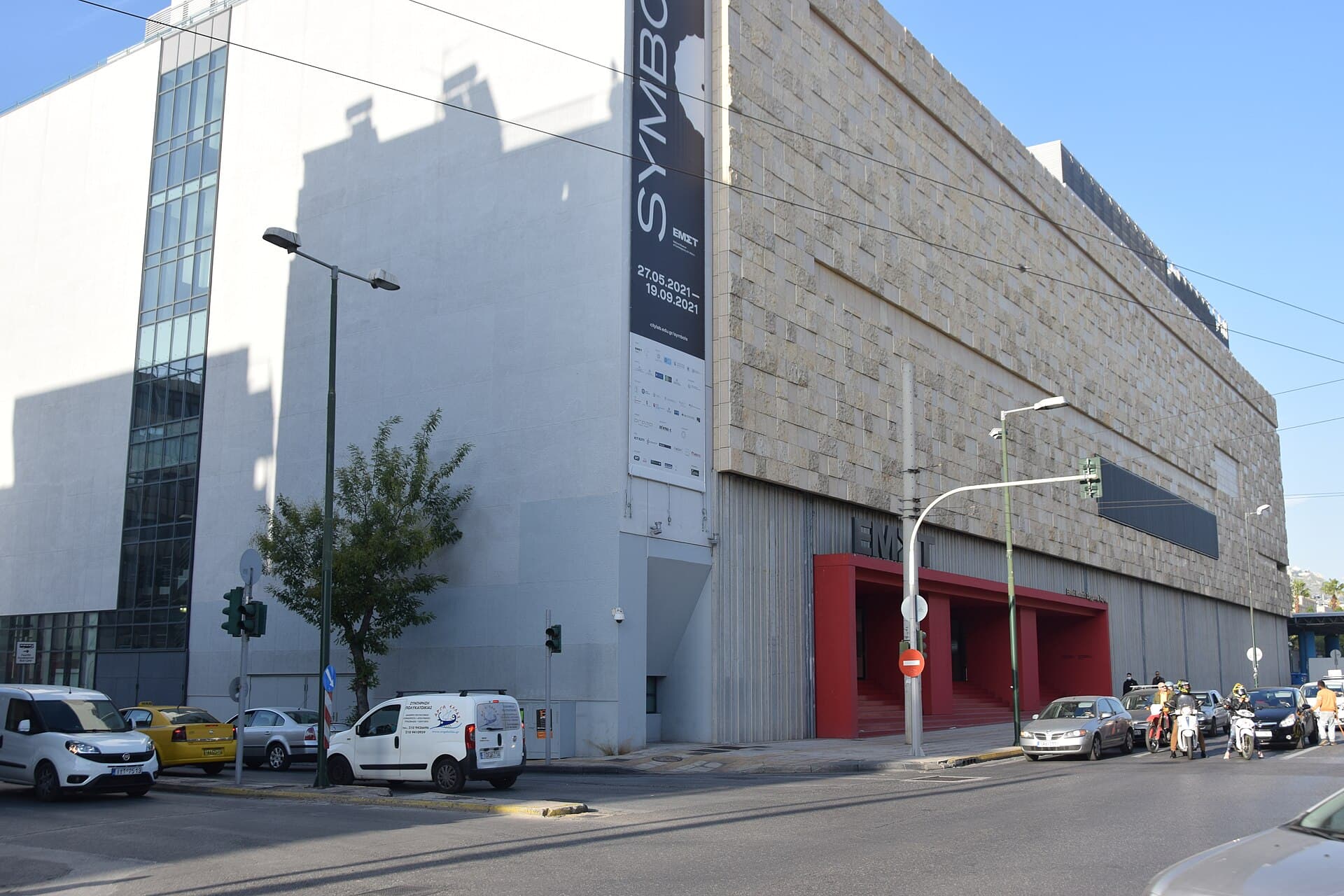 National Museum of Contemporary Art (EMST)Greece's national museum of contemporary art, known by its Greek acronym **EMST*4 minutes walk4.3
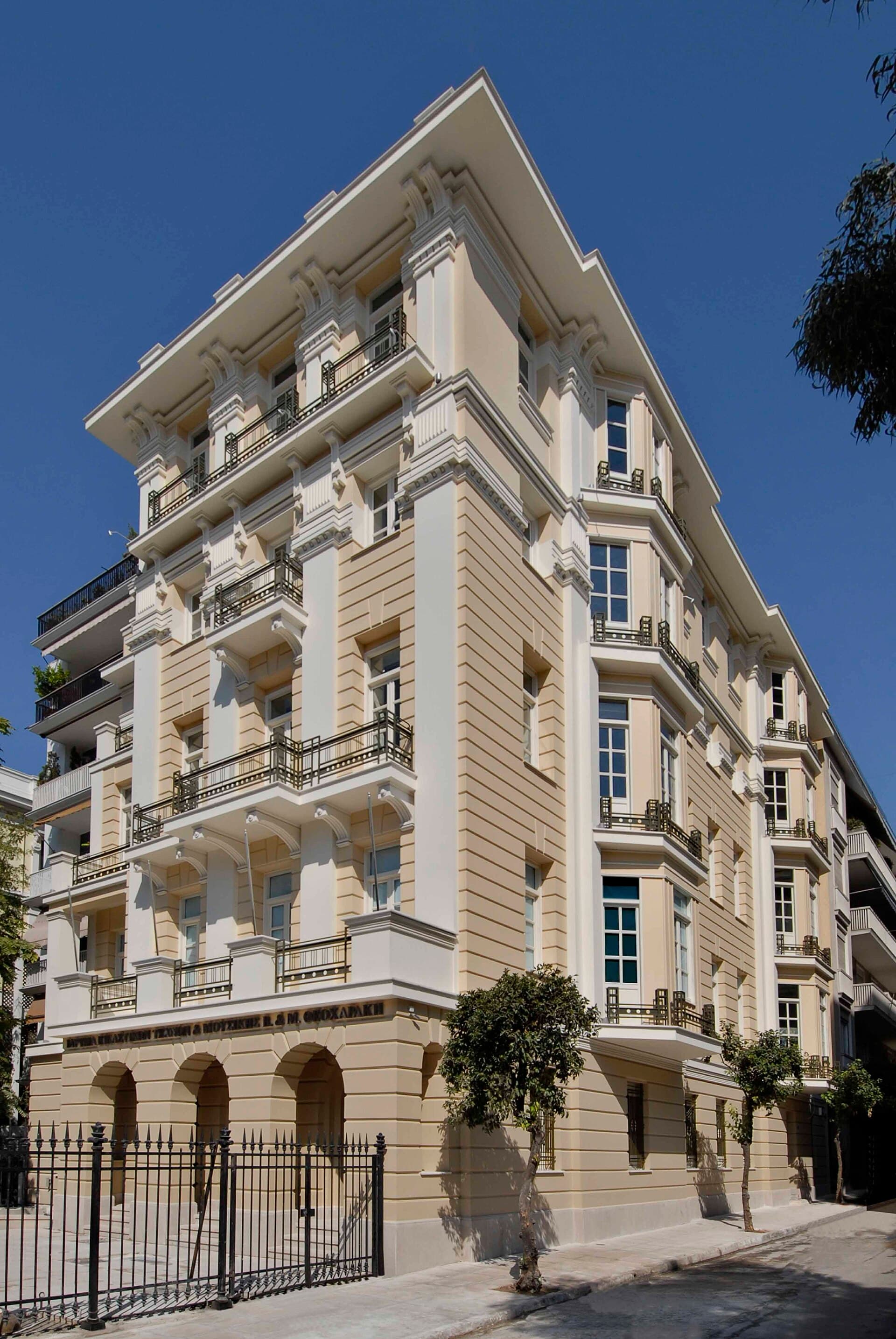 The Theocharakis Foundation for the Fine Arts and MusicAn arts centre in a neoclassical building on a prominent corner near Syntagma Sq4 minutes walk4.8
Yes, and they **don't compete**. The **National Archaeological Museum** is vast and comprehensive, covering the whole of Greece across the ages — the priority if you can only do one, but exhausting and needing three hours. The **Museum of Cycladic Art** is small, focused and elegant, covered in an hour and a half, and its collection is from **a period the other doesn't treat in the same depth**. The advice: with three days in Athens, do both on different days — don't combine them, you'll tire of museums.
Because they are **radically abstract**, which is what confuses the eye. The form is reduced to its essential lines: a flat elongated body, folded arms, an oval tilted head, and a smooth face with no feature but a nose. No detail, no ornament, no attempt at realism — which is precisely what twentieth-century sculptors were after, thousands of years later. When these pieces appeared in European exhibitions early last century they **startled artists**, who saw in them what they had been looking for, and they influenced Modigliani, Brâncuși and Moore directly.