
The Parthenon accounts
What Athens paid the Acropolis workmen, in drachmas.
NA — CC BY 2.5 · TimeTravelRome — CC BY 2.0 · TimeTravelRome — CC BY 2.0 · TimeTravelRome — CC BY 2.0
A museum devoted to ancient Greek inscriptions, occupying the south wing of the National Archaeological Museum building in Athens, and holding the largest collection of inscriptions in the world — more than fourteen thousand inscribed stones. The idea sounds dry and is not. Inscriptions are ancient Greece's surviving paperwork: decrees of the popular assembly, the building accounts of the Parthenon in drachmas, lists of the battle dead by name, treaties, laws, temple invoices, and the names of men voted into exile scratched on potsherds. What you read here is not what the historians wanted to say but what the state wrote about itself for itself. From these stones we know what Athens paid the Acropolis workmen, how it voted for war, and what a statue cost. The display runs from the eighth century BC to the Roman period, and includes a copy of the Themistocles decree ordering the evacuation of Athens before the battle of Salamis. Very quiet and rarely crowded despite its location.
What Athens paid the Acropolis workmen, in drachmas.
The names Athenians voted to exile, scratched on potsherds.
The order to evacuate Athens before Salamis.
The south wing of the National Archaeological Museum
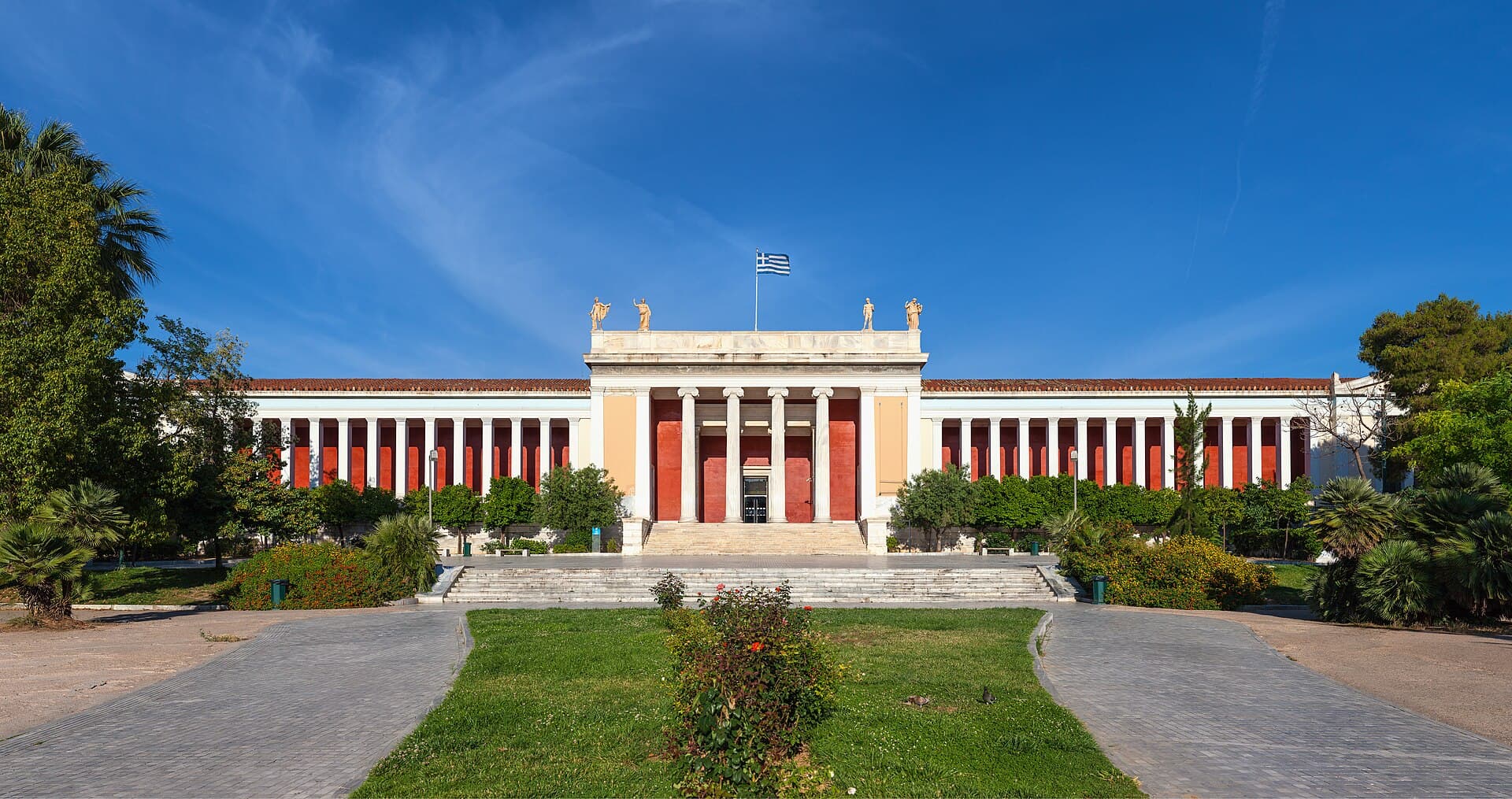 The National Archaeological MuseumThe National Archaeological is the Greek world's first treasury, uncontested: ev1 minute walk4.7
 The Hellenic Motor MuseumA classic car museum on three floors of a commercial building in central Athens,4 minutes walk4.6
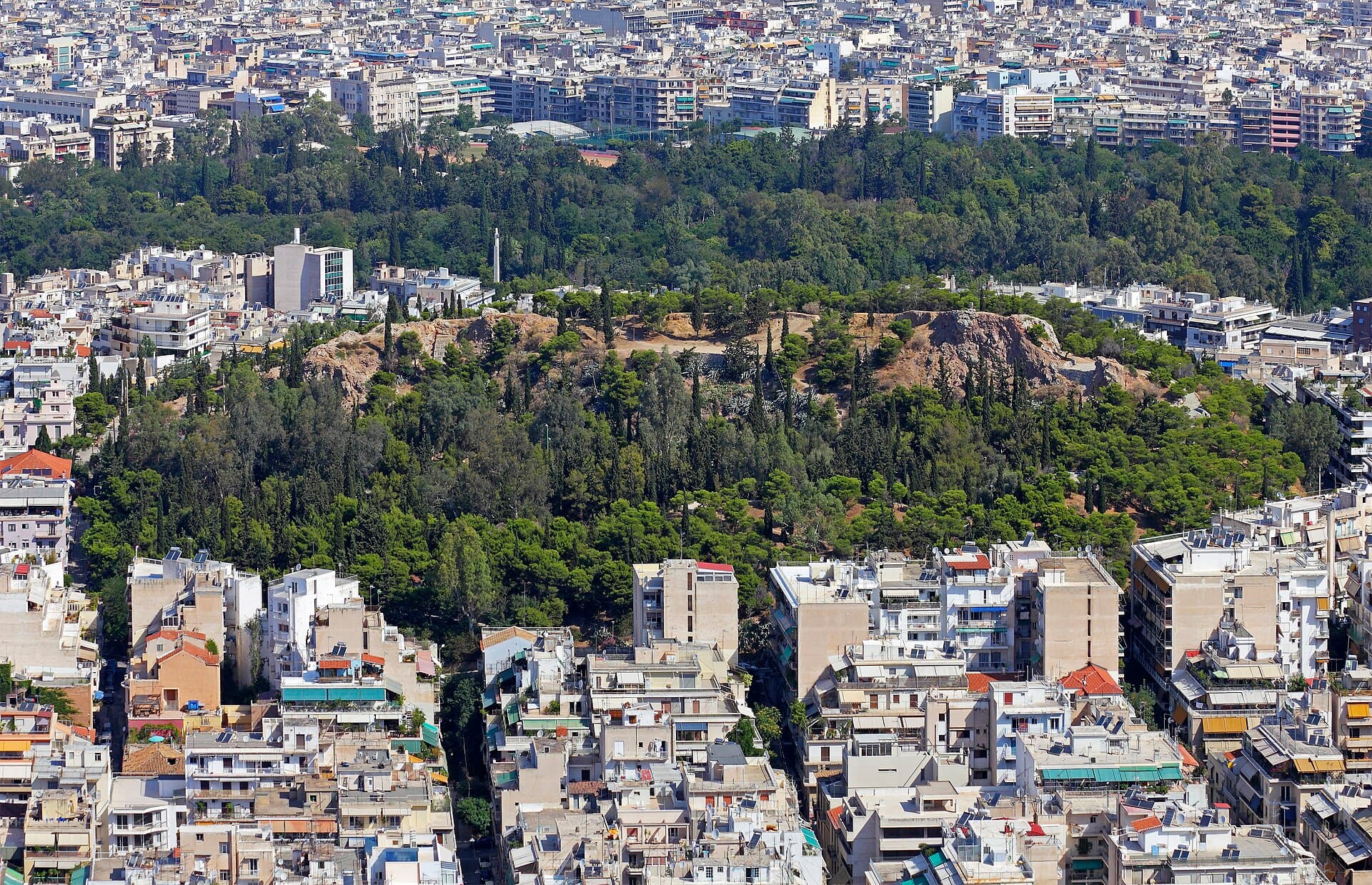 Strefi HillA small rocky hill above the Exarcheia district, rising to about a hundred and s8 minutes walk4.4
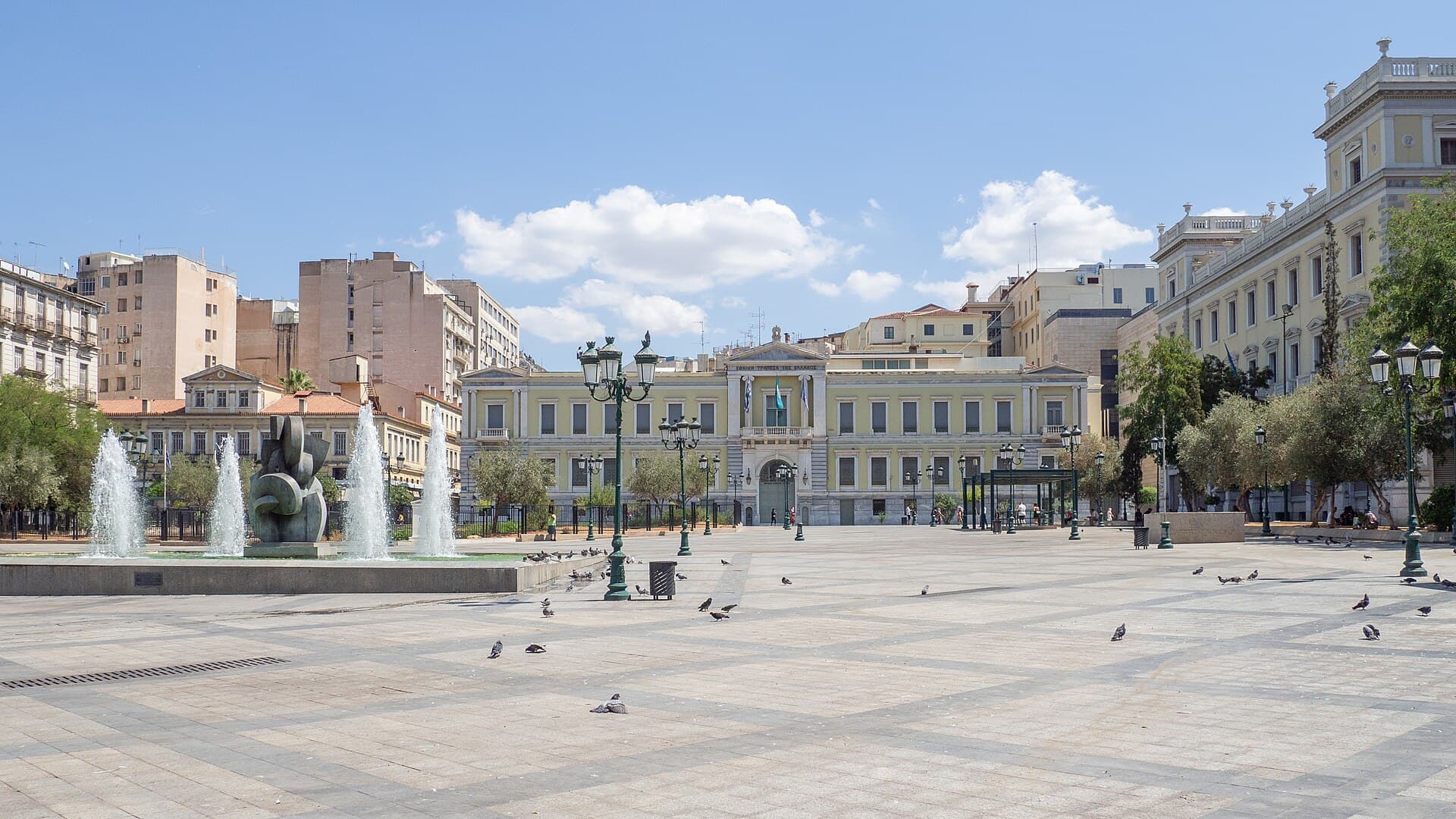 Kotzia SquareA broad square before the Athens City Hall, ringed by nineteenth-century neoclas11 minutes walk3.9
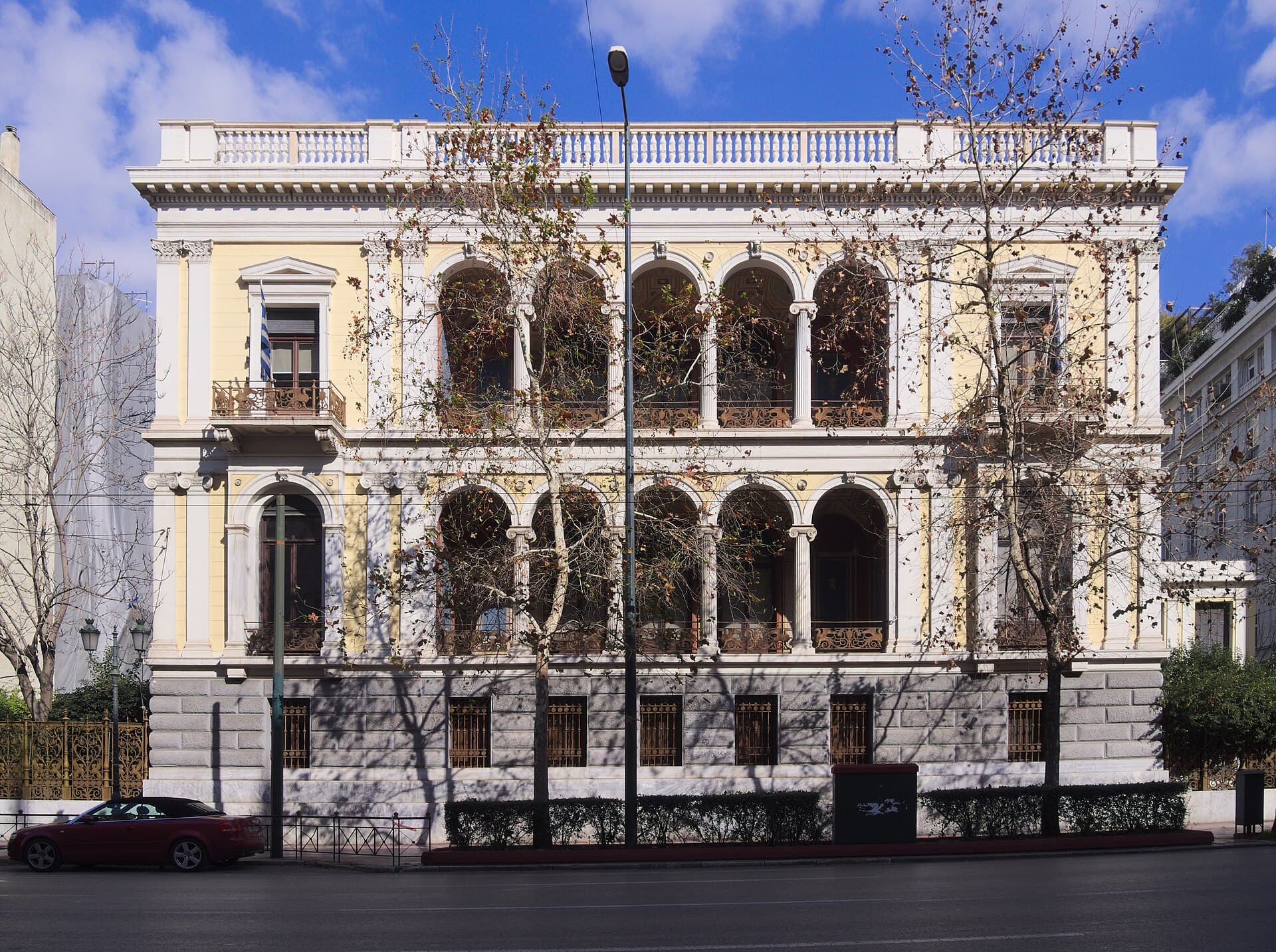 Numismatic Museum (Schliemann's House)The museum people visit **for the building** and are then surprised by the conte16 minutes walk4.7
An Athenian procedure held once a year: the assembly was asked whether it saw a need to exile anyone, and if it agreed each citizen scratched on a potsherd the name of the man he wanted gone. Whoever received more than six thousand votes was exiled for ten years, without confiscation of property and without any charge of crime. The purpose was to prevent the rise of a tyrant, not to punish a criminal. Thousands of these sherds have been found in Athens bearing the names of Themistocles, Aristides and others.
It depends on what you like. If you like the idea of reading the original document — a stone written by a state twenty-five centuries ago — the place is remarkable, quiet and cheap. If you are looking for statues and visual objects, the National Archaeological Museum in the same building deserves your time far more. It is best as a half-hour addition after the main museum rather than a visit in its own right.