
Schliemann's house
Mosaics, ceilings and inscriptions from one man's obsession with Troy.
C messier — CC BY-SA 4.0 · historia — CC BY-SA 4.0 · Gre regiment — CC BY-SA 4.0 · Rabe! — CC BY-SA 3.0
The museum people visit **for the building** and are then surprised by the contents. It occupies a grand neoclassical mansion on Panepistimiou street, built by the architect Ernst Ziller for one man: **Heinrich Schliemann**, the German merchant who excavated Troy and Mycenae and rewrote the history of archaeology. Schliemann called his house **Iliou Melathron**, "the palace of Ilion", after Troy, and decorated it to match his obsession: **mosaic** floors copied from archaeological sites, walls and ceilings painted with scenes from Homer and with ancient Greek inscriptions, and a colonnaded loggia. The house is **an exhibit before the exhibits**. It now holds the national Numismatic Museum, whose collection is among the richest coin collections in the world: tens of thousands of pieces from the sixth century BC to the present — the famous silver **owl of Athens**, the coinage of Alexander, and Roman, Byzantine, Ottoman and modern currency. In its garden is a quiet **café** under the trees amid the noise of the city centre — one of the most charming places to rest in Athens.
Mosaics, ceilings and inscriptions from one man's obsession with Troy.
The silver coin that stood for the city for centuries.
Shade and quiet in the noise of central Athens.
Panepistimiou 12, 10671 Athens
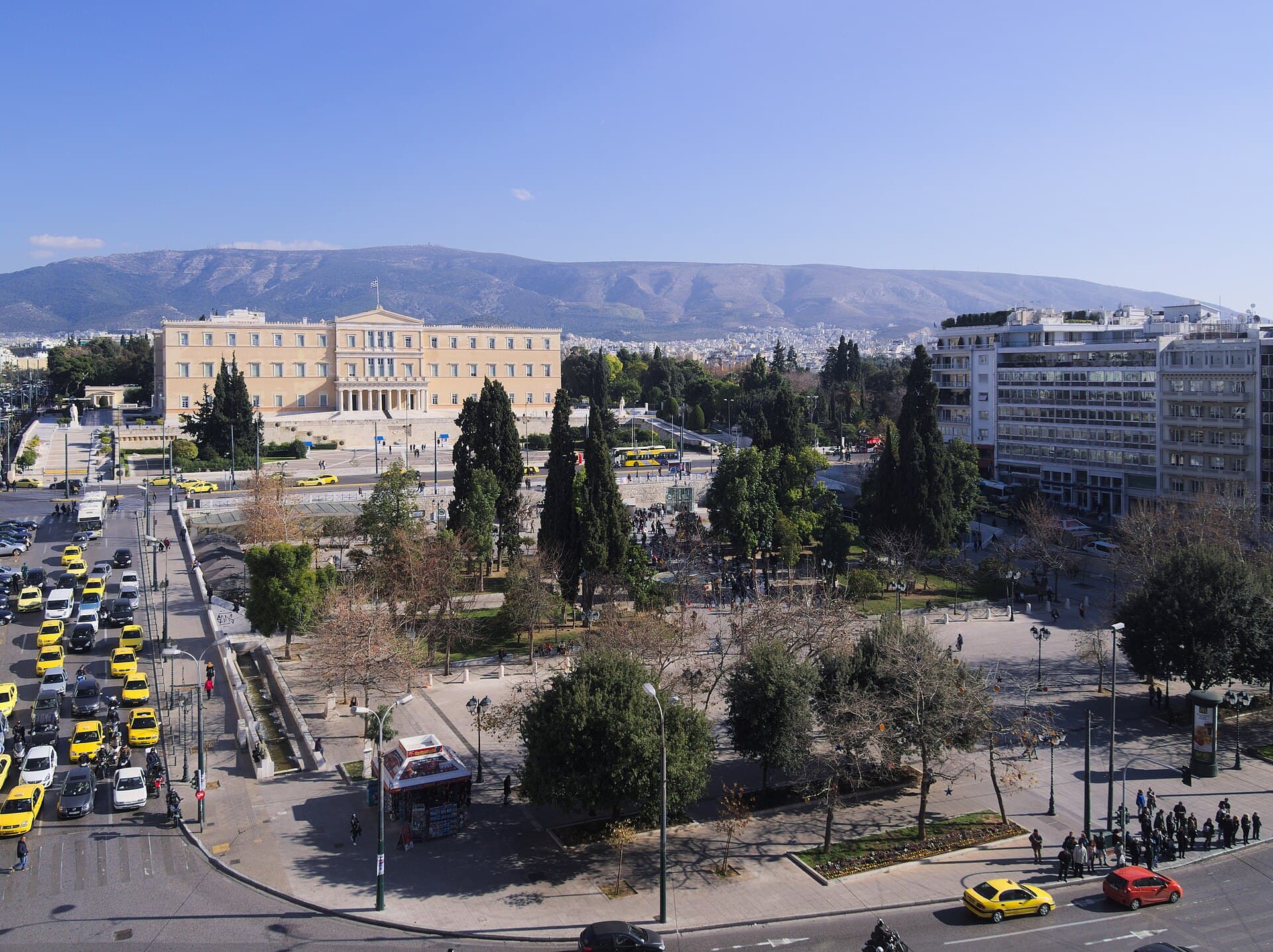 Syntagma SquareAthens's central square and its political heart, its name meaning **"Constitutio3 minutes walk4.6
 The Tomb of the Unknown SoldierA memorial set into a wall before the Greek Parliament on Syntagma Square, guard3 minutes walk4.6
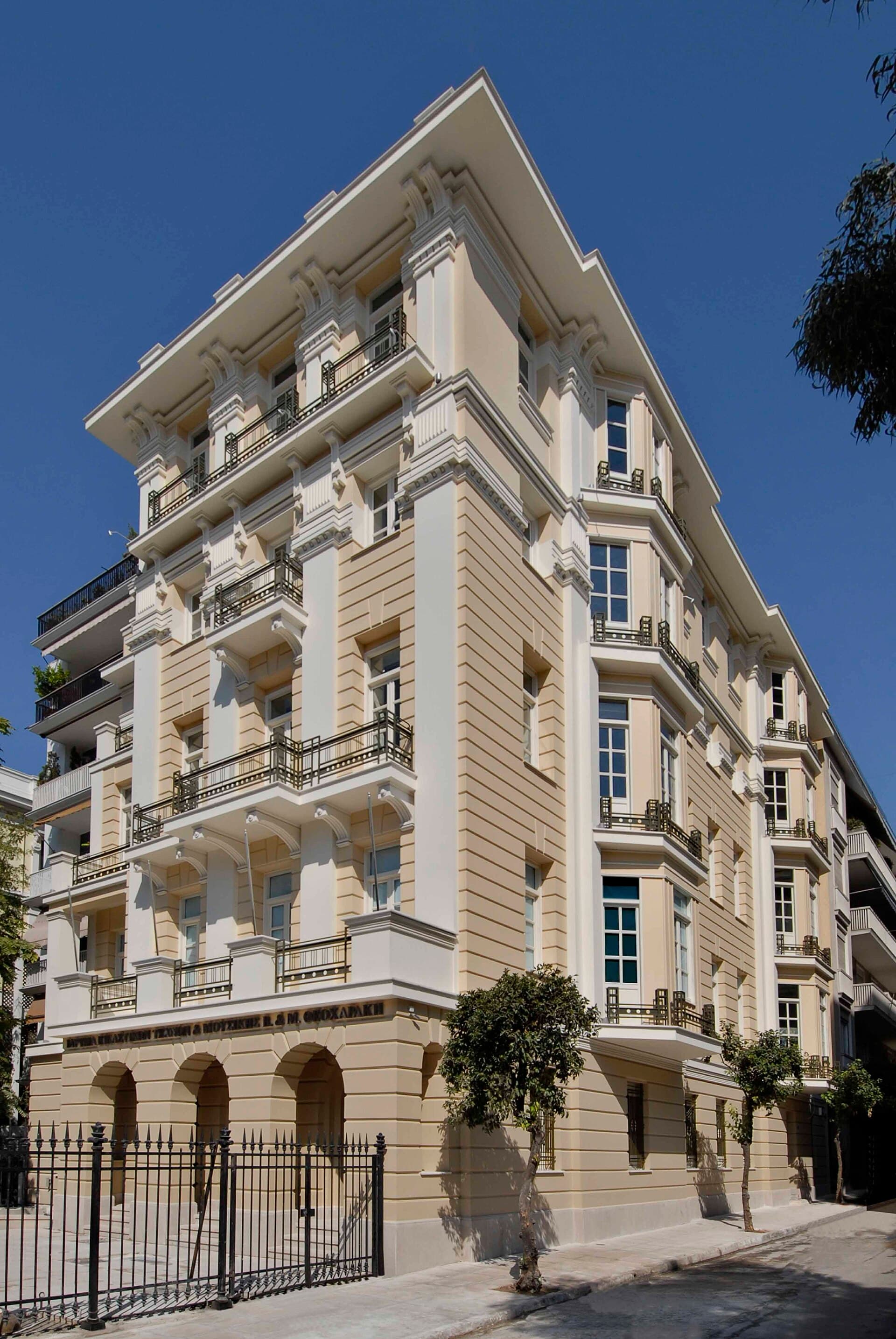 The Theocharakis Foundation for the Fine Arts and MusicAn arts centre in a neoclassical building on a prominent corner near Syntagma Sq4 minutes walk4.8
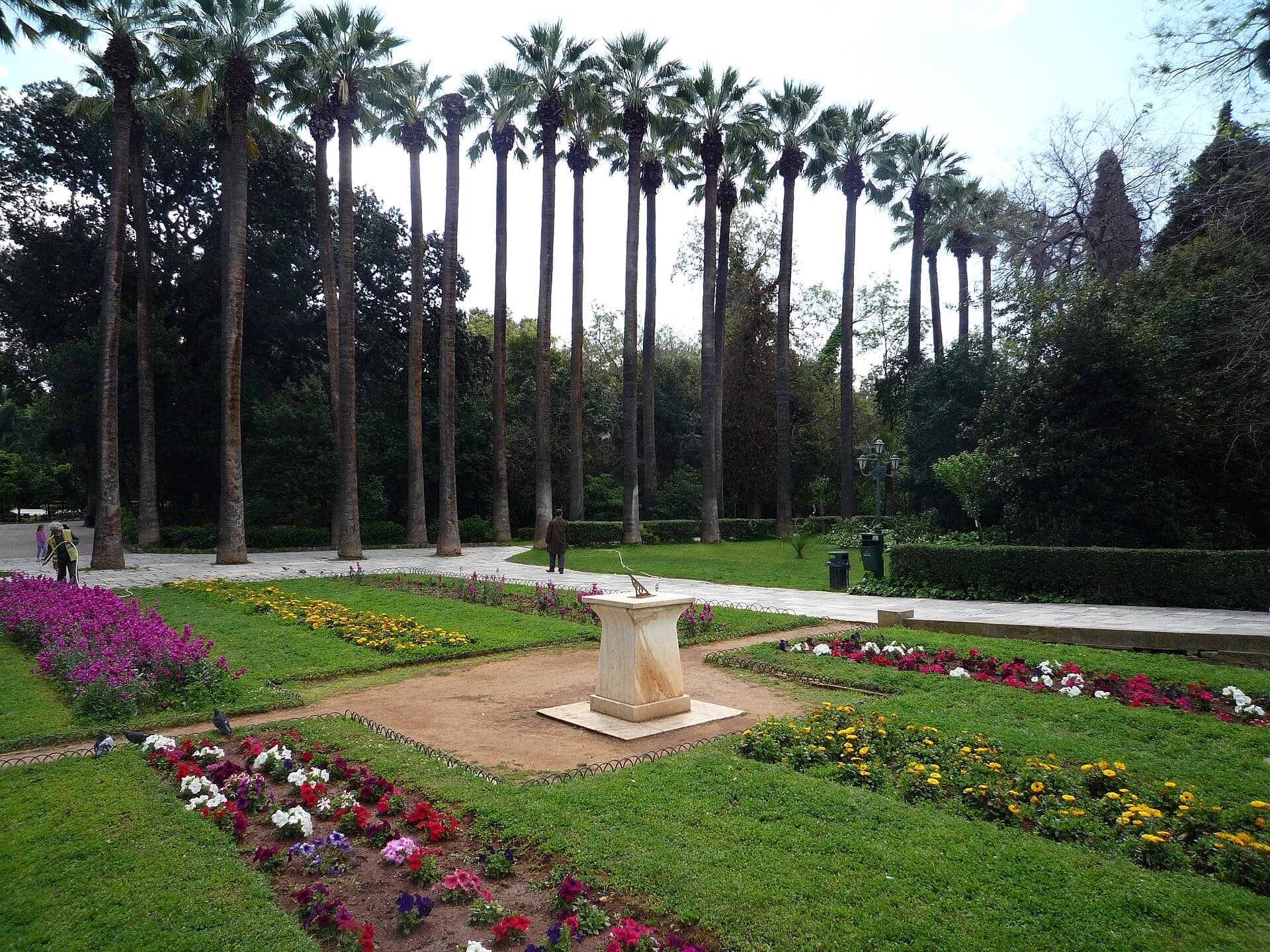 The National Garden & ZappeionThe National Garden is Athens' one shaded lung amid its stone: 15.5 hectares Que6 minutes walk4.5
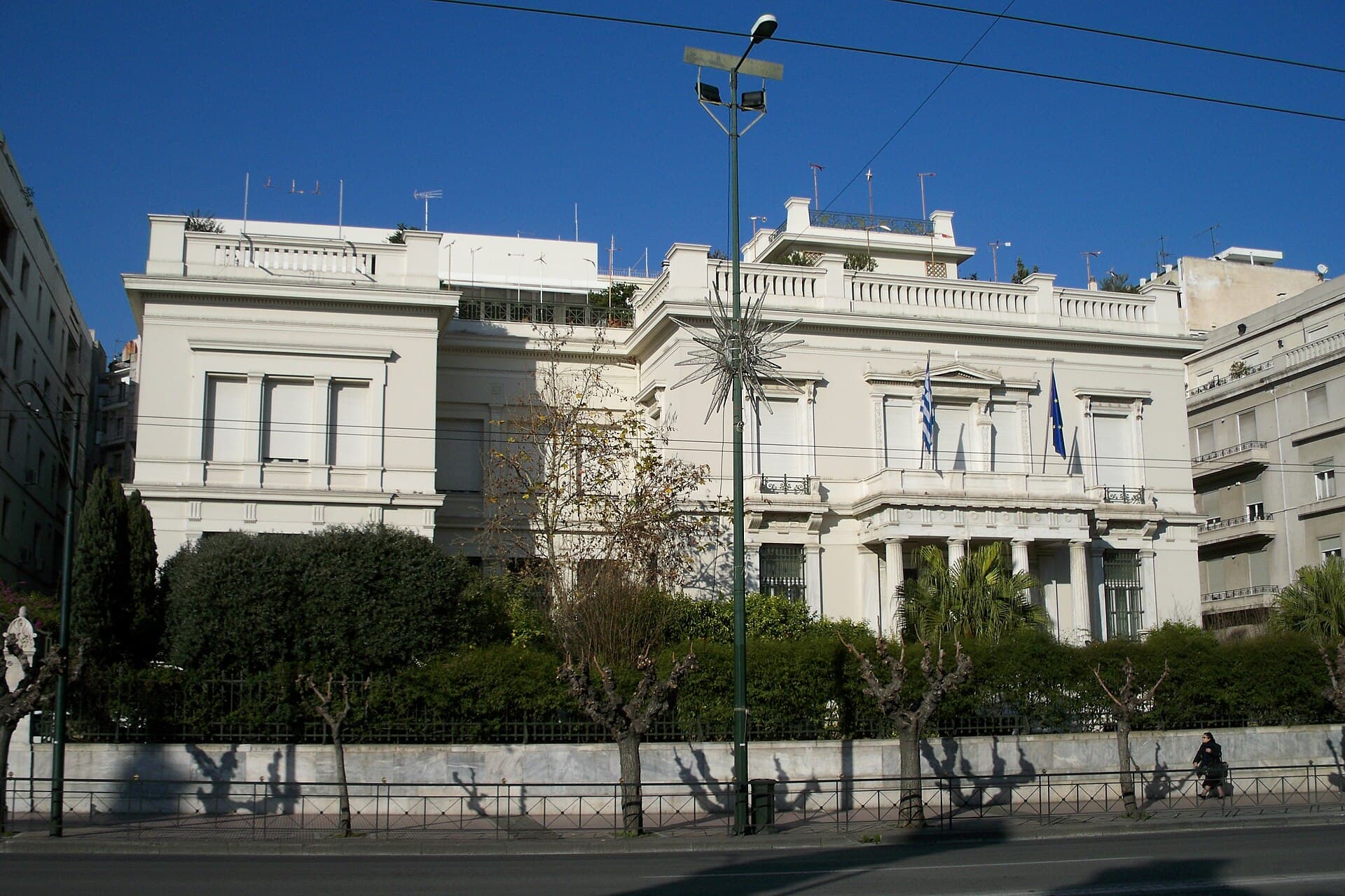 The Benaki Museum of Greek CultureThe Benaki is Greece's only unbroken story: Stone Age pottery to the 1821 indepe6 minutes walk4.6
Yes — and most of its visitors are in the same position. The first value here is **the building**: a house built by a man obsessed with Troy, who covered its floors with mosaics copied from excavation sites, its ceilings with Homeric scenes and its walls with Greek inscriptions, until the house became a personal statement about its owner. And Schliemann himself was an extraordinary figure: a rich merchant who taught himself languages and decided the Iliad was history rather than myth, dug, and found. Add the quiet **garden café**. The coins are a bonus — and the silver owl is worth stopping at.
The **Athenian tetradrachm**, the silver coin Athens struck from the sixth century BC: on its face the helmeted head of **Athena**, on its back an **owl** — the goddess's bird — with an olive sprig and the first letters of the city's name. This piece became the **reserve currency of the ancient world**: accepted in every Mediterranean port from Egypt to Sicily because Athens kept its silver pure and its weight constant for centuries without debasement. So it is not merely a handsome antiquity but the **first trusted international currency** in history.