
A neighbourhood park, not a sight
Those who climb it are locals, not visitors.
A.Savin — CC BY-SA 3.0 · A.Savin — CC BY-SA 3.0 · Jebulon — CC0 · Enrique Íñiguez Rodríguez (Qoan) — CC BY-SA 3.0
A small rocky hill above the Exarcheia district, rising to about a hundred and seventy metres, giving a view over Athens from an angle most visitors never reach. Its value is that it is not a tourist sight but a neighbourhood park. Those who climb it are mostly local: students, families, people walking dogs. The view from the top takes in the Acropolis, Lycabettus and the city running down towards the sea, with no queue and no ticket. The climb is short — ten to twenty minutes by steps and dirt paths — but the hill is rocky and uneven and is not laid out as a formal park. Exarcheia itself is among Athens's most distinctive districts: the quarter of universities, bookshops and political cafés, a historic centre of the Greek left and of student movements, its walls covered in street art. It has an occasionally tense reputation but is usually an ordinary, lively neighbourhood. A public hill, open and free.
Those who climb it are locals, not visitors.
A view holding both landmarks with no queue.
Exarcheia below is among Europe's densest districts for murals.
Exarcheia, north of central Athens
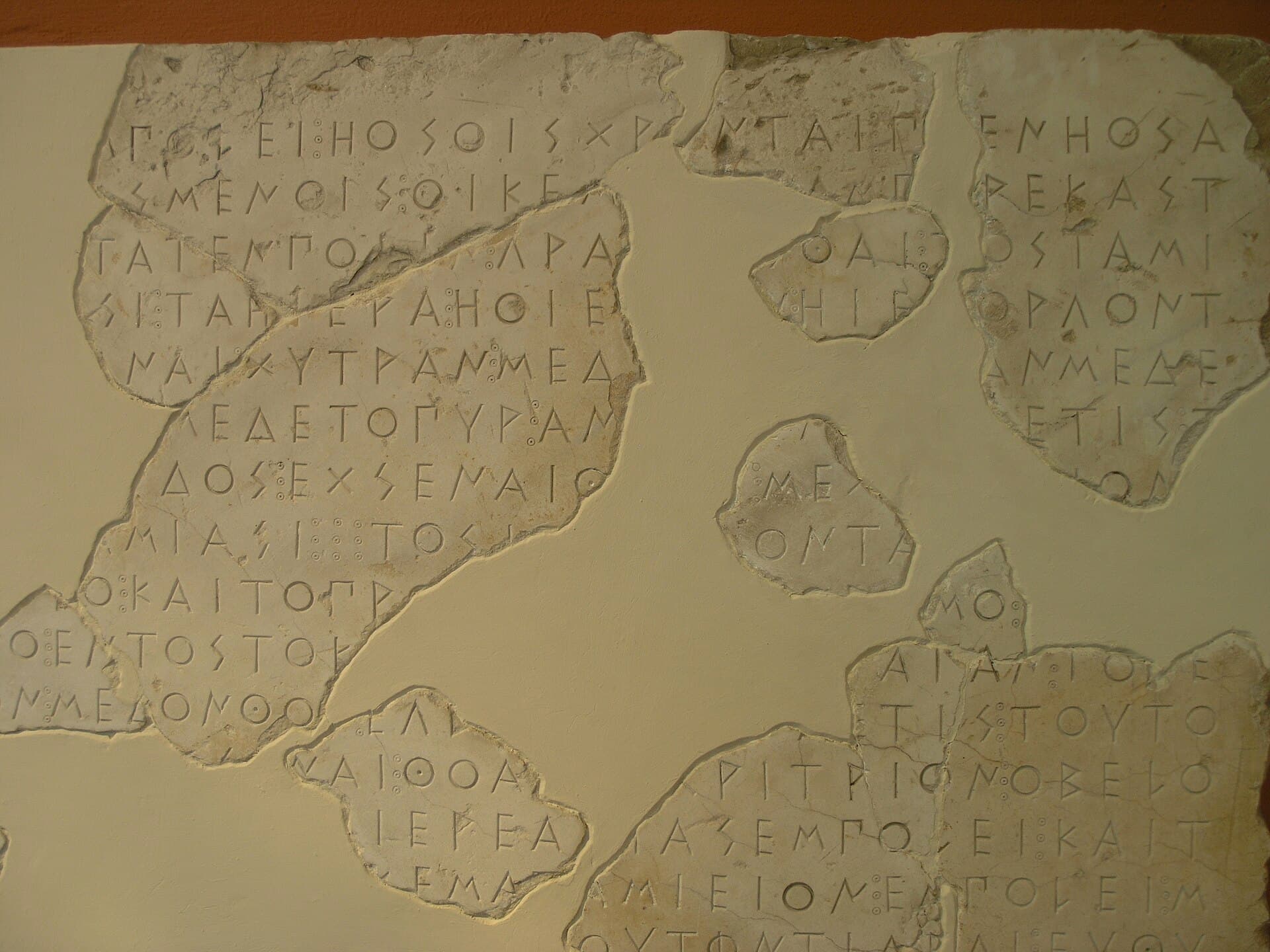 The Epigraphic MuseumA museum devoted to ancient Greek inscriptions, occupying the south wing of the 8 minutes walk4.6
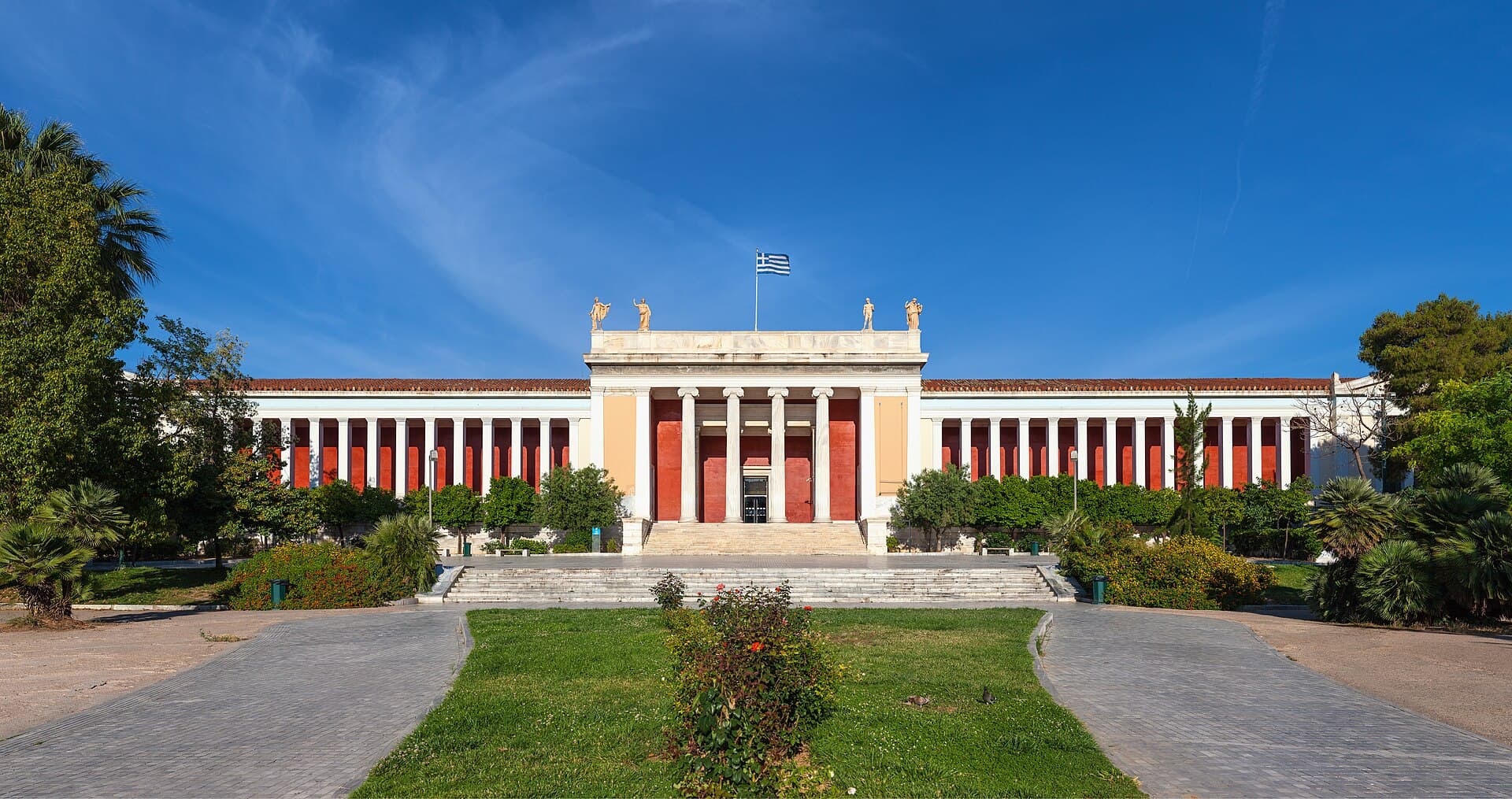 The National Archaeological MuseumThe National Archaeological is the Greek world's first treasury, uncontested: ev8 minutes walk4.7
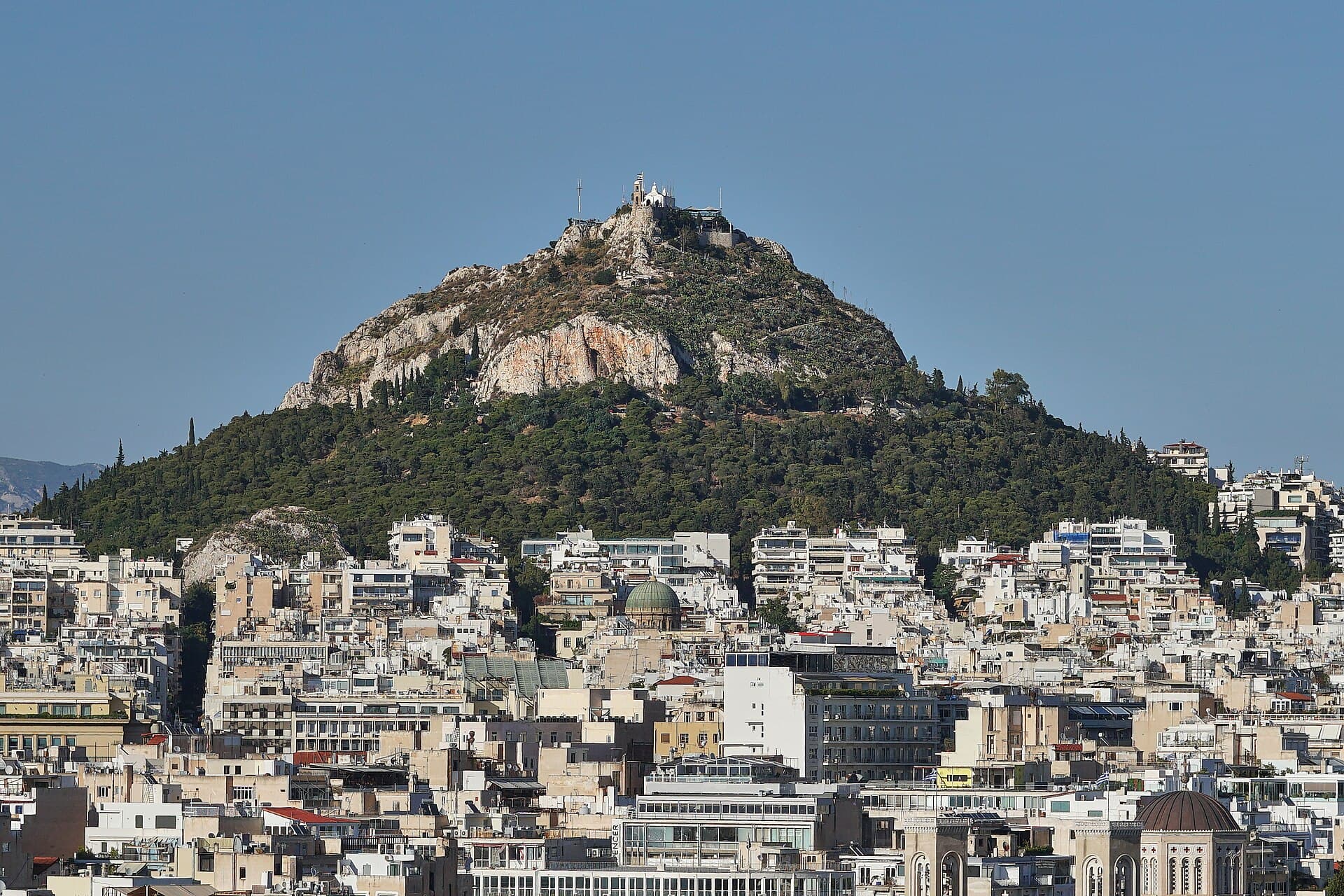 Mount LycabettusThe highest point in Athens: a conical rocky hill rising about **277 metres** ab11 minutes walk4.7
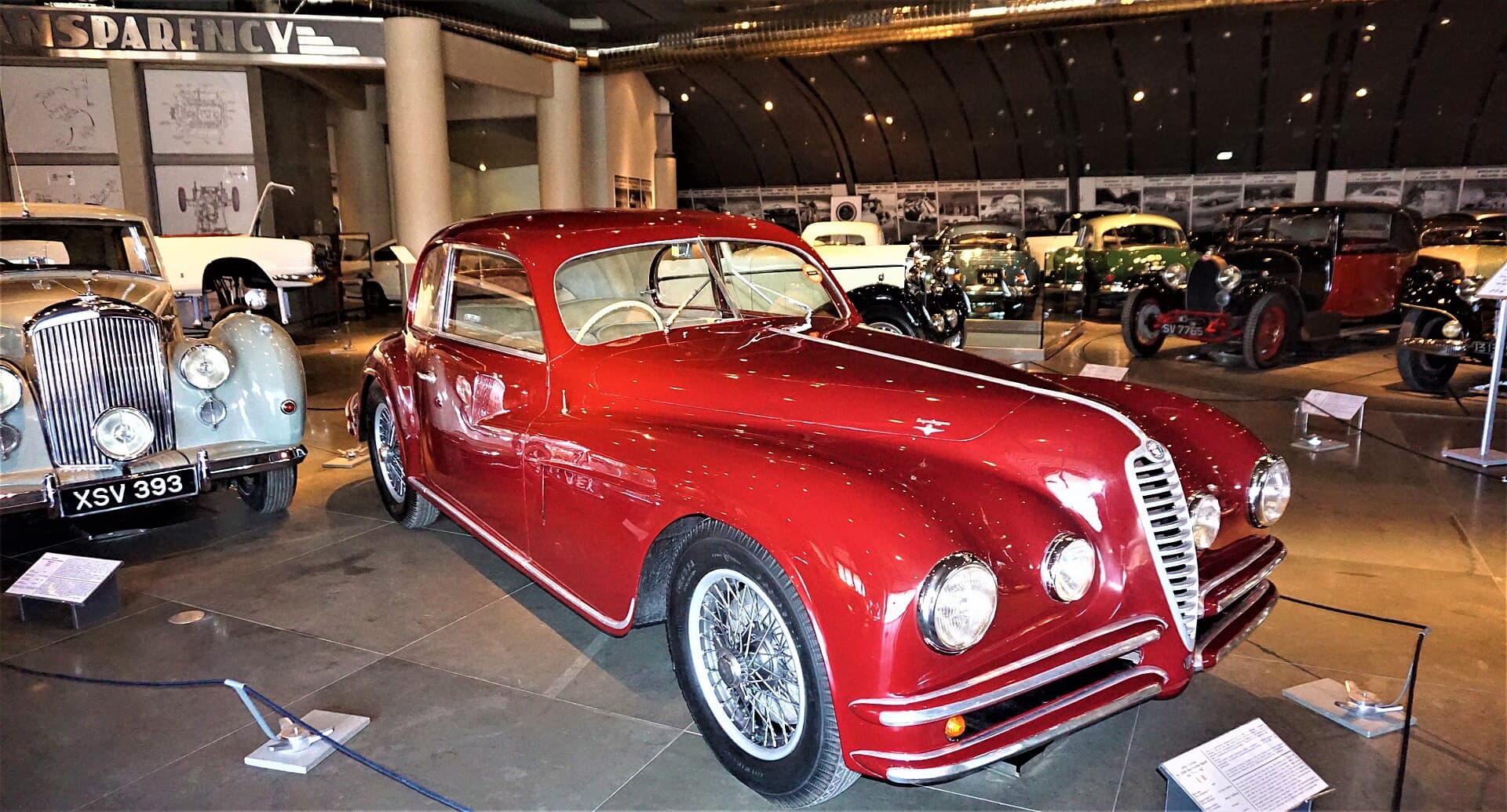 The Hellenic Motor MuseumA classic car museum on three floors of a commercial building in central Athens,11 minutes walk4.6
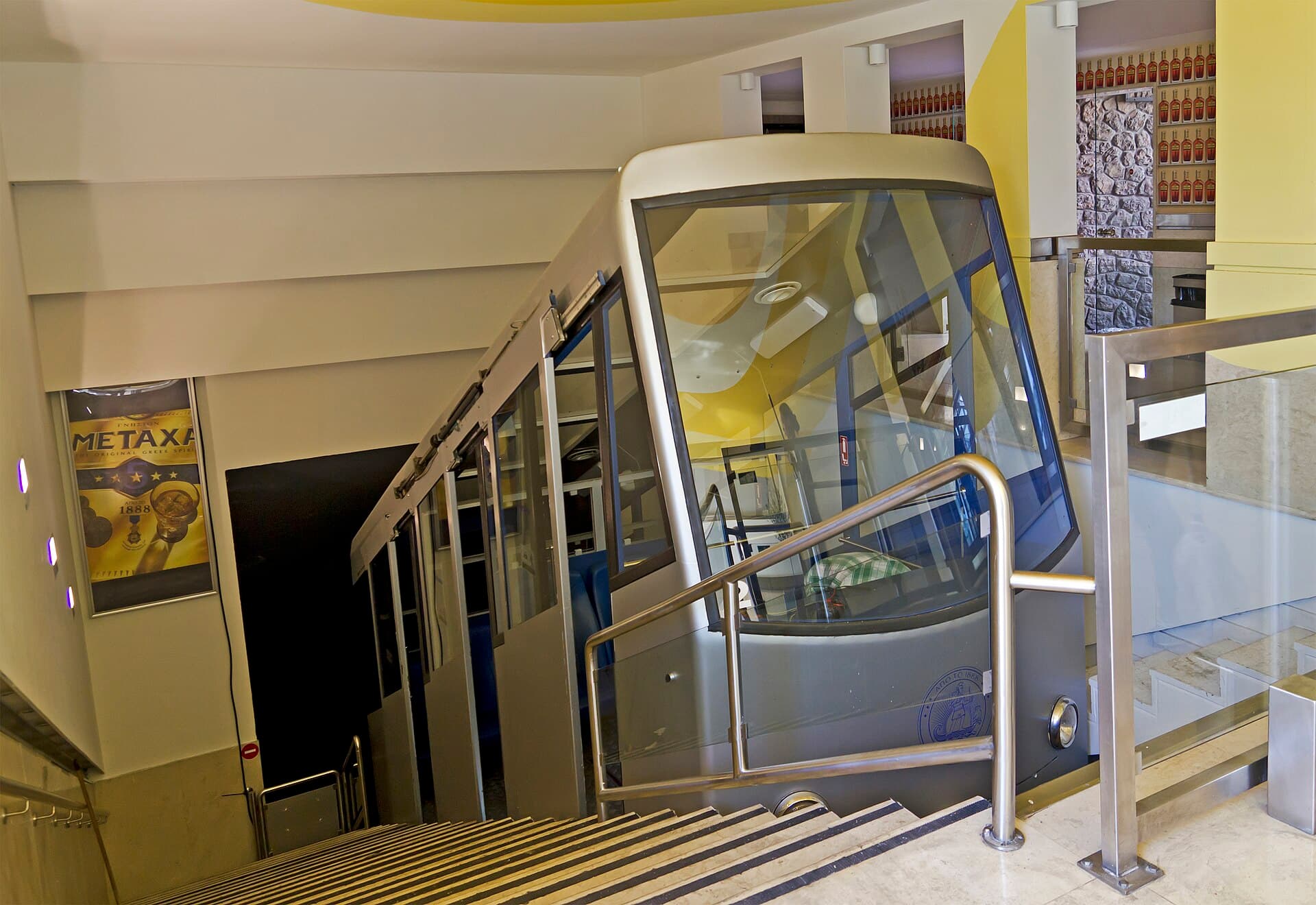 The Lycabettus FunicularA funicular railway climbing inside a tunnel bored through Lycabettus hill to it12 minutes walk3.9
Usually yes by day and evening — it is a residential and university district full of cafés, bookshops and restaurants, much frequented by Athenians themselves. Its reputation comes from its political history and from occasional confrontations between demonstrators and police, events limited in time and place that rarely touch anyone not party to them. The reasonable precaution is to avoid the area during announced demonstrations, especially around the anniversary of 17 November.
Lycabettus is the highest and best known, reached by funicular, with the widest view. Philopappos hill south-west of the Acropolis gives the best angle for photographing the Parthenon itself and is wooded and pleasant. The rocky Areopagus beside the Acropolis entrance is free and crowded at sunset. Strefi is the least busy and the most local of them.