
The dome
The religious scene is peopled with ordinary Madrid faces pressed against a wooden railing, closer to a street crowd than to church iconography.
Acediscovery — CC BY 4.0 · manuel m. v. from Valdemoro, Spain — CC BY 2.0 · Unknown authorUnknown author — Public domain · jacinta lluch valero from madrid * barcelona...., (España-Spain) — CC BY-SA 2.0
A single-room chapel on the Glorieta de San Antonio de la Florida, near the Manzanares, not on it; the reason to come is above your head: a dome Goya painted in 1798, still in the place it was made for. The subject is nominally religious — Saint Anthony of Padua's miracle — but Goya filled the dome with ordinary Madrid faces pressed against a wooden railing, looking down as though at a street scene. The Prado hangs his canvases on walls; this work is where it was painted, at the scale it was made for. It reopened in June 2026 after a refurbishment of roof, climate control and lighting. Goya's tomb is under the altar; his remains were repatriated from Bordeaux in 1899 and moved here in 1919. It is no longer a working church: an identical copy built beside it in the 1920s took over worship so the frescoes could be preserved. Entry is free, the visit runs twenty to forty-five minutes, and the site is a short ride or walk beyond the tourist core, by Príncipe Pío. With one day in Madrid and no Prado yet, go there first; if Goya is why you came, this room completes what you saw there.
The religious scene is peopled with ordinary Madrid faces pressed against a wooden railing, closer to a street crowd than to church iconography.
The painter's remains were repatriated from Bordeaux in 1899 and have lain beneath the altar since 1919, in the building he decorated himself more than a century earlier.
Twenty to forty-five minutes inside, and it pairs easily with Campo del Moro or a walk up through Parque del Oeste to the Temple of Debod.
Glorieta de San Antonio de la Florida, 5, 28008 Madrid
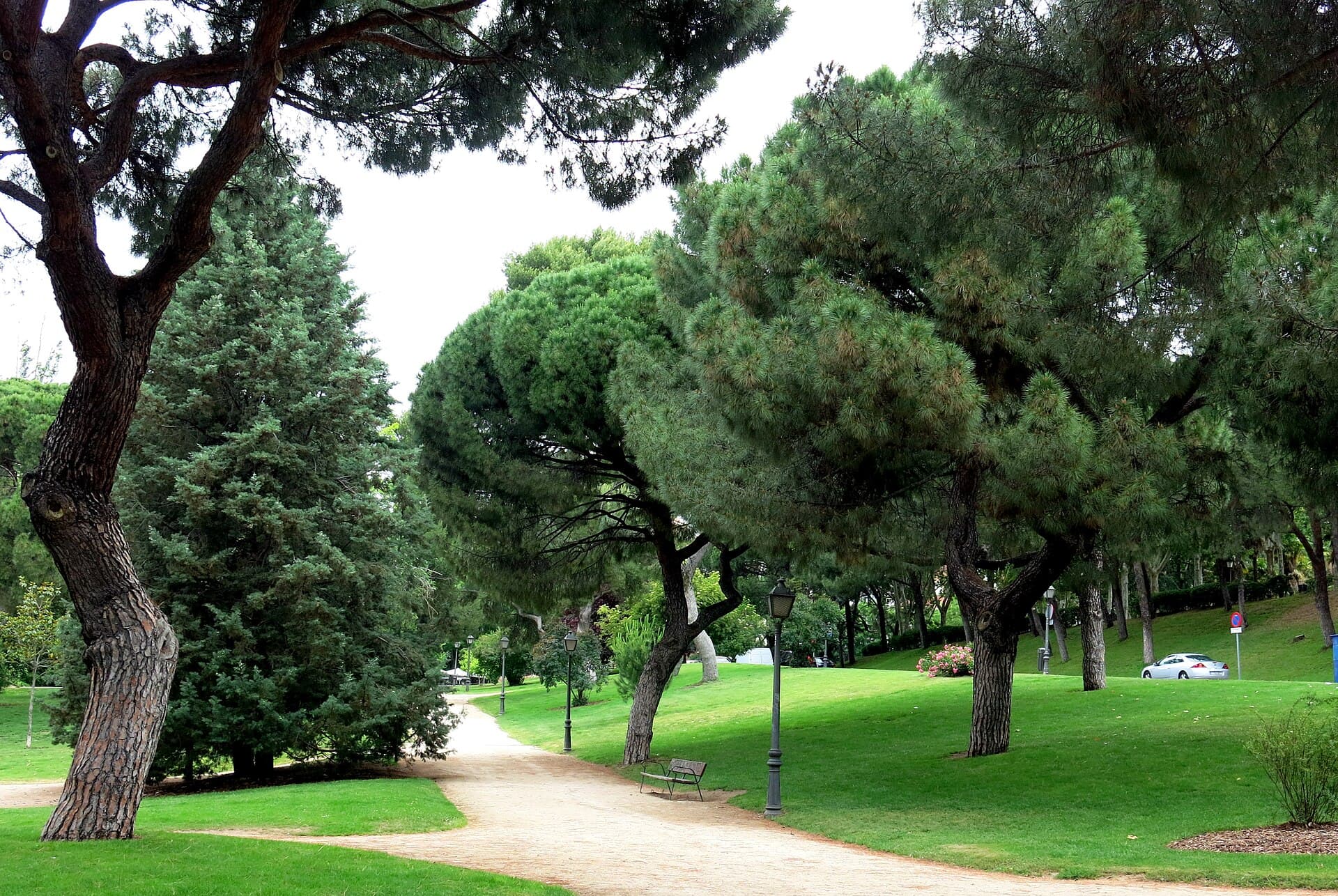 Rose Garden, Parque del OesteA walled rose garden inside Parque del Oeste, the large park running down the we4 minutes walk4.8
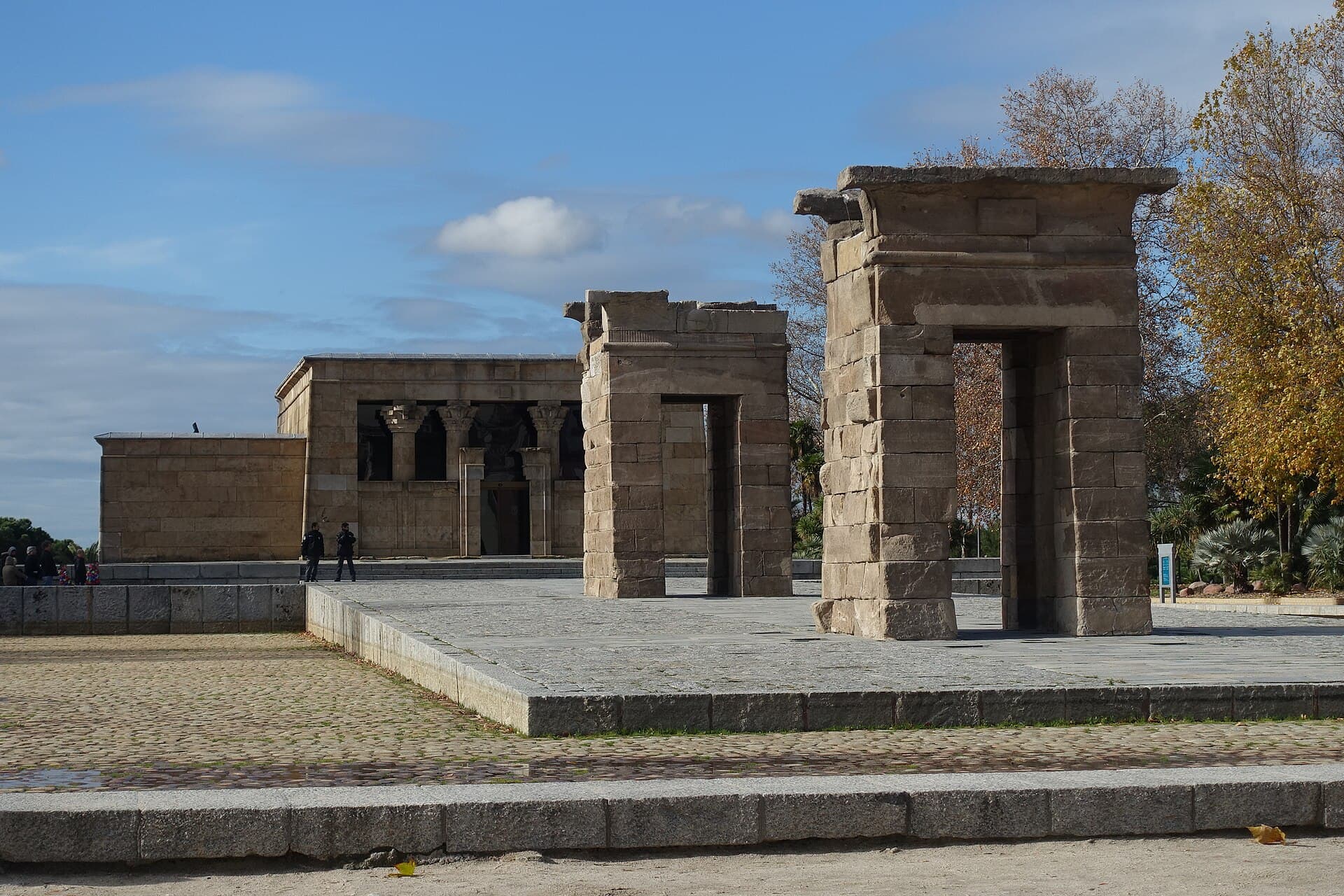 Temple of DebodA genuine two-thousand-year-old Egyptian temple stands on a Madrid hill — Debod,8 minutes walk4.5
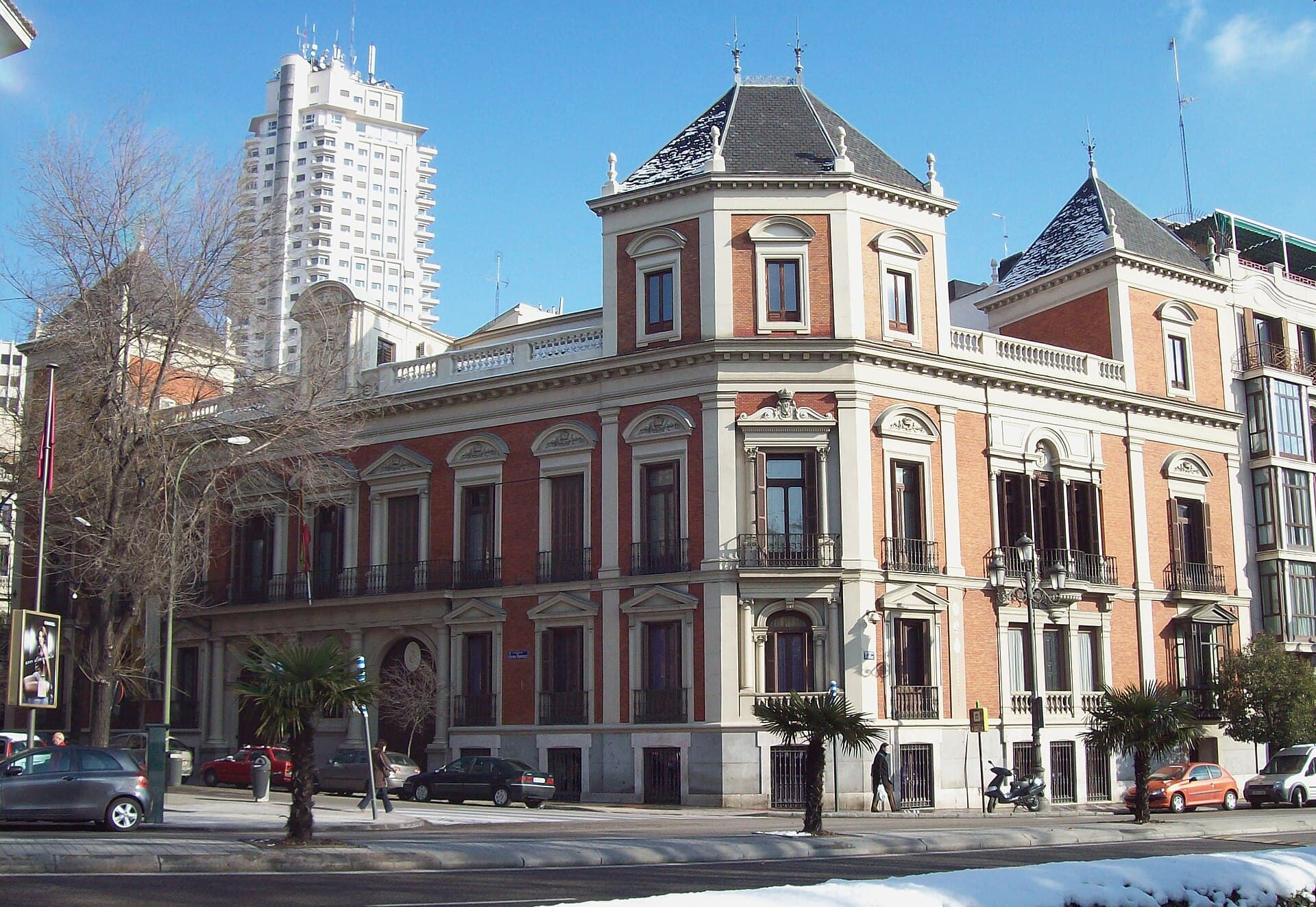 Cerralbo MuseumCerralbo is an aristocratic house near Plaza de España. The marquis built it to 12 minutes walk4.6
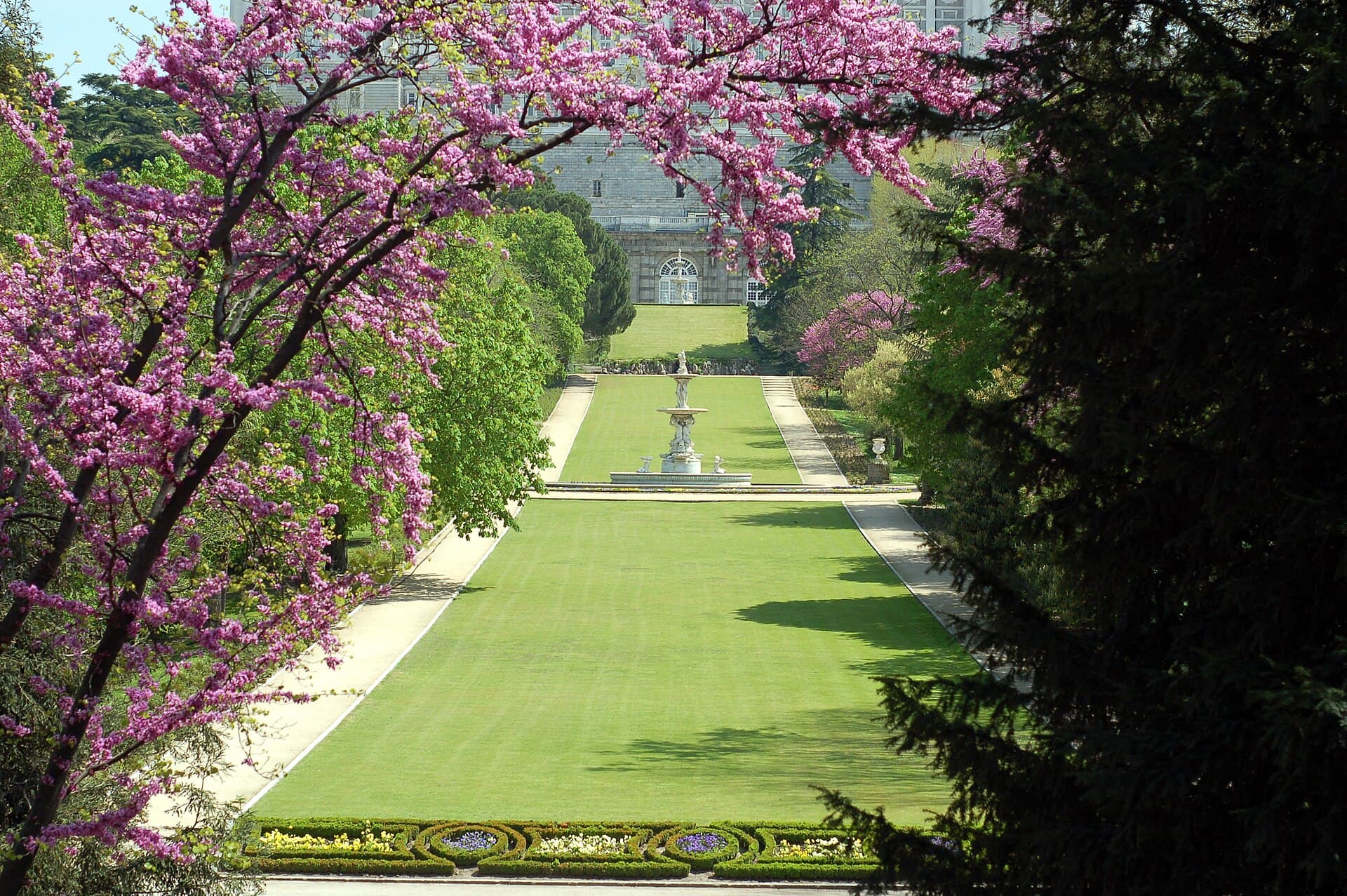 Campo del Moro GardensThe Campo del Moro — "the Moor's field" — is the Royal Palace's garden falling t12 minutes walk4.7
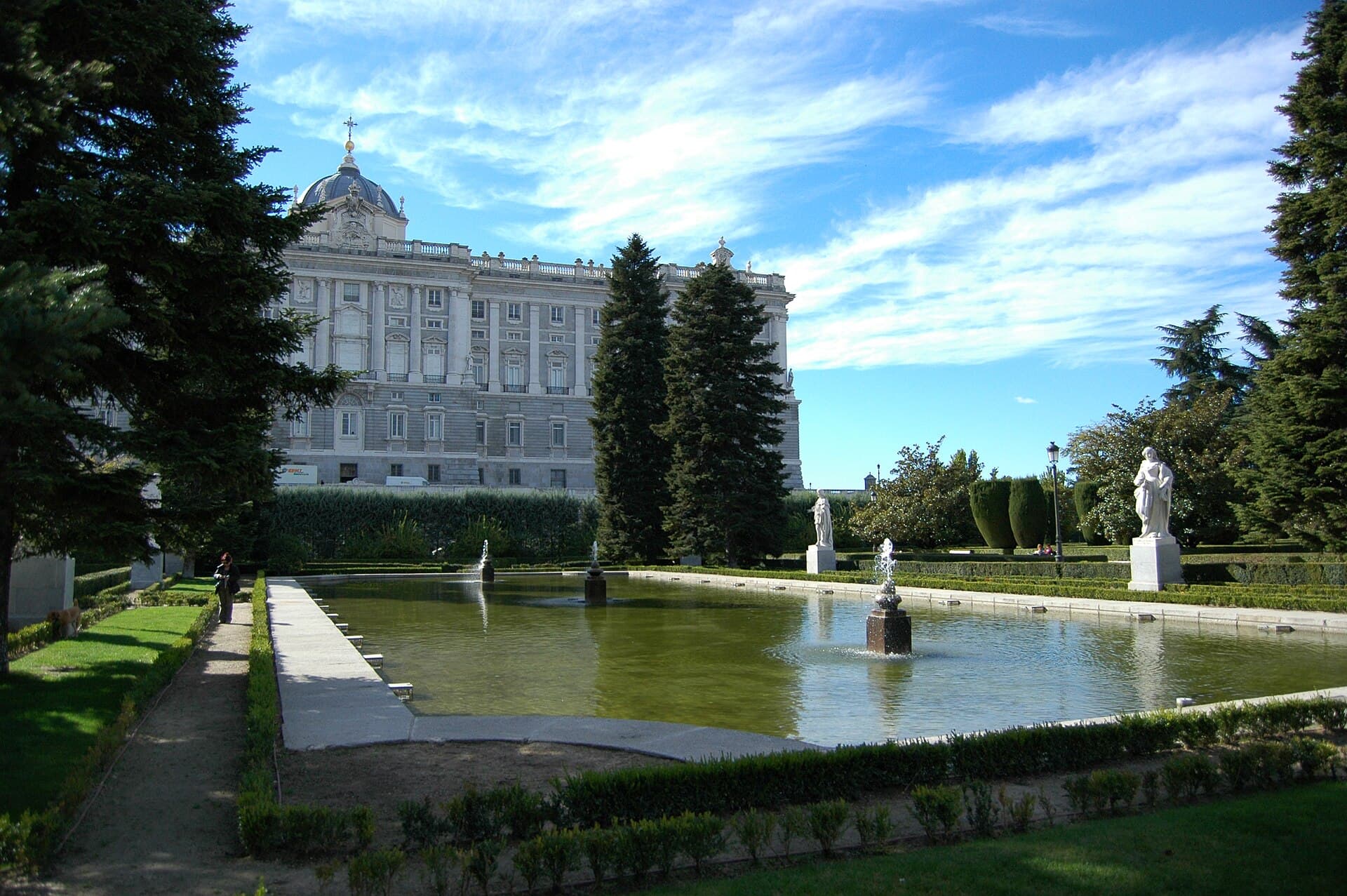 Sabatini GardensFormal gardens on the north side of Madrid's Royal Palace, laid out in the neocl14 minutes walk4.7
If Goya matters to you, yes — it is the only major Goya fresco cycle in Madrid still in the building it was painted for; his other surviving in-situ murals are mostly in Aragón. If your time in Madrid is short and you have not done the Prado or the Thyssen yet, this is the first thing to drop.
The nearest station is Príncipe Pío (Metro lines 6 and 10 plus branch R, and a Cercanías hub), from which it is roughly a ten-minute walk up Paseo de la Florida. It opens Tuesday to Sunday and closes on Mondays, and the closing time shifts with the season, so check the official site before you set out.
No. The original building is kept only for the frescoes and Goya's tomb; an exact copy was built next to it in the 1920s and that is the working church, so worship was moved out and the frescoes could be preserved. The surrounding stretch of Paseo de la Florida has restaurants and cafés if you want to stop afterwards.