
The regional costume
Variety showing how different the regions were.
Koreanovsky — CC BY-SA 4.0 · Koreanovsky — CC BY-SA 4.0 · Koreanovsky — CC BY-SA 4.0 · Koreanovsky — CC BY-SA 4.0
Zagreb's Ethnographic Museum occupies a former stock exchange building of the early twentieth century with an ornamented dome and a high central hall, standing on one of the squares of the Green Horseshoe — so the building is part of the experience. The Croatian section is the core: folk costume from every region, detailed enough to show how varied the country was — the embroidered linen dress of Pannonia is entirely unlike coastal Dalmatian wear or that of the mountain region. Alongside it are farming and craft tools, weaving, dolls and carnival masks. The second section is unexpected: collections brought back by Croatians who travelled in the nineteenth and early twentieth centuries — the brothers Mirko and Stevo Seljan, who crossed Ethiopia and South America, and other travellers. There are African masks, Amazonian implements and Asian pieces gathered by sailors, a window onto how people from this region saw the distant world.
Variety showing how different the regions were.
Ethiopian and Amazonian pieces from two Croatian brothers.
Trg Mazuranica 14, 10000 Zagreb
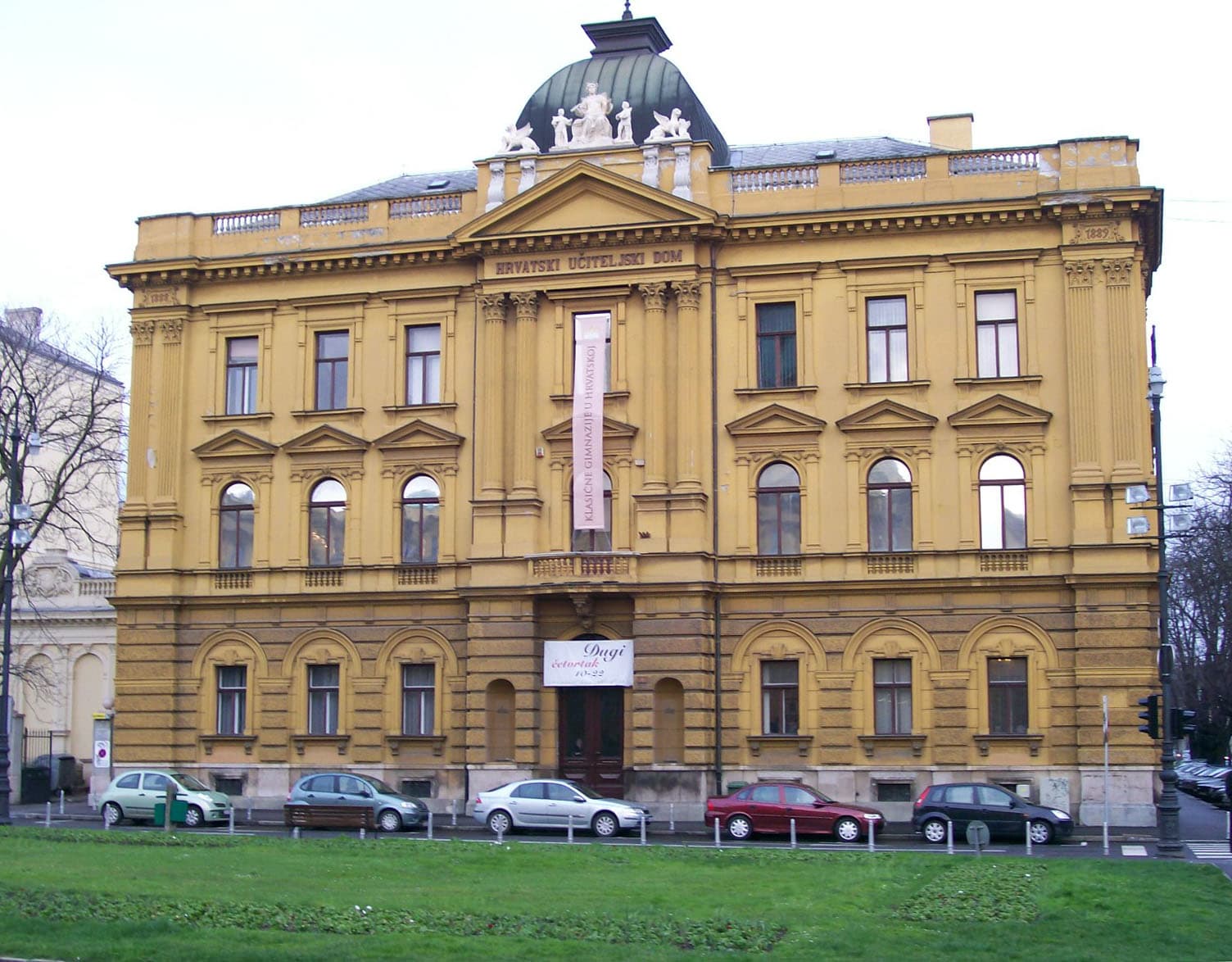 The Croatian School MuseumThe Croatian School Museum is among the oldest museums of education in Europe: f2 minutes walk4.6
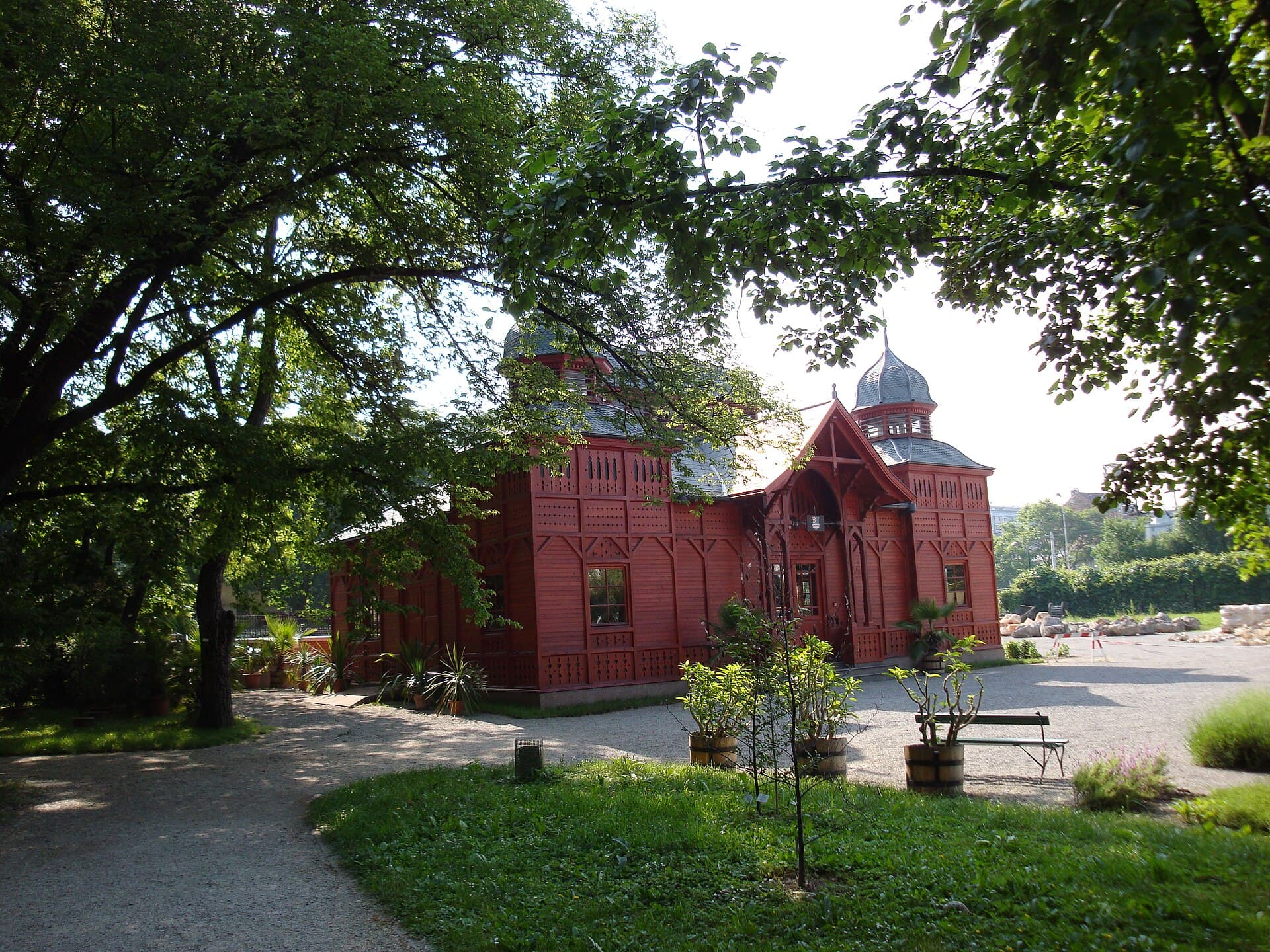 The Botanical GardenZagreb's botanical garden dates from 1889 and is one link in the Green Horseshoe6 minutes walk4.7
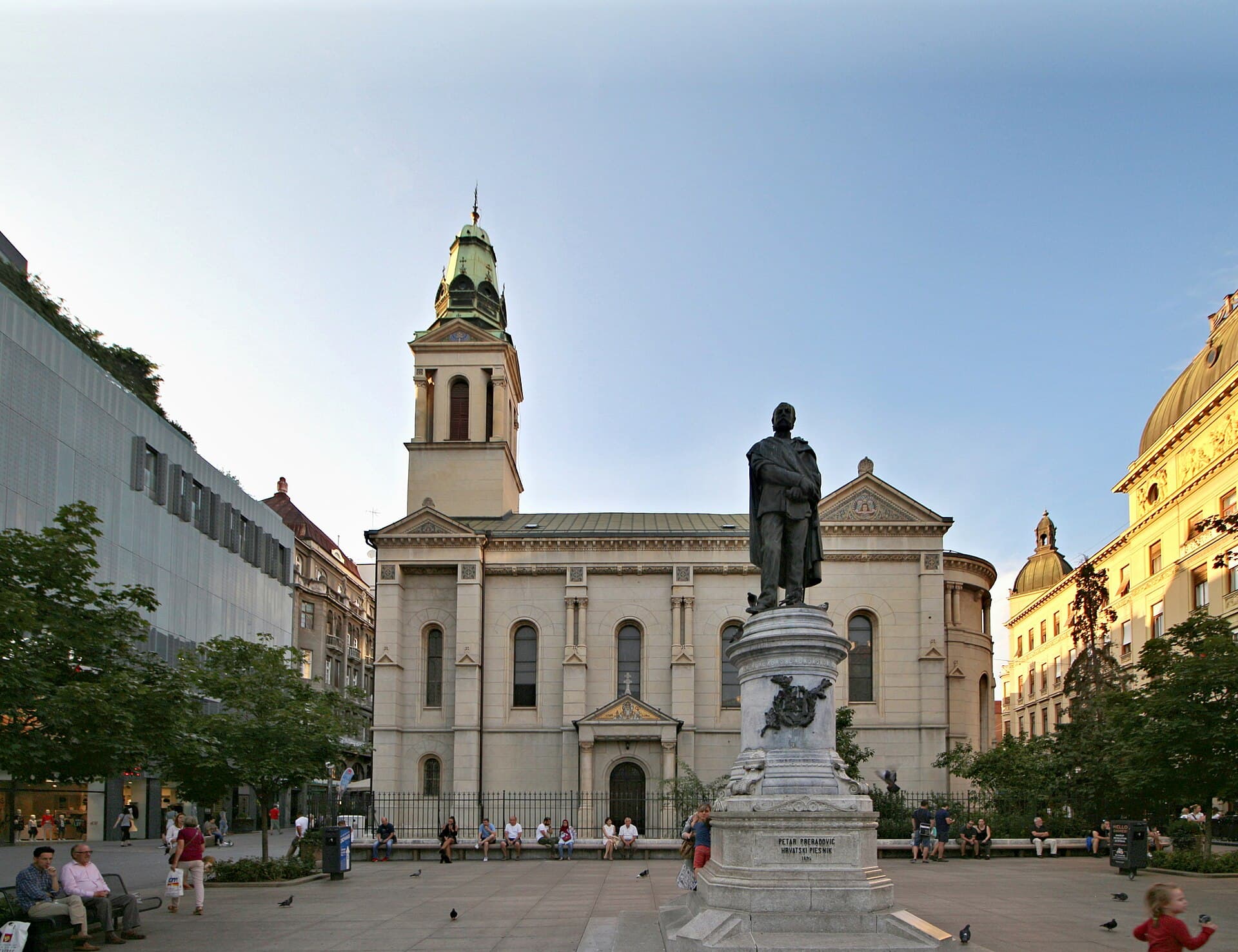 The Orthodox Cathedral of the TransfigurationThe Serbian Orthodox cathedral in Zagreb, on Preradović Square in the city centr8 minutes walk4.6
 The Nikola Tesla Technical MuseumZagreb's technical museum carries Nikola Tesla's name for good reason: he was bo8 minutes walk4.5
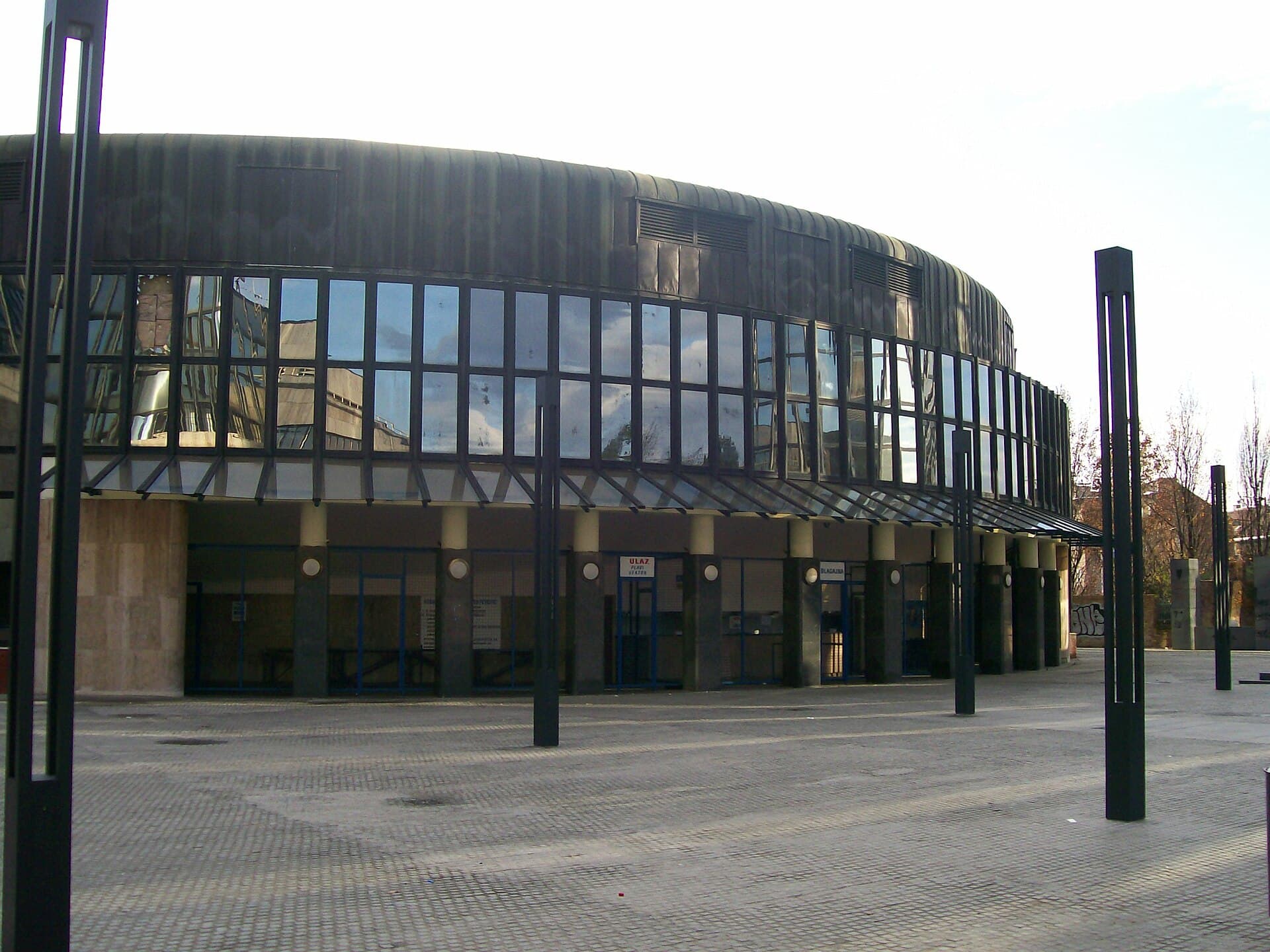 Dražen Petrović Memorial CentreA small museum devoted to Dražen Petrović, the Croatian basketball player regard9 minutes walk4.6
The French word cravate derives from Croat: in the seventeenth century Croatian cavalrymen served in the French army wearing a cloth knotted at the throat, the French court admired it, adopted it, and from there it spread worldwide. The Croatian claim to have invented the tie rests on this, and there is a small museum devoted to it in the old town alongside what the Ethnographic Museum shows about dress.