
The iconostasis
An icon-covered screen dividing sanctuary from nave — without Western equivalent.
VitVit — CC BY-SA 4.0 · Bernard Gagnon — CC BY-SA 4.0 · Baltabar — CC0 · Bernard Gagnon — CC BY-SA 4.0
The Serbian Orthodox cathedral in Zagreb, on Preradović Square in the city centre, which took its present form in the 1860s. Its presence here says something about the city's history: Zagreb is overwhelmingly Catholic, but it was an administrative and commercial centre in the Austro-Hungarian Empire where several communities gathered. The Orthodox community was permitted to build its church in the heart of the city rather than on its edge — which is in itself an indicator of its legal standing in that period. The building was designed in the neo-Byzantine manner: a central dome, round arches and a two-toned facade, a style used deliberately to distinguish it from the Gothic and baroque Catholic churches around it. The interior holds an iconostasis — the icon-covered screen separating the sanctuary from the nave, a central element of Orthodox architecture with no equivalent in Western churches. It is a working place of worship and entry is normally free.
An icon-covered screen dividing sanctuary from nave — without Western equivalent.
Neo-Byzantine was chosen to distinguish it from the Gothic and baroque around it.
Built in the middle of the city, an indicator of the community's legal standing.
Preradović Square, central Zagreb
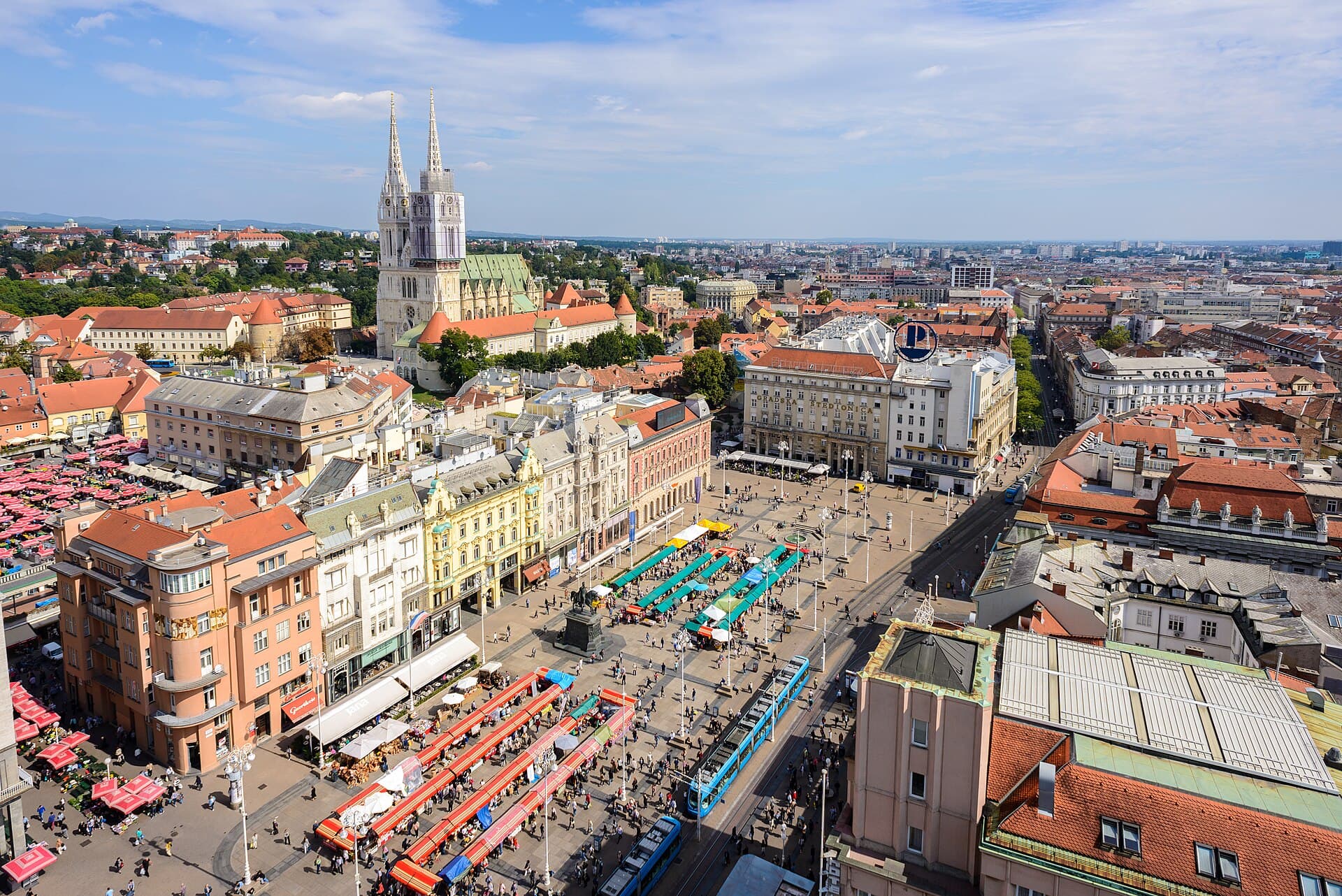 Jelačić Square & Dolac MarketJelačić Square is Croatia's point zero: every rendezvous is under the horse's ta3 minutes walk4.6
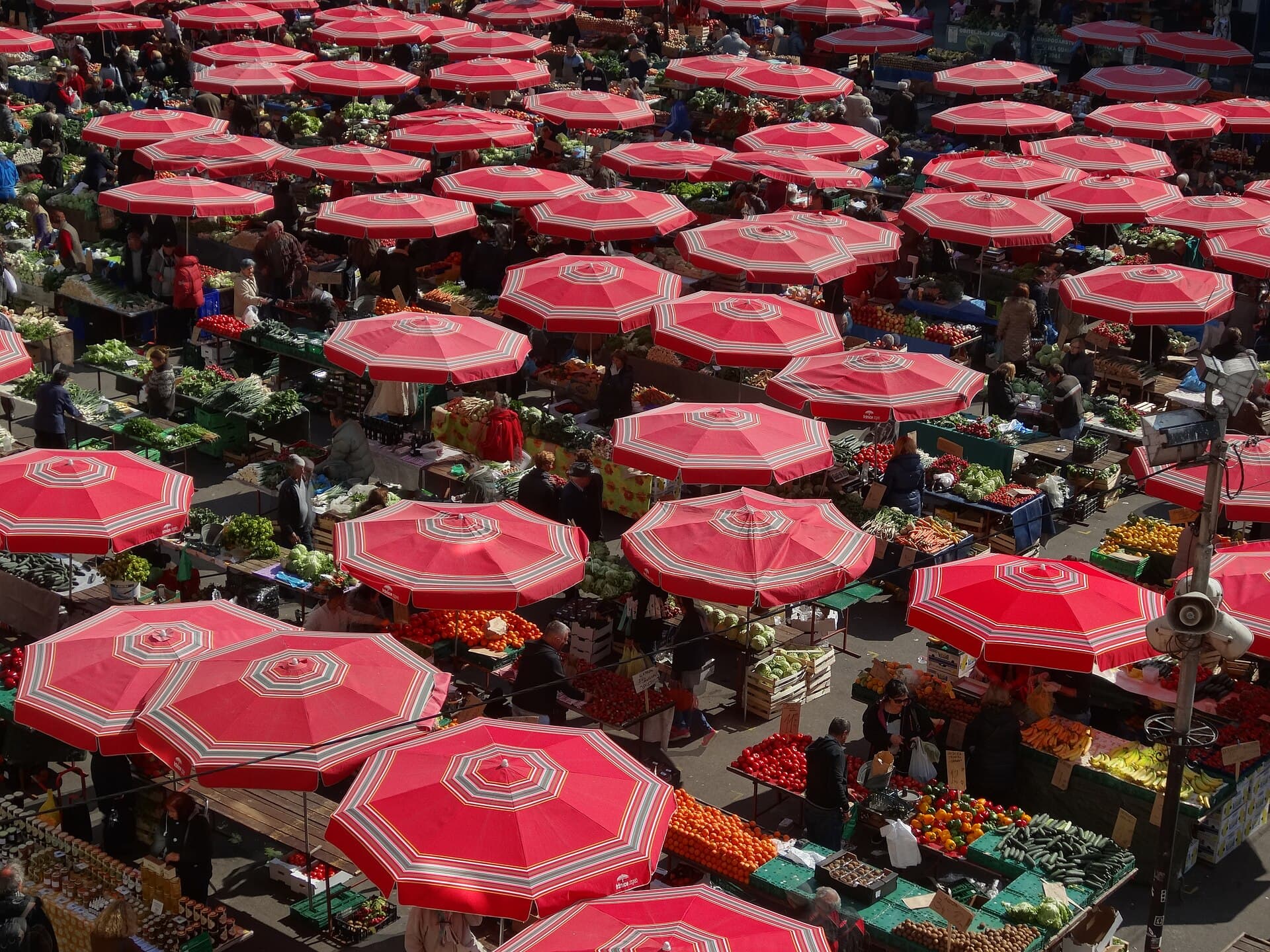 Dolac MarketZagreb's central food market, on a raised terrace directly above the main square3 minutes walk4.4
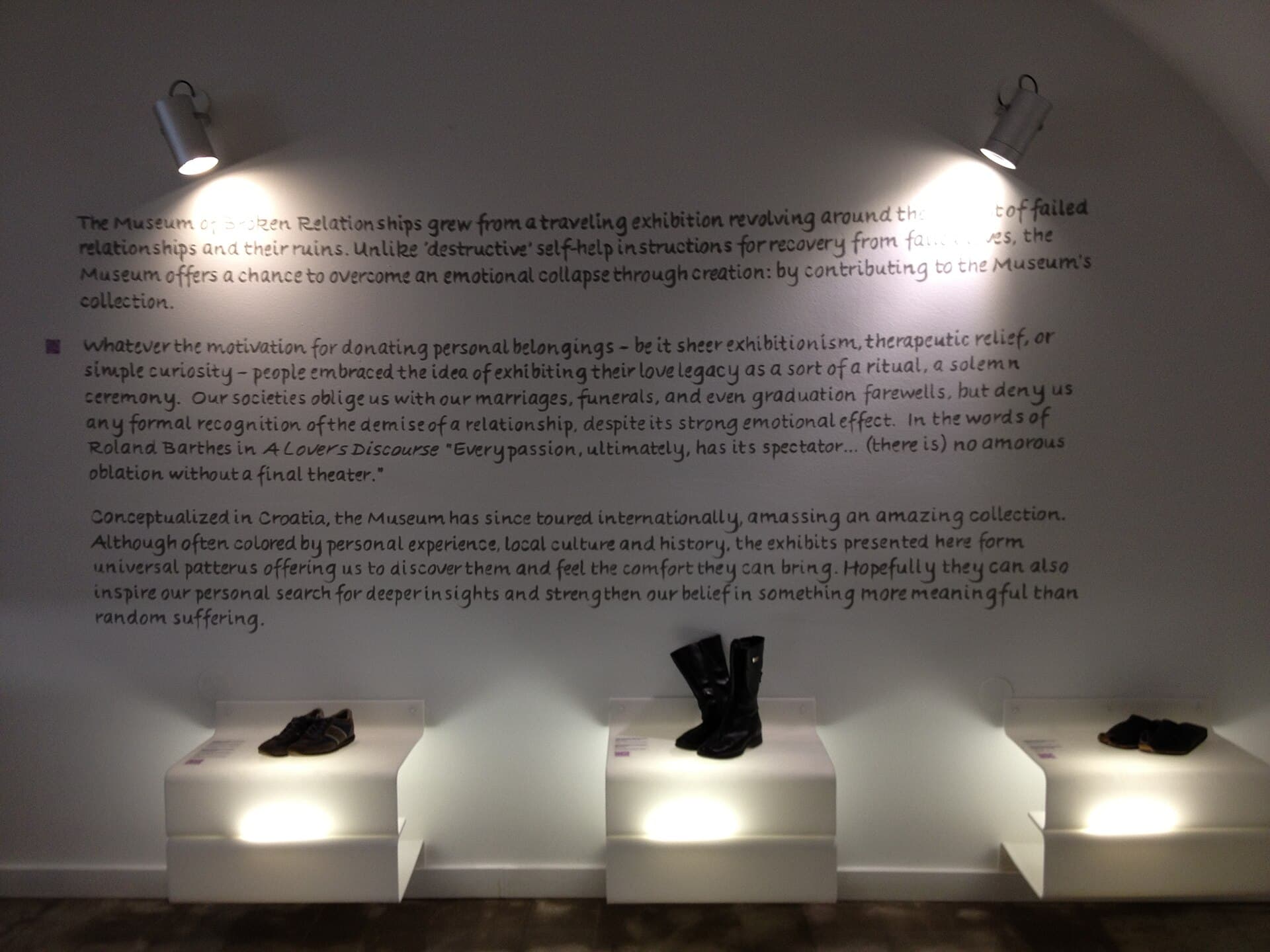 The Museum of Broken RelationshipsThe Museum of Broken Relationships is Zagreb's most famous cultural export: two 4 minutes walk4.4
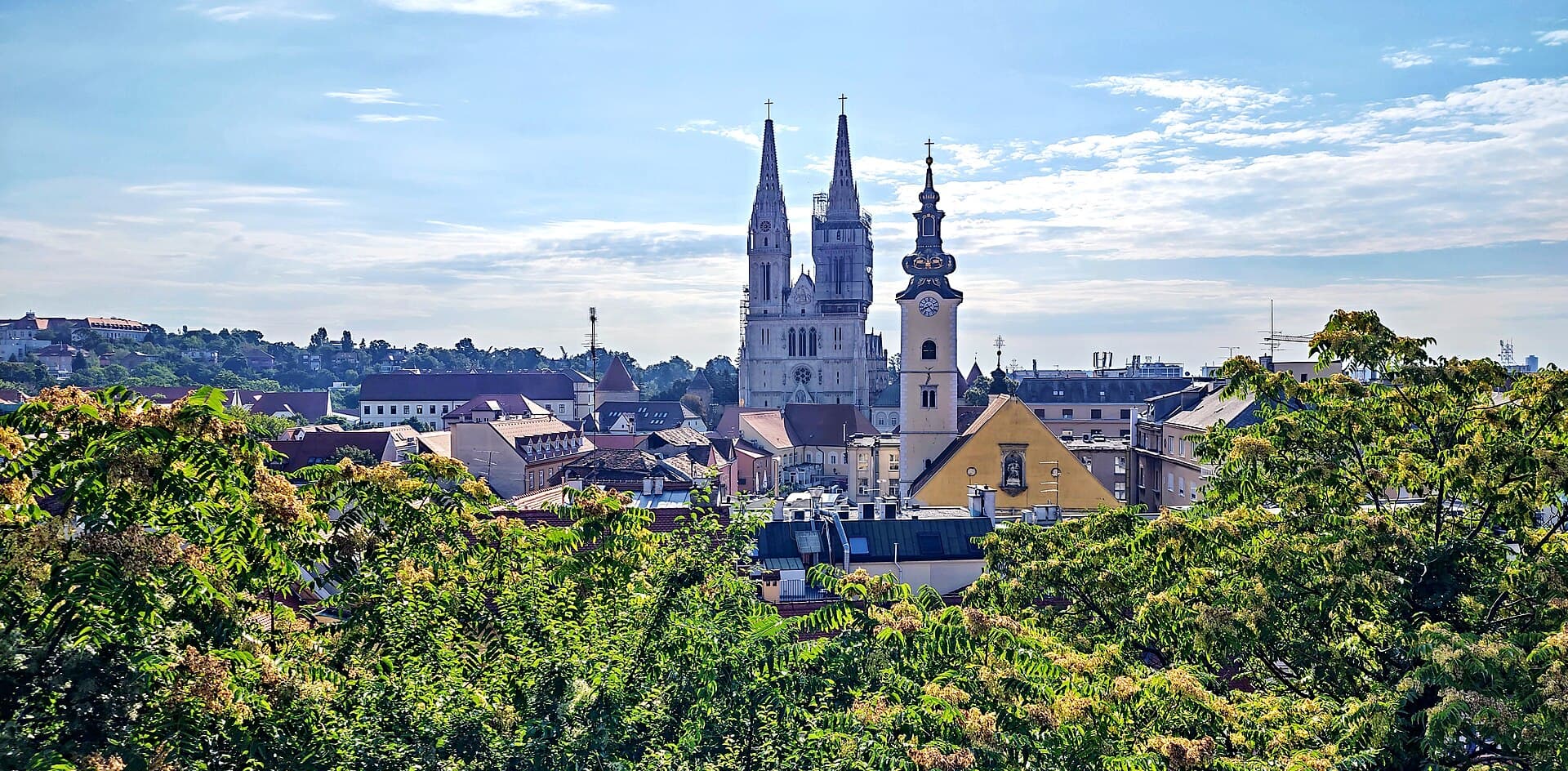 The Upper Town (Gornji Grad)Gornji Grad is original Zagreb: the medieval hill town of lanes and two hundred 5 minutes walk4.6
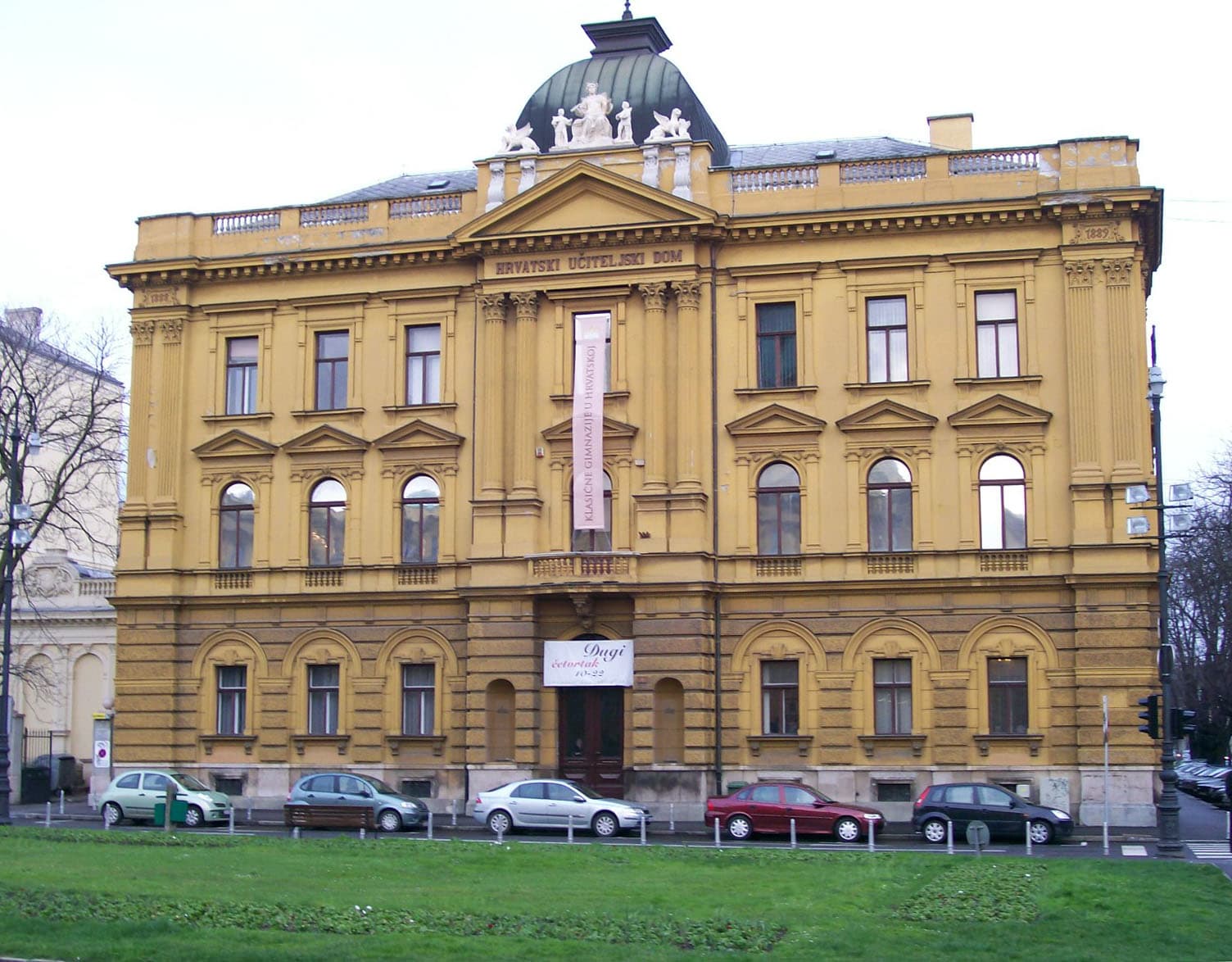 The Croatian School MuseumThe Croatian School Museum is among the oldest museums of education in Europe: f6 minutes walk4.6
A screen dividing the sanctuary — where the Eucharist is celebrated — from the nave where the congregation stands, covered in rows of icons arranged in a fixed theological order. It has three doors, the central one being the Royal Door through which only the priest passes. The theological idea is that it does not conceal but connects: the icons are a window onto what lies beyond. This element distinguishes Orthodox churches from Catholic ones visually more than anything else.
Yes, Orthodox churches are open to visitors of all backgrounds outside service times. What is asked is what any place of worship asks: quiet, dress covering shoulders and knees, and no photography during prayer. Note that worshippers stand through the Orthodox liturgy and there is little seating — do not expect to sit.