
The Tesla room
Alternating current explained on working equipment.
Gveret Tered — CC BY-SA 4.0 · JasonParis — CC BY 2.0 · User:Zenwort — CC BY-SA 4.0 · User:Zenwort — CC BY-SA 4.0
Zagreb's technical museum carries Nikola Tesla's name for good reason: he was born in the village of Smiljan in what is now Croatia, and is among the names the country is proudest of. But the museum is wider than one man — it is a general science and technology museum in a large industrial hall. Its best-known room is the Tesla demonstration: live shows run by guides with equipment that actually works, above all a Tesla coil throwing long, audible electrical arcs, with an explanation of the alternating current principle by which his system won the argument against Edison's direct current. The museum also holds a planetarium, a full reconstructed mine in the basement that you descend into and walk through, an aviation section with real aircraft, steam locomotives, a submarine, and departments on energy, agriculture and firefighting. This is among the best things to do in Zagreb with children, but the live shows run at fixed times — check them before arriving.
Alternating current explained on working equipment.
Real aircraft, steam locomotives and a submarine.
Savska cesta 18, 10000 Zagreb
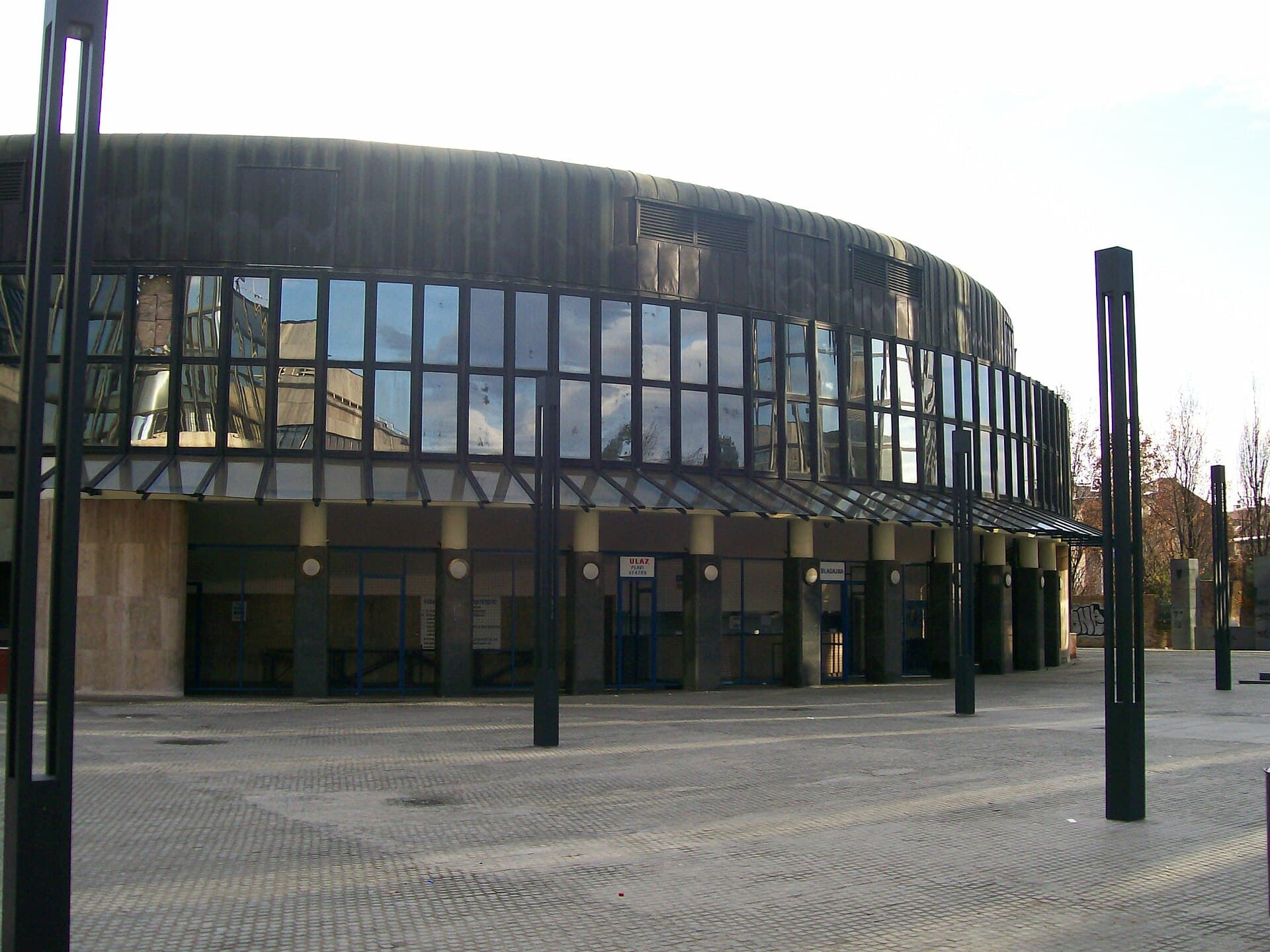 Dražen Petrović Memorial CentreA small museum devoted to Dražen Petrović, the Croatian basketball player regard2 minutes walk4.6
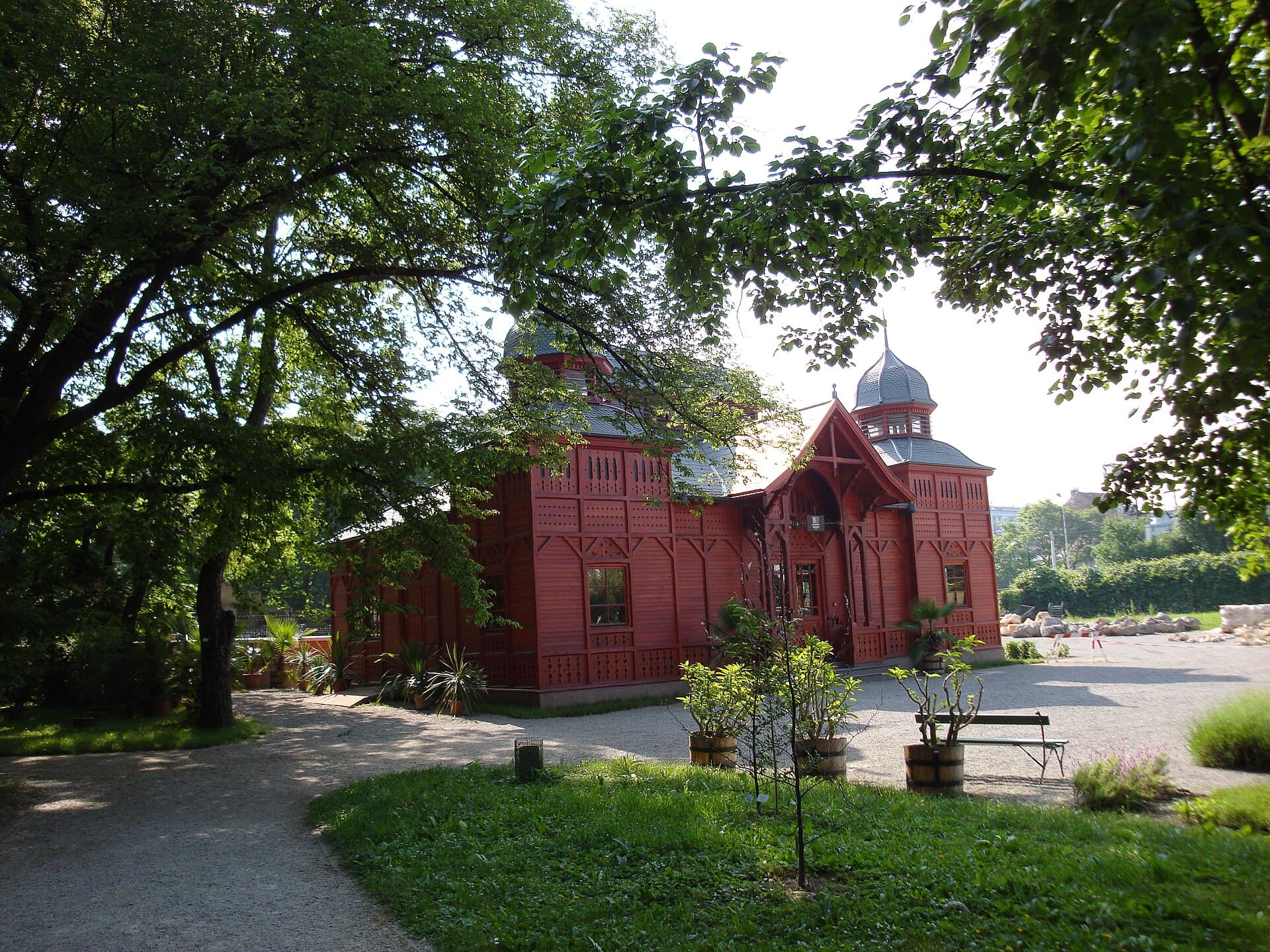 The Botanical GardenZagreb's botanical garden dates from 1889 and is one link in the Green Horseshoe7 minutes walk4.7
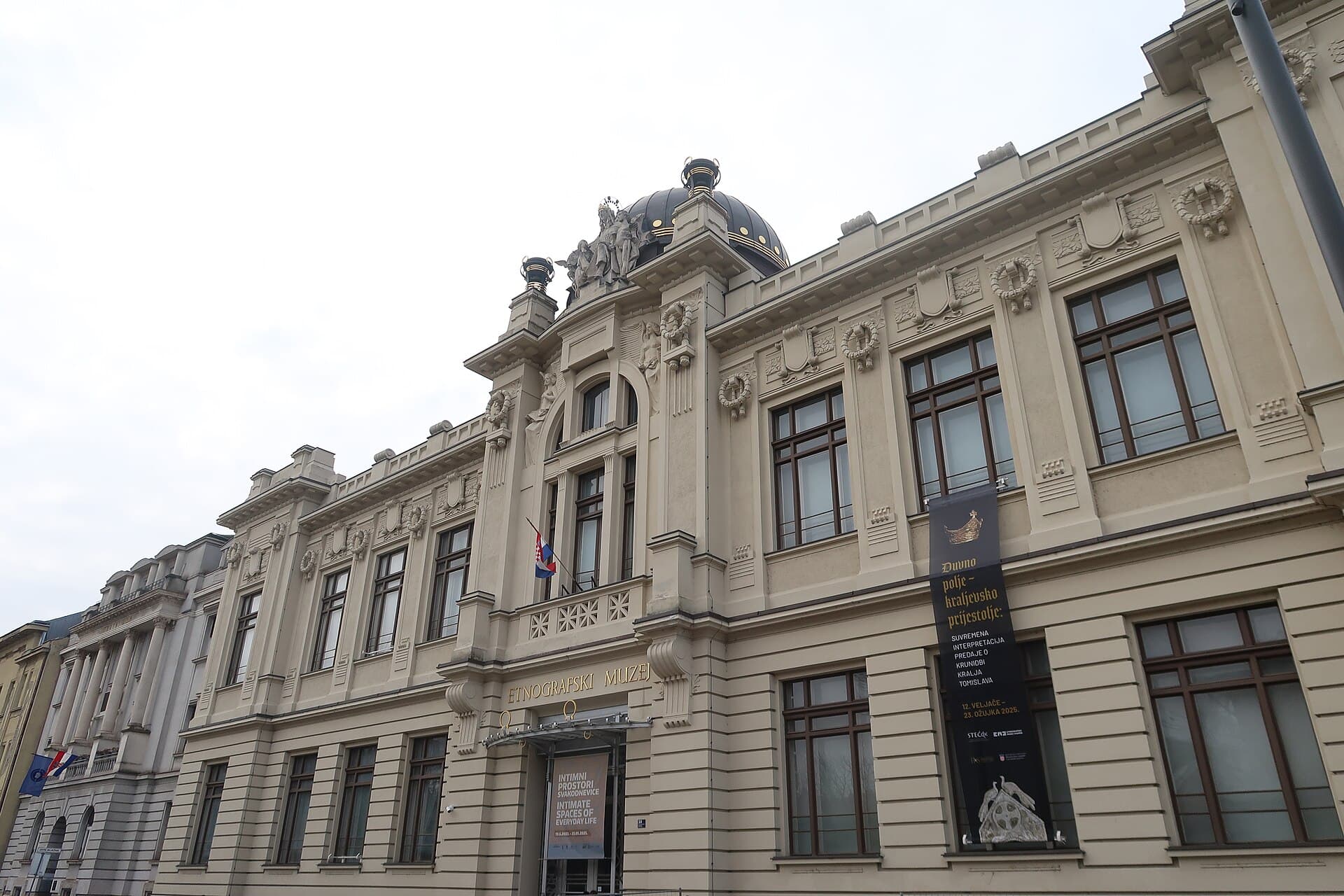 The Ethnographic MuseumZagreb's Ethnographic Museum occupies a former stock exchange building of the ea8 minutes walk4.4
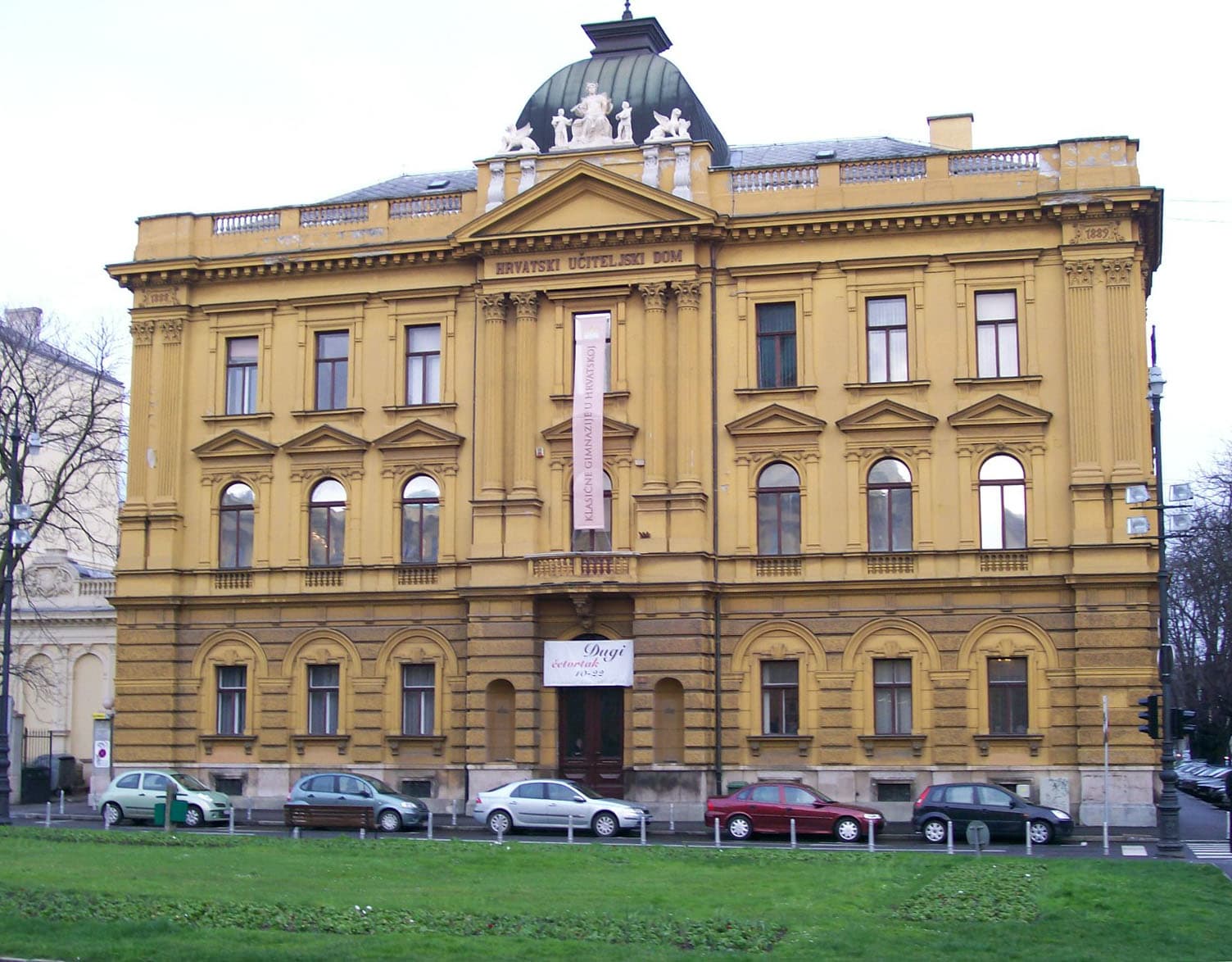 The Croatian School MuseumThe Croatian School Museum is among the oldest museums of education in Europe: f10 minutes walk4.6
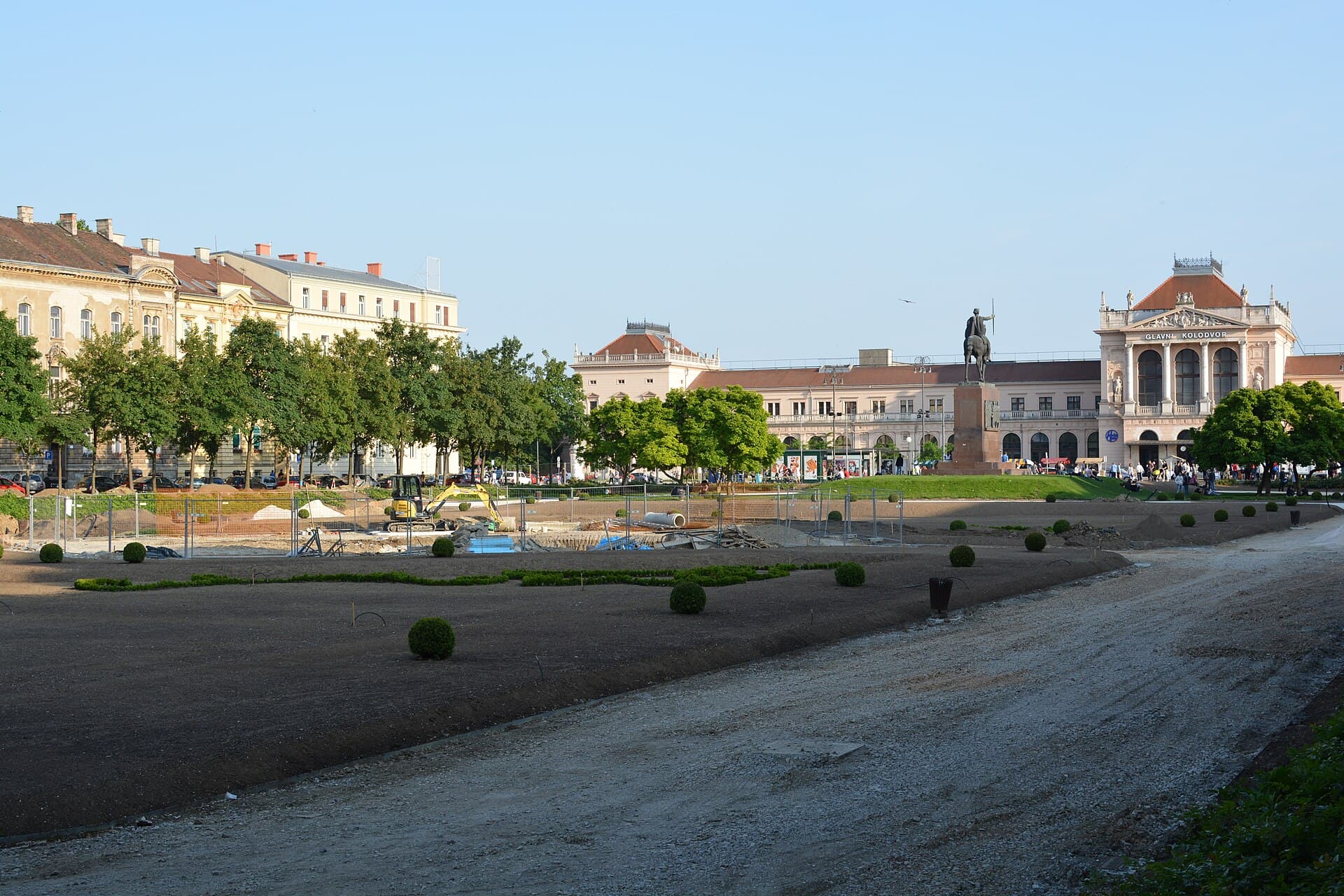 King Tomislav SquareThe first thing you see arriving in Zagreb by train is this square: it stretches15 minutes walk4.7
Both countries claim him and both are partly right: he was born in 1856 in the village of Smiljan in the Lika region, within present-day Croatia, to an Orthodox Serb family, his father a priest. He lived and worked most of his life in the United States and held its citizenship. So his ethnic origin was Serb, his birthplace Croatian and his achievement American — and the museum here presents him as a son of the region rather than a national possession.