
Lace as industry
Not a heritage craft but a full export sector to the courts of Europe.
Mx. Granger — CC0 · Bdx — CC0 · DutchTreat — CC BY 4.0 · DutchTreat — CC BY 4.0
A municipal museum near the Grand Place showing costume and textiles, its most important holding being the collection of Belgian lace. Lace is not a tourist detail in Brussels but an industry that shaped the city's economy. In the seventeenth and eighteenth centuries tens of thousands of women and girls made it by hand, and it was exported to every court in Europe. The pay was minimal and the work ruinous to the eyes, and many of the workers began as children. The museum shows the pieces as work of extreme craft precision, and explains the different techniques — Brussels lace, bobbin lace and others — and how to tell them apart. Temporary exhibitions cover the history of dress more broadly and change periodically, so what you see depends partly on timing. The location is central, minutes from the Grand Place and the Manneken Pis, and it is useful as a quiet alternative to the crush of that area.
Not a heritage craft but a full export sector to the courts of Europe.
Minimal pay and work ruinous to the eyes, with many workers starting as children.
The museum explains Brussels and bobbin techniques and how to distinguish them.
Rue de la Violette, near the Grand Place, Brussels
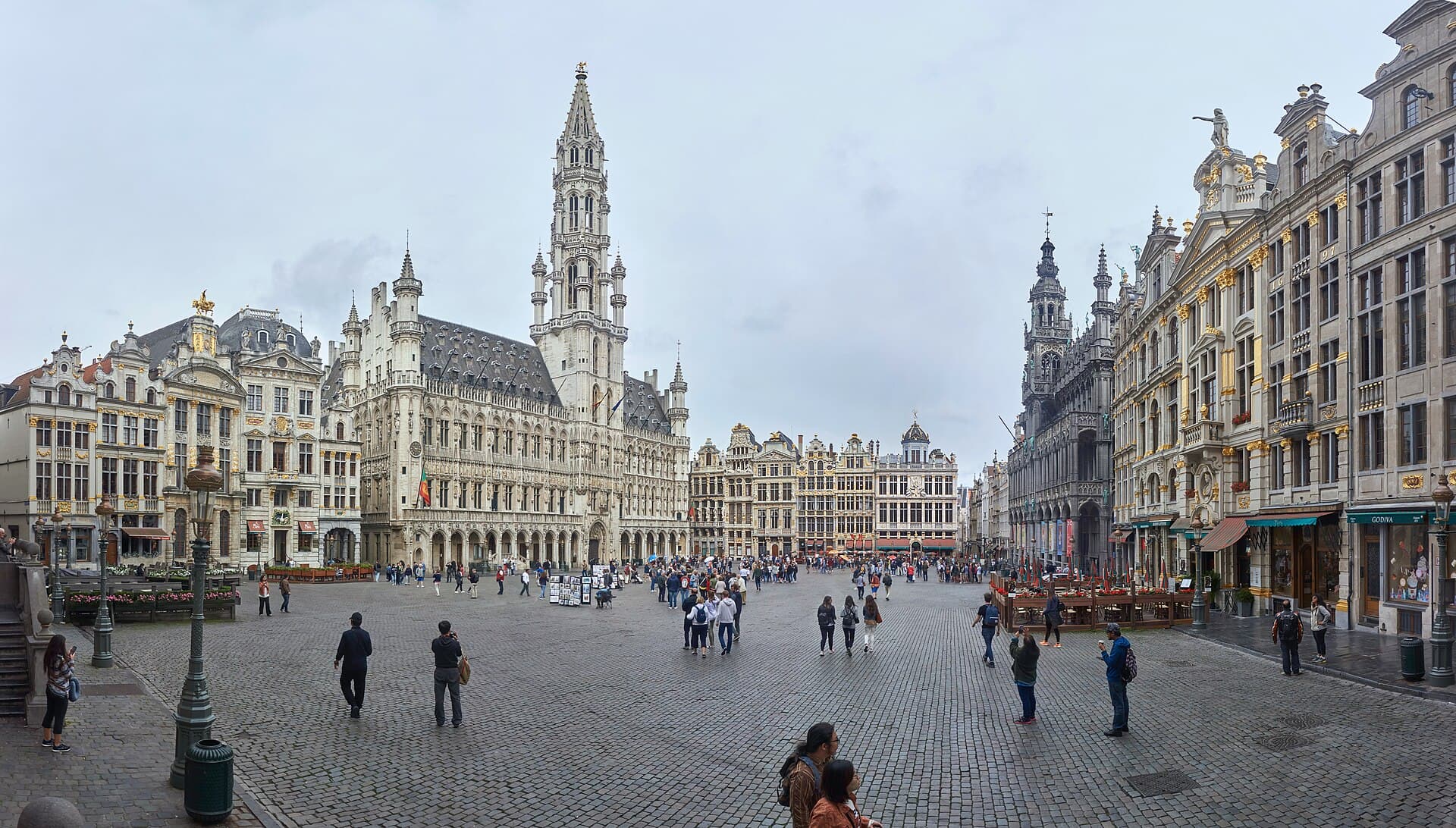 Grand-PlaceThe Grand-Place is the heart of Brussels and one of the world's most beautiful s1 minute walk4.8
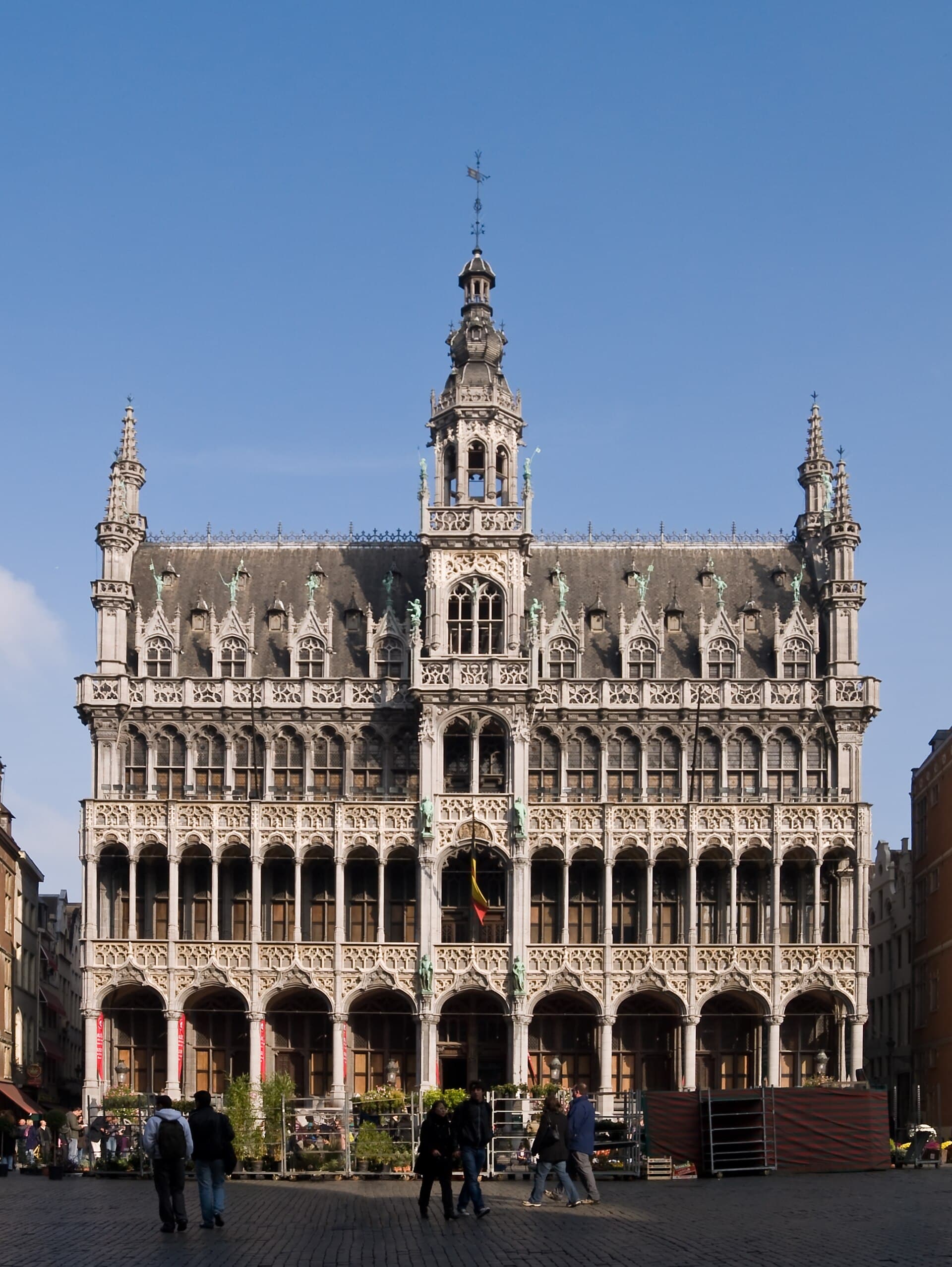 Brussels City Museum (King's House)The Brussels City Museum occupies the "King's House" — the imposing neo-Gothic b2 minutes walk4.5
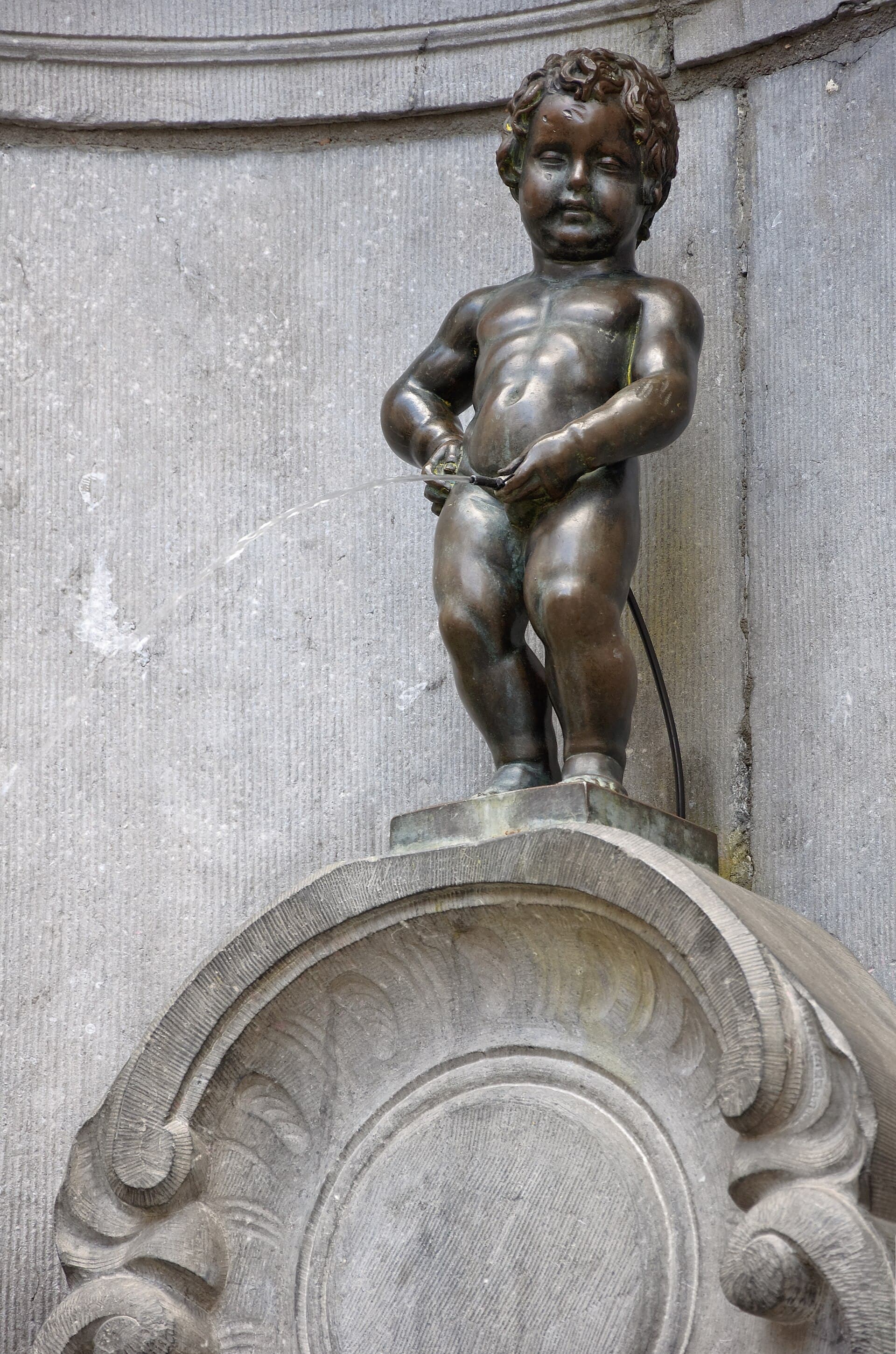 Manneken PisManneken Pis is Brussels' most famous citizen and its smallest: a bronze statue 2 minutes walk3.9
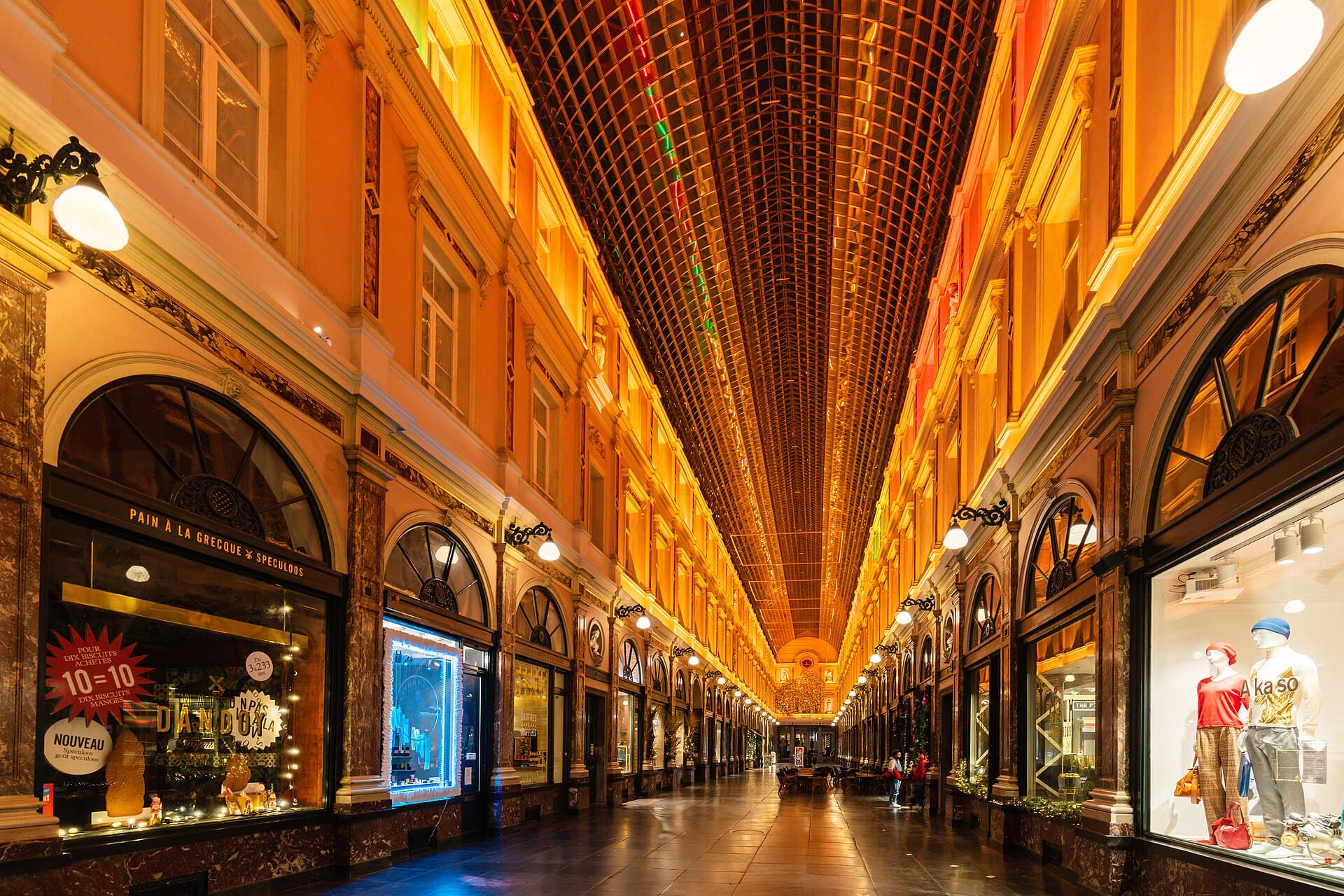 Galeries Royales Saint-HubertThe Galeries Royales Saint-Hubert are among Europe's first covered shopping arca4 minutes walk4.6
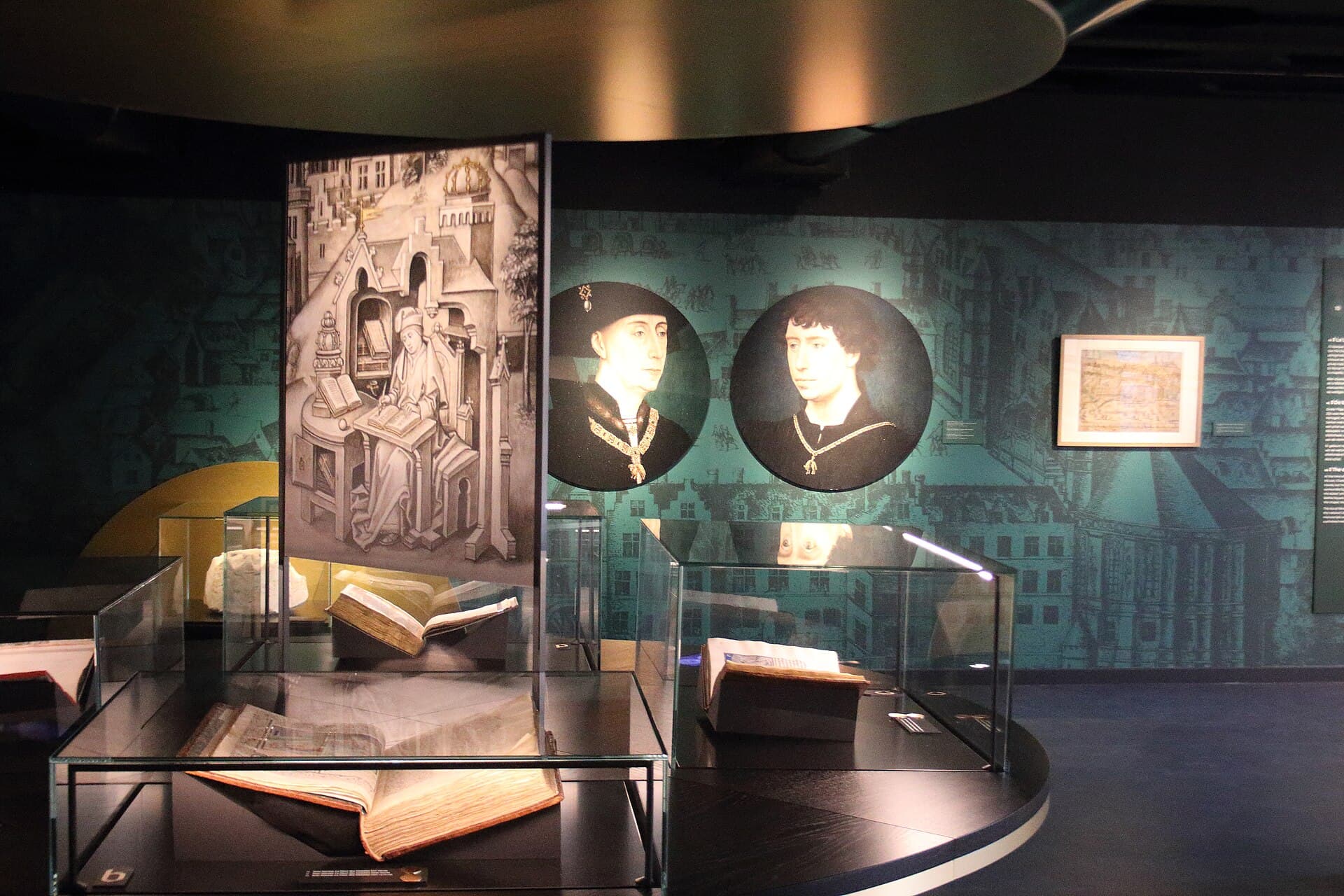 KBR MuseumA museum inside the Royal Library of Belgium, opened in 2020 around one specific5 minutes walk4.7
Much of it is not. Handmade Belgian lace is rare and very expensive because the labour hours are enormous, and most of what is sold to tourists is machine-made or imported. The museum helps practically here: after seeing genuine pieces the difference becomes much easier to spot.
The Grand Place and the Manneken Pis are minutes away, and the Brussels City Museum in the Maison du Roi is on the square itself. The area is very crowded, and this museum gives you a quiet hour in the middle of it.