
The costumes
Dressed about 130 times a year in outfits gifted from around the world.
Myrabella — CC BY-SA 3.0 · Txllxt TxllxT — CC BY-SA 4.0 · Gargarapalvin — CC BY-SA 4.0 · Gargarapalvin — CC BY-SA 4.0
Manneken Pis is Brussels' most famous citizen and its smallest: a bronze statue of a boy urinating into a fountain, only 61 centimetres tall, made by the sculptor Jérôme Duquesnoy in 1619 — a symbol of Brussels' self-mocking, humble spirit that never takes itself too seriously. Visitors are surprised by his size, then fall for his charm. His quirk is his wardrobe: more than a thousand costumes gifted by countries, associations and professions worldwide, some worn on set occasions (about 130 times a year) — from an Elvis suit to national dress. The costumes are shown in a small nearby museum, the GardeRobe MannekenPis. And he has "siblings": Jeanneke Pis (a girl) and Zinneke Pis (a dog) around the city. Steps from the Grand-Place (follow the crowds), amid the lanes of chocolate and waffles — a few minutes' stop on a centre walk, not a destination in itself.
Dressed about 130 times a year in outfits gifted from around the world.
The symbol of the humble self-mockery that defines the city.
Corner of Rue de l'Étuve and Rue du Chêne, 1000 Brussels
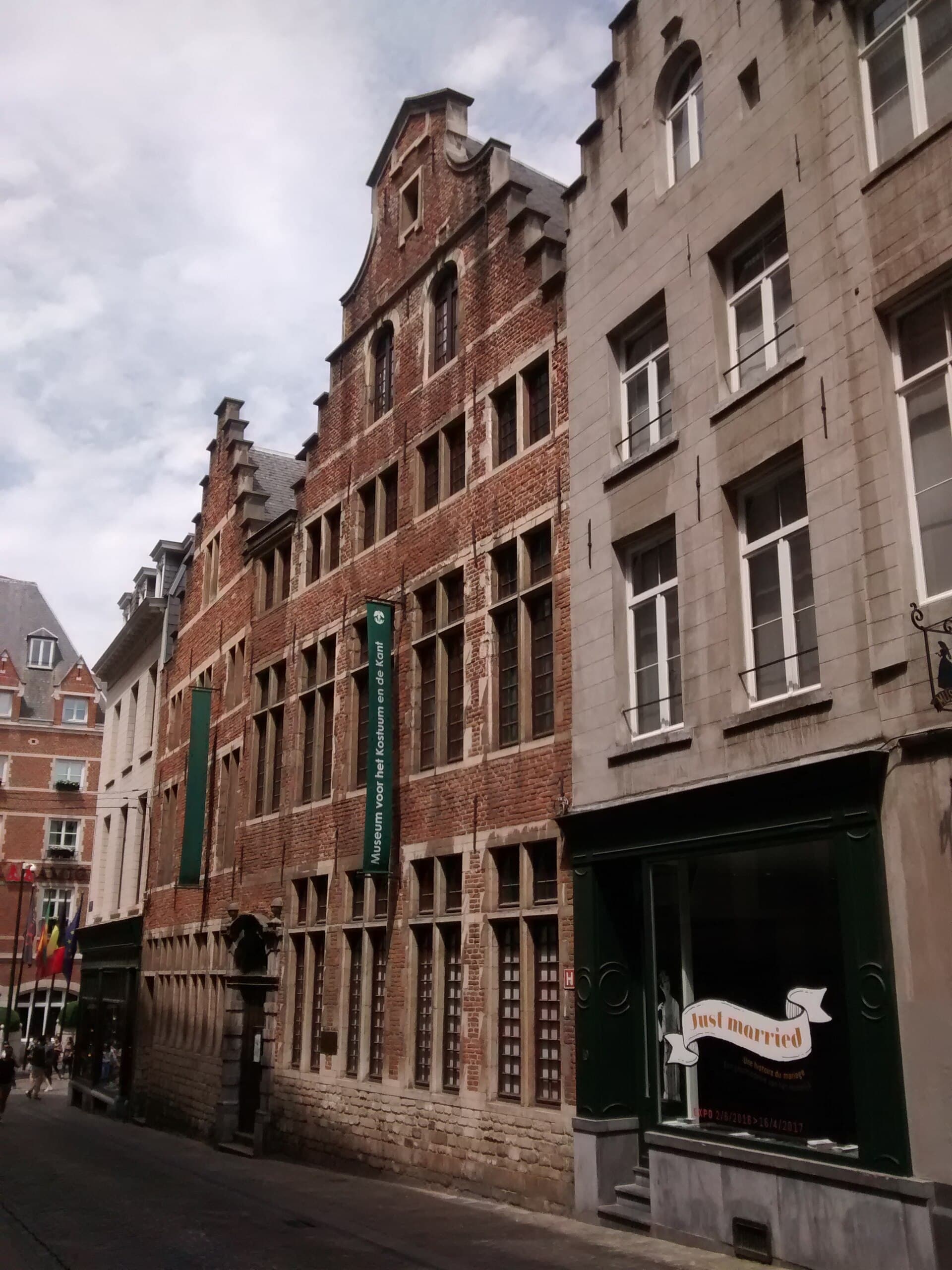 Fashion and Lace MuseumA municipal museum near the Grand Place showing costume and textiles, its most i2 minutes walk3.8
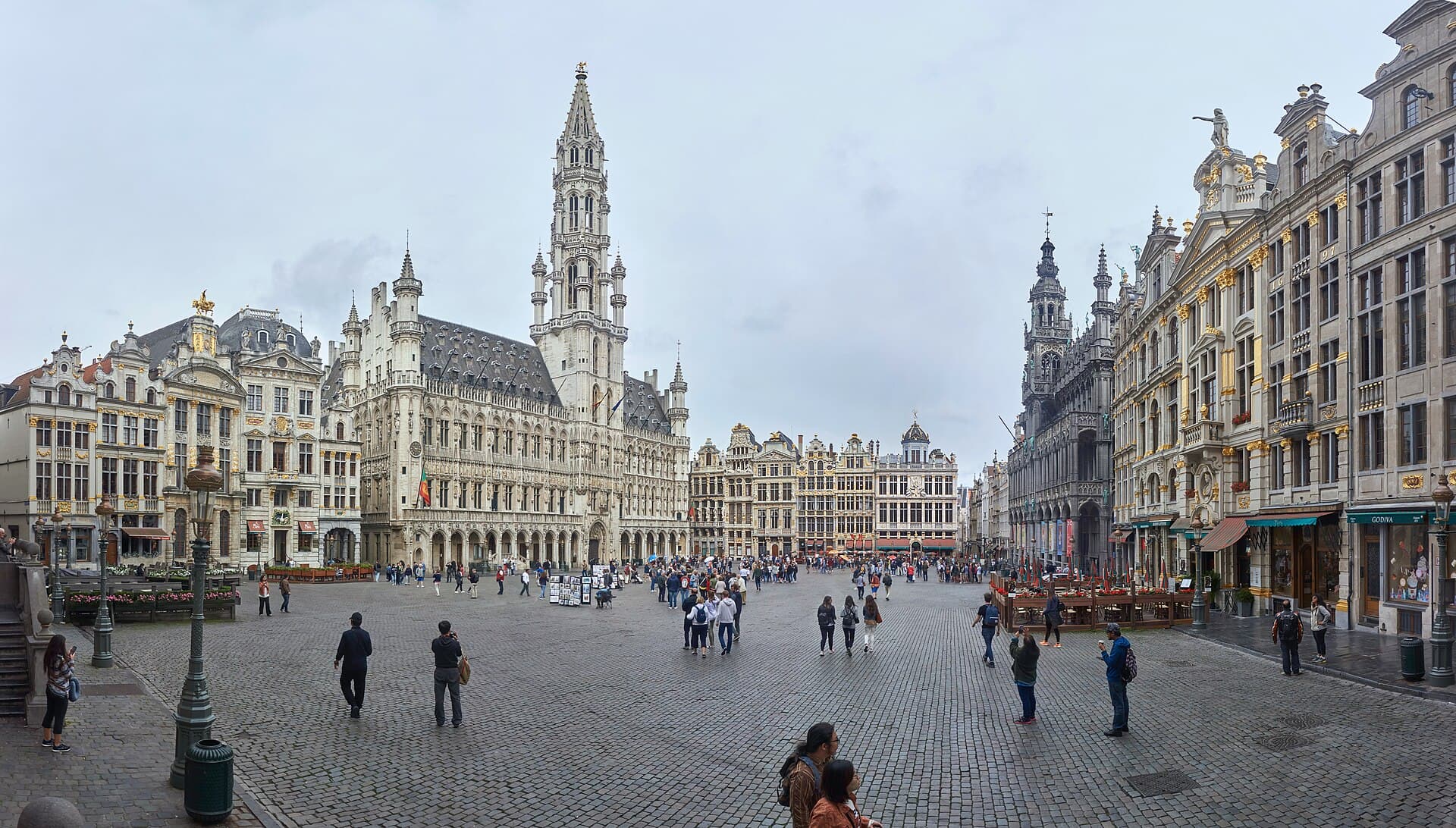 Grand-PlaceThe Grand-Place is the heart of Brussels and one of the world's most beautiful s3 minutes walk4.8
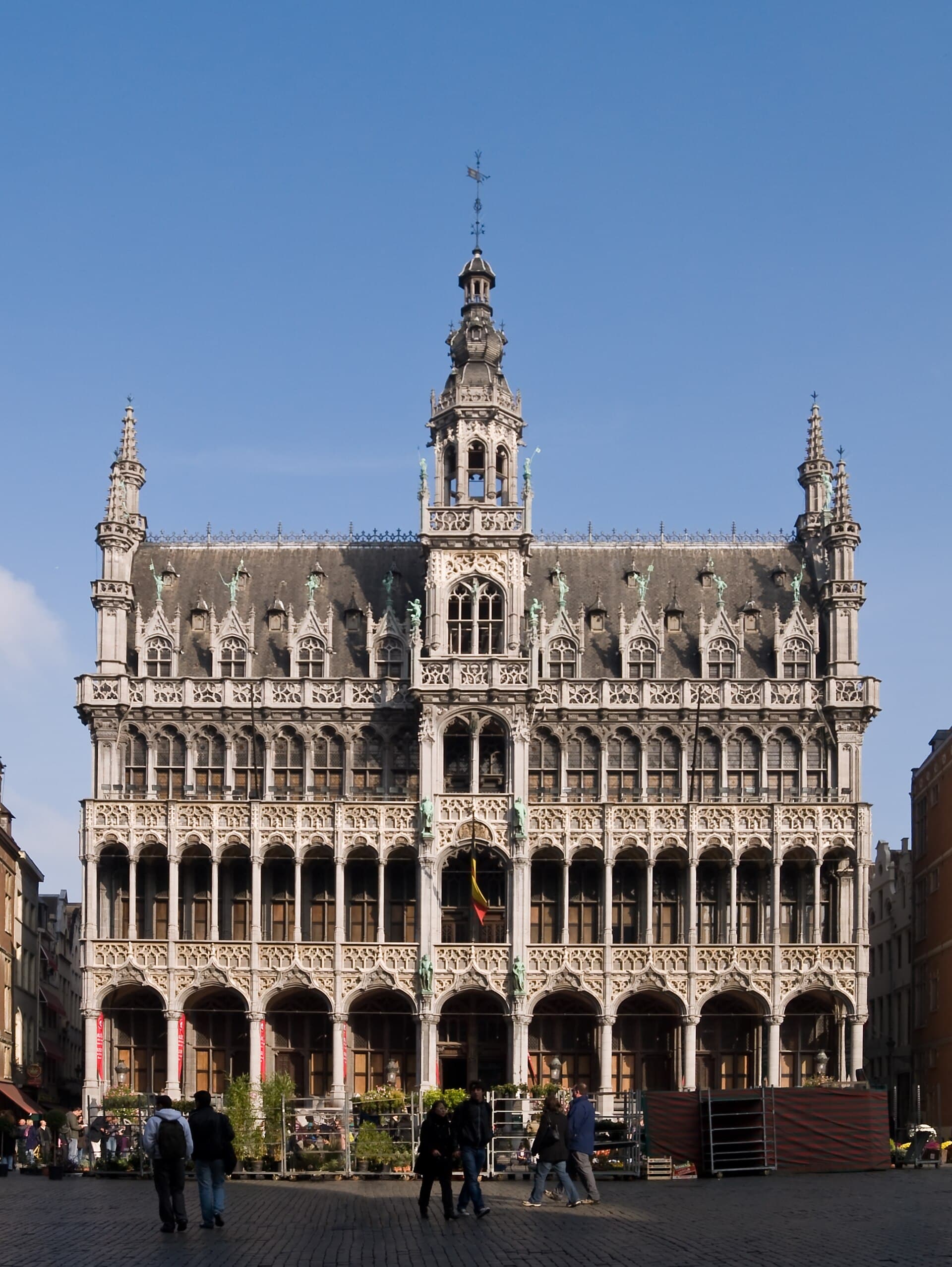 Brussels City Museum (King's House)The Brussels City Museum occupies the "King's House" — the imposing neo-Gothic b4 minutes walk4.5
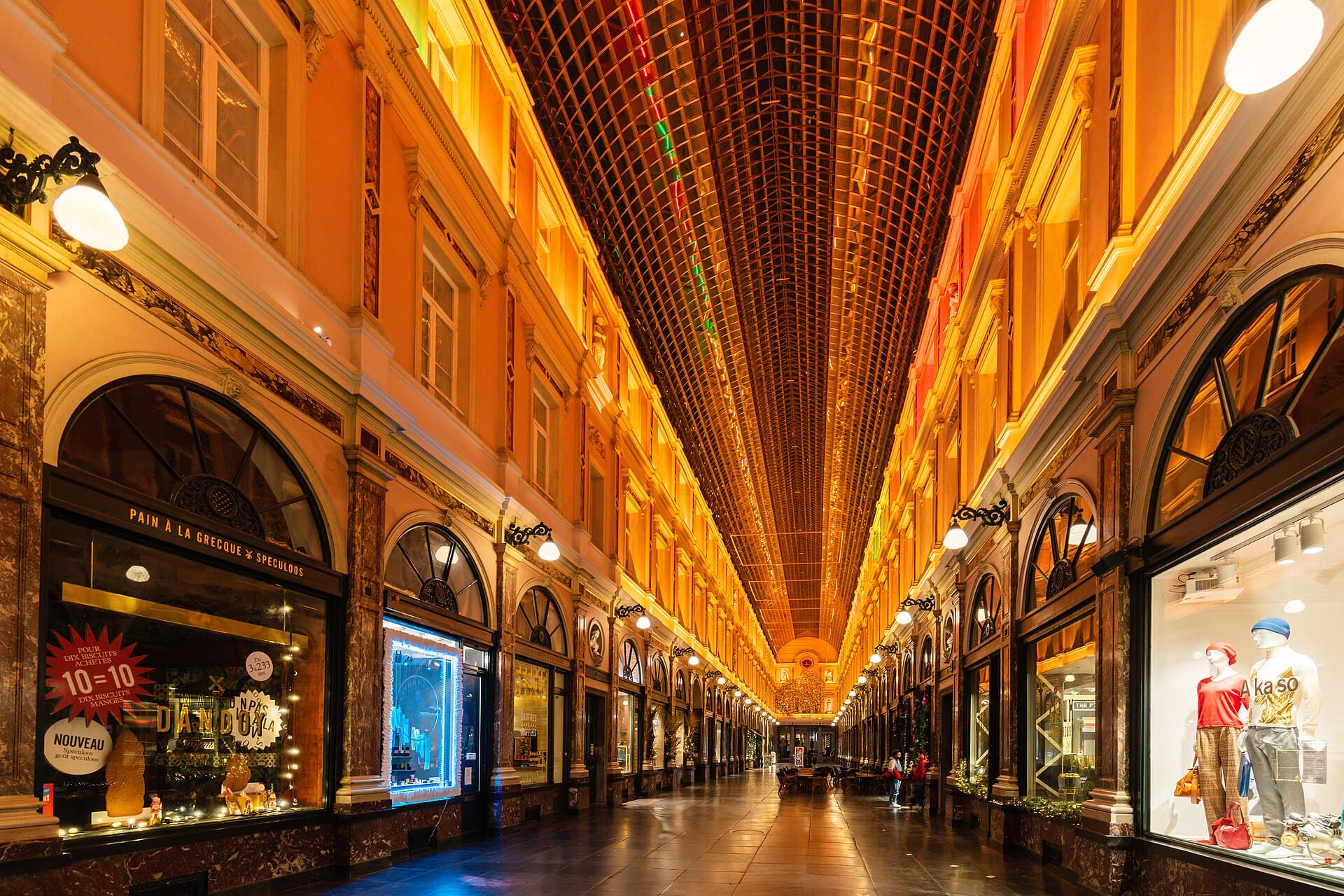 Galeries Royales Saint-HubertThe Galeries Royales Saint-Hubert are among Europe's first covered shopping arca6 minutes walk4.6
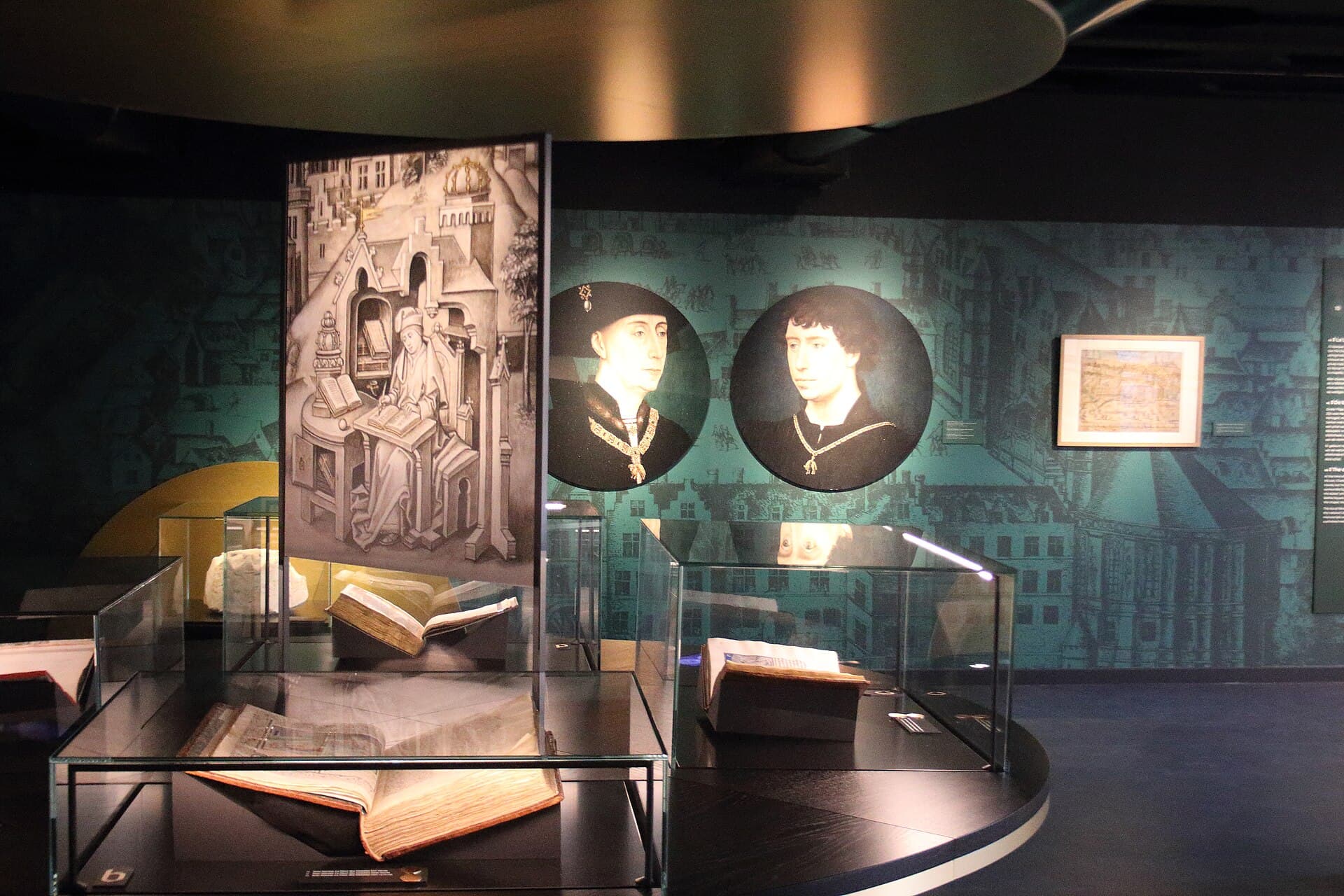 KBR MuseumA museum inside the Royal Library of Belgium, opened in 2020 around one specific6 minutes walk4.7
Many tales of his origin (a boy who put out a bomb fuse, a lost prince's son) are all legends; the truth is he was a seventeenth-century public fountain that became a symbol of the city's mocking spirit, and the traditions of dressing him (since the eighteenth century) and his several thefts and returns made him a legend. The current statue is a copy (1965); the original is in the City Museum on the Grand-Place.